Amstaff Puppies for Sale: A Practical Guide
Introduction
The American Staffordshire Terrier, affectionately called the Amstaff, is prized for its steady loyalty and affectionate nature. If you are thinking of welcoming an Amstaff puppy into your life, this overview outlines the breed’s traits, daily needs, and reliable ways to locate a healthy, well-socialized pup.
Characteristics of Amstaff Puppies
Appearance
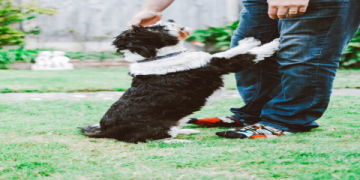
Amstaff puppies display a compact, athletic frame covered by a short, glossy coat that appears in many colors and patterns. As they mature, they develop a broad chest, strong neck, and balanced silhouette that radiates power without bulk.
Temperament
These pups are outgoing, people-oriented, and quick to learn. Early, positive exposure to varied sights, sounds, and faces helps their natural confidence shine while curbing over-protectiveness. With consistent guidance they become gentle, trustworthy companions for households of many types.
Health
Like any purebred, Amstaffs can inherit joint issues or skin sensitivities. Choosing a breeder who screens breeding stock for common disorders, combined with routine vet visits and age-appropriate exercise, greatly lowers future risks.
Finding Amstaff Puppies
Reputable Breeders
Good breeders raise litters in clean, stimulating environments, provide health records, and welcome questions. Local all-breed clubs, sporting events, and veterinarian referrals are solid starting points for locating such sources.
Online Platforms
Websites that list available puppies can save time, yet due diligence is essential. Request recent photos, video calls, and paperwork before committing, and avoid sellers who pressure for quick payments or ship very young pups.
Rescue & Rehoming Groups
Breed-specific rescues often have adolescents or young adults in addition to puppies. Adoption counselors match dogs to lifestyles and usually cover initial vaccinations and spay/neuter, making this route both humane and economical.
Care Requirements for Amstaff Puppies
Diet
Growning Amstaffs thrive on balanced, large-breed puppy food served in measured meals. Treats should comprise no more than ten percent of daily calories to keep growth steady and prevent excess weight on developing joints.
Exercise
Two structured walks, interactive play, and short training games each day channel their energy constructively. Avoid repetitive high-impact jumping until the growth plates close, typically around fifteen months.
Grooming
A quick weekly brush keeps the coat sleek and reduces shedding. Baths are necessary only when dirty; over-washing can dry the skin. Regular nail trims, ear checks, and tooth brushing complete an easy maintenance routine.
Training and Socialization
Reward-based methods work best. Begin with name response, sit, and leash manners, then progress to public outings and supervised mingling with friendly dogs. Consistency and patience mold a polite, confident adult.
Conclusion
Bringing home an Amstaff puppy is a long-term commitment that rewards owners with unwavering devotion. Research breeders or rescues carefully, invest time in early education, and provide steady care; in return you will gain a spirited, loving family member.
Future Research
Studies comparing adult health and behavior across various rearing environments could refine best practices for exercise, nutrition, and training. Further exploration of positive reinforcement techniques specific to this breed may also enhance welfare and strengthen the human-canine bond.