The Role of Search and Rescue Animals in Emergency Situations
Introduction
When disasters strike or people go missing, rapid response can save lives. Specially trained animals have become trusted partners in these efforts, thanks to their remarkable senses and stamina. This overview examines how different species contribute to search and rescue missions, the advantages they bring, and the issues teams must manage.
The Unique Abilities of Search and Rescue Animals
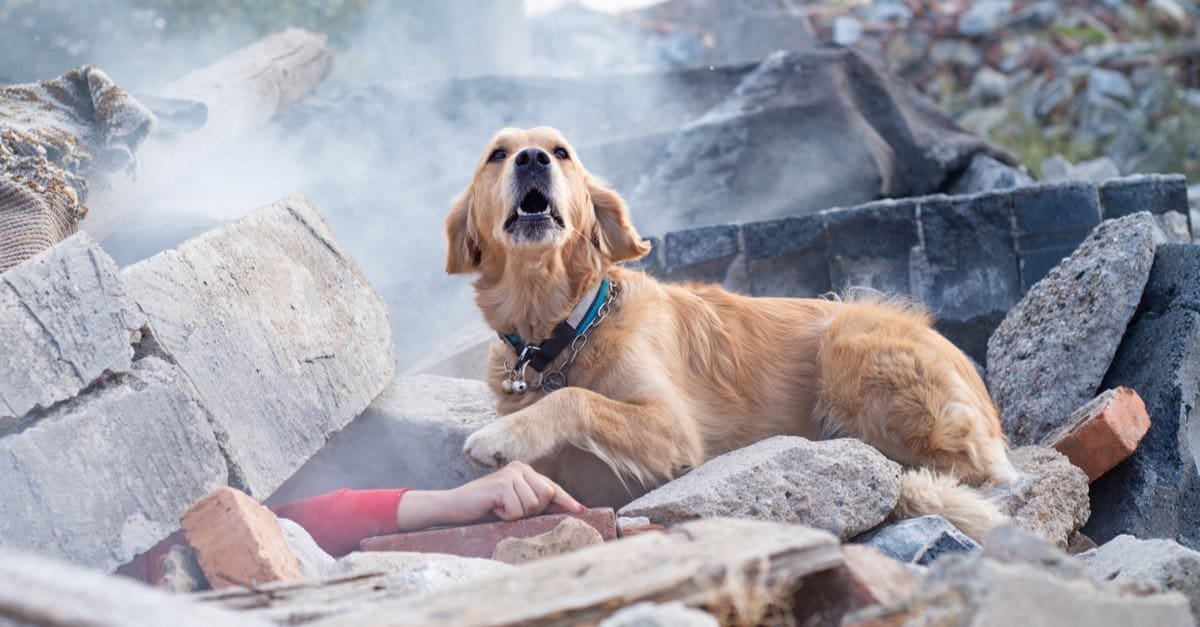
Dogs, horses, and even certain birds offer skills that machines cannot replicate. They pick up faint human scent, cross ground that vehicles cannot reach, and keep working long after human crews tire. Their natural endurance and sharp senses allow them to spot clues that might otherwise go unnoticed.
Dogs in Search and Rescue Operations
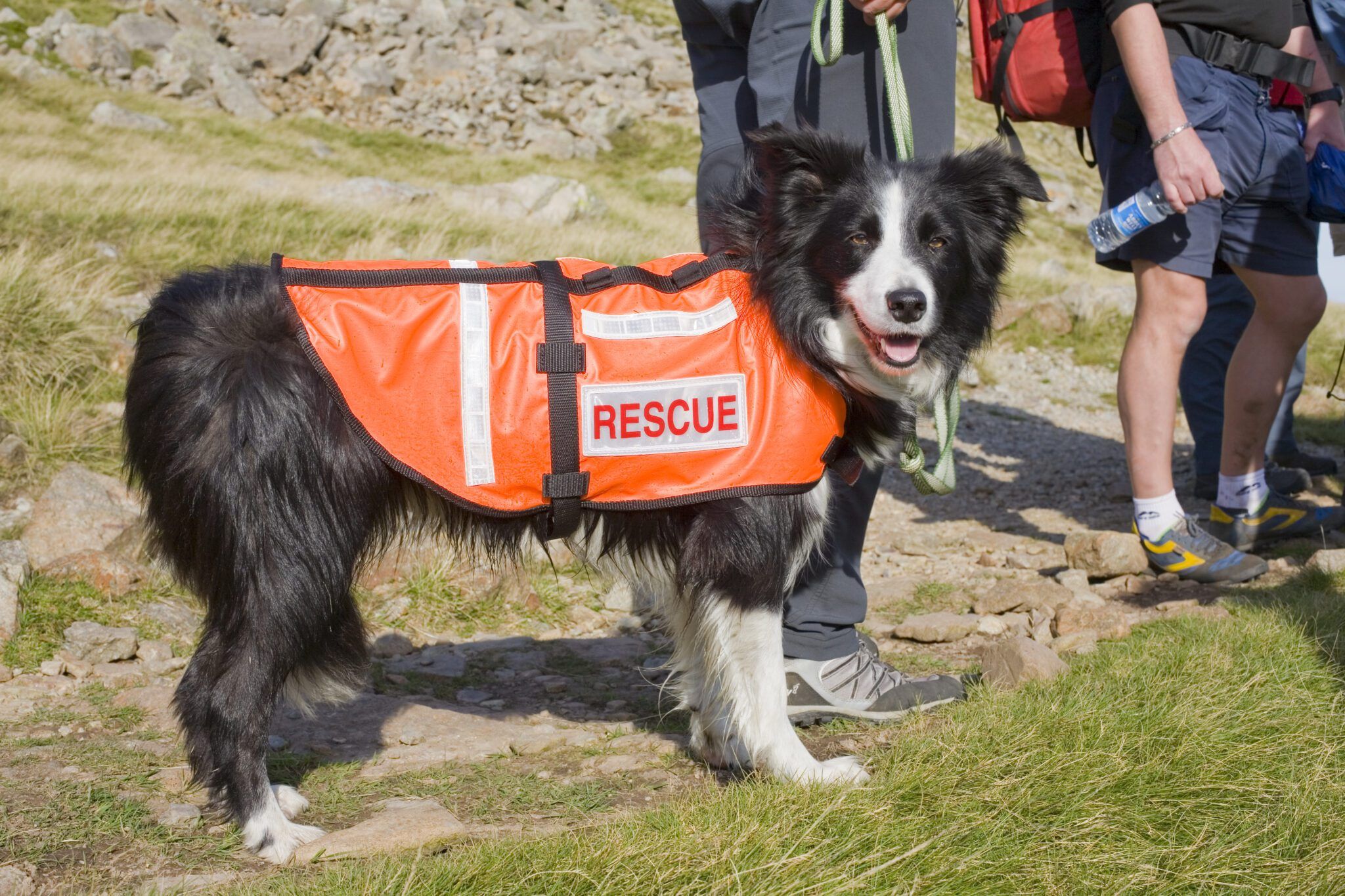
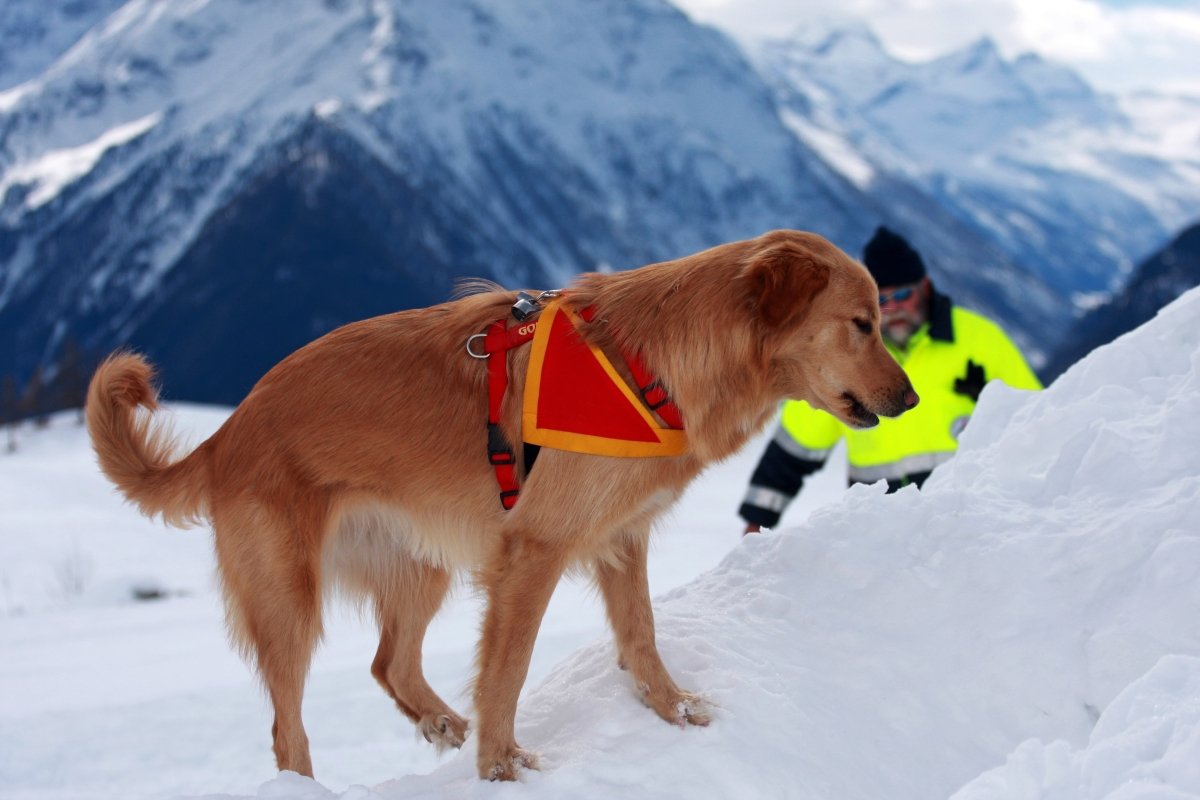
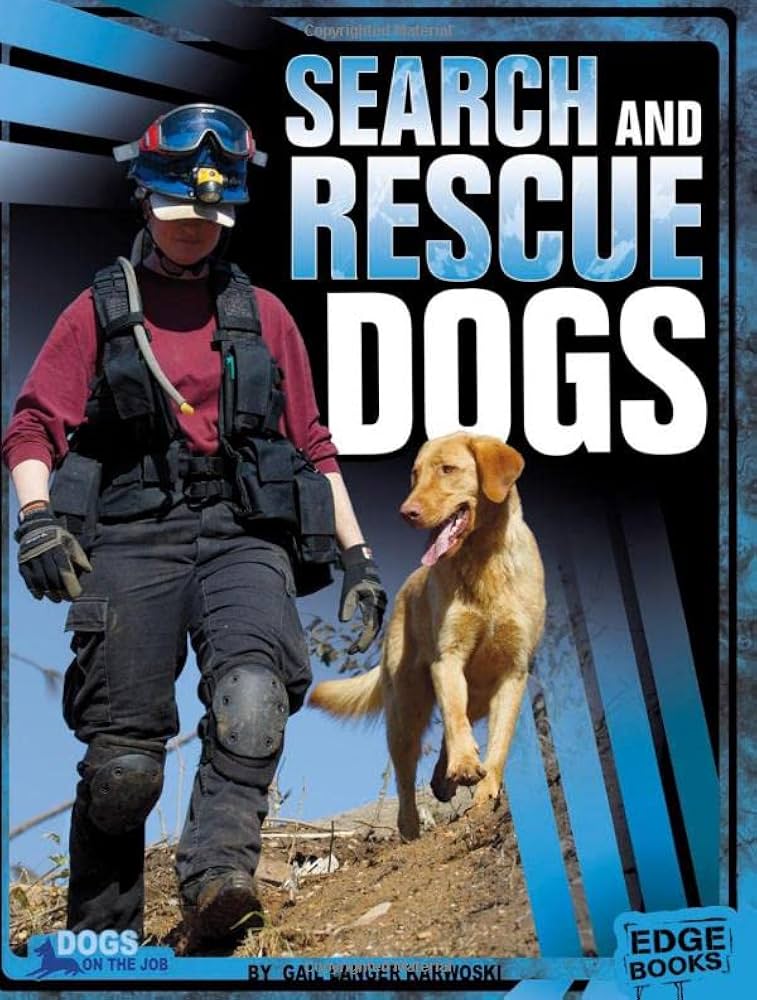
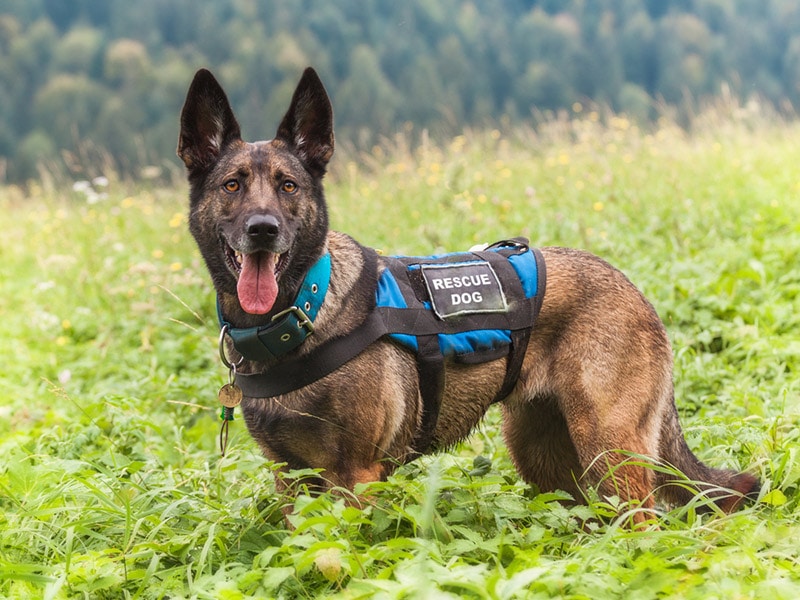
Canines remain the most widely used partners because of their powerful noses and steady focus. Whether the task involves tracking a lost hiker, sweeping a wide forest, or locating traces of someone trapped beneath rubble, trained dogs adapt quickly to each scenario.
Trailing Dogs
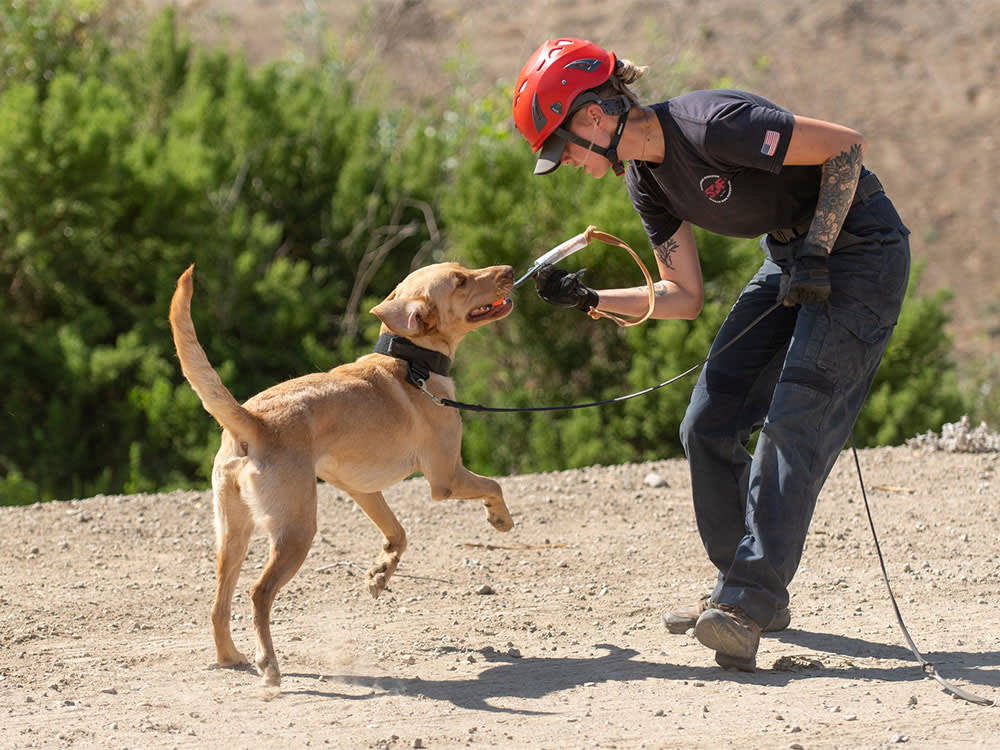
These dogs specialize in following the unique scent trail left by an individual. Even when days have passed or rain has fallen, they can stay on track and guide handlers toward the missing person.
:strip_icc()/GettyImages-925055236-668d483de2fd4a92bbfa457232b03c81.jpg)
Area Search Dogs
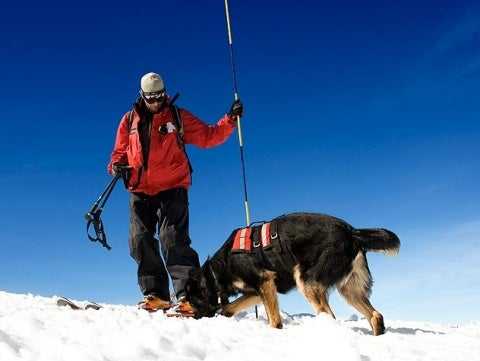
Rather than follow one scent, these dogs range across a defined zone and alert handlers to any human presence. Their speed makes them ideal for covering open parks, mountainsides, or neighborhoods where time is critical.
Human Remains Detection Dogs
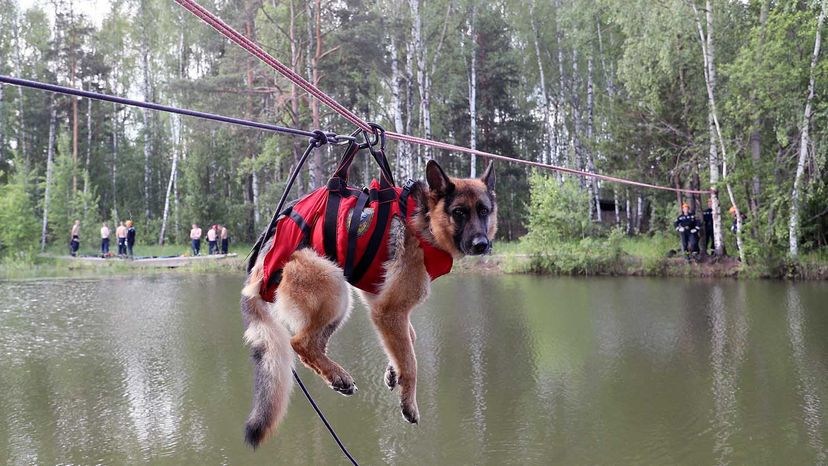
When hope turns to recovery, these calm, focused animals can locate minute scent particles that indicate where someone may be found, helping bring closure to families and vital information to investigators.
Horses in Search and Rescue Operations
The height, strength, and sure-footedness of horses let riders scan wide terrain while carrying radios, first-aid kits, and extra supplies. Their steady pace also allows dogs to rest between intensive searches.
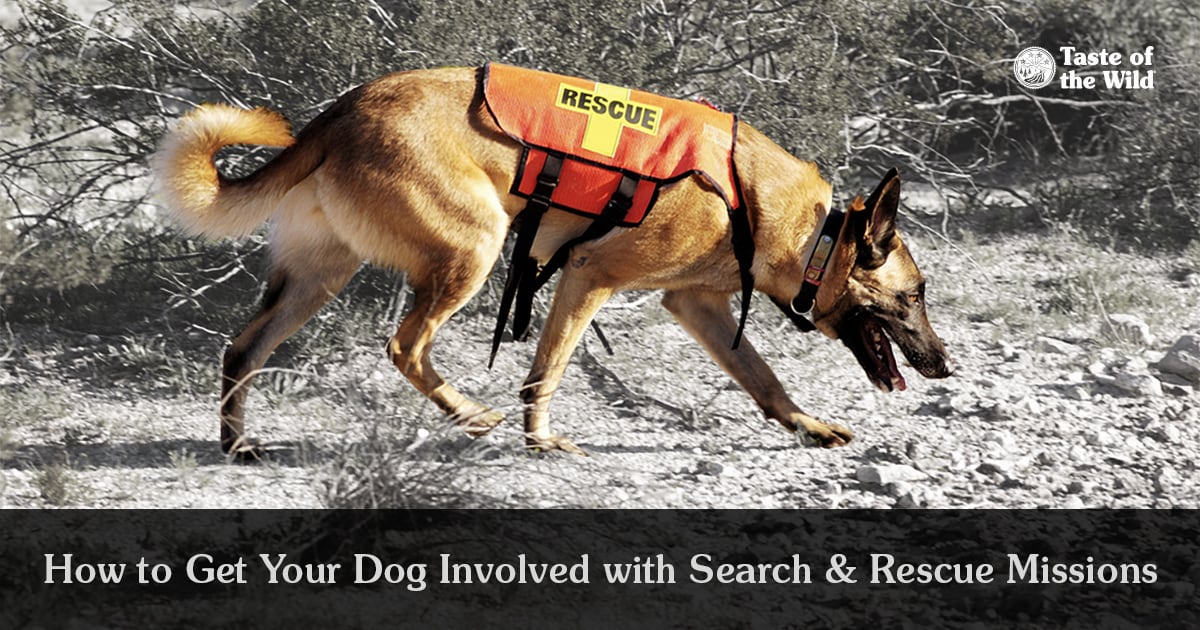
Horseback Search Teams
Mounted volunteers can travel trails, riverbeds, and meadows faster than foot teams, giving incident commanders broader coverage without the noise that can mask calls for help.
Search and Rescue Dogs on Horseback
Some units combine both assets: a dog rides with the searcher, then dismounts to work scent problems in areas too rugged for vehicles, saving energy for the critical moment when a clue is found.
Birds in Search and Rescue Operations
Raptors trained for falconry have been tested as aerial spotters. From high above, their keen eyes can pick out bright clothing or reflective gear hidden beneath tree canopy, guiding ground teams to the right grid square.
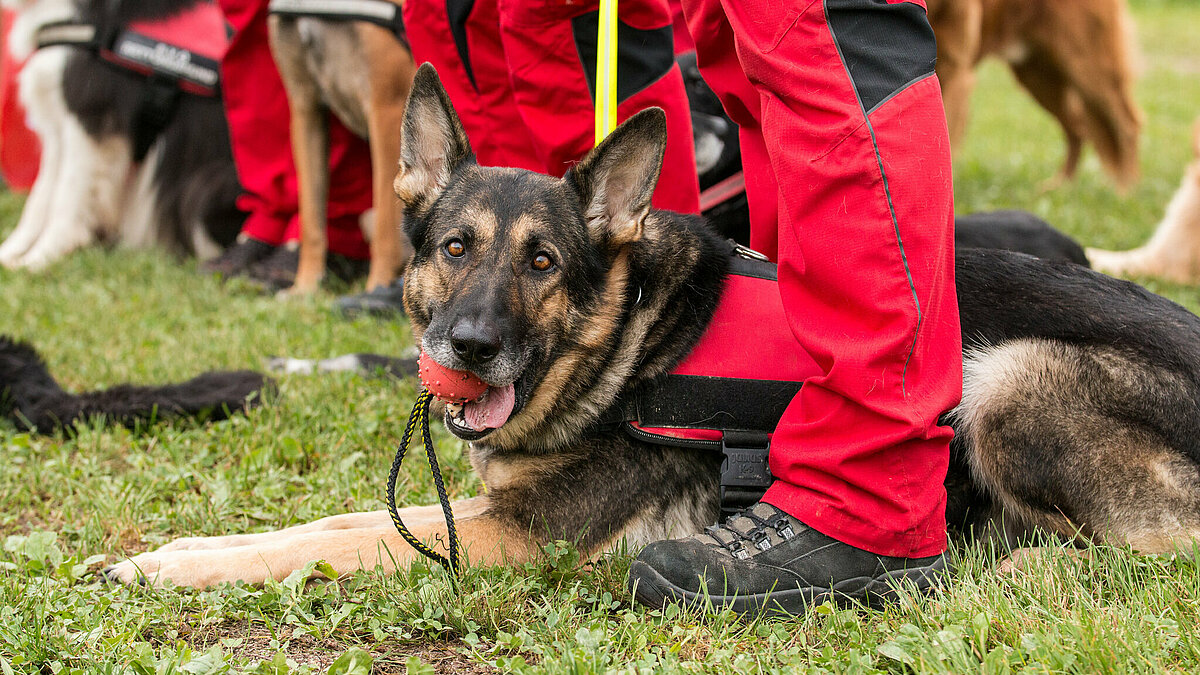
Bird Search Teams
Handlers fly these birds in systematic patterns, using GPS to log every sector the bird surveys. While still experimental, the method adds another layer of coverage without risking human flight crews in poor weather.
Benefits of Using Search and Rescue Animals
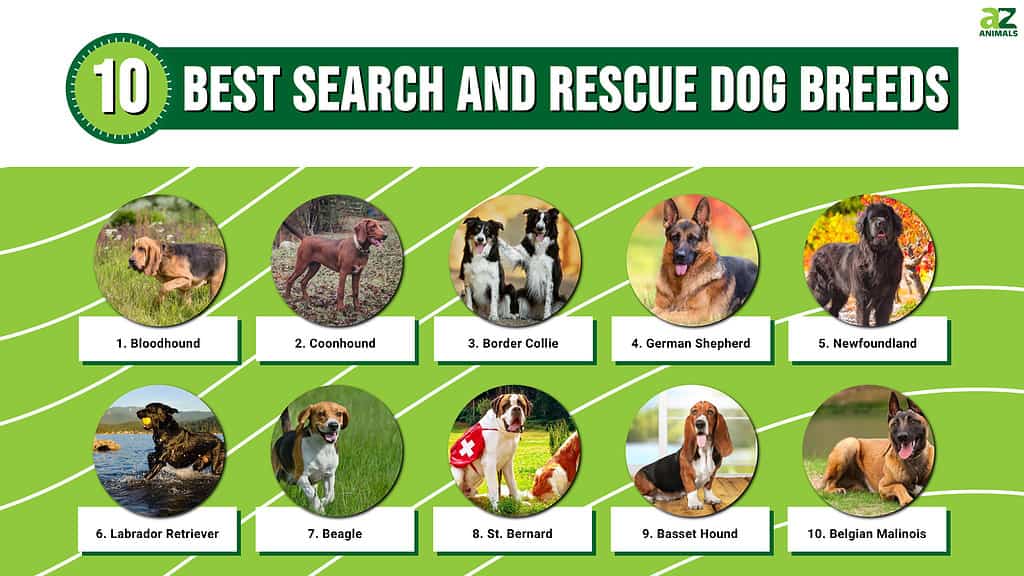
Integrating animals into response plans offers clear advantages:
Increased Efficiency
A single dog can check a hillside in the time it takes a line of people to walk half the distance, shaving hours off the search and improving survival odds.
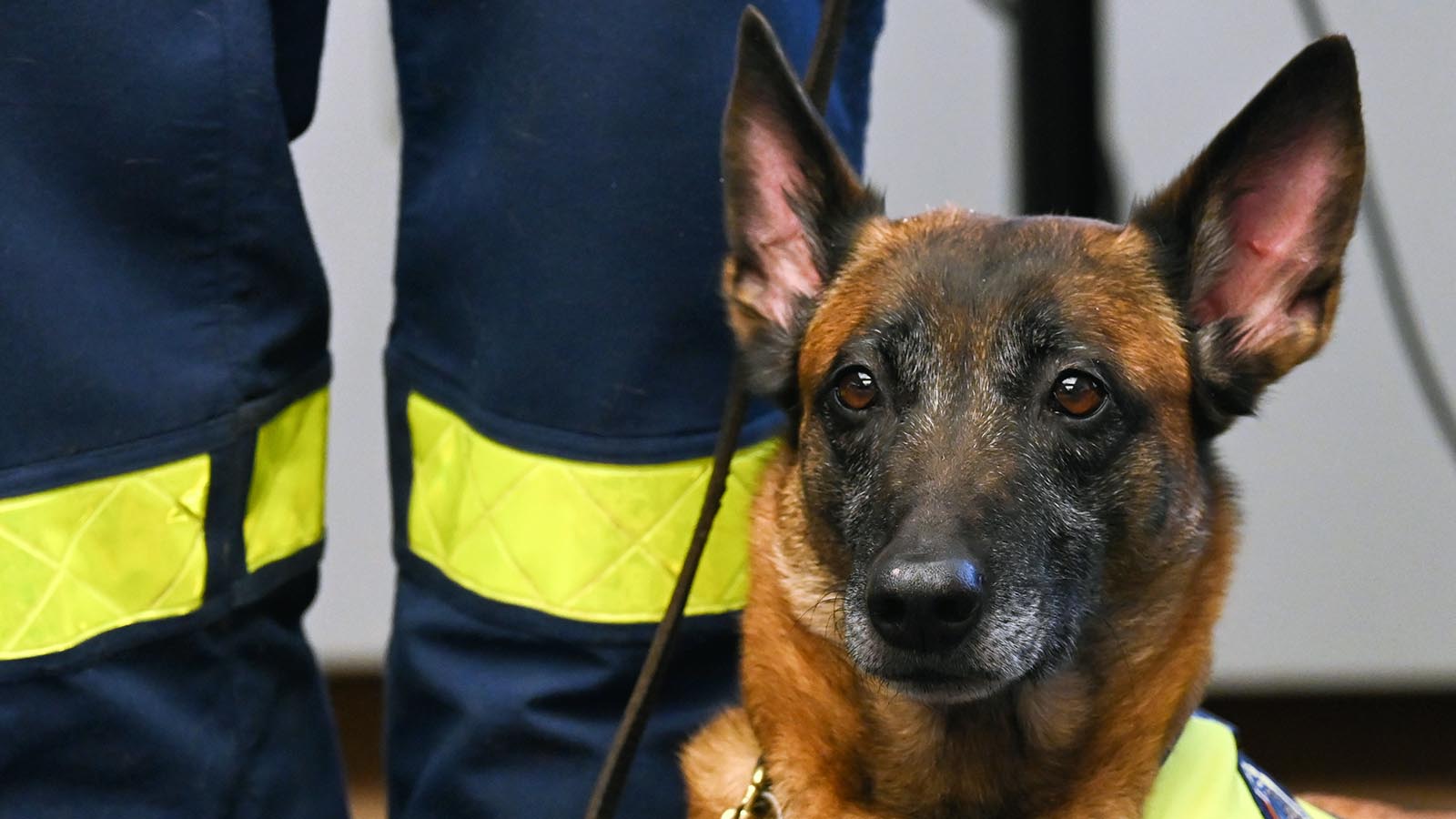
Enhanced Detection Capabilities
Scent particles measured in parts per trillion are within a dog’s reach, while a horse’s elevated vantage point can reveal tracks invisible from ground level.
Reduced Risk to Human Search Teams
Animals can enter unstable buildings or swift water first, giving responders critical information before committing personnel.
Emotional Support
The presence of a calm animal comforts both rescuers working long shifts and victims awaiting help, lowering stress and keeping morale steady.
Challenges and Considerations
Success depends on addressing several ongoing issues:
Training and Certification
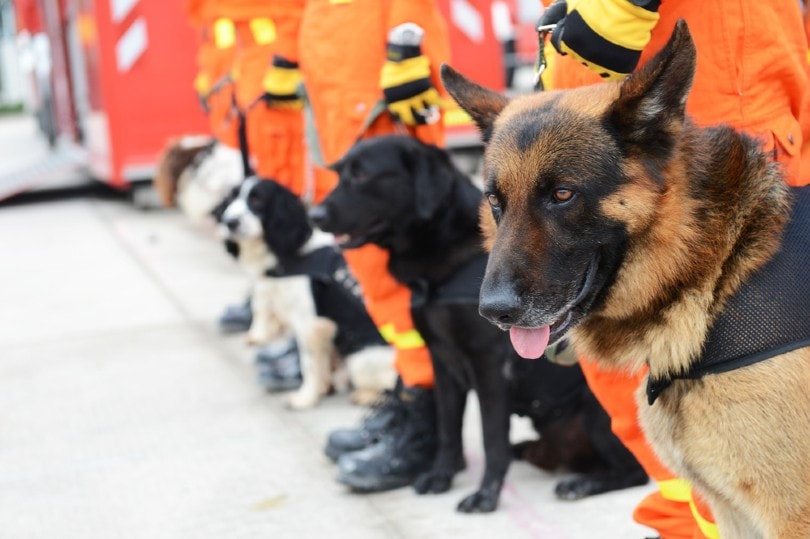
Handlers and animals must meet rigorous standards repeated throughout the year. Courses, travel, and equipment place demands on volunteers who often fund their own programs.
Animal Welfare
Teams must balance urgency with rest, hydration, and medical care. Overwork in extreme heat or cold can end an animal’s career and place the mission at risk.
Environmental Factors
Shifting wind, thick smoke, or noisy machinery can mask scent; deep mud or ice can injure horses. Incident planners integrate real-time weather and terrain data to deploy the right mix of resources.
Conclusion
From wilderness trails to urban disaster zones, search and rescue animals extend human capability when every minute counts. Continued investment in ethical training, science-based protocols, and handler education will keep these four-legged and winged partners ready for the next call, ensuring that communities remain resilient in the face of emergencies.