How Much Do Rabbits Cost at a Pet Store: A Friendly Overview
Introduction
Many future pet parents wonder what they should budget before bringing home a rabbit. Large pet-store chains regularly partner with local shelters to showcase adoptable bunnies, and prices can differ for many reasons. This overview walks you through the main factors that shape adoption fees, the kinds of rabbits you are likely to meet, and why it pays to plan for the lifetime costs of rabbit care.

Factors That Shape Rabbit Adoption Fees
1. Breed and Age
Some coat patterns or body types—such as lop ears or long angora wool—tend to command higher donations than more common short-haired mixes. Babies also usually carry a higher fee because they need extra health checks and spay/neuter before placement.
2. Health and Temperament
Rabbits that arrive already examined by a vet, treated for parasites, and socialized with people are a bit pricier. The extra fee helps the rescue recoup medical costs and rewards careful pre-adoption care.

2. Location
Adoption donations often reflect the local cost of living. Stores in busy city centers may request a higher amount than those in quieter towns, simply because rent, wages, and transport are more expensive there.
Popular Rabbit Types You Might Meet
1. Everyday Breeds
Look out for friendly, medium-sized rabbits such as Dutch markings, spotted “English” patterns, or small dwarf mixes. These companions adapt well to family life and usually need only basic grooming.
2. Fancy Breeds
If you prefer a stand-out look, you may see plush-coated Angoras, giant French Lops, or tiny Holland Lops. Their striking appearance is fun, but be ready for daily brushing and larger feed bills.
3. Lovable Mixes
Many shelter rabbits combine two or more breeds. Mixed-bunnies can surprise you with unique colors and mellow personalities, and they often benefit from hybrid vigor.
Why Lifetime Costs Matter Most
Even if the upfront adoption donation feels small, a rabbit can share your home for 8–12 years. Food, litter, and vet visits quickly outstrip the initial fee, so plan ahead.
1. Veterinary Care
Annual wellness exams, emergency treatments, and possible teeth trims add up. Set aside a monthly “bunny buffer” so you never have to delay care.
2. Diet and Nutrition
Fresh hay should make up the bulk of every meal, plus leafy greens and measured pellets. Quality produce and occasional herbs keep the menu interesting without emptying your wallet.
3. Housing and Enrichment
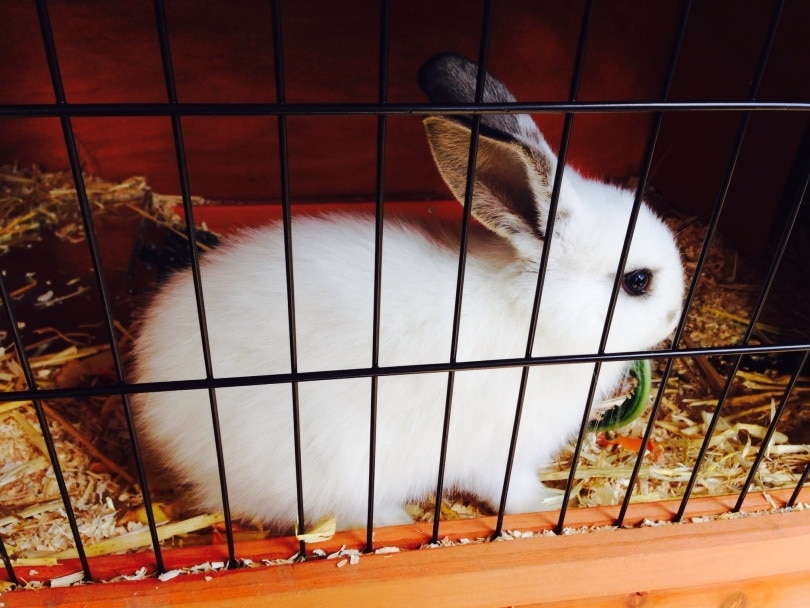
A roomy exercise pen, litter boxes, safe chew toys, and cozy hides are essentials. Buying durable items once beats replacing cheap gear every few months.
Conclusion
Adoption fees vary with breed, age, health, and region, yet they are only the opening chapter of the story. When you budget for long-term food, medical care, and enrichment, you give your new rabbit—and yourself—the best chance at a happy, stress-free life together.
As more people discover how rewarding rabbits can be, understanding the full commitment becomes even more important. Weigh the factors above, talk to shelter staff, and walk in ready for a decade of gentle nose bumps and binkies.
Helpful Next Steps
Ask the adoption counselor for a printed care sheet that lists typical yearly costs. Many rescues also offer post-adoption support lines or partner vets—use them.

If you enjoy data, keep a simple log of your own rabbit’s health, diet, and behavior. Sharing those notes with veterinarians or online forums can improve welfare standards for every bunny yet to be adopted.