Title: The Corgi-Husky Blend: What Shapes the Cost of This Playful Crossbreed
Introduction:
Crossing the short-legged Pembroke Welsh Corgi with the athletic Siberian Husky produces an eye-catching companion often nicknamed the “Horgi.” As demand for this spirited mix grows, so does curiosity about its price tag. Several variables—from breeder practices to regional demand—cause quotes to swing widely. This overview unpacks the main cost drivers so future owners can budget wisely and focus on finding a healthy, well-socialized pup.
Understanding the Corgi-Husky Cross
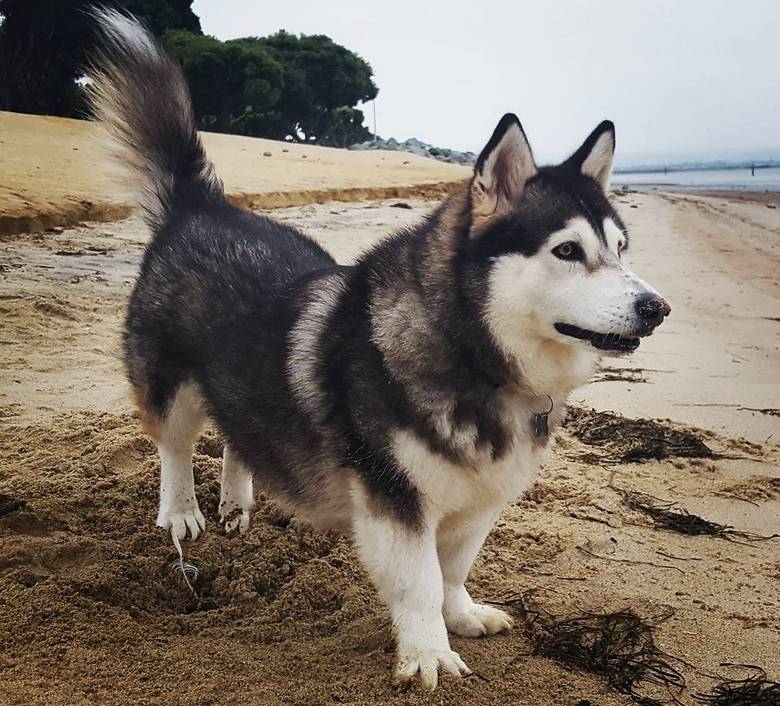
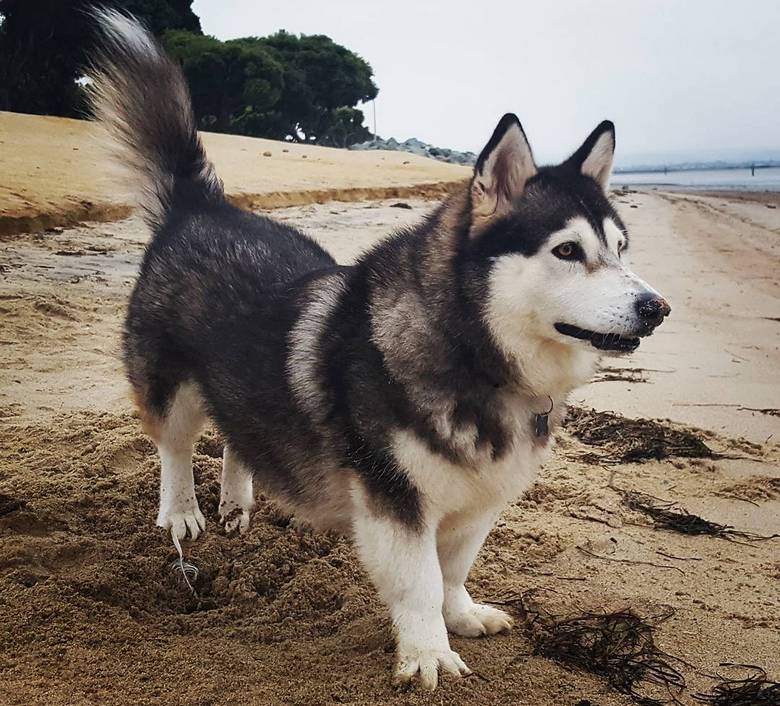
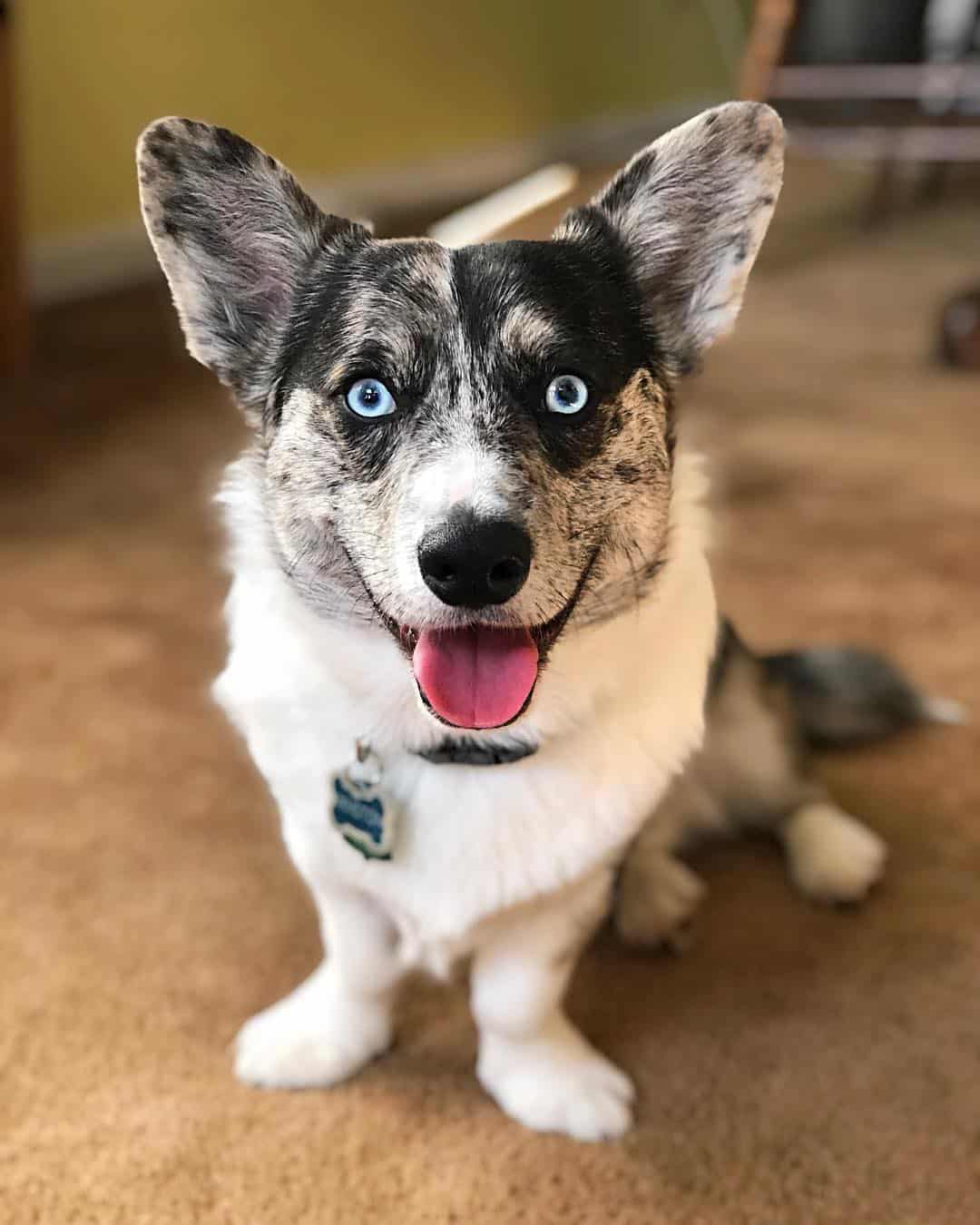
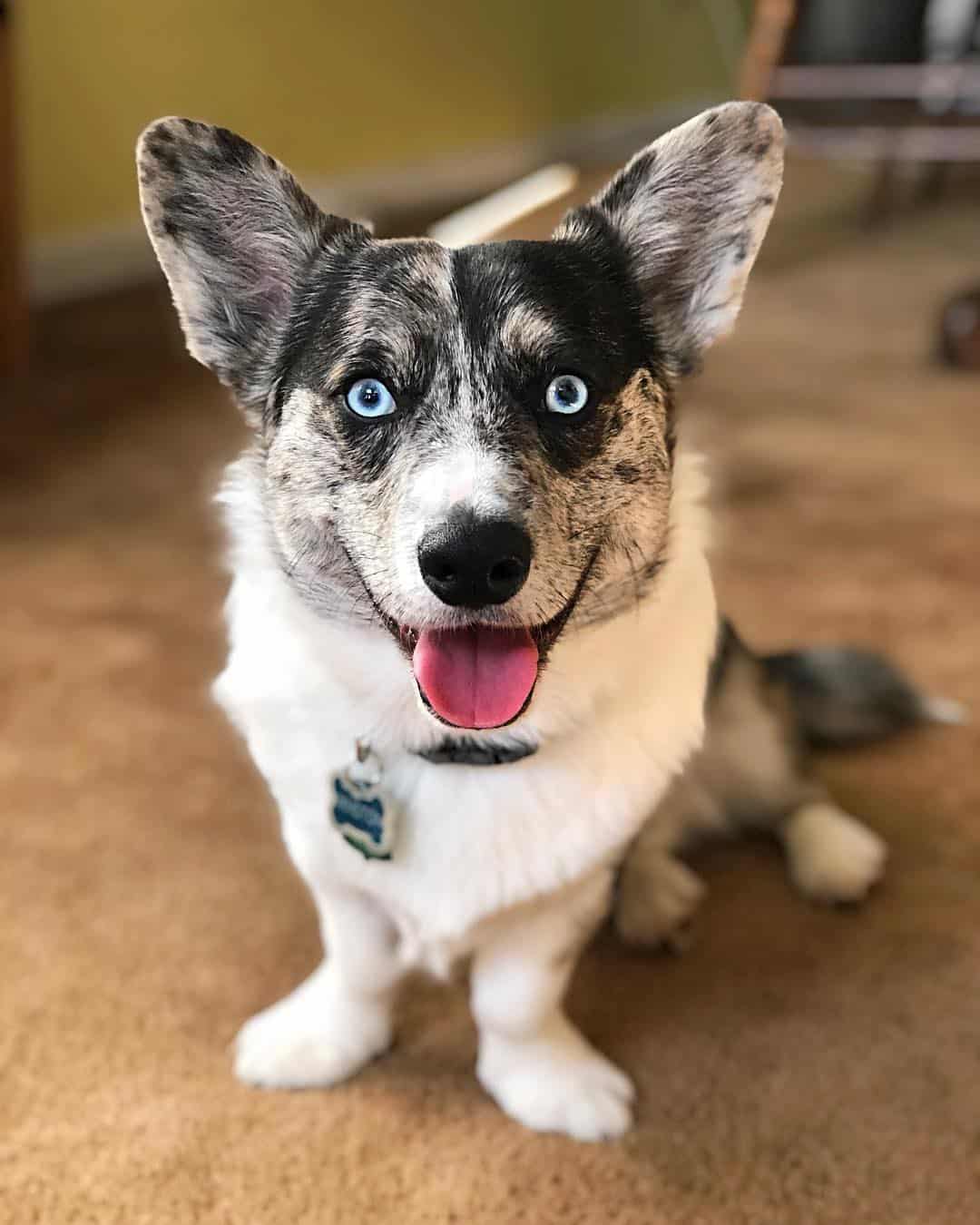
The blend unites two storied working breeds: the sturdy herding Corgi and the endurance-oriented Husky. Offspring usually inherit the Corgi’s long body and the Husky’s striking mask-and-saddle markings, wrapped in a medium-length double coat. Temperament tends to be alert, affectionate, and energetic, making the dog best suited to active households that can provide daily exercise and mental stimulation.
Key Factors That Shape Price
Quotes for a Horgi puppy can differ by hundreds—or even thousands—of dollars. Below are the elements most breeders weigh when setting a fee:
1. Breeder Standards: Ethical breeders who raise litters indoors, perform health screenings, and offer written guarantees typically charge more than casual sellers. The higher fee helps cover veterinary checks, quality food, and early socialization.
2. Ancestry & Documentation: Pups whose parents have completed conformation or temperament titles, or who come with three-generation pedigrees, often command premium prices. Clear lineage also gives buyers insight into likely adult size and coat type.
3. Age at Placement: Eight- to twelve-week-old puppies are usually priced highest because most families prefer to train and bond from an early age. Adolescent or young adults may cost less while still offering many years of companionship.
4. Health Screenings: Breeders who test hips, eyes, and DNA panels for breed-relevant conditions pass those costs along, but the upfront expense can save owners from costly surprises later.
5. Regional Demand: Urban areas with limited space for larger breeds sometimes see higher prices for compact yet lively mixes. Conversely, rural regions with more litters available may post lower asking amounts.
How the Horgi Compares to Other Popular Mixes
In the spectrum of designer dogs, the Horgi sits in the mid-to-upper price bracket—typically below purebred show-line Huskies or Corgis yet above many common crosses. While exact figures fluctuate, buyers should expect to set aside funds comparable to other well-bred medium-sized hybrids. Remember, purchase price is only the first expense; quality food, routine vet care, training, and pet insurance deserve equal room in the budget.
It is wise to weigh temperament, energy level, and grooming needs alongside cost. A cheaper pup from an unverified source can lead to higher long-term bills if health or behavior issues emerge.
Conclusion
Bringing home a Corgi-Husky mix means balancing upfront cost against lifetime value. Prioritizing transparent breeders who invest in health testing and early enrichment usually yields a confident, resilient companion. By researching lineage, asking for veterinary records, and calculating ongoing care expenses, prospective owners can welcome a vibrant, fox-faced friend without surprises—financial or otherwise.
Whether attracted by the breed’s playful antics or its striking looks, families prepared for daily walks, training sessions, and seasonal shedding will find the Horgi a rewarding addition. Plan responsibly, choose carefully, and enjoy the journey with this charming crossbreed.