The Impact of Dog Shelter Ads: A Comprehensive Analysis
Introduction
Animal shelters offer a second chance to dogs who have been lost, surrendered, or abandoned. Among the most powerful tools these organizations use to place pets in permanent homes is advertising. This article explores why shelter ads matter, how they influence adoption rates, and which techniques make them most persuasive. By reviewing key elements of successful campaigns, we can better understand how thoughtful promotion supports animal welfare.
The Role of Dog Shelter Ads
The Purpose of Dog Shelter Advertising
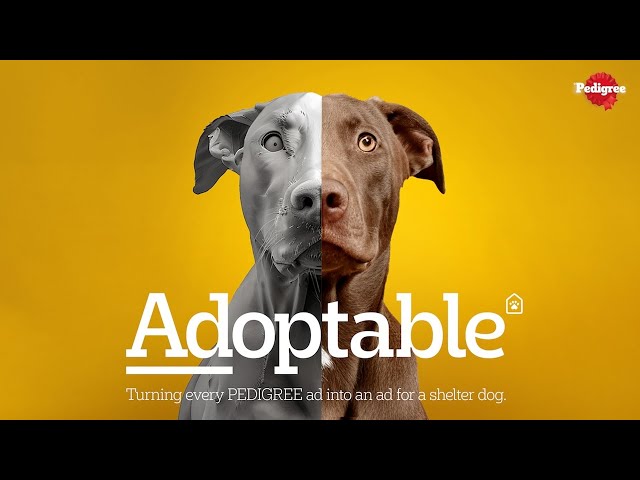
Shelter ads do more than announce available dogs. They educate the public about adoption as a compassionate alternative to buying from breeders, introduce viewers to each animal’s personality and needs, and motivate people to take the next step—whether that is browsing a website, sharing a post, or scheduling a visit.
The Importance of Effective Advertising
Clear, engaging messages can turn casual viewers into adopters, while vague or cluttered promotions are easily overlooked. Well-designed ads shorten shelter stays, free up resources, and, most importantly, place dogs in loving homes more quickly.
Strategies for Effective Dog Shelter Ads
Visual Appeal
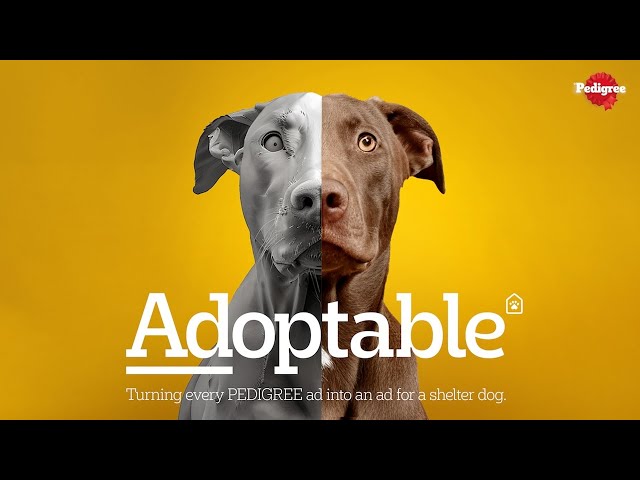
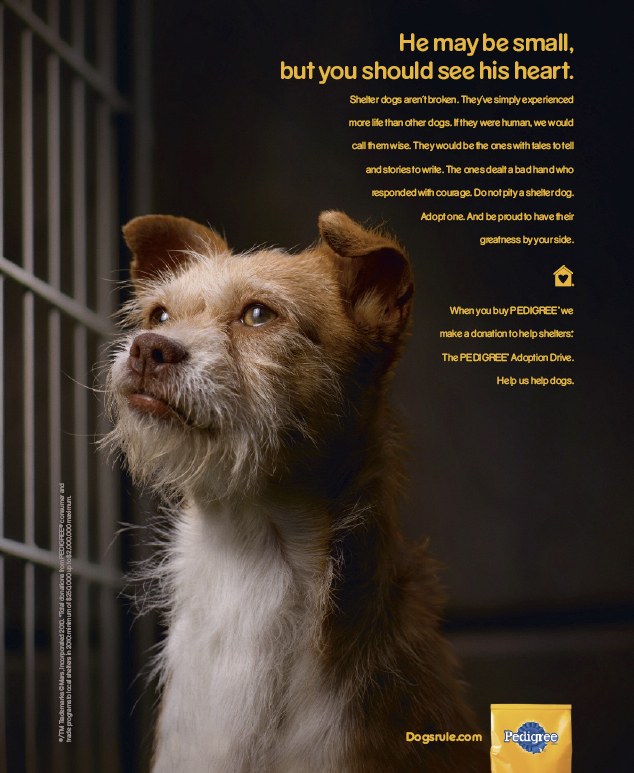
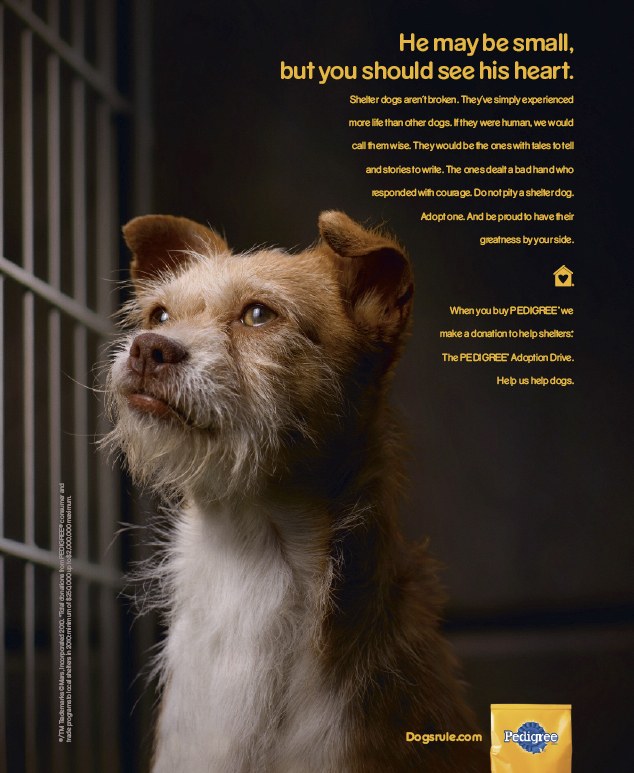
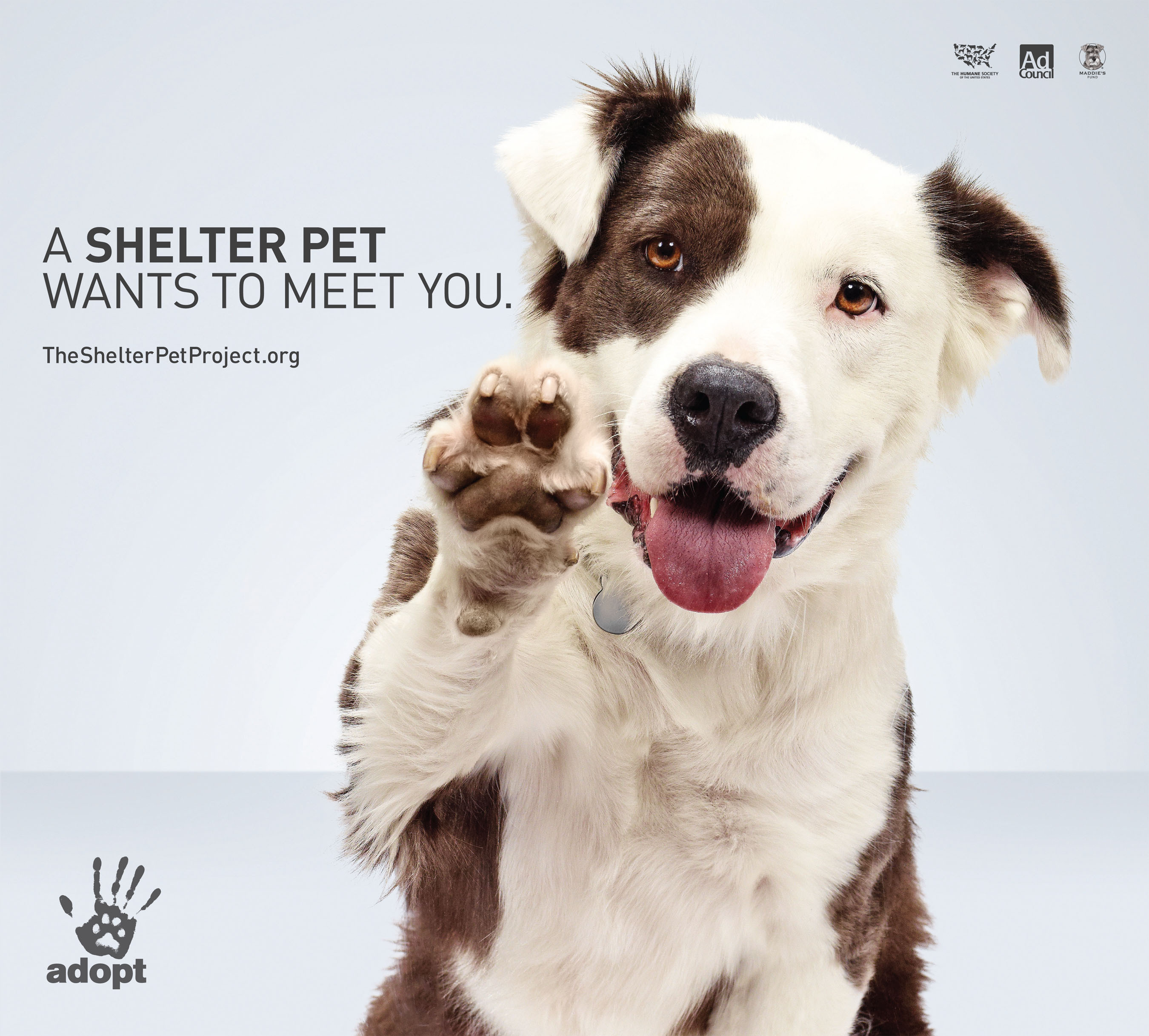
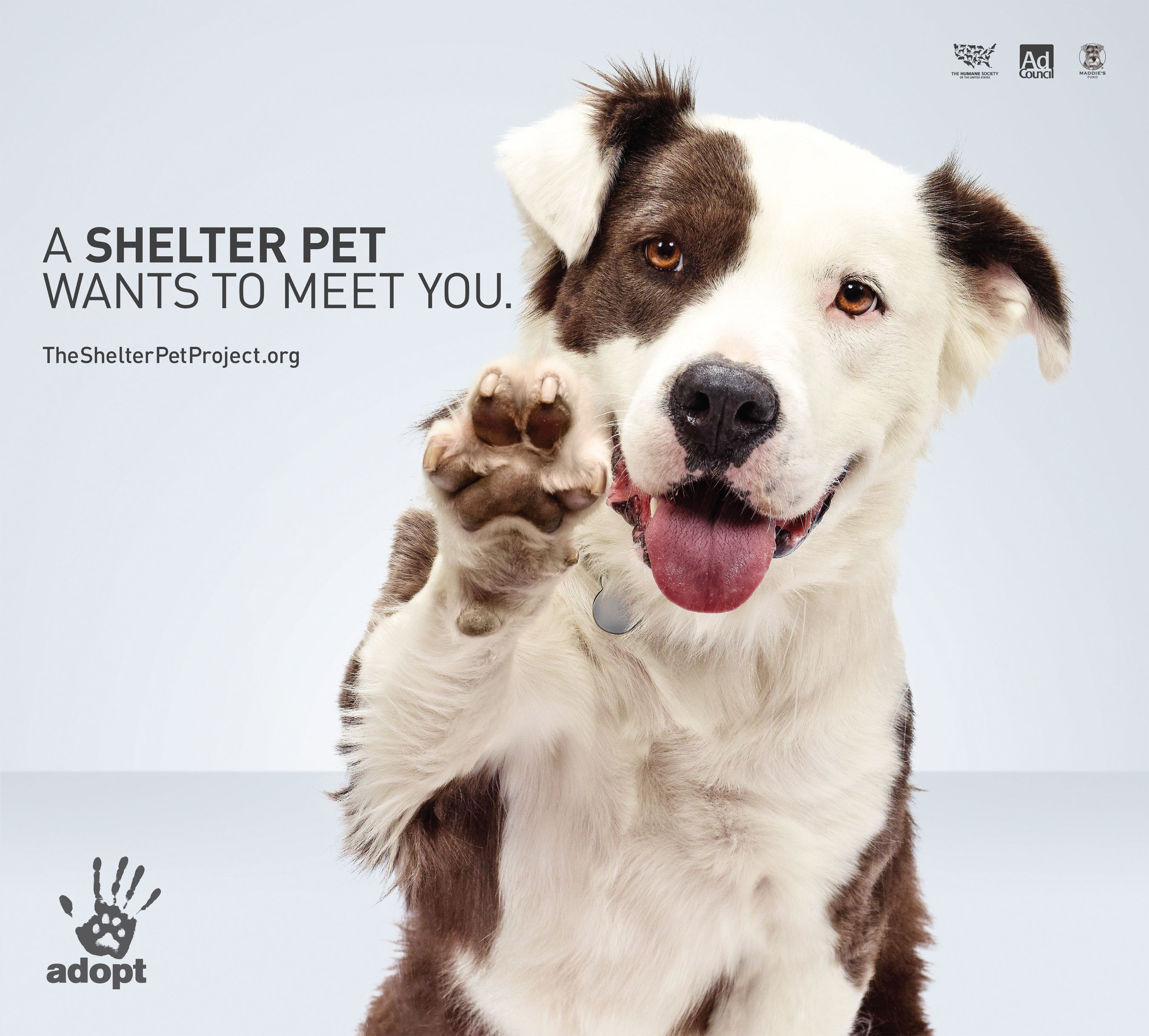
Bright, friendly photos that capture a dog’s true character draw immediate attention. Natural lighting, relaxed poses, and a tidy background help potential adopters picture the animal in their own lives.
Storytelling
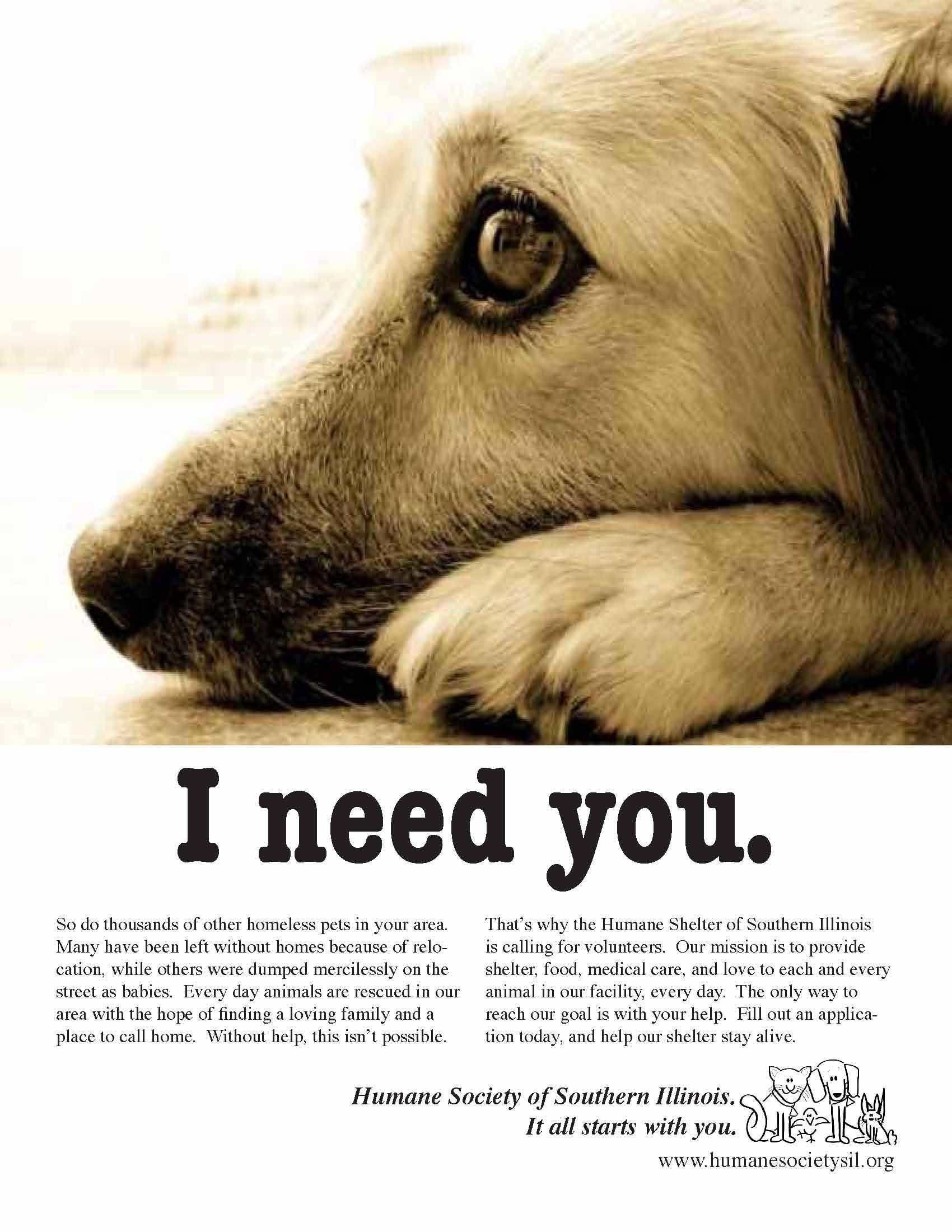
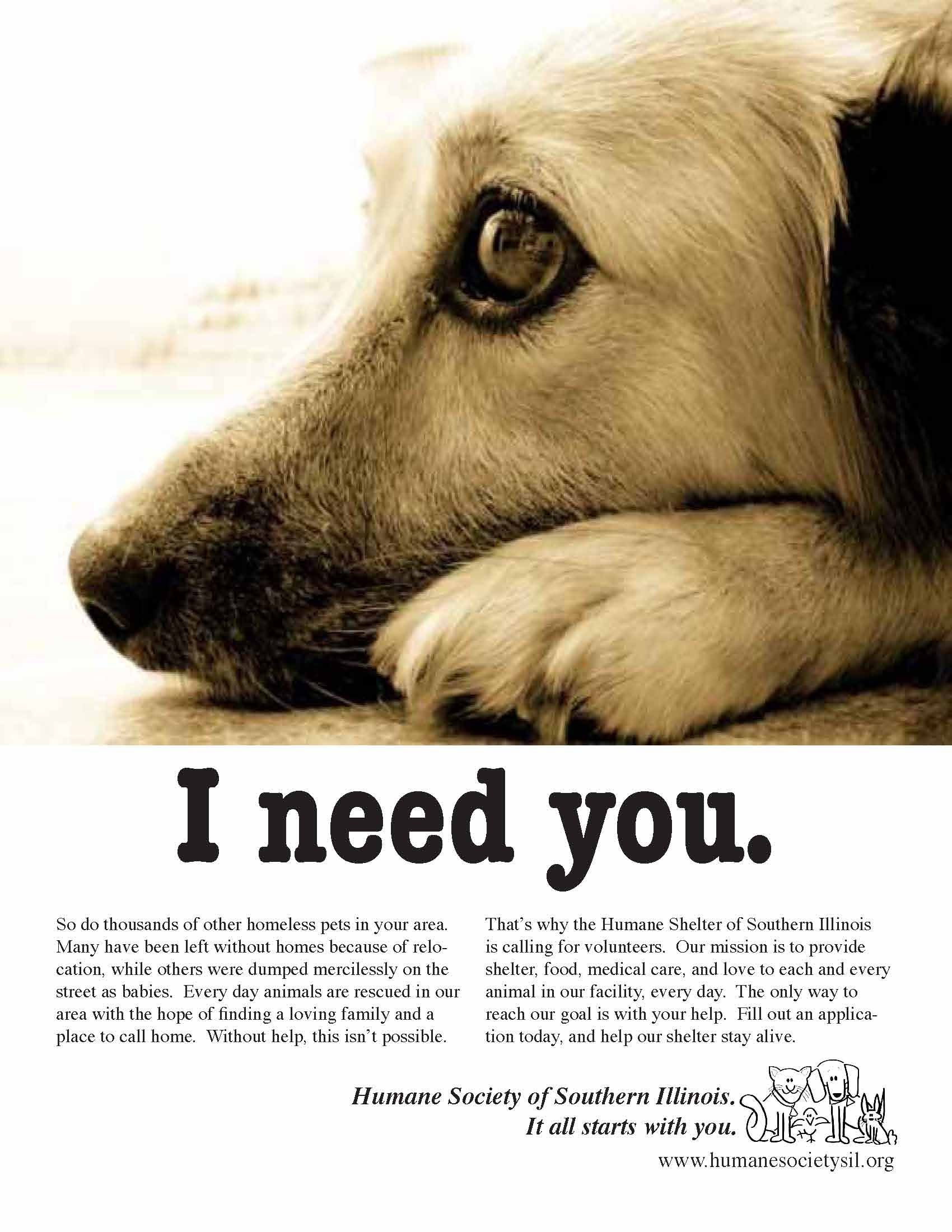
A short narrative—perhaps noting a dog’s favorite game or how they calm anxious children—creates an emotional bridge between the reader and the animal. Stories transform statistics into individuals worth meeting.
Call to Action
Every ad should end with a simple, specific next step: “Visit us this weekend,” “Tap to fill out an application,” or “Share to help me find my family.” Including brief quotes from happy adopters reinforces trust and urgency.
The Impact of Dog Shelter Ads on Adoption Rates
Increased Adoption Rates
Shelters that run consistent, creative campaigns often report noticeable jumps in adoptions. Eye-catching promotions attract a wider audience, converting interest into lifelong matches.
Reduced Shelter Populations
When more dogs leave through the front door with new families, space opens for incoming animals, easing overcrowding and reducing stress on both staff and pets.
Challenges and Solutions in Dog Shelter Advertising
Financial Constraints
Tight budgets need not silence a message. Free social media platforms, volunteer photographers, and cross-promotions with pet-friendly cafés or groomers can extend reach without heavy spending.
Public Perception
Some people still believe shelter dogs come with hidden problems. Counter this myth by highlighting success stories: therapy dogs, agility champions, and gentle couch companions who all began life in a kennel.
Conclusion
Thoughtful advertising accelerates adoptions, supports healthier shelter populations, and gives countless dogs the fresh start they deserve. By continually refining images, stories, and calls to action, shelters can strengthen the human-animal bond and build more humane communities.
Recommendations and Future Research
To further enhance the effectiveness of dog shelter ads, the following recommendations are proposed:
1. Provide staff and volunteers with regular workshops on photography and narrative writing.
2. Partner with local radio stations, newspapers, and influencers to spotlight adoptable pets.
3. Track each campaign’s performance—likes, shares, applications—to learn what resonates.
Future research should focus on the following areas:
1. Long-term trends in adoption rates linked to sustained marketing efforts.
2. Comparative success of print, broadcast, and digital platforms across different regions.
3. Emerging tools such as virtual meet-and-greets or interactive story maps that could deepen engagement.
:max_bytes(150000):strip_icc()/Eddie-3a211f1aa6a54a908d0a5a6db50adf7a.jpeg)