Title: The Miniature American Shepherd: A Friendly Guide
Introduction:
The Miniature American Shepherd, often called the “mini shepherd,” has become a favorite companion across the country. This overview explores the breed’s background, looks, personality, and the many ways it fits into active households. By the end, you’ll see why this small, bright dog wins hearts wherever it goes.
Origin and History
The mini shepherd began as a downsized version of the Australian Shepherd. Dedicated breeders spent years selecting for smaller size while keeping the original herding talent and color palette. The effort paid off: the breed gained full recognition as the Miniature American Shepherd and quickly found fans on farms, in suburbs, and at dog sports venues nationwide.
Early breeding programs focused on agility, trainability, and a portable size that could still work stock or hike trails. By crossing the most compact Aussies with one another—and carefully testing for health and temperament—breeders produced a dog that stands about knee-high yet keeps the classic herding brain and beauty.
Physical Characteristics
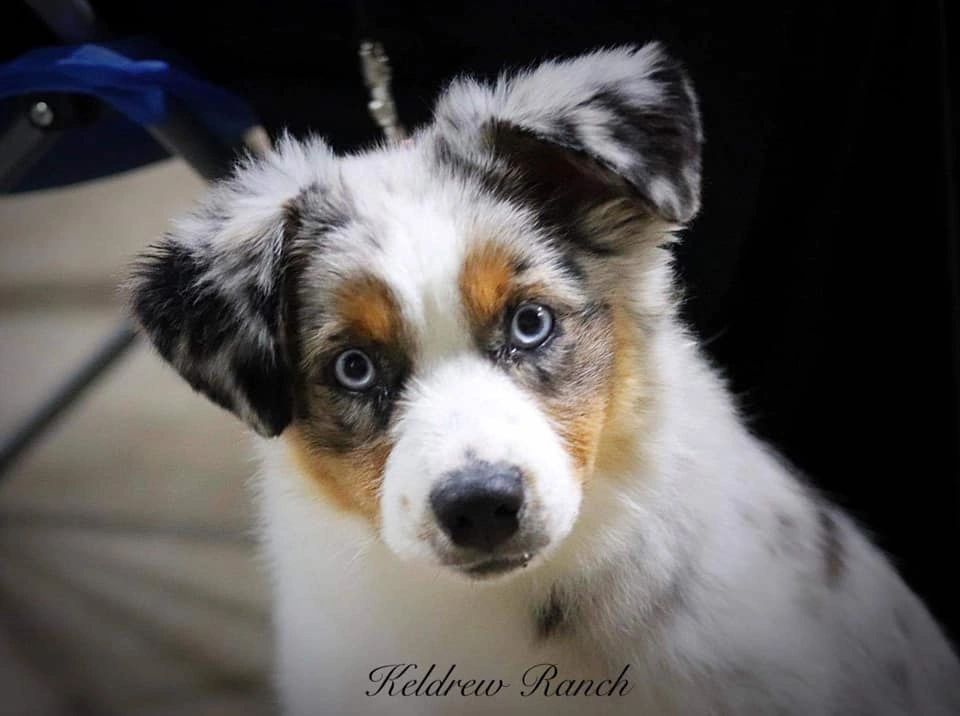
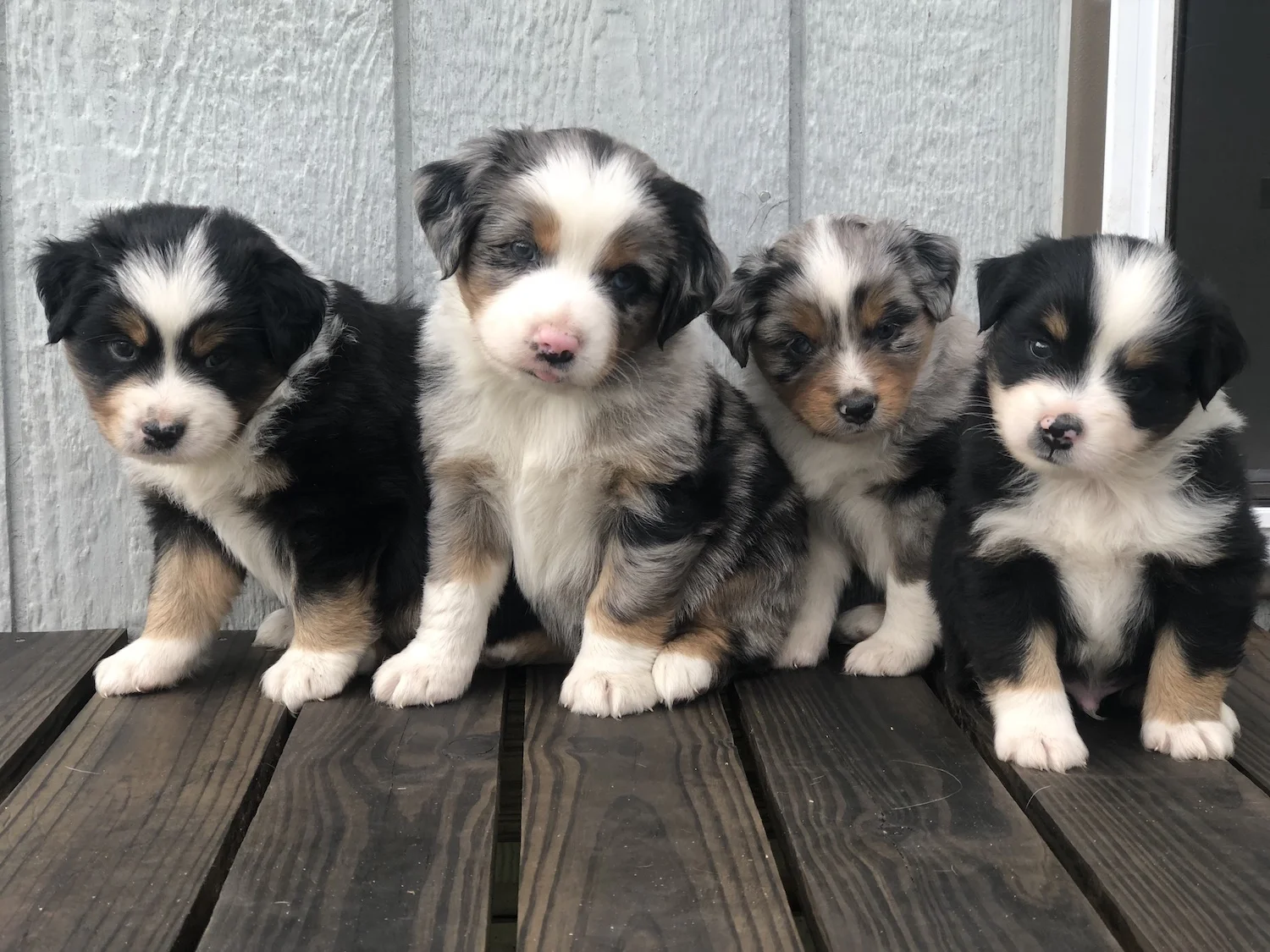
Most adults weigh 20–40 lb and stand 14–18 in at the shoulder. The double coat can be straight or slightly wavy and comes in black, blue merle, red, red merle, and any of these shades paired with white or tan accents. Bright, almond-shaped eyes—often marbled or split-colored—give the breed its trademark “look of the owl.”
Despite the smaller frame, the dog is all athlete: balanced angulation, strong rear drive, and quick reflexes make it a natural at agility, flyball, and disc games. The medium coat is surprisingly weather-resistant, so weekend hikes or rainy farm chores rarely slow them down.
Temperament and Behavior
Expect a cheerful, people-oriented partner who learns new cues after only a few repetitions. Mini shepherds thrive on structure and praise; left to their own devices, they may invent jobs such as reorganizing the shoe rack or gently herding toddlers. Daily mental exercise—tricks, scent games, or rally obedience—prevents boredom and channels their instinct to work.
They bond deeply with family and can be reserved with strangers at first, but early socialization produces a confident, polite adult. Most get along with other pets when raised together and appreciate a consistent routine that includes both playtime and quiet cuddles on the sofa.
Role in Modern Life
From therapy visits at local schools to weekend agility trials, the breed’s versatility shines. Owners report success in search-and-rescue training, scent-work, and even dock diving. On small hobby farms, mini shepherds happily move poultry or goats without the overwhelming power of larger herders.
In urban settings, their portable size makes them excellent jogging or apartment companions provided they receive brisk walks and brain games. Many participate in reading-to-dogs programs, bringing smiles to children who need a gentle, non-judgmental listener.
Health and Care
Responsible breeders screen for hip dysplasia, inherited eye disorders, and certain cardiac conditions. A balanced diet, regular exercise, and annual vet exams keep most individuals healthy well into their teens. Weekly brushing keeps the coat mat-free; during seasonal sheds, a thorough comb-out every few days speeds up the process.
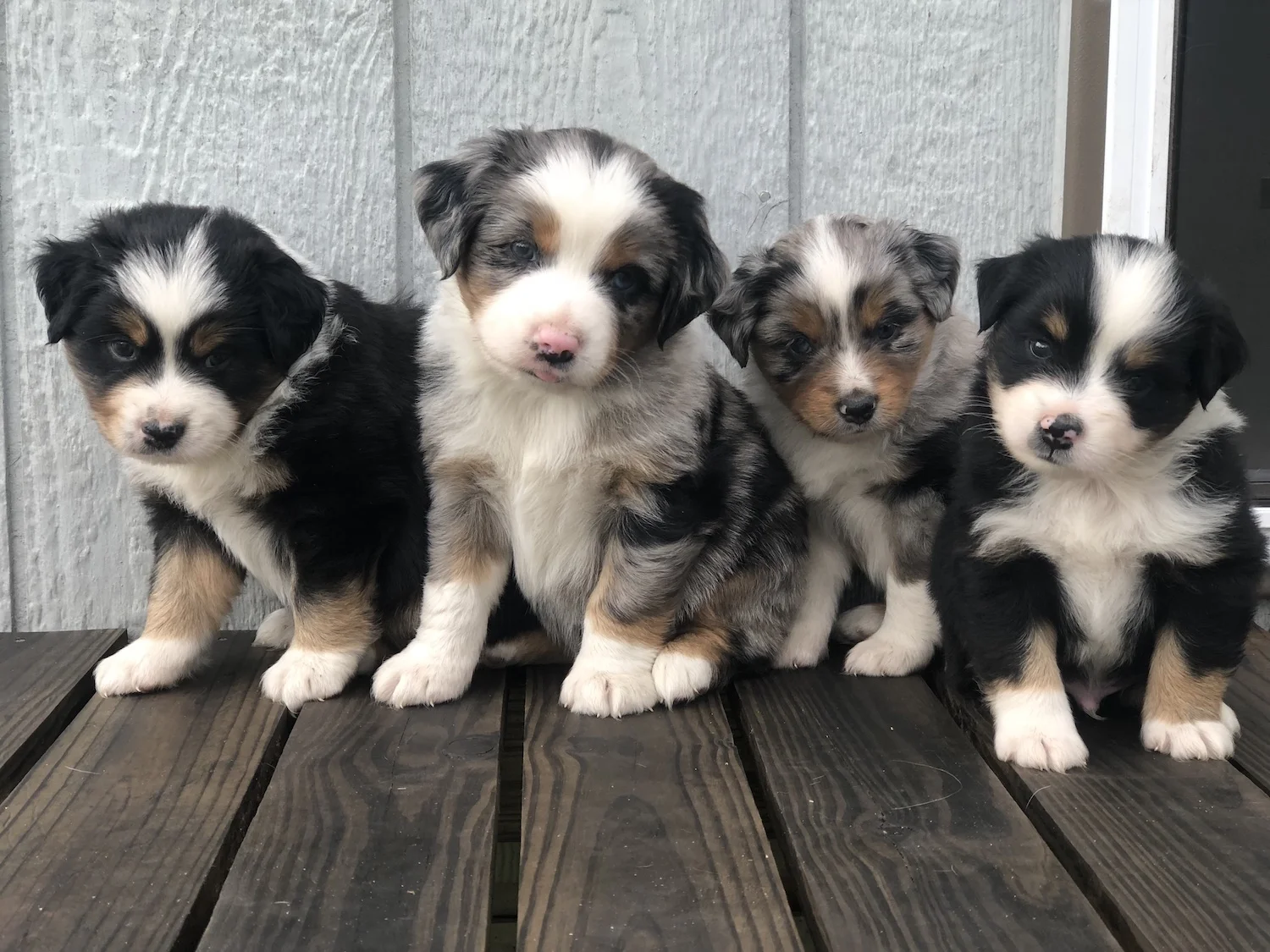
Trim nails monthly, clean ears after swims, and brush teeth several times a week. Because they crave activity, plan on at least 45–60 minutes of combined physical and mental exercise daily—split into two sessions if life gets busy.
Conclusion
The Miniature American Shepherd packs intelligence, loyalty, and athleticism into a conveniently sized bundle. For active owners willing to invest time in training and adventure, this breed offers years of enthusiastic companionship. Whether you need a hiking buddy, a sports teammate, or simply a watchful friend who greets you with wagging tail and sparkling eyes, the mini shepherd is up for the job.
Before bringing one home, attend a local dog show or herding trial to meet breeders and owners, and be honest about your lifestyle. With the right match, you’ll gain a versatile partner whose greatest joy is doing whatever you’re doing—only faster and with more style.
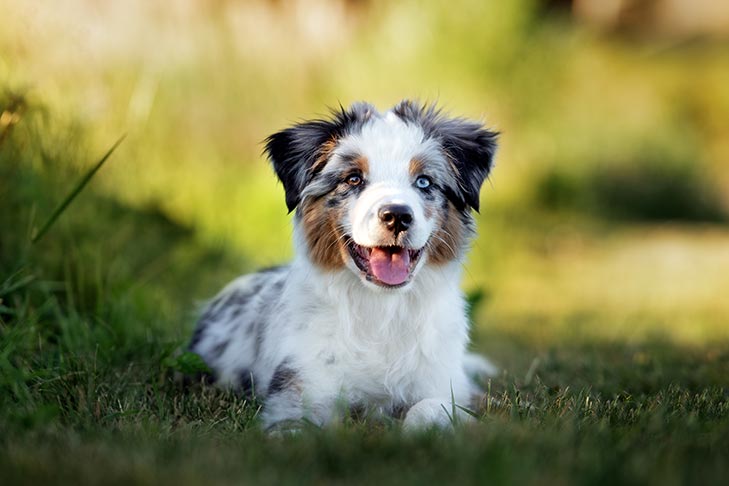
Future studies might explore how early socialization affects long-term behavior, or how diet and exercise influence joint health in smaller herding breeds. Meanwhile, countless families already know the answer: life is simply more fun with a mini shepherd trotting beside them.