Best Dogs for Search and Rescue: A Comprehensive Guide
Introduction
Search and rescue missions demand stamina, precision, and teamwork. Canine partners stand out for their scenting power, agility, and steady nerves, often locating lost hikers, disaster survivors, or evidence long after people have exhausted their options. This guide reviews the breeds most often chosen for field work, the training path they follow, and the difference they make when every minute counts.
The Importance of Dogs in Search and Rescue
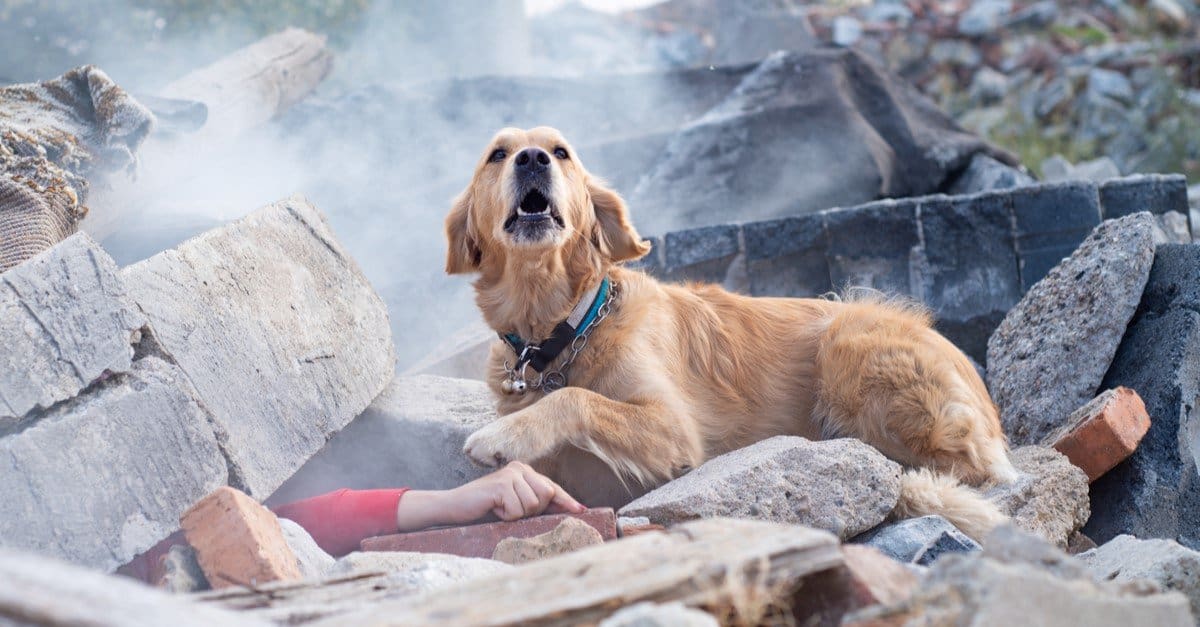
For generations, dogs have joined responders to track scents, hear faint calls, and cover rough ground faster than two-legged teams. Their stamina in heat, cold, or rubble allows them to keep searching when machines stall and people tire. Estimates suggest that trained dogs participate in roughly half of all formal missions across many countries, underscoring how deeply handlers trust their noses.
Types of Dogs Used in Search and Rescue
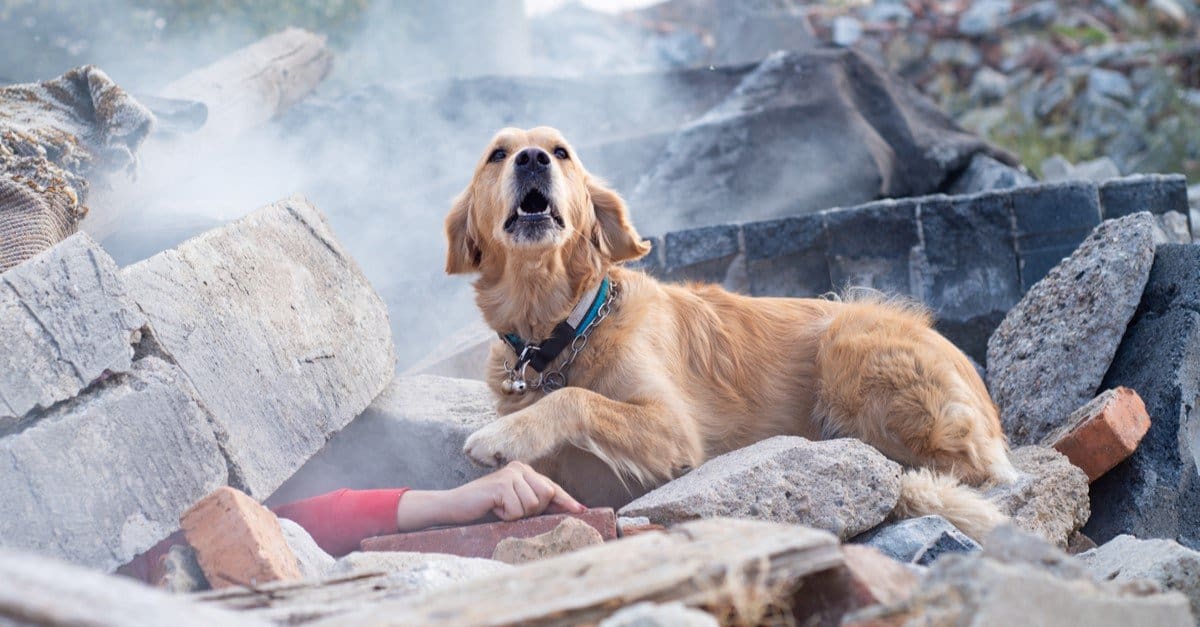
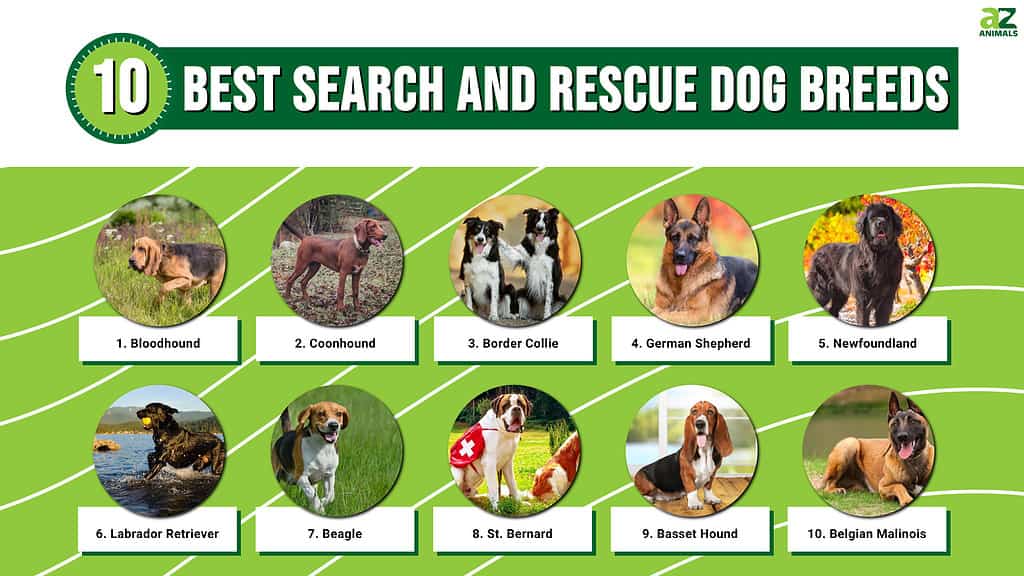
While any motivated dog can learn, five breeds appear most often on certified teams because they combine drive, health, and a willingness to work for toys or praise.
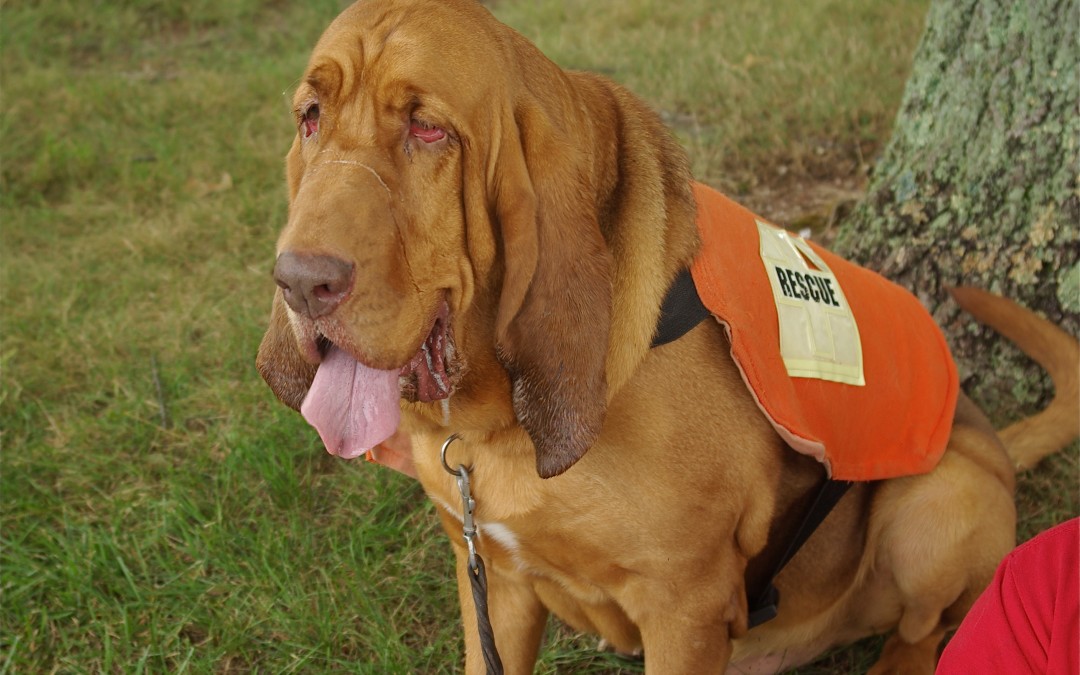
1. Bloodhounds
Long ears and droopy skin are not just for show; they help sweep scent particles toward the nose. Once on a trail, a Bloodhound can stay locked for miles, making the breed the first choice for tracking a single lost individual across countryside or city blocks.
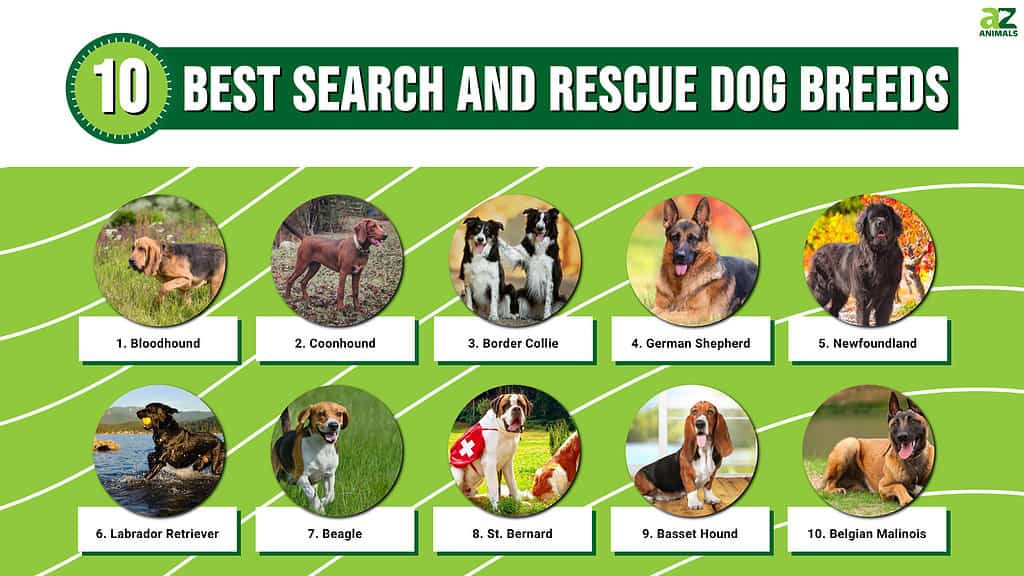
2. German Shepherds
Versatility is the hallmark of this breed. They balance scent work with the strength to climb debris piles and the focus to ignore crowds, sirens, or rotor wash. Many handlers value their ability to switch from area searches to obedience exercises without losing drive.
3. Labrador Retrievers
Friendly, food-motivated, and built for marathon days, Labs excel in open fields, woodlands, and water environments. Their double coat insulates against cold lakes, while their tail acts like a rudder during shoreline searches for submerged evidence.
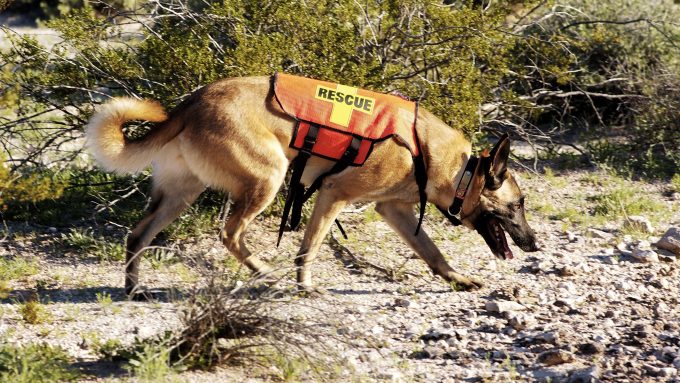
4. Belgian Malinois
Smaller and lighter than German Shepherds, Malinois bring explosive speed to large-scale rubble sites. Their intense play drive makes repetitive drills feel like games, and their compact frame lets them crawl into voids too narrow for larger dogs.
5. Golden Retrievers
Calm around stressed families and steady on slippery hospital floors, Goldens often serve as both search and comfort animals. Their soft mouth and keen nose make them reliable when locating trace scent sources without disturbing the scene.
Training and Certification
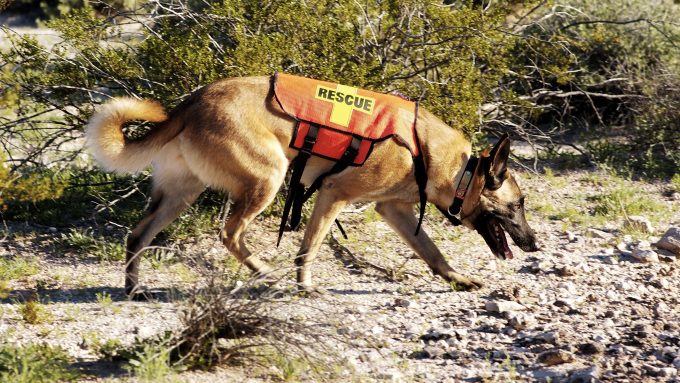
Foundation training begins with socialization and basic obedience, then moves to scent discrimination, directional cues, and night work. Handlers expose dogs to elevators, boats, ladders, and sirens so nothing surprises them in real events. After months of drills, external evaluators test the team on unknown problems; only pairs that locate hidden subjects within set times earn operational status. Re-certification follows every one to two years to maintain standards.
The Impact of Dogs in Search and Rescue
When storms flatten neighborhoods or hikers miss check-in times, canine teams often deliver the first hopeful news. Their speed can shrink search grids from miles to yards, cutting volunteer hours and aviation fuel. Success stories repeatedly show that a single dog plus a trained handler can achieve in minutes what might take ground crews days, turning potential recoveries into live rescues.
Conclusion
Exceptional scenting skill, athleticism, and a love of cooperation define the dogs that thrive in search and rescue. Bloodhounds, German Shepherds, Labrador Retrievers, Belgian Malinois, and Golden Retrievers continue to set the standard, but behind every standout performance stands patient training and mutual trust. As long as people venture into wild places or build communities in hazard zones, these four-legged responders will remain vital members of the safety net that brings loved ones home.