The Canine Commerce Puzzle: A Balanced Overview
Introduction
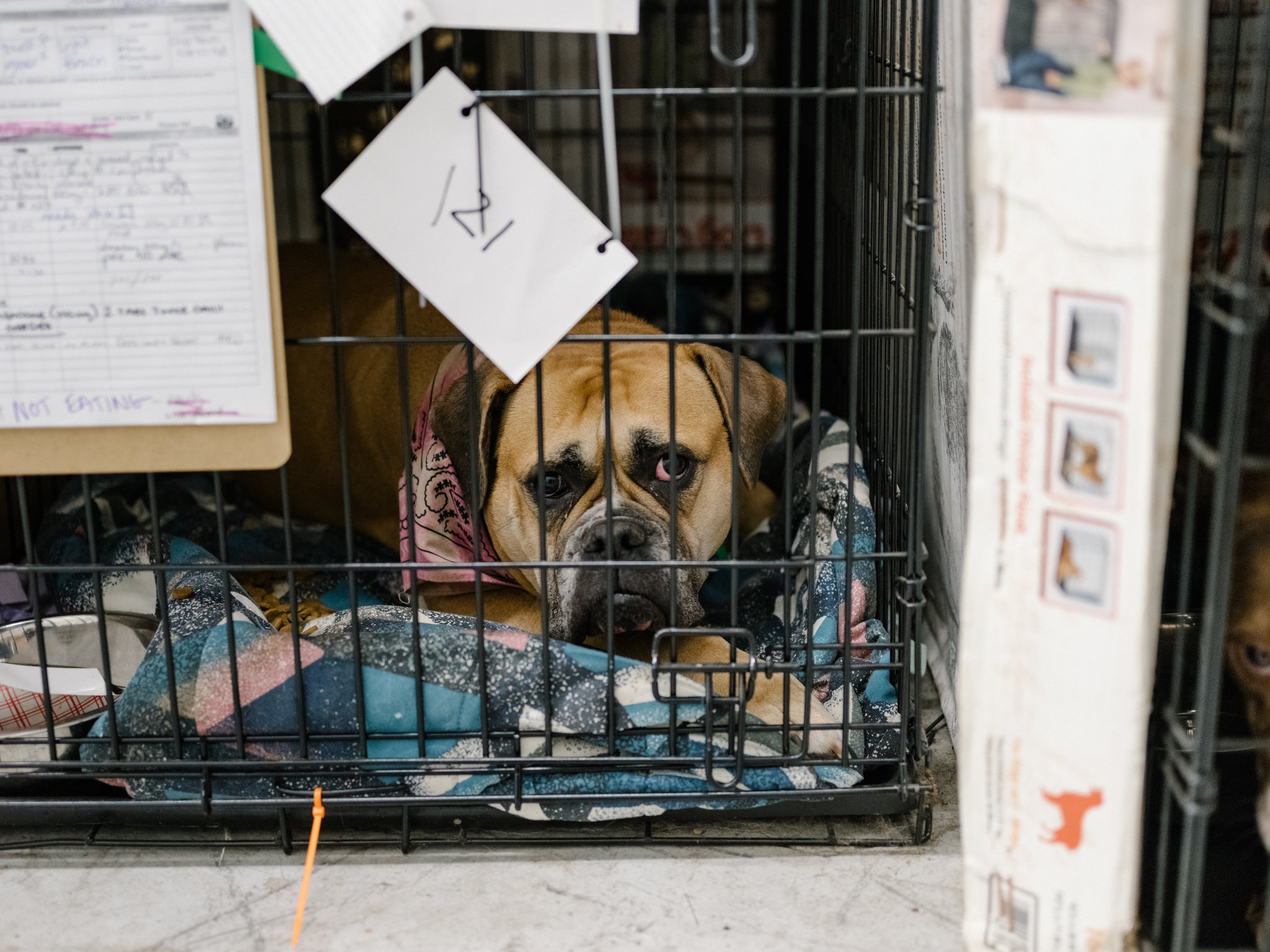
The phrase “canine commerce” is increasingly used to describe the brisk, sometimes shadowy, trade in puppies. It centers on the sale of dogs—often with unclear backgrounds—at steep prices. This overview explores the forces driving the trade, the ripple effects on animals and buyers, and practical ways to encourage responsible practices.
The Growth of Canine Commerce
Market Demand
Soaring desire for companion animals, especially pedigree puppies, fuels much of the trade. Many households seek specific looks or temperaments and are prepared to pay a premium. That willingness opens space for opportunistic breeders and middle-men who market puppies as luxury items.
Limited Oversight
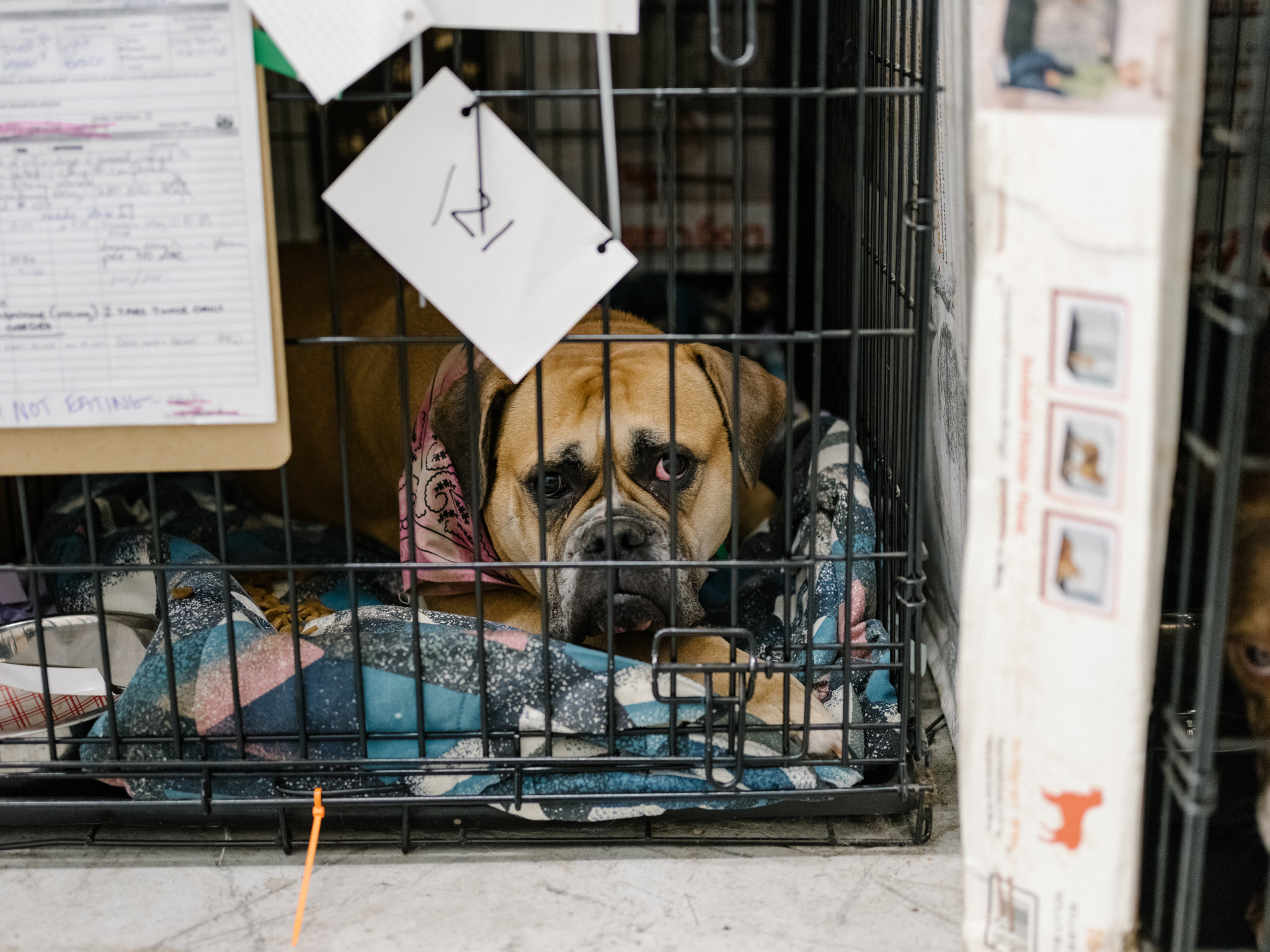
In several areas, sparse monitoring allows questionable breeding facilities and cross-border shipments to flourish. Where rules are vague or enforcement is weak, welfare standards can slip, making it easier for profit-driven operators to dominate the market.
Consequences of Unethical Sales

Animal Welfare Issues
Puppies raised in crowded, unsanitary conditions routinely face respiratory illnesses, parasites, and hereditary disorders. Early separation from the mother and abrupt transport heighten stress, sometimes leaving lifelong behavioral scars.
Ethical Questions

When animals become commodities, debates arise about the moral duties of breeders, traders, and buyers. Critics argue that prioritizing profit over well-being conflicts with society’s growing concern for humane treatment of all living creatures.
Economic Side Effects
High sticker prices can strain family budgets, especially when unexpected veterinary bills appear. Meanwhile, ethical breeders—who invest in health tests and enrichment—may lose customers to cheaper, poorly documented sources, eroding overall trust in the sector.

Tackling the Challenge
Stronger Safeguards
Clear, enforceable standards for housing, health checks, and traceable records help screen out bad actors. Authorities can tighten import rules, require breeder registration, and perform unannounced inspections to ensure compliance.

Informed Choices
Public-awareness campaigns, school programs, and easy-to-read online guides can teach prospective owners how to spot red flags—such as refusal to view the puppy with its mother—and why adoption or vetted breeders matter.
Championing Responsible Sources

Rewarding breeders who emphasize socialization, genetic diversity, and lifetime support shifts market demand toward humane options. Certification logos, transparent reviews, and veterinary endorsements give consumers confidence that their money promotes welfare, not suffering.
Conclusion
Unchecked canine commerce harms animals, buyers, and ethical businesses alike. Tightened oversight, educated consumers, and visible support for responsible breeders form a three-part strategy that can curb abuses and nurture a healthier, more transparent puppy market. Collective action today safeguards the well-being of dogs and the peace of mind of families tomorrow.

References
– Companion Animal Welfare Council. (2019). Trends in Pet Acquisition and Welfare
– International Animal Protection Network. (2020). Breeding Standards and Consumer Guidance

– Global Pet Ethics Forum. (2018). Building Responsible Supply Chains
– Animal Welfare Research Institute. (2017). Economics of the Dog Trade