The Impact of Free-Adoption Feline Events on Neighborhood Involvement and Pet Well-Being
Introduction
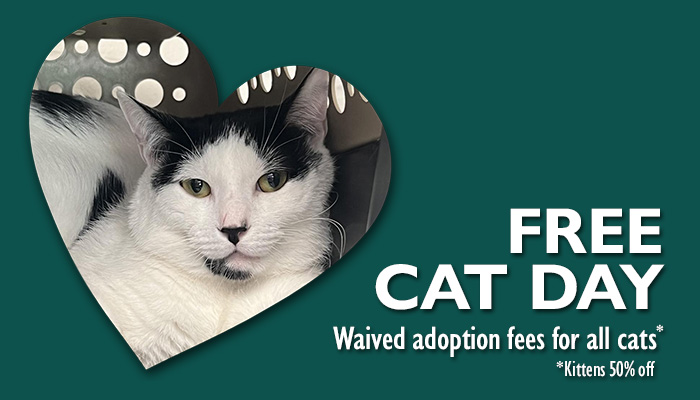
Across towns and cities, free-adoption feline events—where cats are placed in new homes without a purchase fee—have grown in popularity. Hosted by shelters, volunteer groups, and municipal programs, these initiatives aim to ease shelter crowding and give cats a fresh start. While the goal is compassionate, the ripple effects on neighborhood spirit and long-term animal welfare spark lively discussion. This piece examines how such events work, what they achieve, and where they need careful balance.
The Concept of Free-Adoption Feline Events
What is a Free-Adoption Feline Event?
It is a community gathering where healthy, vaccinated cats leave for new homes, usually with no fee. Applicants fill out a short form, show basic ID, and commit to sterilizing the cat within an agreed period. The focus is on moving cats from temporary shelter care to permanent, loving households.
Benefits of Free-Adoption Feline Events
Neighborhood Involvement
By inviting residents to meet, greet, and leave with a new companion, these events turn casual visitors into active caregivers. Conversations start in adoption lines, continue on social media, and often evolve into volunteer networks that support local shelters year-round.
Pet Well-Being
Cats leave crowded enclosures for quiet living rooms, reducing stress-related illness. Mandatory spay-neuter agreements break the cycle of accidental litters, gradually lowering the number of cats born outside regulated care.
Challenges of Free-Adoption Feline Events
Overpopulation Concerns
Without follow-up, a one-day surge of adoptions can refill shelters months later if cats are later surrendered. Coordinating with low-cost sterilization clinics and post-adoption check-ins is essential to prevent a revolving door.
Quality of Life Concerns
A no-fee placement can attract impulse decisions. If adopters are unprepared for veterinary costs or lifestyle changes, cats may face neglect or return trips to the shelter, undermining the event’s intent.
The Role of Education
Importance of Education
Brief pre-adoption chats, printed care guides, and a hotline for questions help set realistic expectations. When people understand grooming, feeding, and routine vet visits, cats stay in homes longer and shelters save resources.
Case Studies and Research
Success Stories
Several mid-sized cities report that pairing waived fees with mandatory microchip registration doubled adoption rates and halved return rates within a year. Neighborhood groups formed “cat clubs” that share pet-sitting and trap-neuter-return duties for local strays.

Research Findings
Peer-reviewed studies show that adoption events coupled with sterilization vouchers cut shelter intake by roughly one-third over three years, while improving adopted cats’ body-condition scores and reducing respiratory infections.
Conclusion
Summary of Key Points
Free-adoption feline events can energize communities and move cats into safer lives, yet they demand careful planning—education, medical follow-through, and ongoing support—to avoid unintended setbacks.

Reiteration of Purpose and Importance
Exploring these events reveals a simple truth: when compassion meets preparation, neighborhoods and cats win together. Recognizing both promise and pitfalls allows organizers to refine future drives for lasting benefit.
Recommendations and Future Research
Prioritize pre-adoption counseling, enforce sterilization timelines, and schedule six-month wellness calls. Long-term studies should track adopted cats’ lifespans, owner satisfaction, and any shifts in community attitudes toward responsible pet guardianship.
In conclusion, free-adoption feline events are a practical, heartfelt strategy for easing shelter burdens and enriching families. With thoughtful safeguards, they can continue to serve as cornerstones of humane, community-driven animal care.