The Importance of Cat Adoption: A Comprehensive Analysis
Introduction
Adopting cats has become an increasingly popular way to give abandoned animals a fresh start while easing the pressure on overcrowded shelters. This overview explores why adoption matters, what rewards and hurdles it brings, and how it ripples outward to shape kinder communities. Drawing on views from caregivers, new owners, and animal experts, the discussion highlights the shared responsibility of offering every cat a safe, loving home.
The Problem of Pet Overpopulation
The Problem of Pet Overpopulation
Across many countries, shelters take in far more cats than they can place, leading to difficult decisions about space and resources. The root causes include limited access to spay and neuter services, unexpected litters, and casual acquisitions that are later abandoned. When intake outpaces adoption, the fallout affects not only the animals but also neighborhood resources and volunteer morale.
Benefits of Cat Adoption
Benefits of Cat Adoption
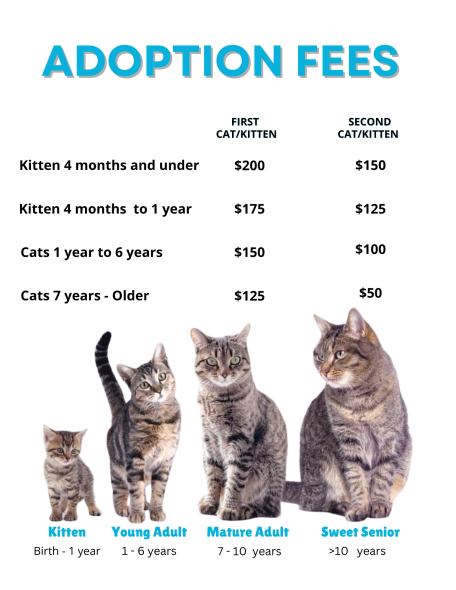
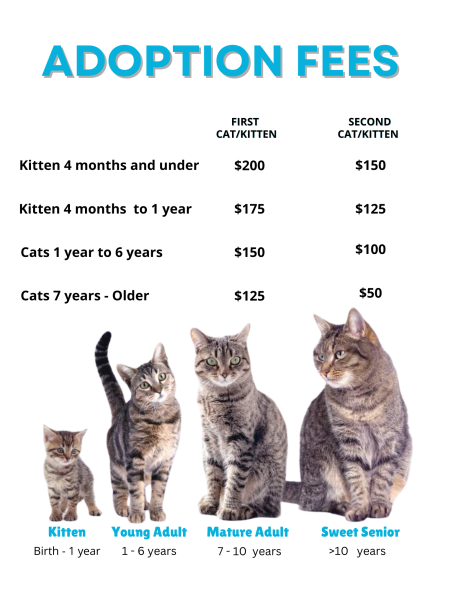
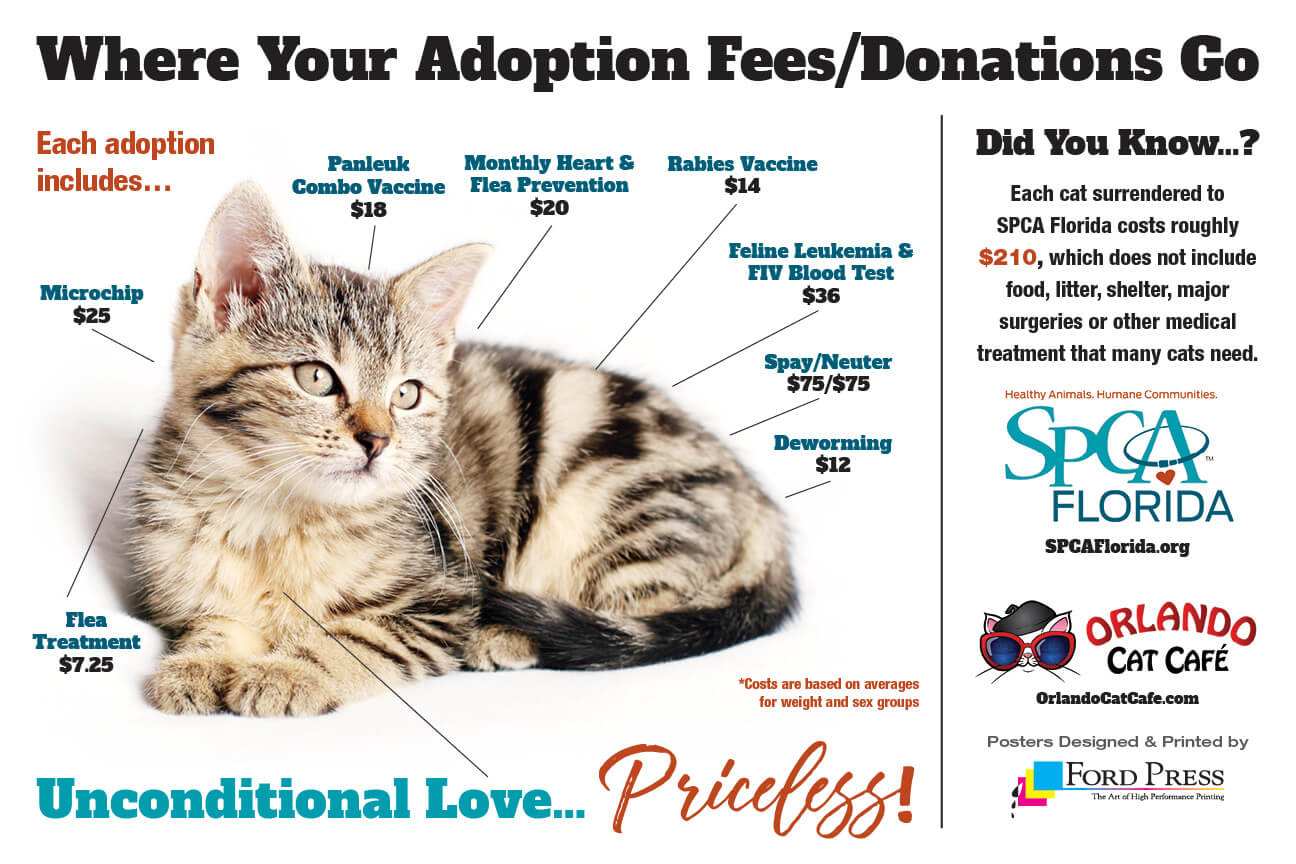
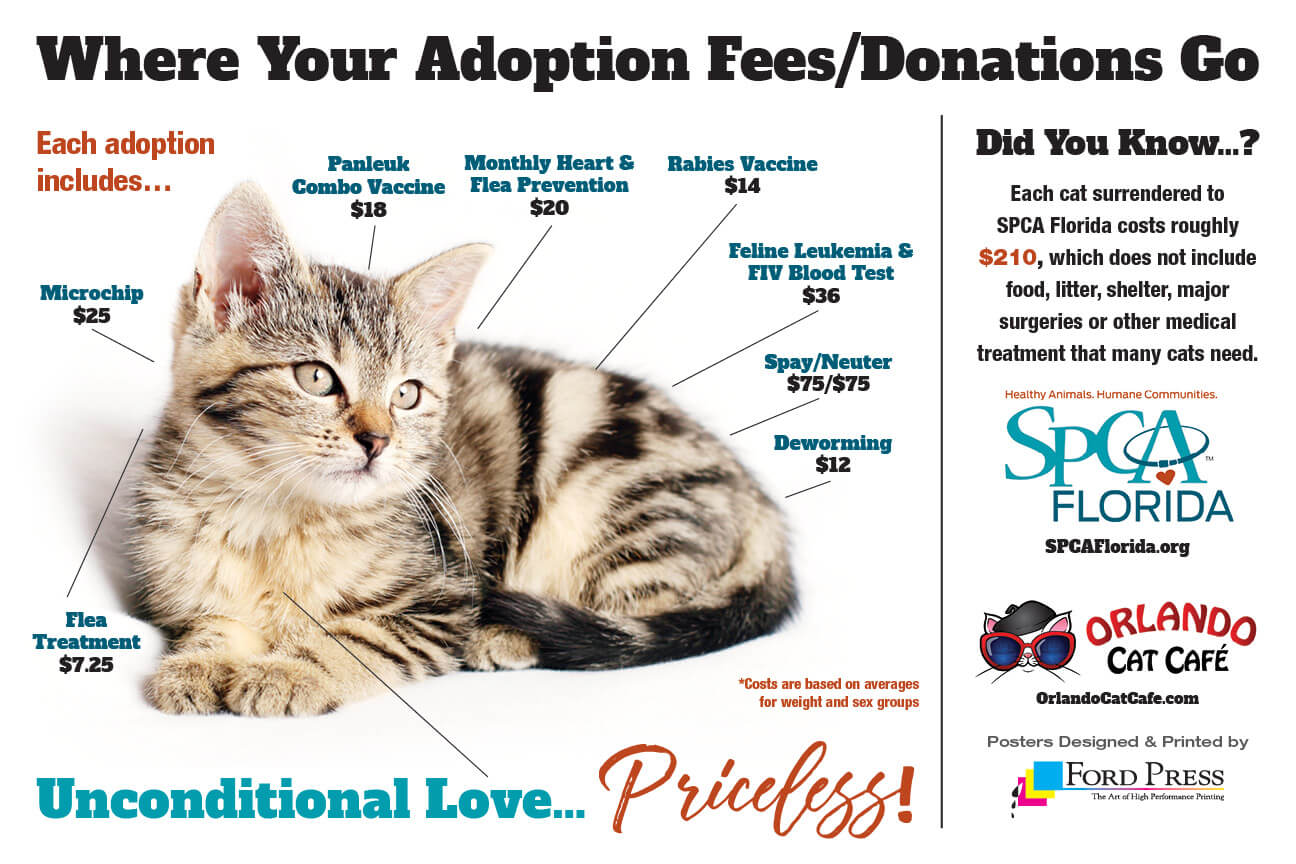
A shelter cat gains the security of a permanent family, while adopters often discover an affectionate companion already vaccinated, microchipped, and sterilized. The fee is usually lower than the combined cost of these services at a private clinic, and the fee supports the shelter’s ongoing rescue work. Beyond finances, daily interaction with a cat can ease loneliness, encourage gentle routines, and even spark new friendships among neighbors who meet during veterinary visits or playtime outdoors.
Challenges of Cat Adoption
Challenges of Cat Adoption
Some worry that rescued cats will be shy or unpredictable, yet most adjust quickly when given patience and consistent care. Matching energy levels, age, and coat type to one’s household takes time, and adopters must weigh travel schedules, rental rules, and existing pets. Long-term expenses—quality food, annual check-ups, scratching posts, and emergency care—also deserve honest budgeting before signing the papers.
Societal Impact of Cat Adoption
Societal Impact of Cat Adoption
Each adoption frees up shelter space, staff hours, and medical supplies for the next animal in need. Lower intake numbers reduce municipal costs and allow nonprofits to redirect funds toward community education or trap-neuter-return programs. On a cultural level, visible adoption success stories normalize rescue over purchase, fostering empathy among children and adults alike.
Conclusion
Choosing adoption tackles overpopulation at its source and enriches daily life for both two-legged and four-legged family members. With realistic expectations and steady commitment, adopters transform statistics into success stories, one purr at a time.
Recommendations and Future Research
To keep the momentum going, several steps can help:
1. Share positive adoption experiences through social media, schools, and local events.
2. Support or volunteer for low-cost spay and neuter clinics.
3. Offer post-adoption guidance—hotlines, online forums, or training workshops—to smooth the transition.
4. Partner veterinarians, shelters, and civic groups in data-sharing networks that track outcomes and refine best practices.
Continued studies on long-term feline health, owner satisfaction, and program efficiency will fine-tune these efforts, moving societies closer to the goal of every cat curled up in a forever home.