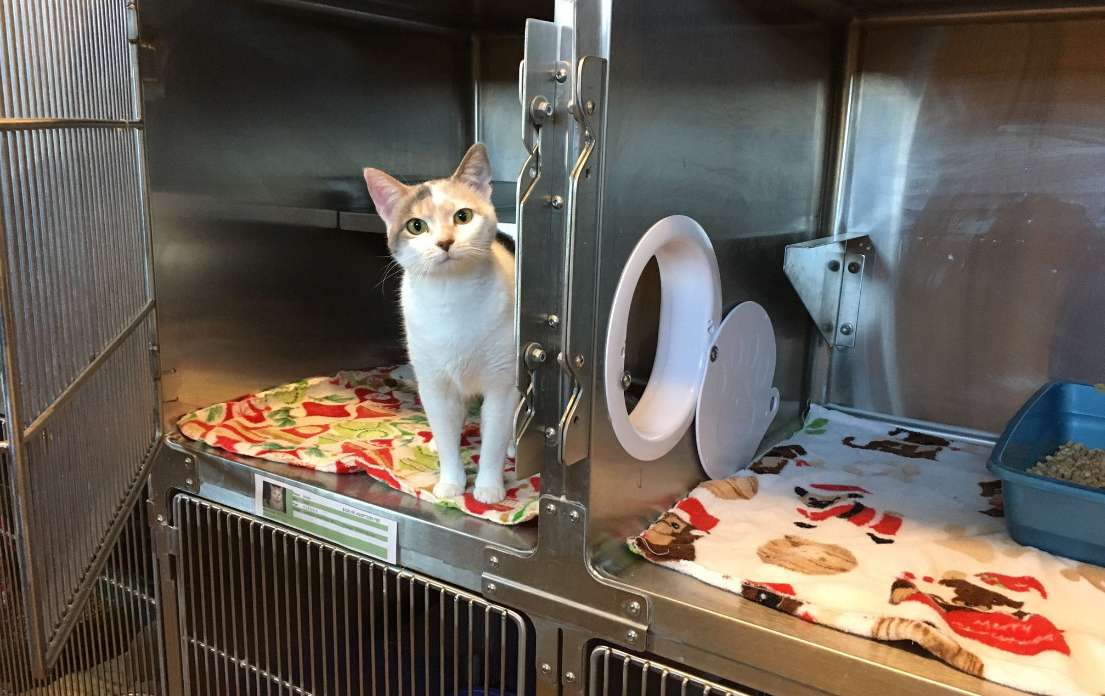
The Importance of Shelter for Cats: A Comprehensive Analysis
Introduction
Shelters have become an essential part of how modern communities care for cats. As neighborhoods expand, more felines are left without homes. Dedicated facilities offer these animals daily meals, a warm place to rest, and medical attention. This overview explores why such shelters matter, highlighting their role in animal welfare, the advantages they bring to residents, and the obstacles they confront. By looking at different facets of their work, we can better appreciate their value and the ongoing need for support.
The Role of Shelters in Animal Welfare
The Role of Shelters in Animal Welfare
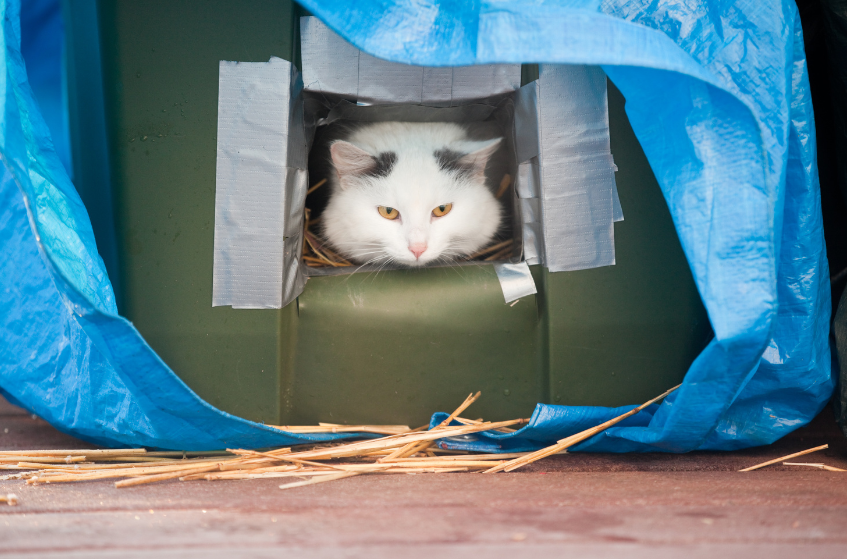
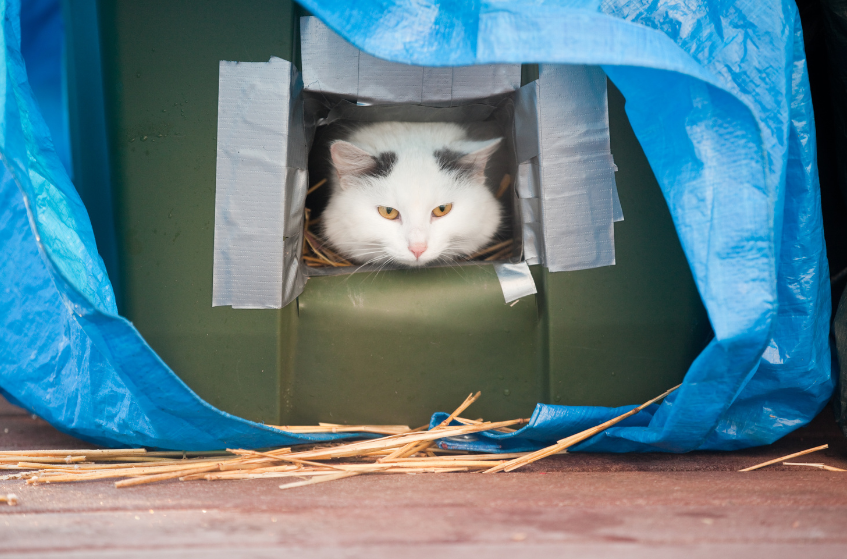
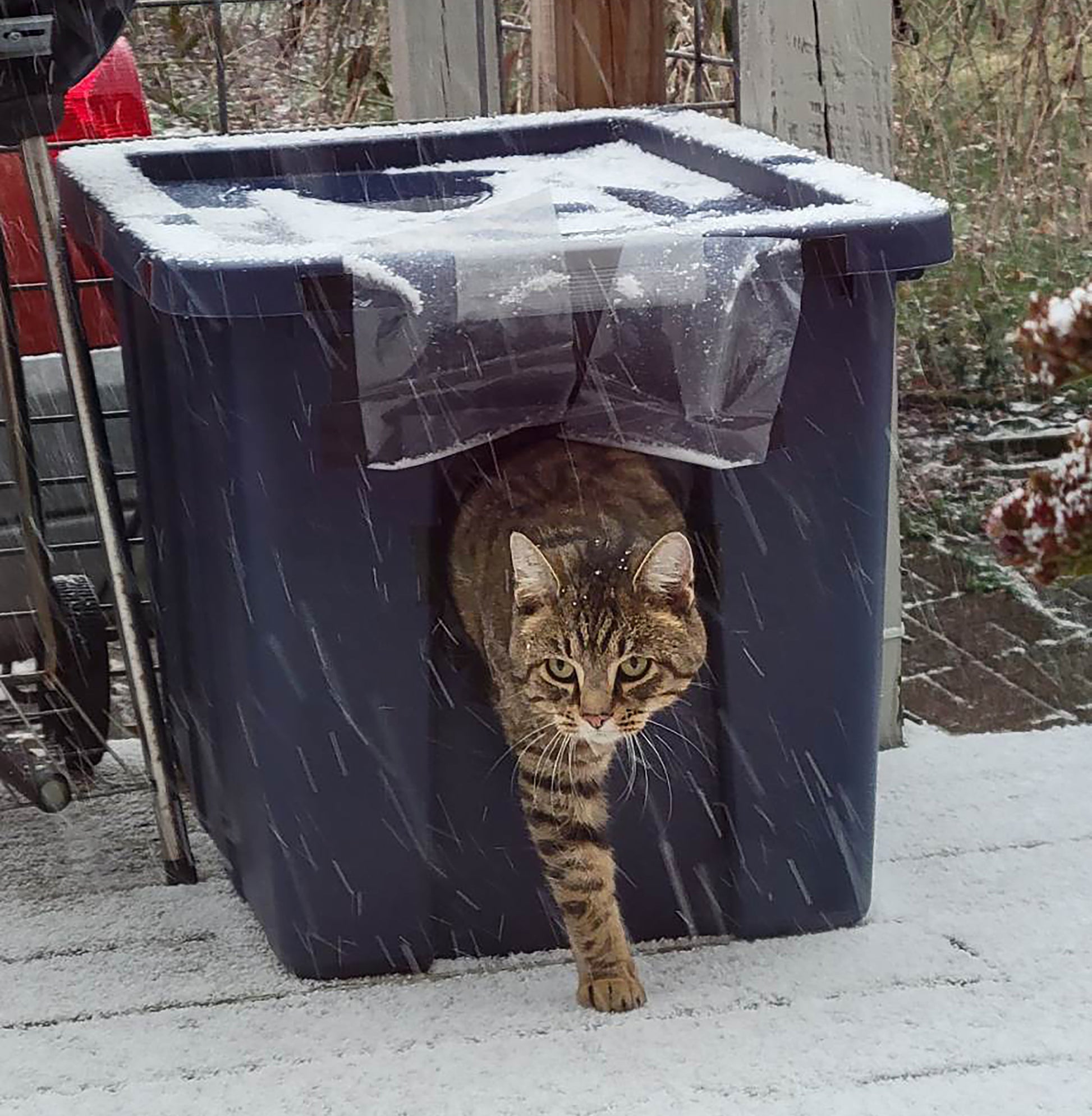
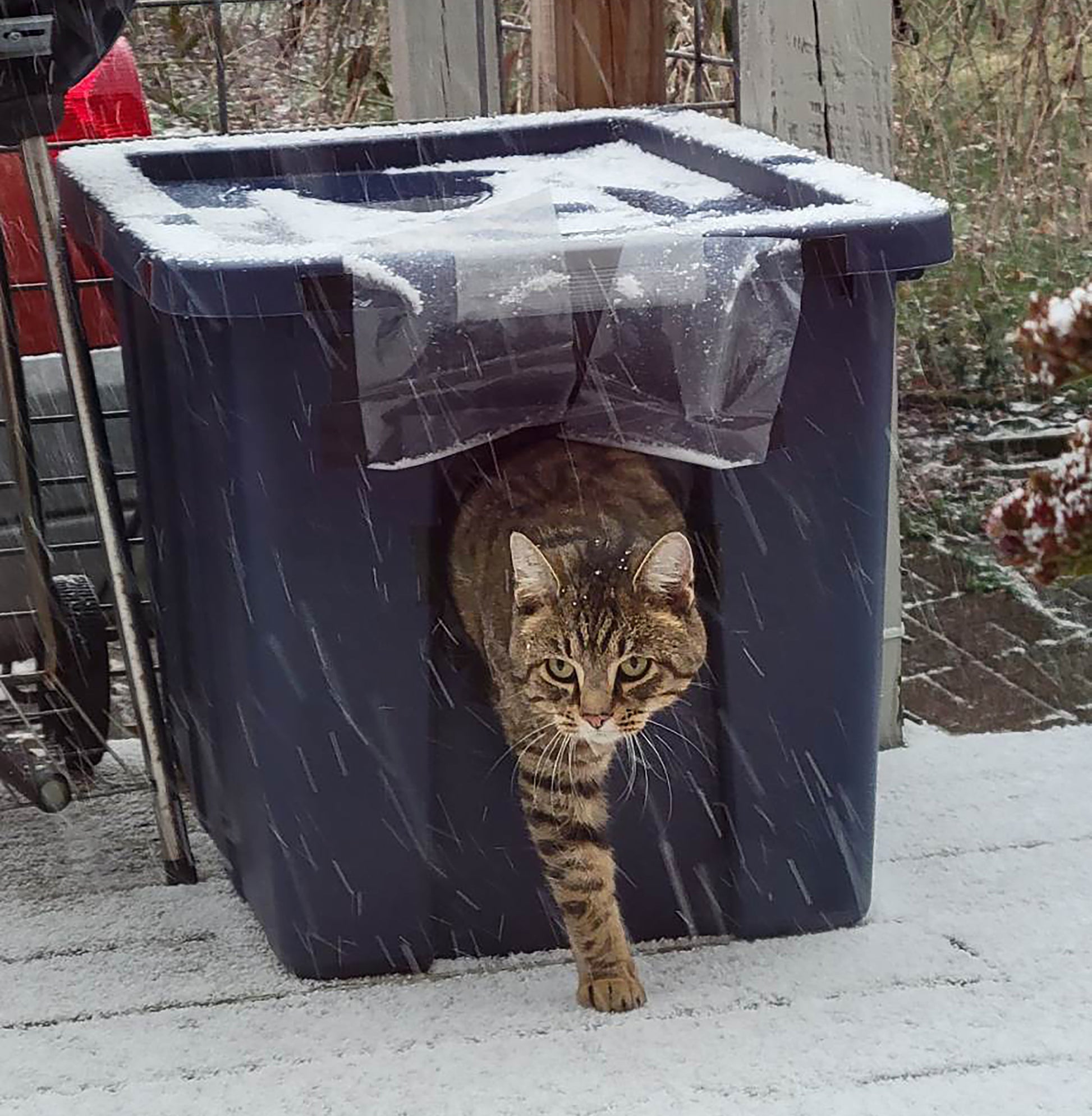
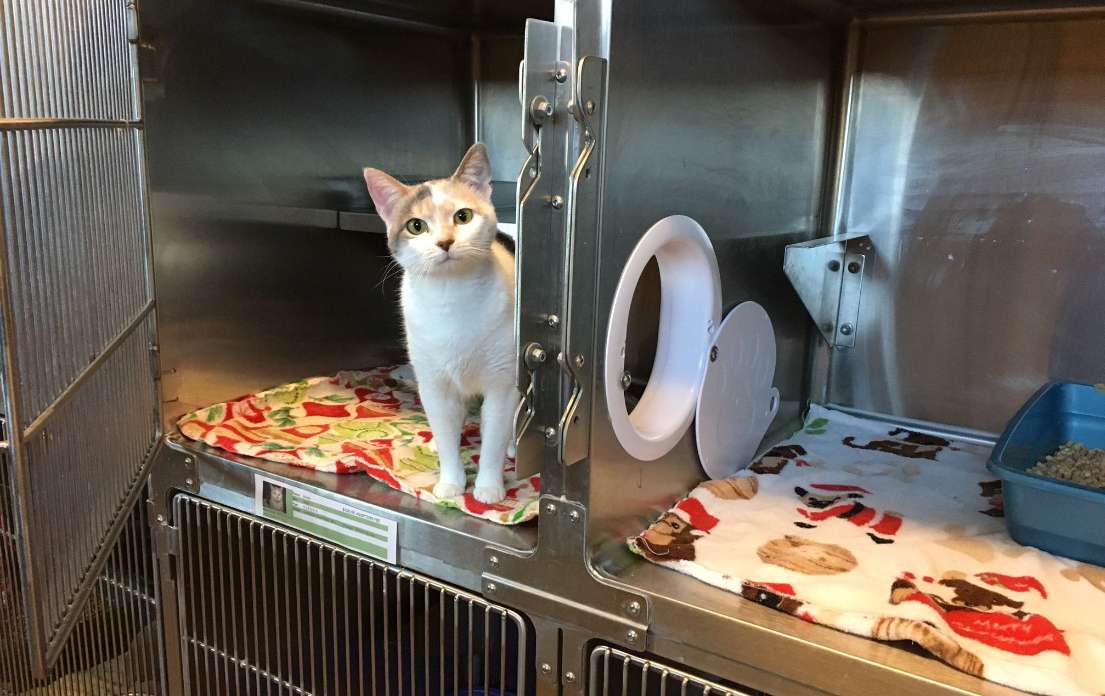
Safe spaces for cats serve as a cornerstone of humane treatment. They take in lost or abandoned animals and give them steady food, clean water, and protection from harsh weather. This basic support keeps cats from roaming the streets, where they risk injury, illness, or neglect.
Beyond daily care, these centers arrange health checks, vaccinations, and spay or neuter procedures. Treating minor wounds or long-term conditions improves each cat’s quality of life and prepares them for a fresh start.
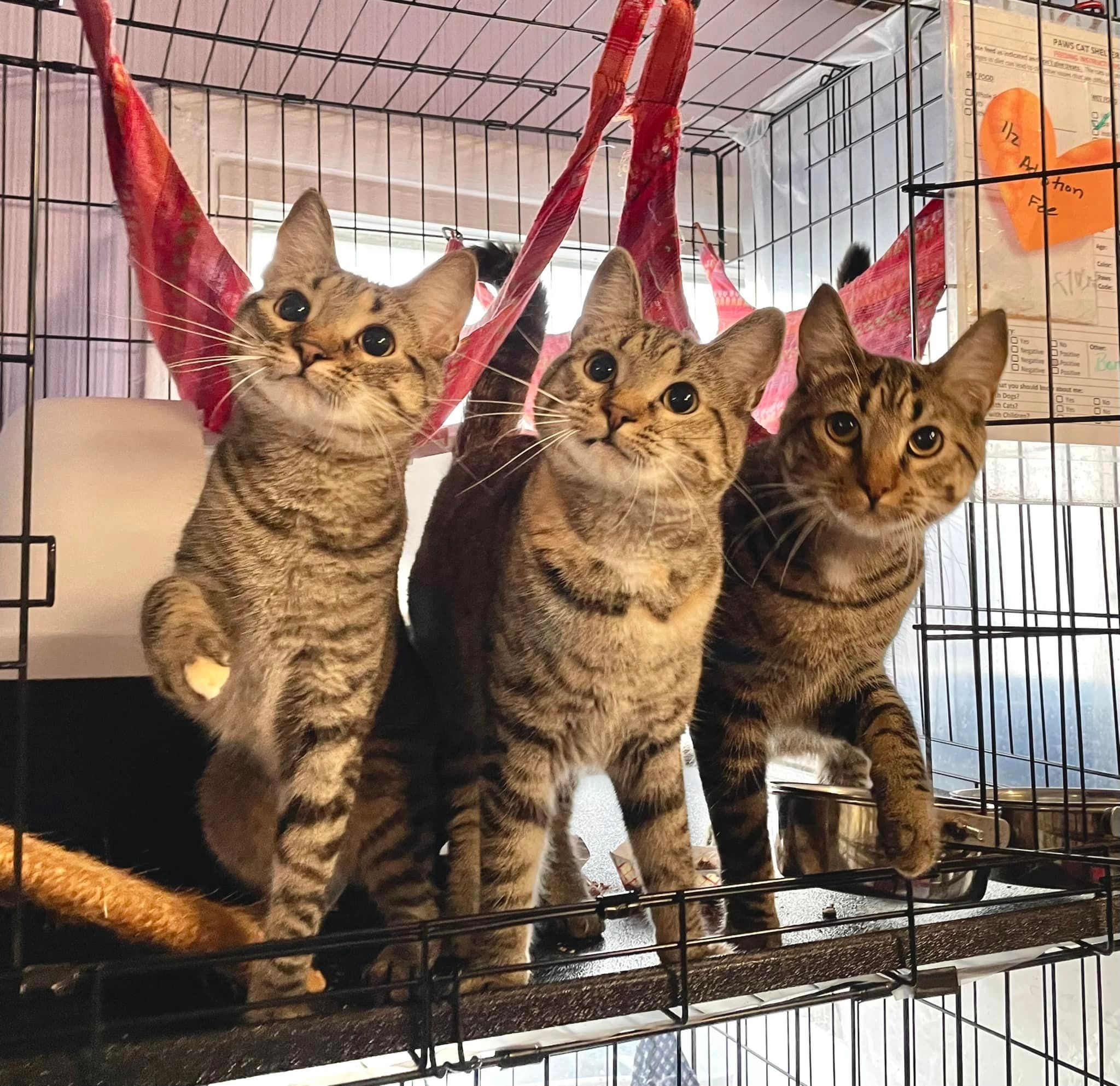
Another key mission is matching cats with new families. Adoption events and online profiles connect animals with people looking for a companion, easing crowding in kennels and giving cats a stable, loving home.
Benefits of Shelters for the Community
Benefits of Shelters for the Community
Cat shelters deliver wide-ranging advantages that reach far beyond the animals themselves:
1. Public Health: Free-roaming cats can carry parasites or transmissible illnesses. By vaccinating and treating every resident, shelters lower the chance of disease spread to people and pets alike.
2. Safer Streets: Areas with fewer stray animals often experience less nuisance behavior and property damage. Removing homeless cats from alleys and parking lots creates a calmer environment for everyone.
3. Civic Pride: Volunteer days, weekend adoption fairs, and school visits encourage residents to work side by side. Shared goals strengthen neighborhood bonds and foster empathy across age groups.
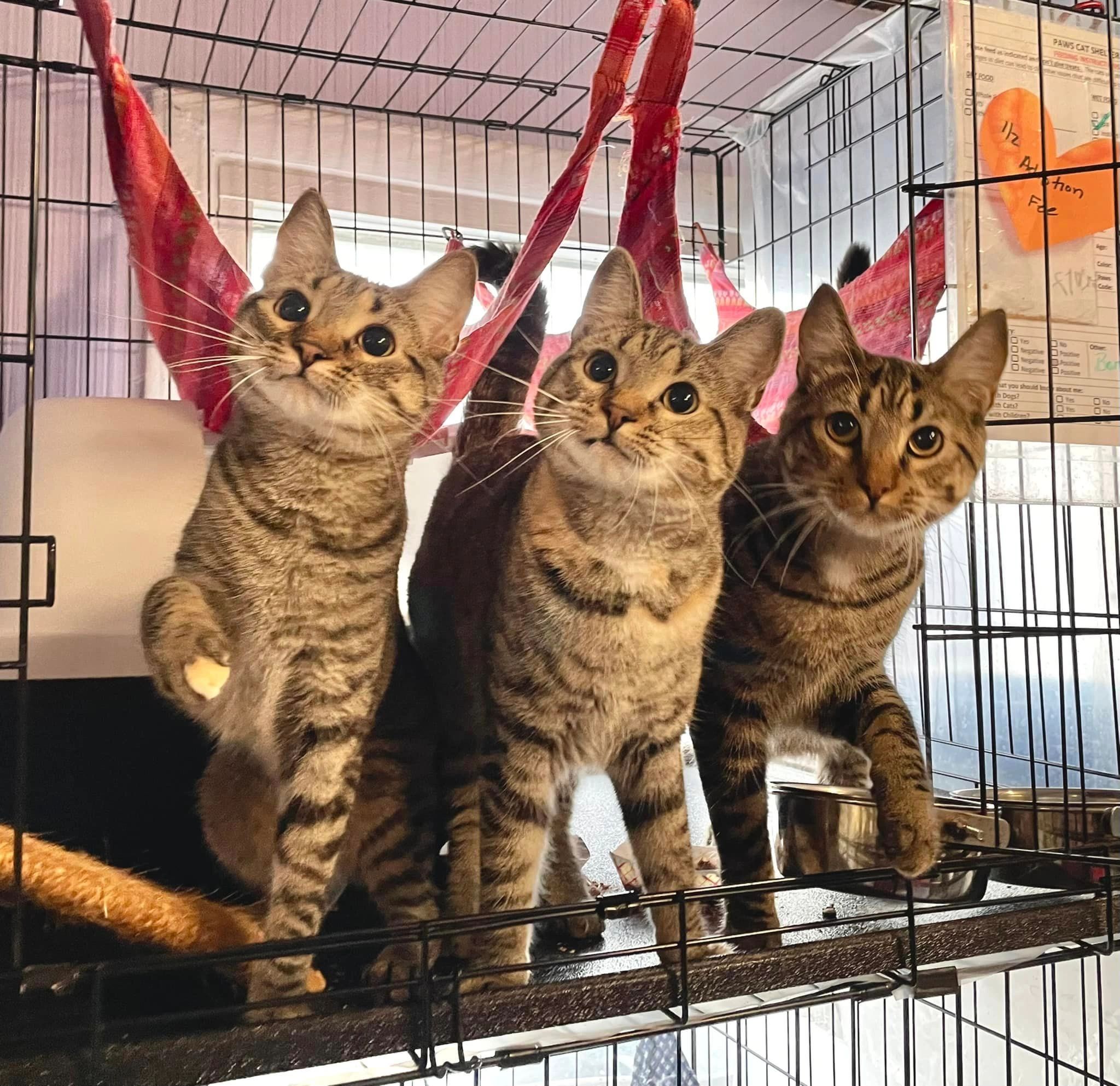
4. Local Economy: Visitors who come to meet adoptable cats may also shop or dine nearby. Staff and volunteers further contribute by purchasing supplies and services in the area.
Challenges Faced by Shelters
Challenges Faced by Shelters
Even the most dedicated facilities encounter hurdles that can limit their impact:

1. Funding: Donations and modest grants fluctuate, making it hard to budget for food, medicine, and utilities. Shortfalls can force cutbacks in staffing or outreach programs.
2. Space: Kennels fill quickly during kitten season. Overcrowding stresses cats and complicates cleaning routines, increasing the risk of upper-respiratory infections.
3. Image: Outdated notions of dingy pounds persist, deterring potential adopters and volunteers. Clear communication about modern, compassionate care is needed to shift opinions.

4. Behavior: Some arrivals are fearful or undersocialized because of past trauma. Extra time, enrichment toys, and quiet housing help, but these measures demand resources and patience.
Conclusion
In short, cat shelters safeguard individual animals while improving community life. They curb overpopulation, protect public health, and offer residents meaningful ways to give back. Although money, space, and perception issues remain, the positive impact of these organizations is undeniable. Consistent donations, volunteer hours, and thoughtful policies will help them continue their life-saving work.
Recommendations and Future Research
Recommendations and Future Research
To strengthen the shelter network, consider the following steps:
1. Broaden Funding Streams: Municipalities, businesses, and private donors can create steady revenue through recurring gifts, corporate sponsorships, and small-fee microchipping clinics.
2. Educate the Public: Social media campaigns, classroom talks, and guided tours can replace myths with facts, inspiring more adoptions and foster commitments.
3. Foster Partnerships: Working with veterinarians, pet-supply brands, and neighborhood associations multiplies resources and spreads best practices for responsible cat care.
Future studies could examine:
1. Which shelter policies most effectively reduce intake numbers and shorten the stay for each cat.
2. The long-term health and behavior of cats after adoption, including how quickly they adjust to home life.
3. Creative funding models—such as membership programs or mobile adoption units—that keep finances stable while reaching new audiences.