The Importance of Pet Adoption: A Comprehensive Overview
Introduction
Adopting a pet has grown into a global movement that gives shelter animals a fresh start while enriching human lives. This article explores why adoption matters, looking at how it improves animal welfare, supports human well-being, and strengthens communities.

The Welfare of Adopted Animals
The Need for Adoption
Shelters worldwide care for millions of animals each year, and many still face uncertain futures when homes cannot be found. Choosing adoption directly reduces this pressure and offers a lifeline to animals waiting for families.
Improving the Lives of Shelter Animals
A stable, loving home helps previously neglected or abandoned animals recover trust and confidence. Consistent care, gentle routines, and positive interaction allow pets to leave past stress behind and reveal their true, affectionate personalities.

Psychological Benefits for Adopters
Companionship and Emotional Support
Sharing life with a pet can ease loneliness, lower everyday stress, and provide a reassuring daily rhythm. Simple acts such as stroking fur or listening to a cat’s purr trigger calming responses that benefit mental health.
Enhancing Social Connections
Dog walks, training classes, and community pet events naturally spark conversations, helping owners meet neighbors and forge new friendships centered on a shared love of animals.
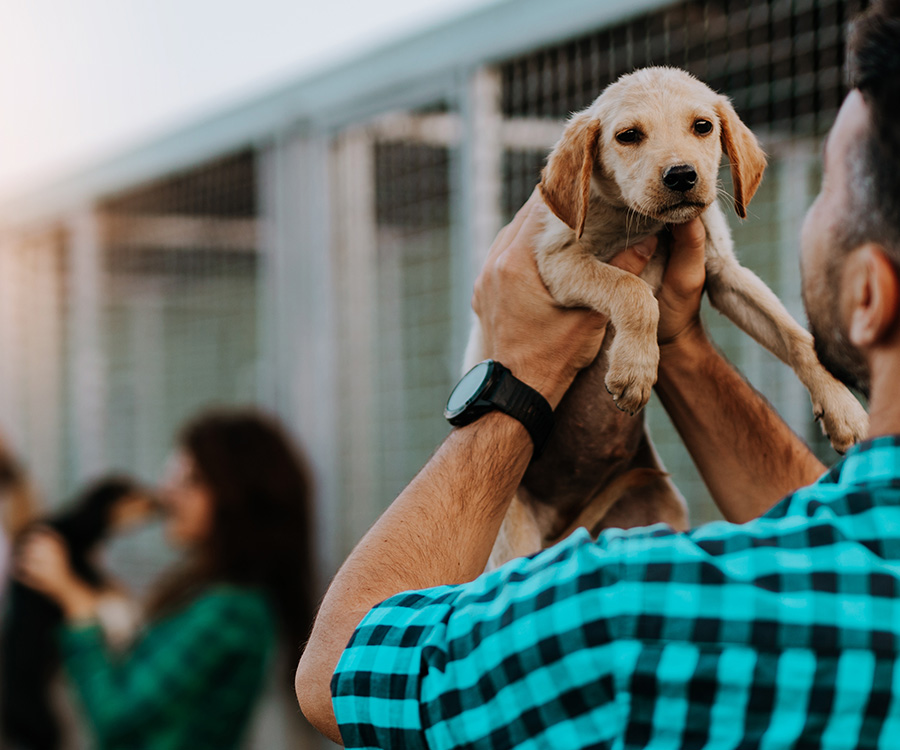
Societal Impact of Pet Adoption
Reducing Euthanasia Rates
Every adoption opens a kennel space and decreases the likelihood that a healthy animal will be put to sleep for lack of room. Over time, widespread adoption lowers overall shelter intake and creates a more humane cycle of care.
Spreading Awareness and Encouraging Responsible Pet Ownership
Adopters become living advocates, showing friends and family the rewards of rescuing rather than buying. Their stories inspire others to vaccinate, spay or neuter, and commit to lifelong care.
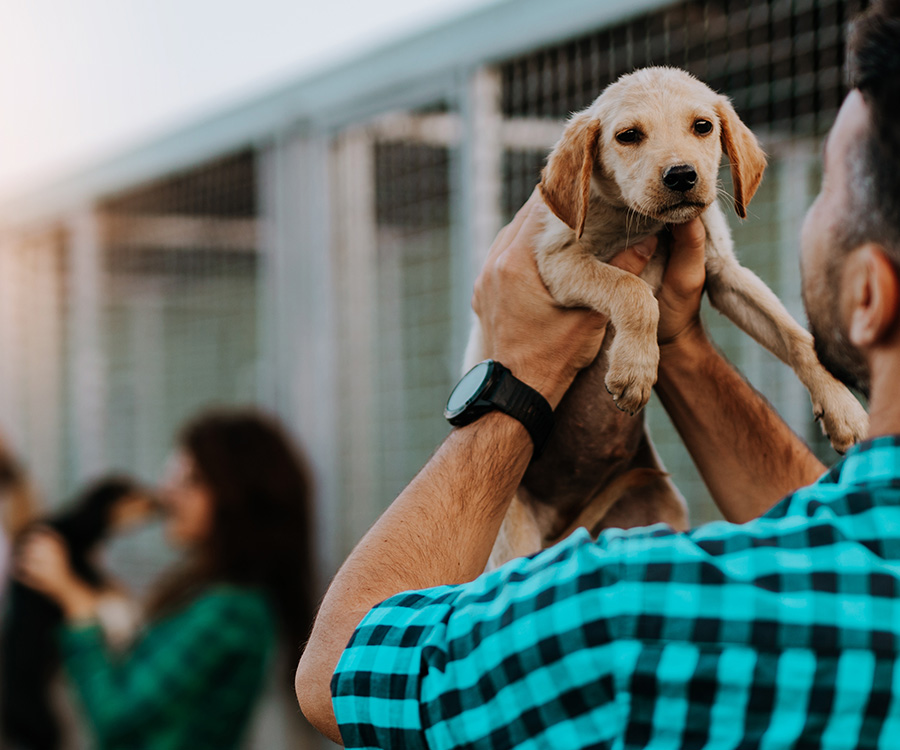
Challenges and Solutions in Pet Adoption
Financial and Time Commitments
Food, veterinary visits, and daily exercise require steady resources. Many shelters ease the transition by offering starter kits, discounted medical services, or training hotlines that guide new owners through the first months.
Addressing Behavioral Issues
Some rescued animals need help with house-training or leash manners. Positive-reinforcement classes, online tutorials, and patient routines usually turn anxious pets into confident companions within a few weeks.

Conclusion
Pet adoption is a simple choice that triggers far-reaching kindness: animals gain safety, people gain joy, and communities become more compassionate. By continuing to adopt, volunteer, and share success stories, we move closer to a world where every pet has a place to call home.
Recommendations and Future Research

To keep the adoption momentum strong, consider these steps:
1. Highlight real-life adoption stories on social media and at local events to normalize rescue as the first choice.
2. Expand low-cost clinics and pet-food banks so financial worries never block a suitable adoption.
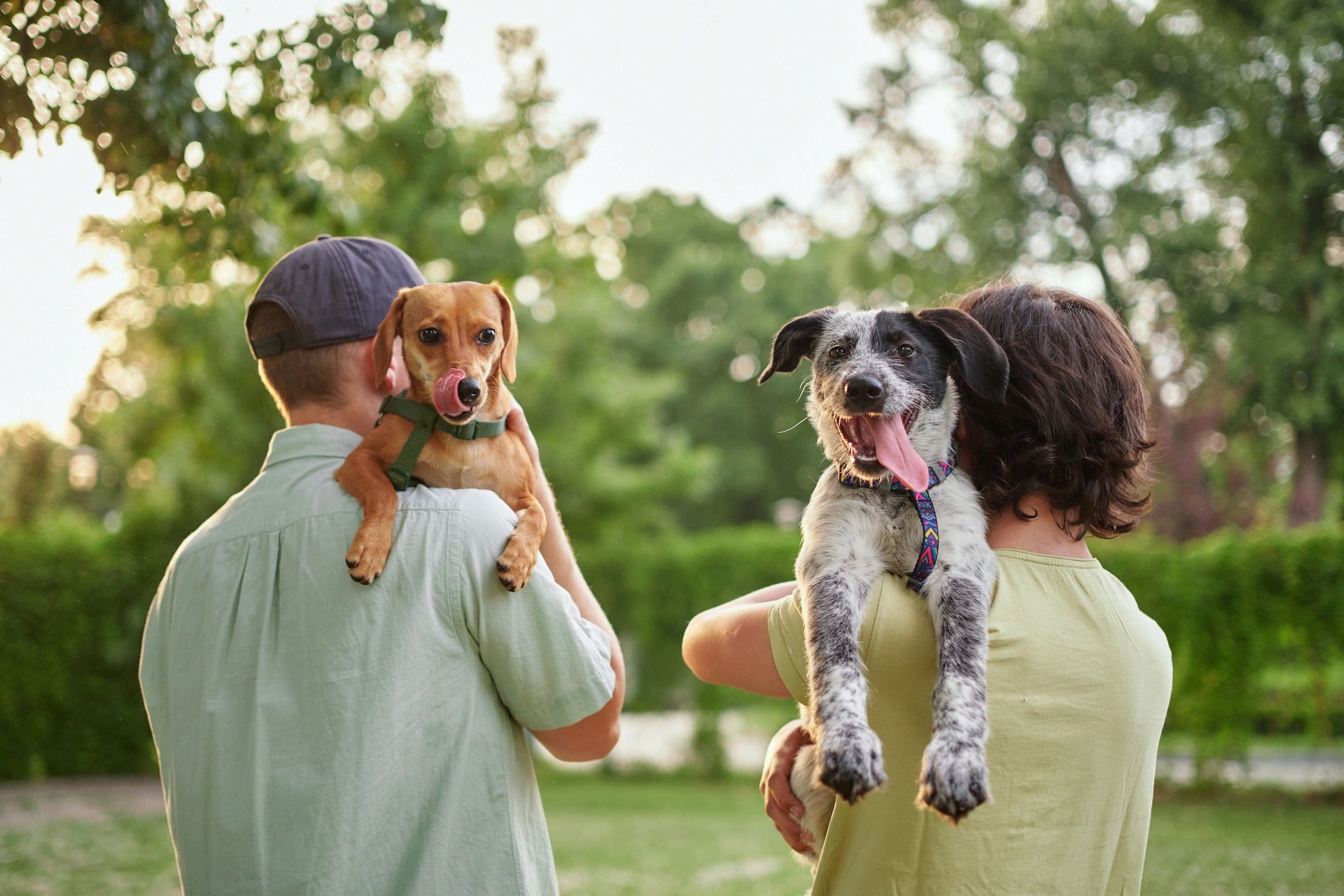
3. Foster collaboration between shelters, veterinarians, and schools to teach humane education from an early age.
Future research should focus on:
1. Long-term health outcomes for owners who adopt senior or special-needs pets.
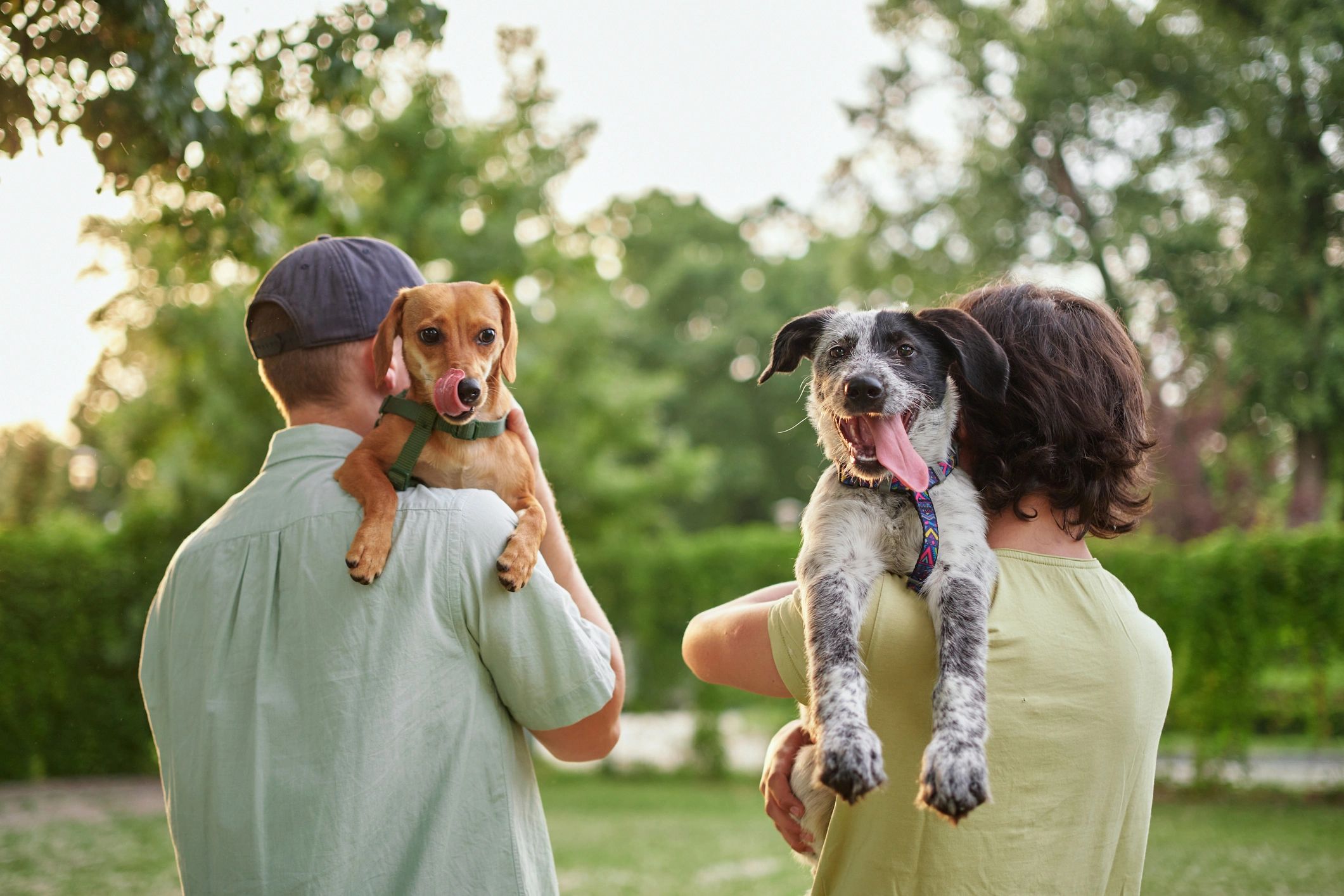
2. Behavior improvements in shelter animals after short-term fostering programs.
3. Innovative outreach methods that convert awareness into actual adoptions in under-served regions.