The Rise and Impact of Online Pet Platforms
In today’s connected world, the way we care for animals and discover pet-related resources has shifted dramatically. Digital pet platforms have become essential hubs for owners, enthusiasts, and service providers. This overview explores how these sites developed, the value they add, and the trends likely to shape their next chapter.
Evolution of Online Pet Platforms
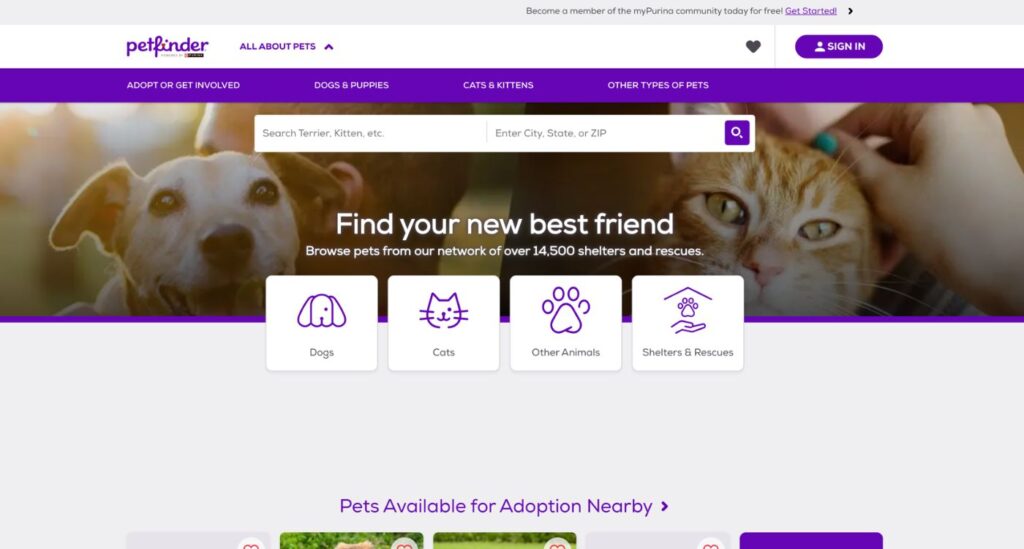
The first pet-focused websites appeared in the late 1990s, offering basic breed facts, care articles, and adoption notices. As internet use grew, so did the range of tools: shops stocked with food and toys, appointment schedulers for vets, and video consults soon followed.

Several forces fueled this growth: rising interest in companion animals, simpler site-building technology, and the convenience of home delivery. Together they turned occasional visitors into loyal daily users.
Impact on Pet Owners
These platforms give owners instant access to reliable guidance on nutrition, behavior, and health. A few clicks reveal training videos, feeding charts, and peer reviews of products. Busy caregivers also save time by ordering supplies online and arranging doorstep delivery.
Beyond shopping, forums and social feeds connect people who share triumphs and worries alike. New owners especially value the judgment-free space to ask questions and learn from seasoned guardians.

Impact on Pet Businesses
Digital channels let shops, groomers, trainers, and clinics meet customers well beyond their neighborhoods. A small boutique can showcase handmade treats nationwide, while a specialty vet can offer tele-advice across time zones.
Consistent, helpful content—blog posts, how-to clips, live Q&A—builds trust and keeps brands top-of-mind. Over time, this authority translates into repeat orders and word-of-mouth growth.
Challenges and Opportunities
Quality control remains a key concern; not every tip posted online is safe or science-based. Owners still need to cross-check advice and choose reputable sellers.
Fraudulent listings and counterfeit goods also appear, so platforms invest in verification badges, buyer reviews, and secure payment systems to protect the community.
Looking ahead, smart algorithms could tailor diet plans or exercise goals to each animal’s profile. Other growth areas include flexible insurance packages and travel booking tools that welcome four-legged guests.
Case Studies and Success Stories
Major retailers have expanded from simple storefronts to full ecosystems offering subscription food deliveries, grooming salons, and wellness clinics under one digital roof. Meanwhile, care-sharing networks match owners with trusted sitters for daily walks or vacation coverage, giving peace of mind without kennel stays.
These examples show that when convenience meets credibility, both pets and people benefit, and the market continues to flourish.
Conclusion
Online pet platforms are now woven into everyday animal care, providing education, products, and community in one place. By prioritizing accurate guidance and smooth user experiences, they will remain central to how we nurture and enjoy life with our companions.
Ultimately, digital innovation has redefined pet ownership, making expert knowledge and quality supplies more accessible than ever. As technology and user needs evolve, these services will keep setting new standards for convenience, safety, and delight in the pet world.