The Role and Importance of Search and Rescue Dogs in Emergency Situations
Introduction
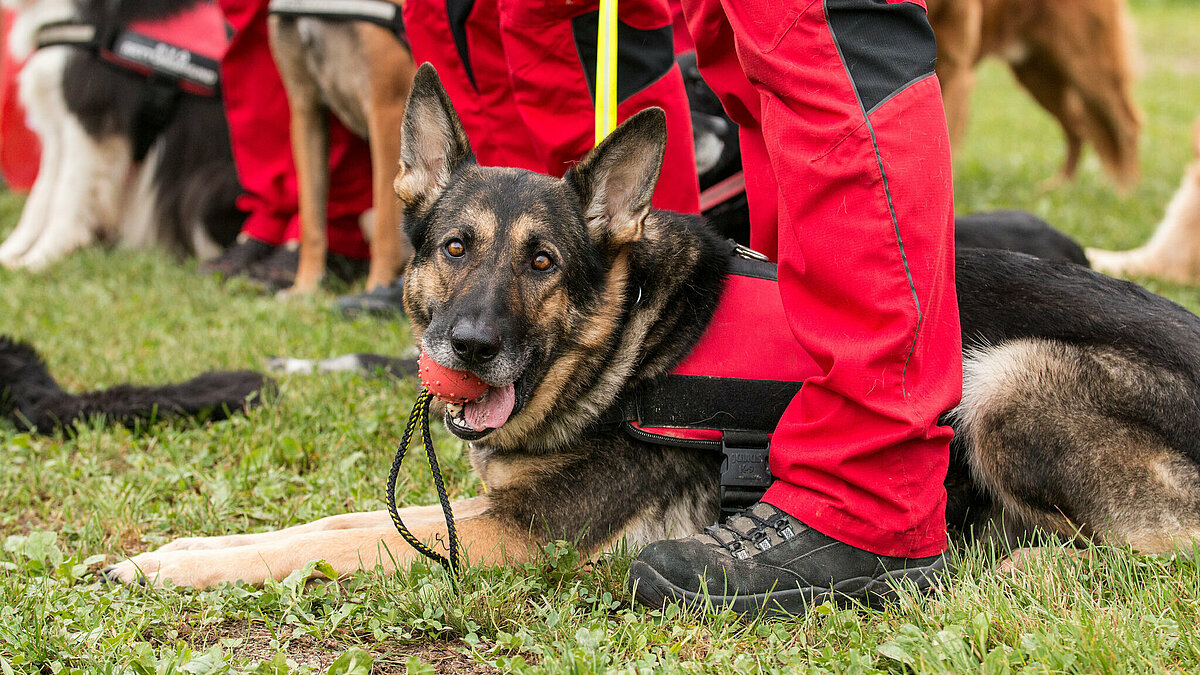
When disaster strikes—be it an earthquake, flood, or a lost hiker—every second counts. Specially trained dogs have become trusted partners in the global effort to find and help those in danger. With noses that can pick up the faintest scent and hearts that calm frightened souls, these animals turn chaos into hope. This article explains how search-and-rescue dogs work, why they matter, and what it takes to prepare them for life-saving missions.
The Unique Abilities of Search and Rescue Dogs
Four key talents set these dogs apart from both humans and machines.
Olfactory Sensitivity
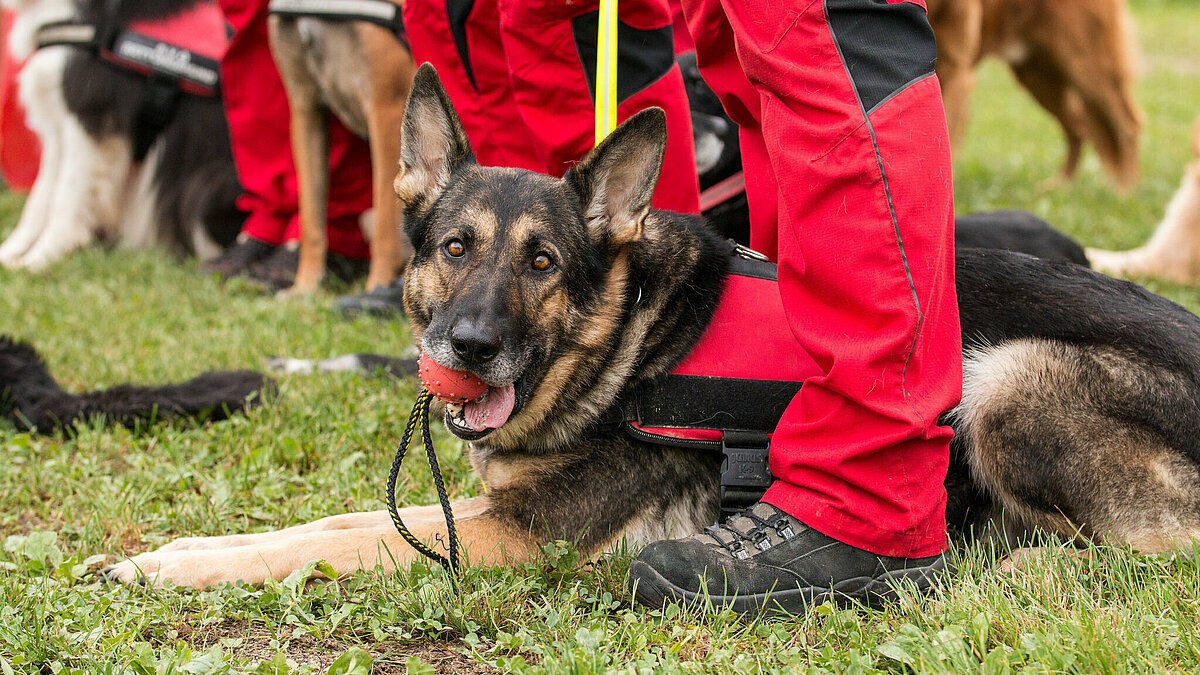
A dog’s nose is its superpower. Packed with millions of scent receptors, it can isolate human odor even when that odor is diluted by wind, rain, or rubble. This sensitivity allows a single canine to sweep a large area in minutes, directing rescuers to spots that might otherwise take hours to reach.
Trailing
By discriminating among millions of scent particles, a trailing dog can follow an individual’s unique “odor signature” across streets, woods, or fields. The trail may be hours old and crossed by other people, yet the dog stays on track, saving precious time.
Air Scenting
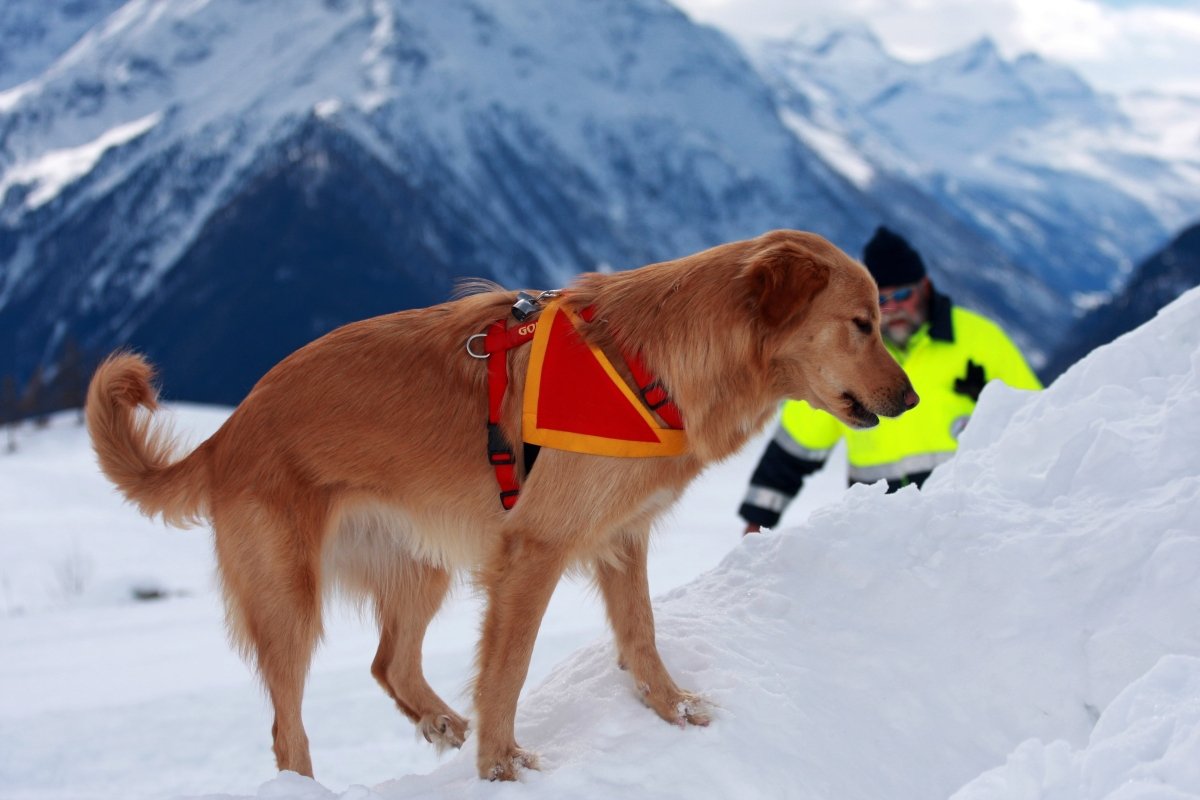
Instead of following a ground track, air-scent dogs cast back and forth on the breeze, sniffing for any human scent rising into the air. This skill is ideal for open landscapes or collapsed structures where a victim may be hidden from sight but not from smell.
Human Detection
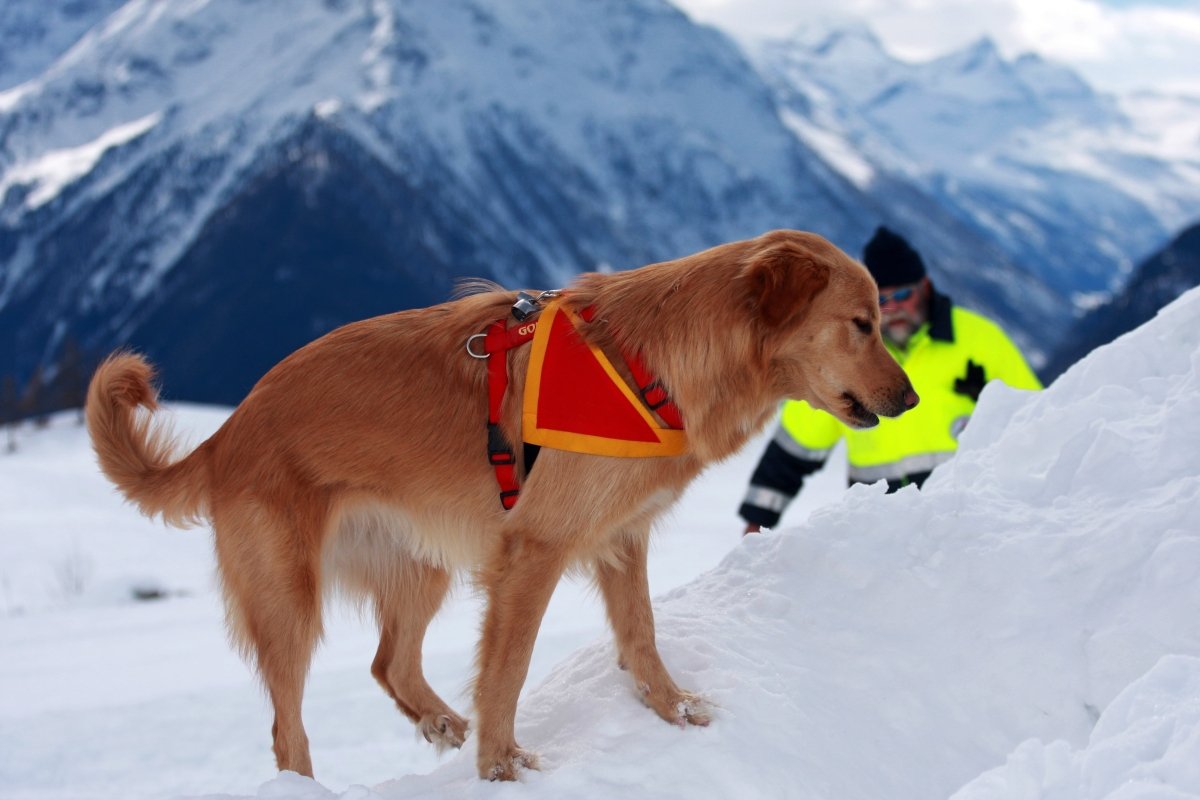
Whether the person is conscious or not, moving or still, a well-trained dog will indicate the find—often with a clear, trained alert such as a bark or a sit—guiding rescuers to the exact location.
The Impact of Search and Rescue Dogs on SAR Operations
The benefits extend far beyond a quick find.
Increased Efficiency
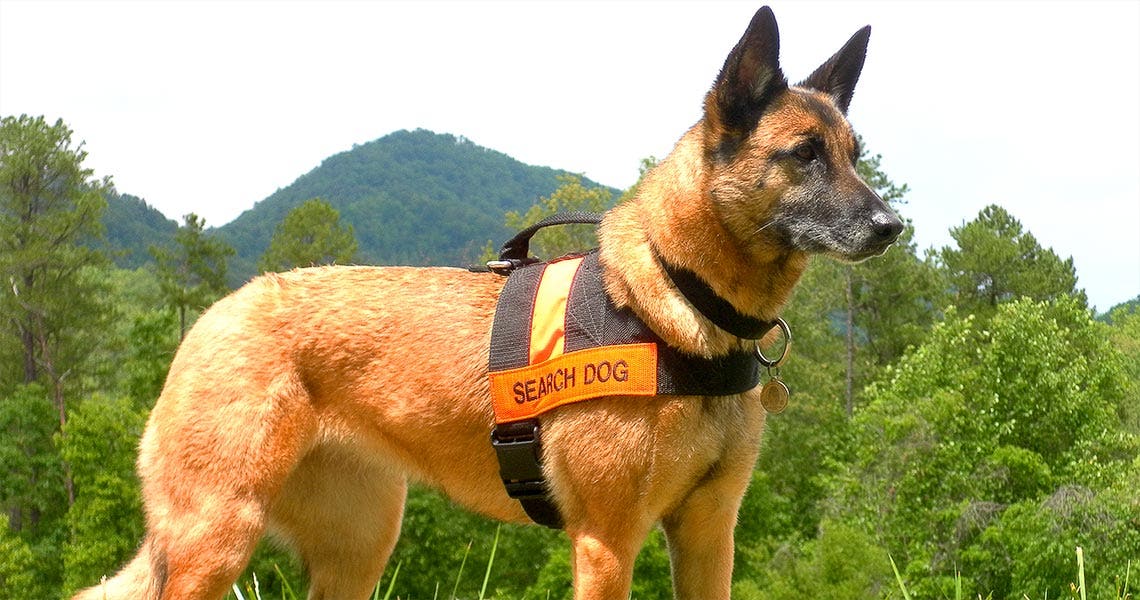
A canine team can clear an area up to four times faster than a human-only squad, freeing resources for medical aid or evacuation.
Enhanced Accuracy
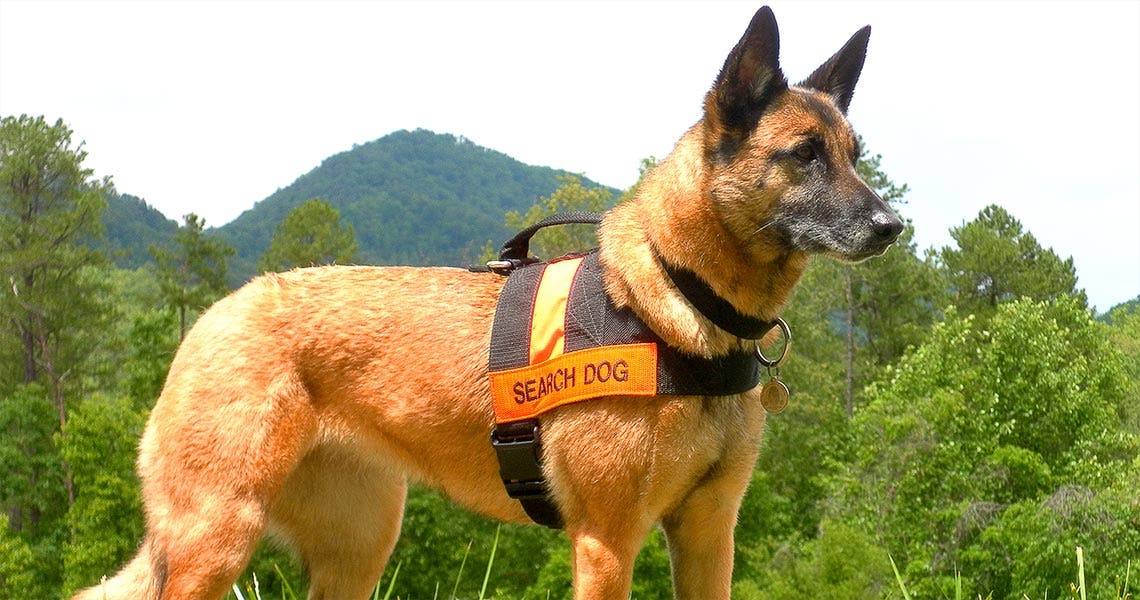
Few tools are as precise as a dog’s nose. False positives are rare, and missed victims are even rarer, giving incident commanders confidence in their decisions.
Reduced Risk to Search and Rescue Teams
Dogs can squeeze into voids, trot across unstable slabs, or scramble down cliffs, sparing human rescuers from unnecessary danger.
Emotional Support
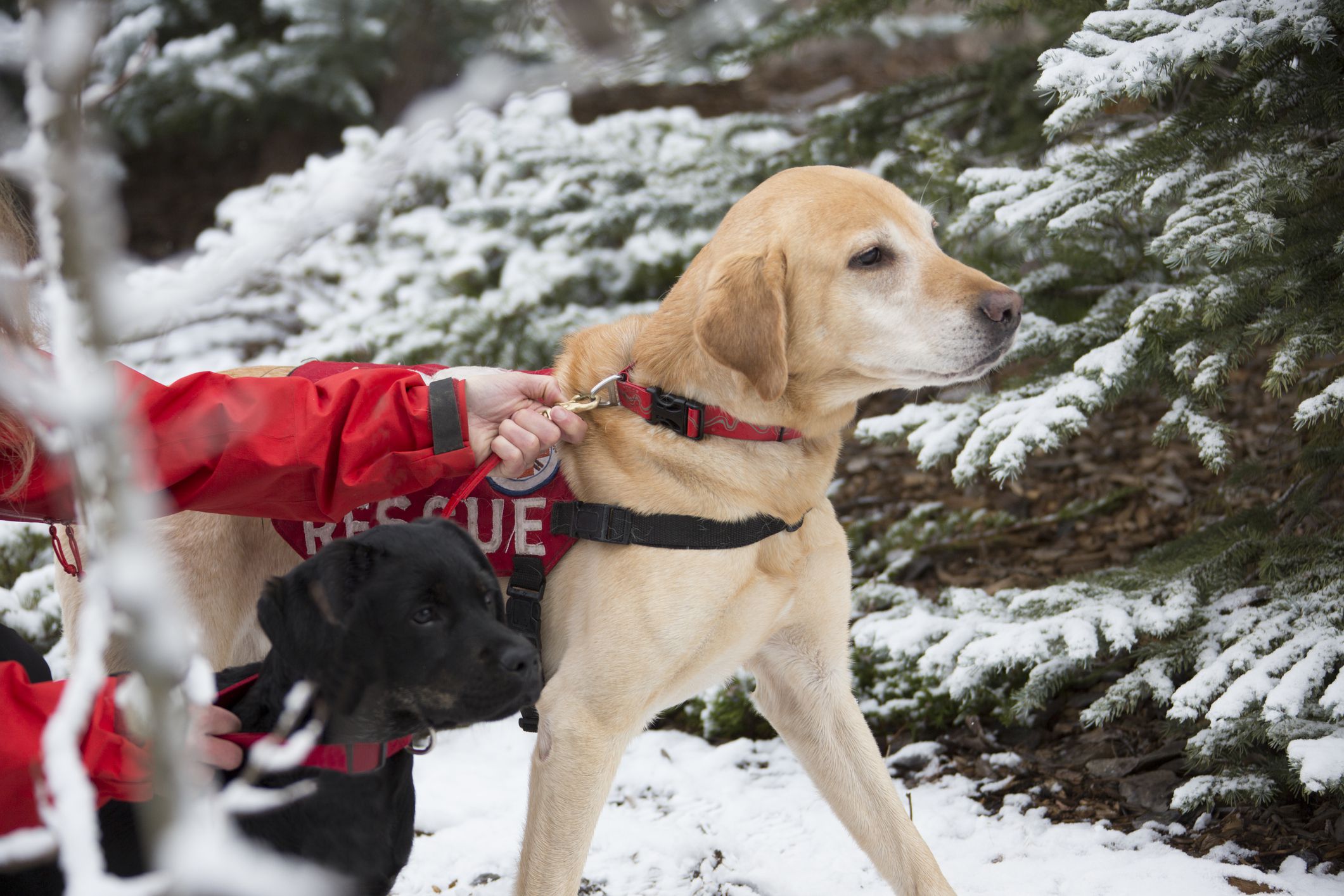
The simple sight of a friendly tail wag can steady a trapped child, comfort a shaken responder, or offer grieving families the first glimmer of hope.
Training and Certification of Search and Rescue Dogs
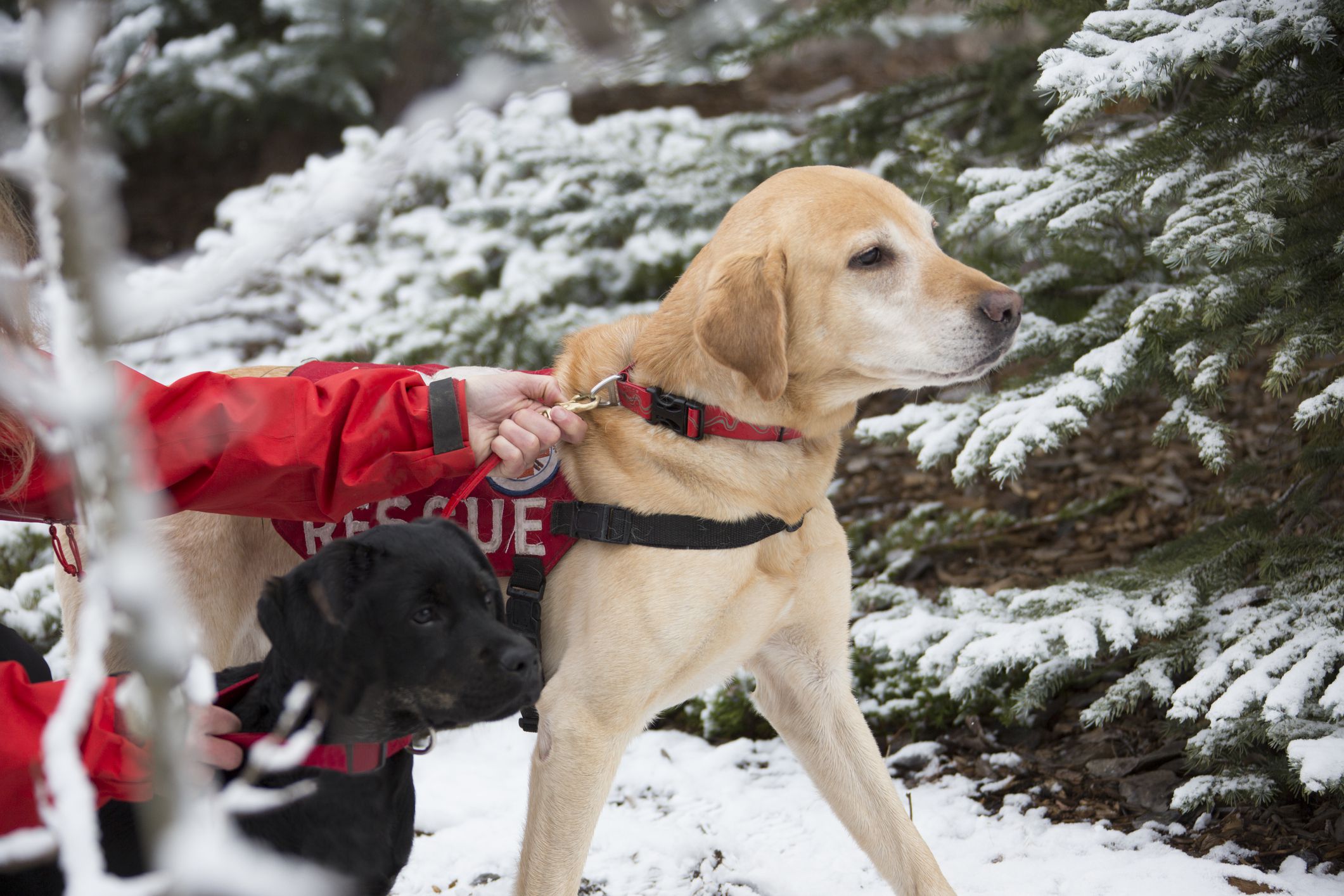
Turning a playful puppy into a reliable lifesaver is a journey measured in years, not weeks.
Selection
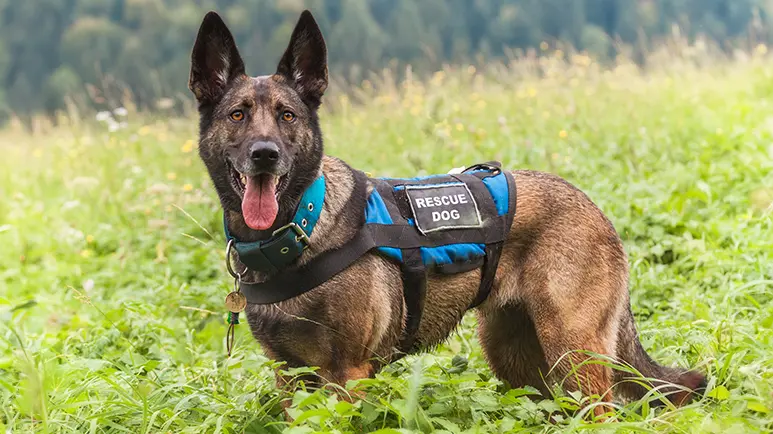
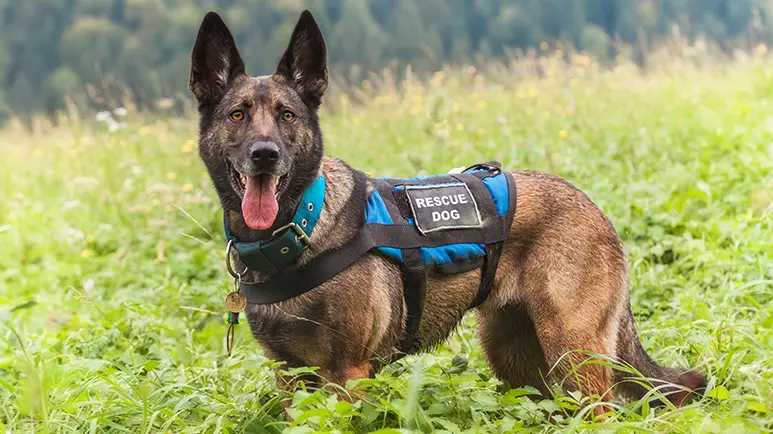
Trainers look for balanced drive: a love of toys, a willingness to please, and the physical stamina to work in harsh conditions. Popular choices include shepherds, retrievers, and spaniels, but mixed breeds with the right attitude can excel too.
Obedience Training
Before scent work begins, the dog must master basic commands under distraction—sit, down, come, heel—ensuring control in noisy, chaotic environments.
Scent Work Training
Using a game of hide-and-seek, trainers teach the dog to link the smell of human skin rafts with a reward. Gradually, puzzles become harder: larger areas, longer times, varied weather.
Field Training
Realistic scenarios—rubble piles, wooded hills, night drills—build confidence and endurance. Dogs learn to navigate unstable footing, ignore wildlife, and indicate faithfully even when tired.
Certification
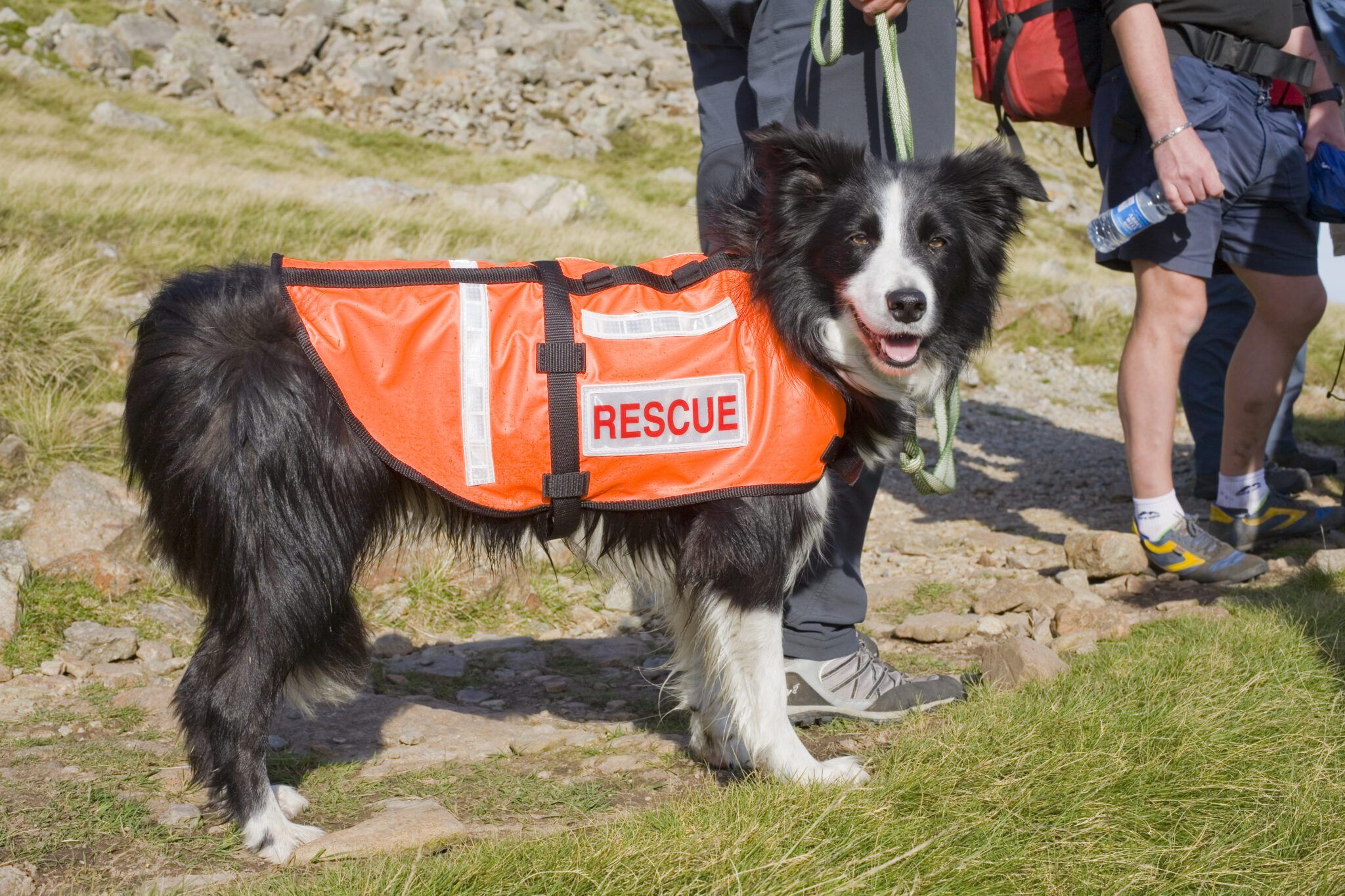
Independent assessors test each team on multiple search problems. Only those that demonstrate speed, accuracy, and solid obedience earn the title of certified search-and-rescue dog.
Conclusion
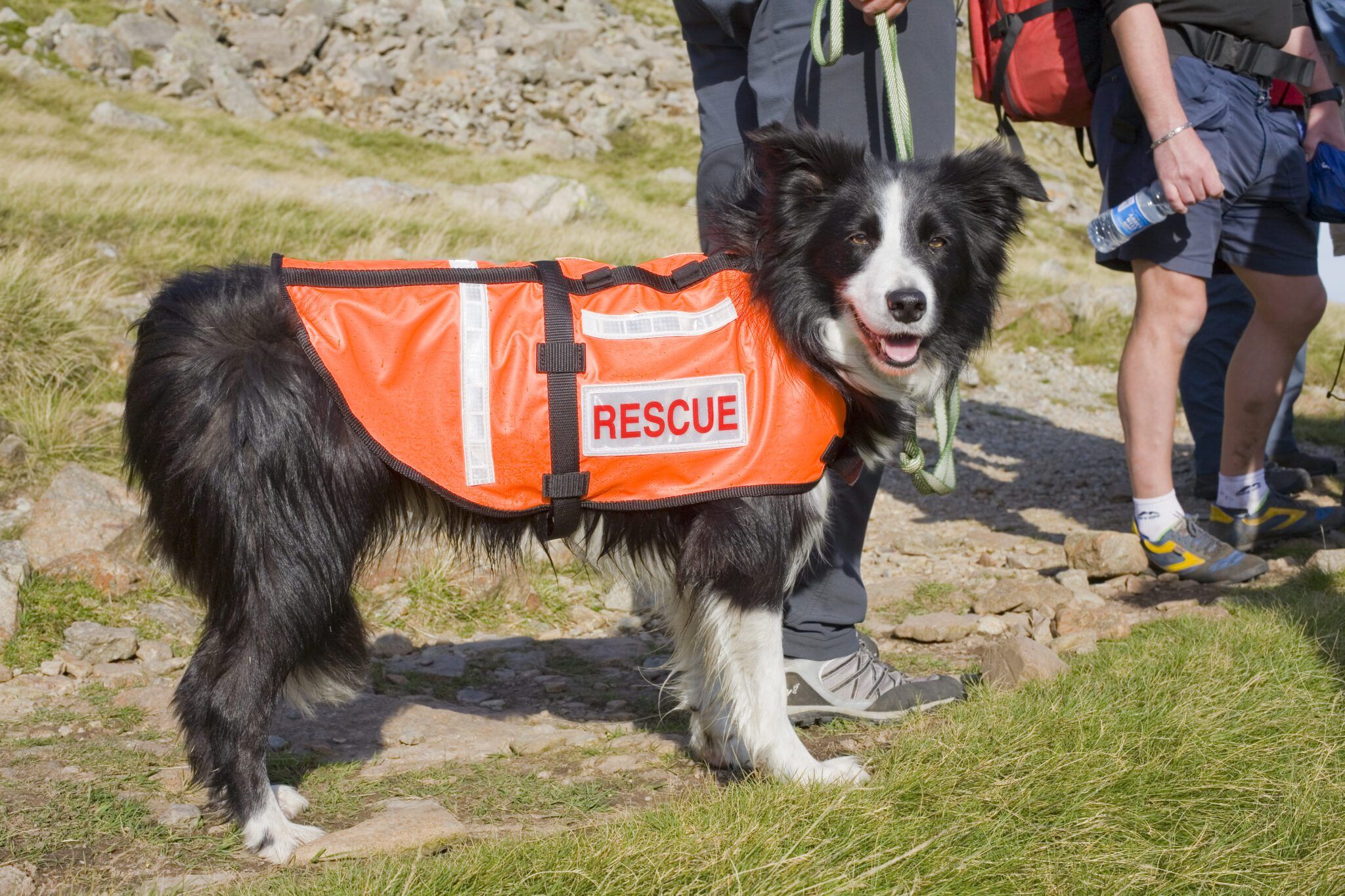
From the first whistle of wind across a disaster zone to the final joyful reunion, search-and-rescue dogs serve as living bridges between despair and hope. Their unique senses, tireless hearts, and rigorous training make them indispensable partners in the global mission to save lives. Continued investment in their skills—and in their well-being—ensures that when the next call comes, these four-legged heroes will be ready.
Recommendations and Future Research
To keep the momentum alive, communities and agencies can focus on four priorities:
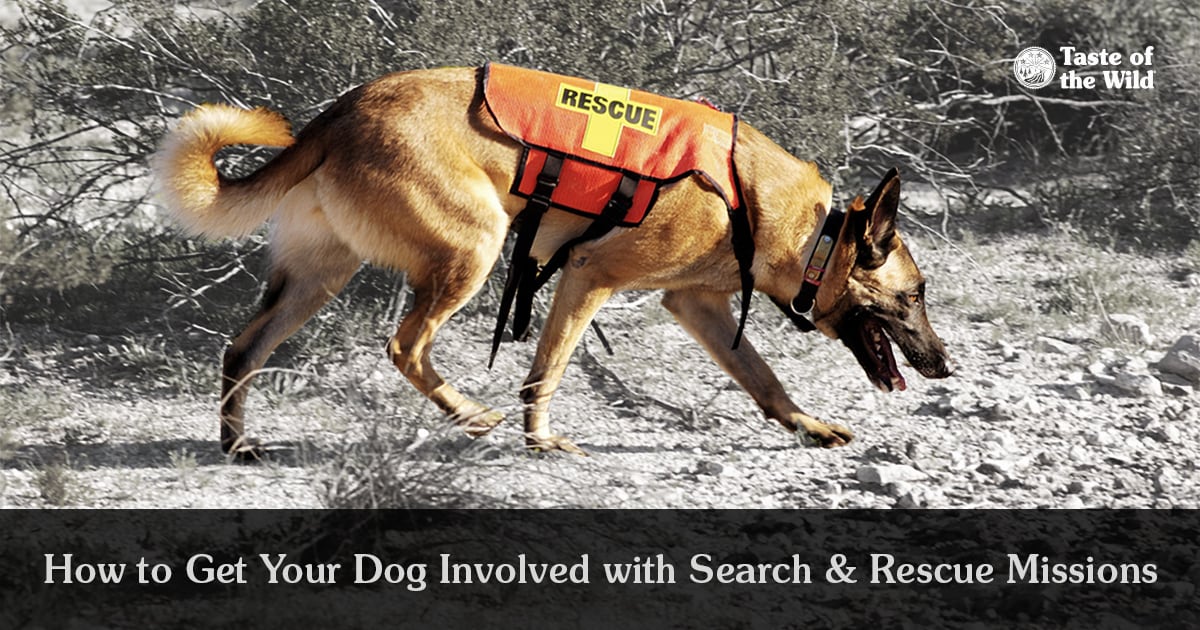
1. Expand funding for volunteer training groups, who often cover kennel costs out of pocket.
2. Harmonize standards across regions so a certified team from one country can deploy seamlessly in another.
3. Study long-term physical and mental health of working dogs, refining retirement protocols that honor years of service.
4. Integrate canine teams with emerging tools—drones for wide-area scans, wearable sensors for vitals—creating hybrid search systems that are faster and safer than either method alone.
By supporting these steps, we safeguard not only the lives of future victims but also the loyal companions who stand ready to find them.