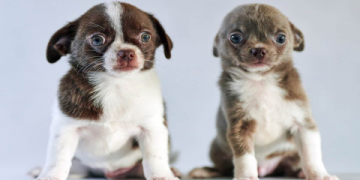
The Impact of Puppy Advertising: A Comprehensive Analysis
Introduction
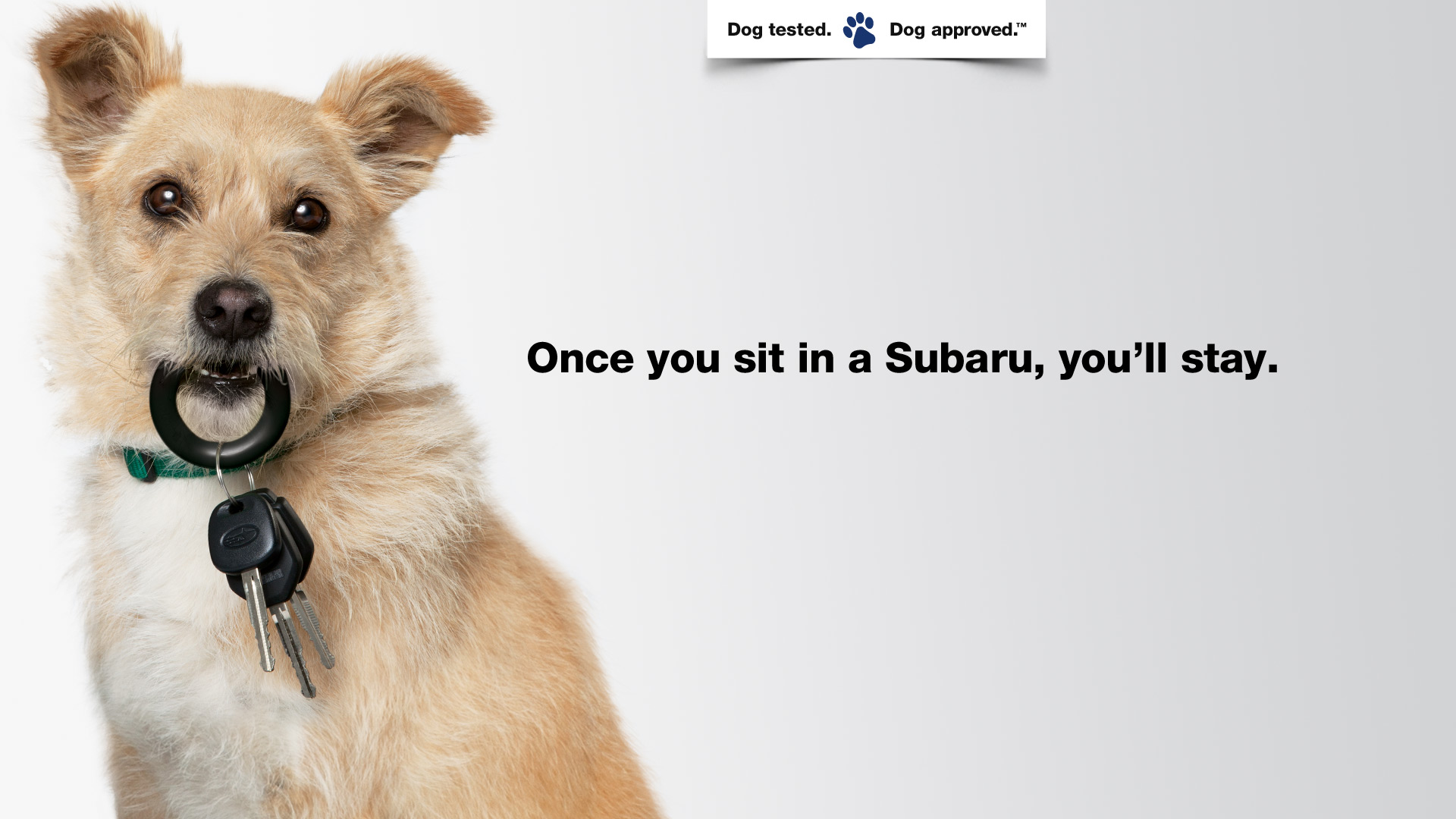
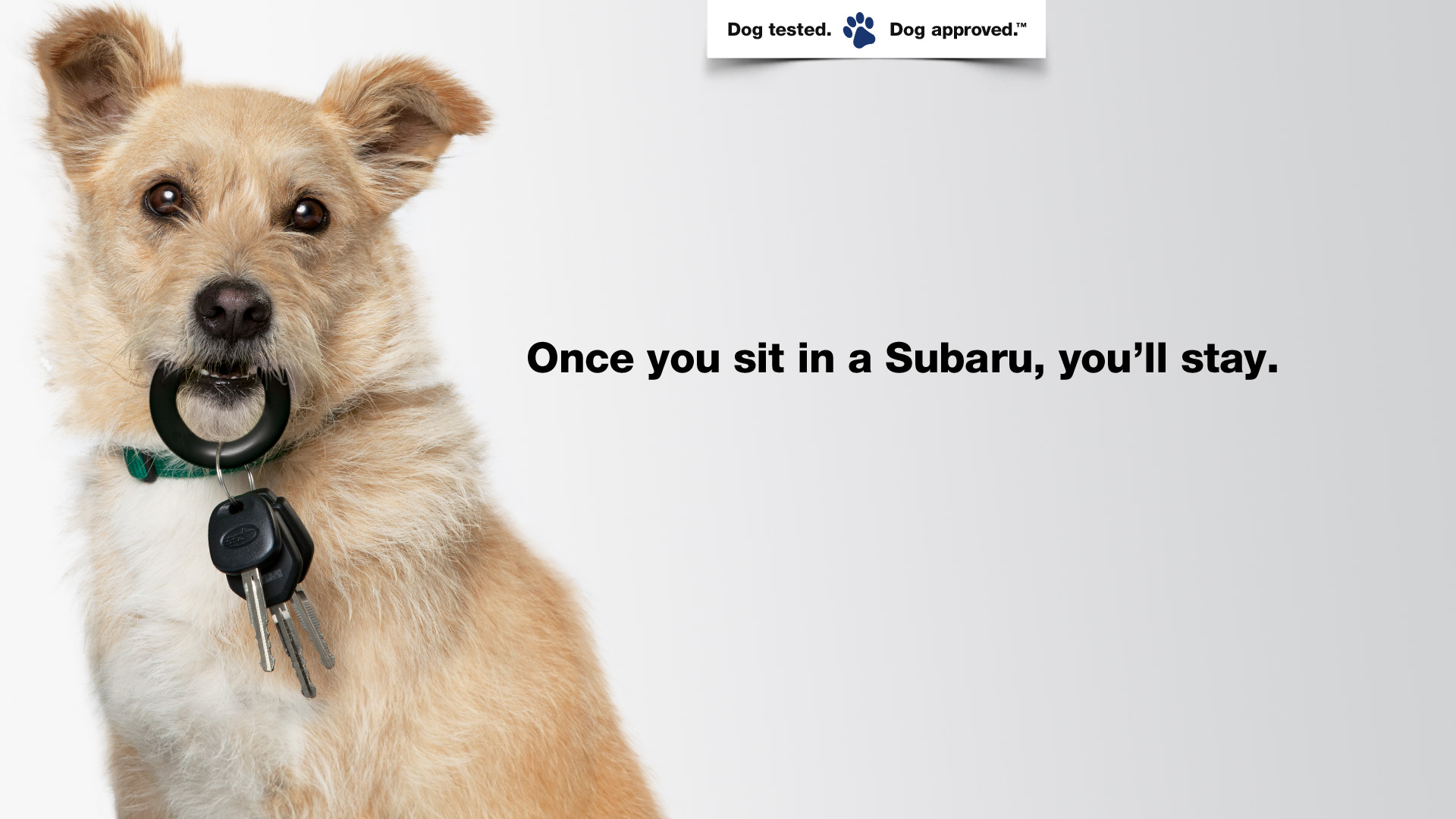
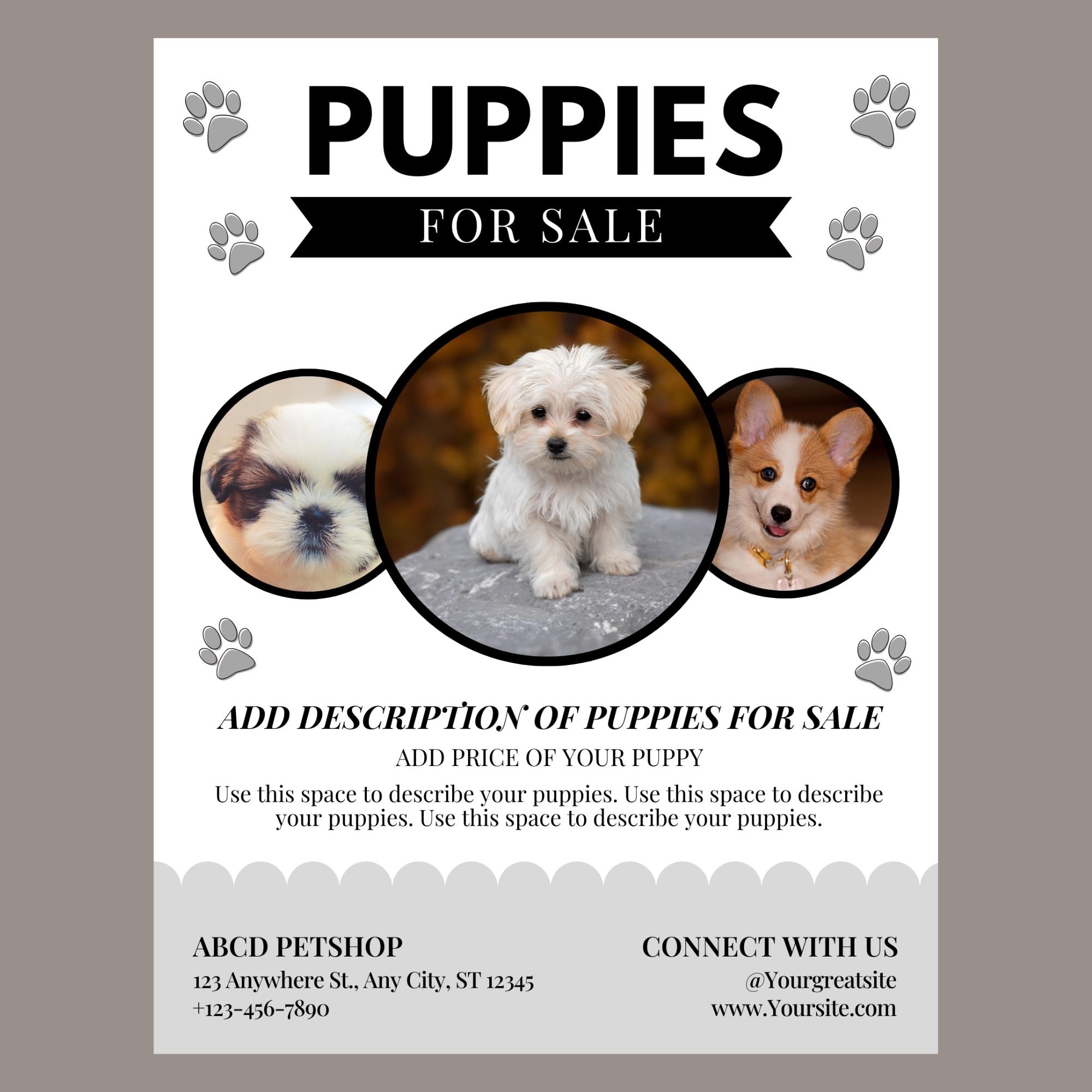
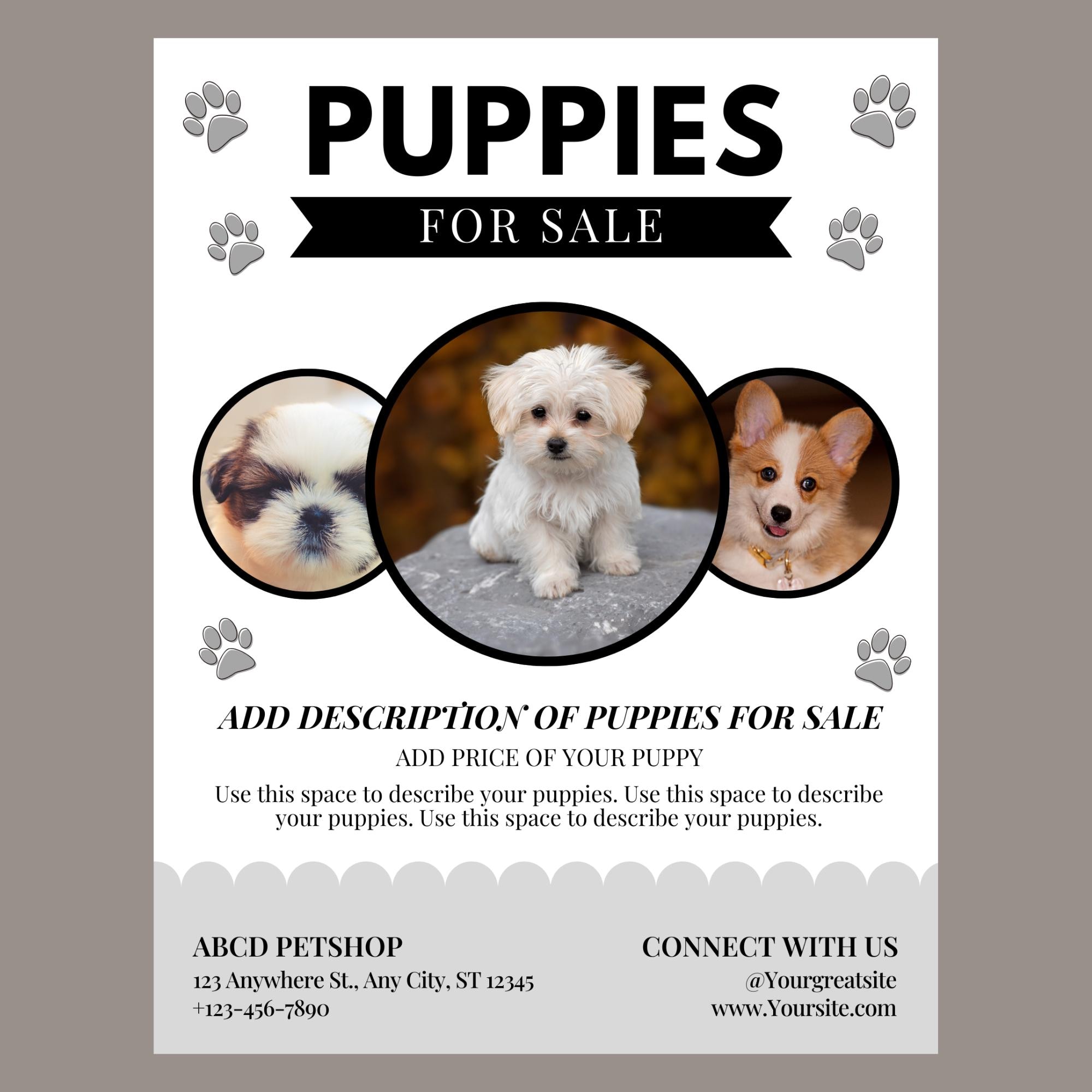
Puppy advertising has become a major force in the pet sector, shaping how people discover and welcome new companions. As digital platforms grow, images and stories of young dogs travel faster and farther than ever, influencing breeders, rescue groups, and retailers alike. This overview explores how such advertising affects choices, raises welfare questions, and ripples across the wider companion-animal market.
The Rise of Puppy Advertising
1.1 The Evolution of Puppy Advertising
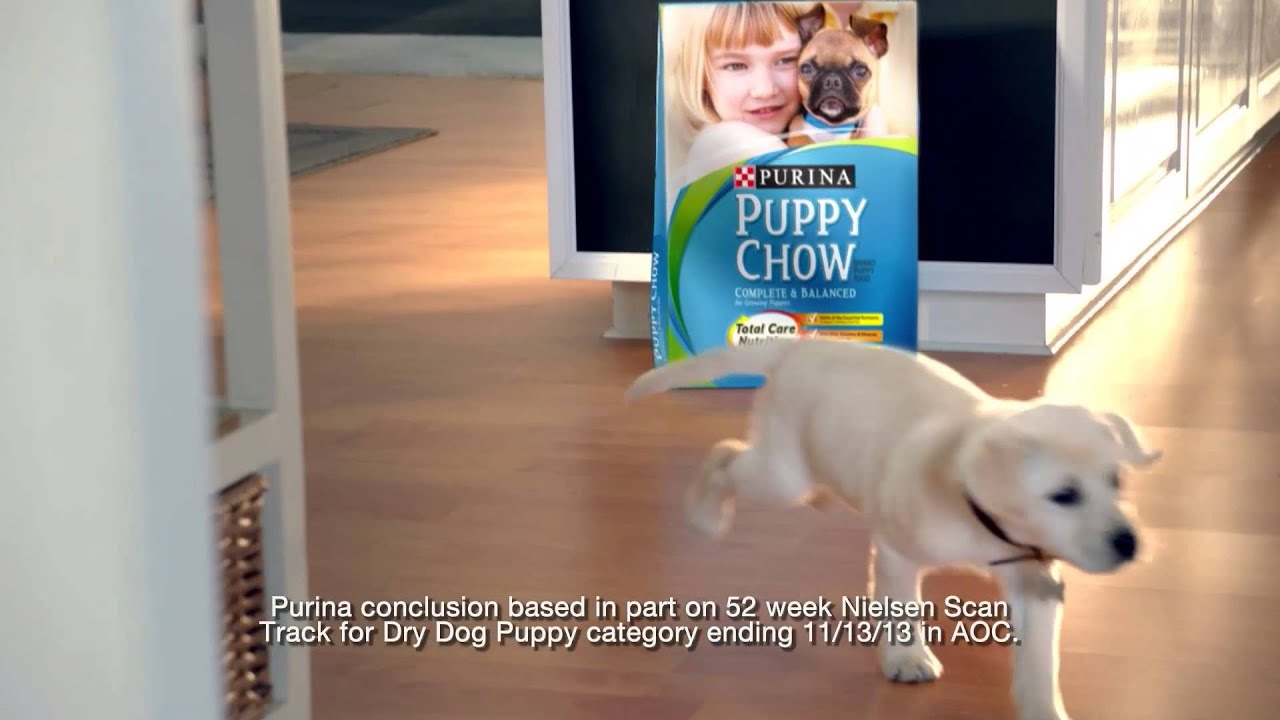
What once relied on newspaper classifieds has shifted to timelines, reels, and curated websites. High-speed internet and smartphones allow instant sharing of photos, clips, and live streams, turning tiny puppies into global stars within minutes.
1.2 The Role of Social Media
Social networks thrive on feel-good content, and few things feel better than playful puppies. By tapping into this appeal, caregivers can reach vast audiences, matching litters with suitable homes across cities or even continents.
The Impact on Consumer Behavior
2.1 Emotional Appeal
Large eyes, wagging tails, and clumsy paws trigger immediate affection, often prompting quick decisions. This emotional surge can sometimes overshadow practical thoughts about training, costs, and long-term commitment.
2.2 Consumer Decision-Making
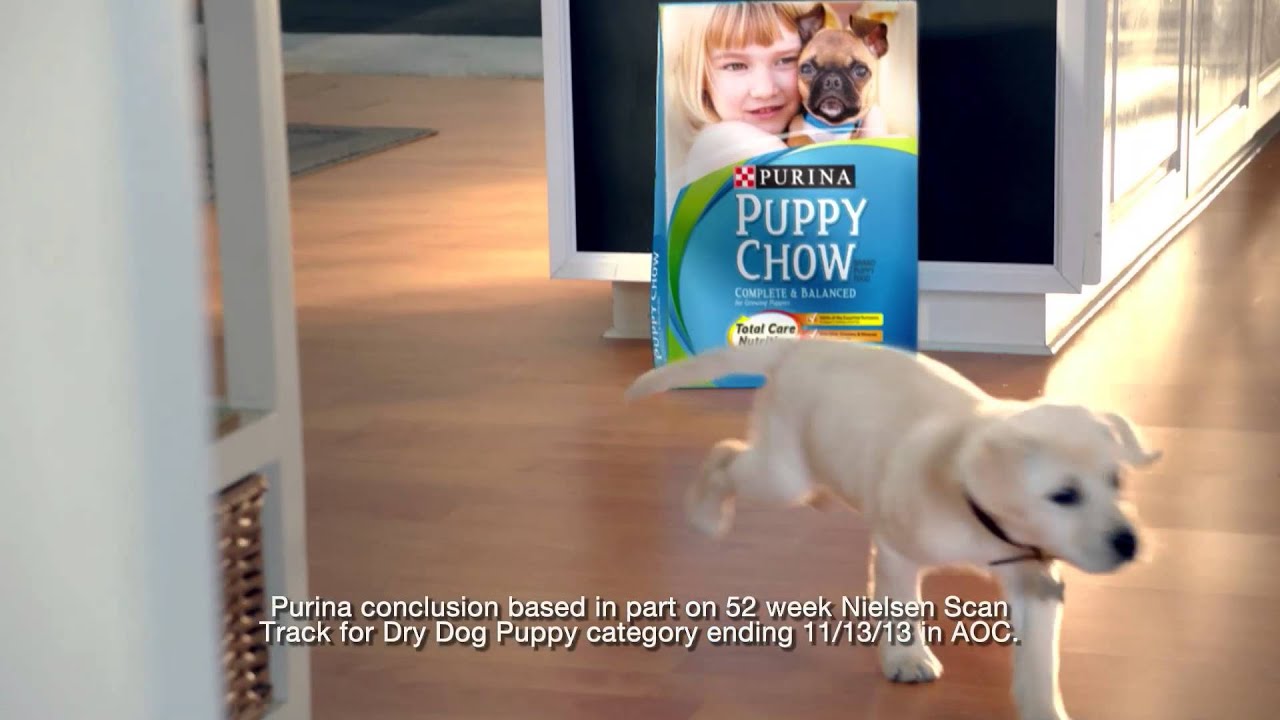
Ads frequently highlight the happiness a young dog brings—morning walks, cozy cuddles, family play—nudging viewers toward imagining that lifestyle for themselves.
2.3 The Role of Trust and Credibility
When messages come from transparent, well-reviewed sources, audiences feel safer. Clear health checks, honest timelines, and open facilities build confidence that the advertised puppy has been raised with care.
Ethical Considerations in Puppy Advertising
3.1 The Importance of Ethical Practices
Responsible promotion puts animal welfare first: proper nutrition, socialization, veterinary attention, and gradual weaning. Marketing should reflect these standards rather than disguise shortcomings.
3.2 The Risks of Puppy Mills
High demand can fuel mass-breeding operations focused on volume, not well-being. Dogs from such places may carry hidden illnesses or behavioral challenges, leading to heartbreak and expense for new caregivers.
3.3 The Role of Regulations
Licensing, inspection protocols, and advertising standards aim to block low-welfare suppliers. Consistent enforcement and clear penalties help protect both animals and the public.
The Broader Implications for the Pet Industry
4.1 The Economic Impact
Visually driven campaigns boost inquiries, sales of supplies, and service bookings, adding substantial revenue streams. Yet rapid growth invites scrutiny over whether quantity is overtaking quality.
4.2 The Social Impact
Heart-warming stories encourage adoption, which can ease shelter crowding and enrich human lives. Conversely, fads for specific looks may leave other animals overlooked and contribute to uneven population flows.
4.3 The Environmental Impact
Transporting young dogs over long distances leaves a carbon pawprint. Greener options—local sourcing, virtual meet-and-greets, and consolidated trips—can mitigate this strain.
Conclusion
Puppy advertising wields notable power: it sparks joy, drives commerce, and shapes lifelong bonds. Harnessing that power responsibly requires balancing emotional pull with verifiable welfare standards, informed consumers, and vigilant oversight.
Recommendations and Future Research
To keep the influence positive, stakeholders could:
1. Support stronger rules that deter substandard breeding and reward transparent operators.
2. Encourage ads to include verified health details, living conditions, and return policies.
3. Pair campaigns with educational messages on exercise needs, lifelong costs, and training essentials.
Further study might examine:
1. How early exposure to puppy images affects long-term guardianship satisfaction.
2. Which communication styles best steer the public toward ethical sources.
3. Practical ways to lower the environmental footprint of matching pets with people.