Animal Rescue: A Heartwarming Short Story
Introduction
Animal rescue is a compassionate movement that changes lives—both animal and human. It centers on saving, healing, and re-homing creatures who have been lost, hurt, or forgotten. The following tale illustrates how one small act of kindness can ripple outward, reminding us that everyone can play a part in this shared responsibility.
The Story of a Timid Wanderer
On the edge of a quiet rural town, a thin, wary dog appeared one autumn morning. His coat was patchy, his gait hesitant, and his eyes seemed to scan every shadow for danger. Locals noticed him rummaging through bins outside the café, yet no one stepped forward—until a passer-by paused and crouched at a respectful distance.
The stranger, a traveler with a soft spot for animals, set down a bowl of water and a handful of dry kibble. The dog froze, then inched forward, tail tucked low. Day after day the ritual repeated: fresh water, gentle words, and steady patience. By the end of the week, the wanderer accepted a light scratch behind the ears, and the first tentative tail wag flickered like a candle in wind.
The Rescue Efforts
Trust, once sparked, grows quickly. The traveler contacted a nearby welfare group whose volunteers arrived with a padded crate and calm expertise. At the clinic, vets treated sore paws, vaccinated, and neutered him. Safe in a quiet kennel lined with blankets, the dog—now called “Scout”—slept for almost a full day, exhaustion finally overtaking fear.
The Rehabilitation Process
Recovery took weeks of quiet consistency. Caregivers used treats, toys, and predictable routines to replace anxiety with curiosity. Scout learned to walk on a leash, to sit when asked, and to share space with other gentle dogs. Each small success—accepting a new person, wagging at playtime—was celebrated as a milestone on the road to a new life.
The Impact of Animal Rescue
Scout’s journey highlights why rescue matters. One person’s choice to stop and help set off a chain reaction: medical care, emotional healing, and eventually a forever home. The broader benefits echo far beyond a single tail wag:
1. Saving Lives
Rescue networks intercept animals before illness, injury, or loneliness claims them. Shelters provide vaccines, food, and time—simple ingredients that turn desperation into possibility.
2. Improving Welfare Standards
Every adoption, foster placement, or donation funds spay-neuter clinics, cruelty investigations, and public education. As communities witness visible change, expectations rise and standards improve.
3. Deepening Human Compassion
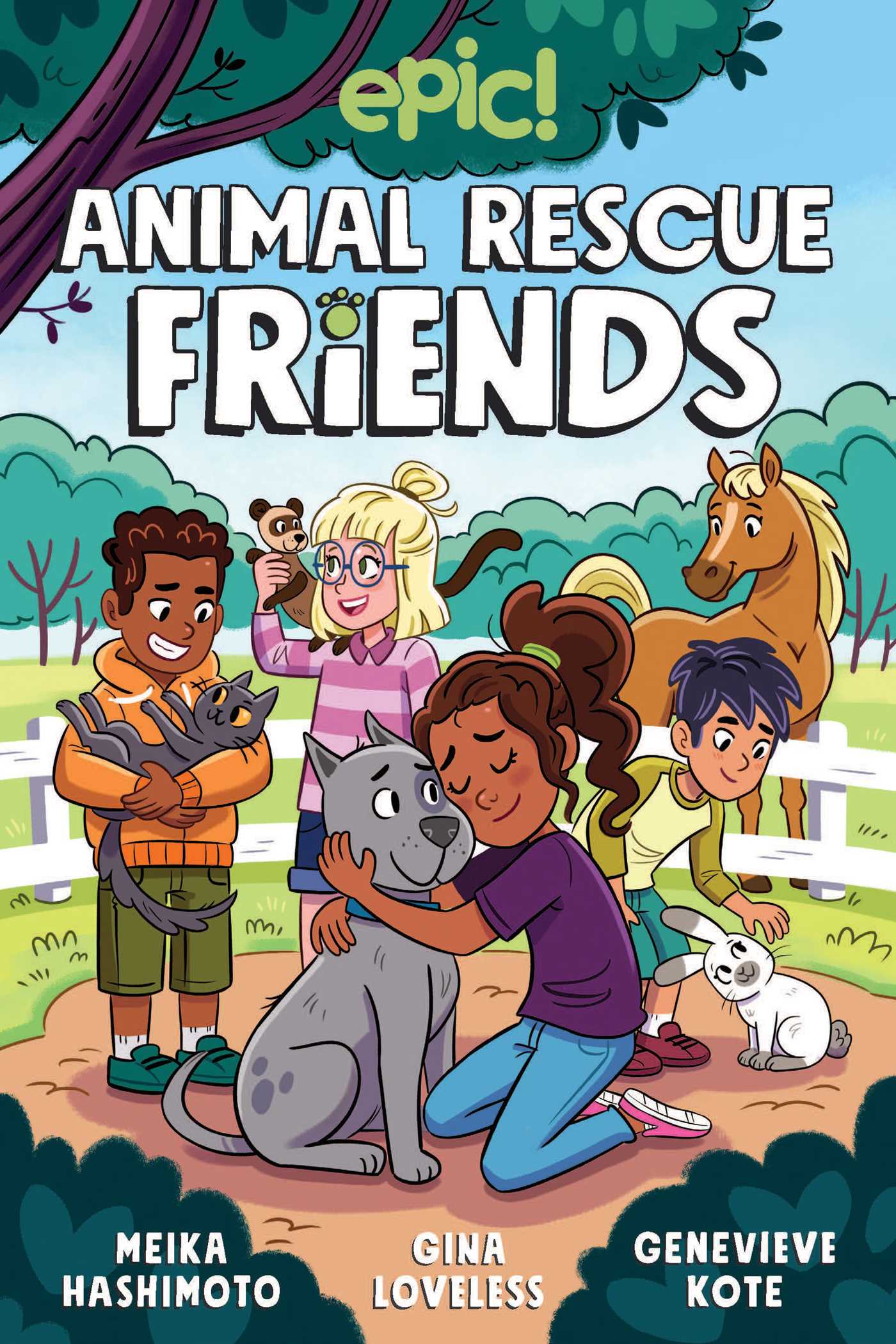
Caring for a frightened creature teaches patience, empathy, and responsibility. Children who grow up watching injured animals heal carry those lessons into adulthood, shaping a kinder society.
Conclusion
Scout now greets each morning with a full-body wag and a plush toy in his mouth—proof that second chances work. Animal rescue is not a single heroic act; it is the accumulation of ordinary people choosing to notice, to care, and to act. When we open our gates, our wallets, or simply our hearts, we weave safety nets strong enough to catch those who cannot speak for themselves.
Recommendations and Future Research
Progress depends on sustained, practical effort. Consider these steps:
1. Increase Public Awareness
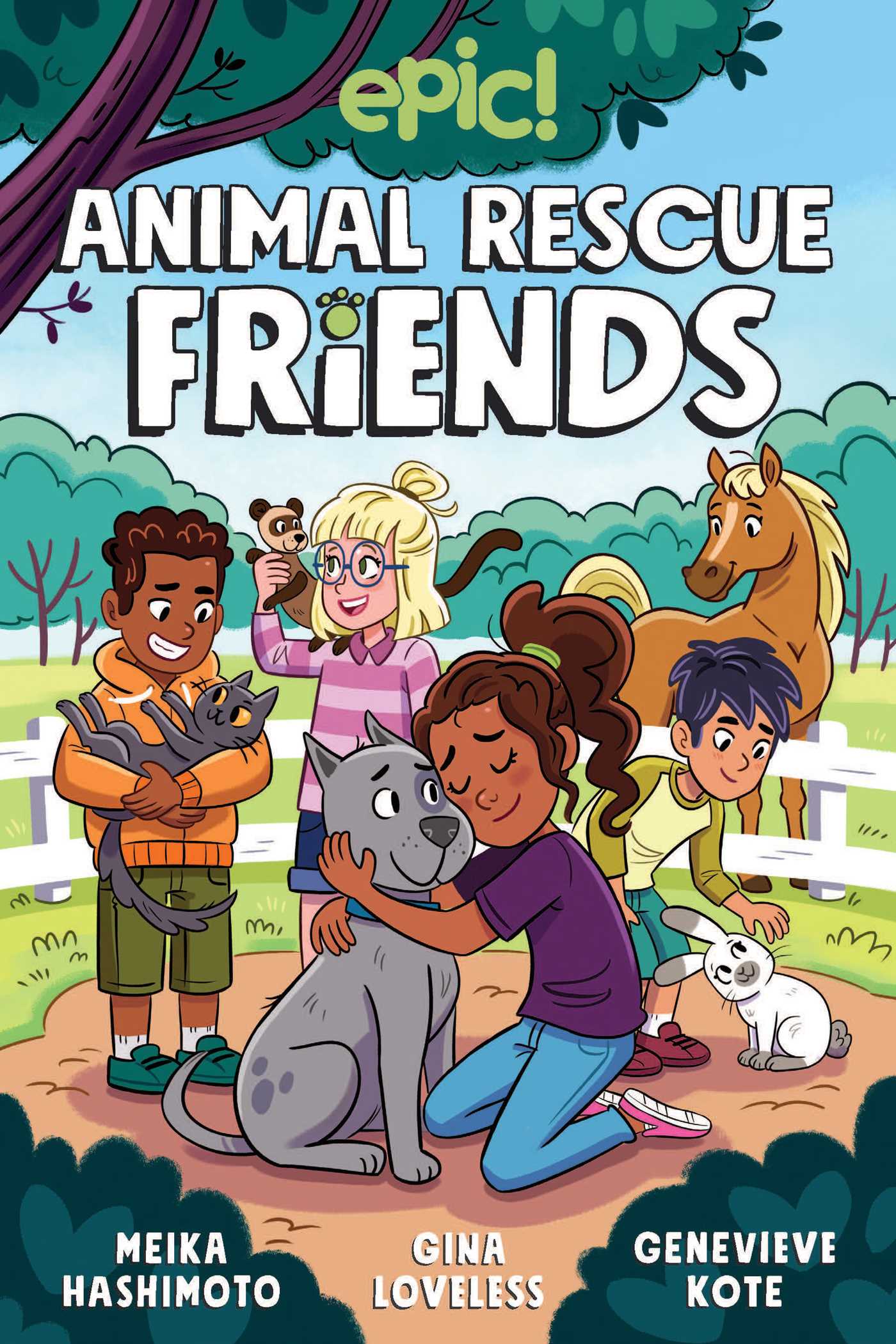
Share success stories, volunteer photos, and clear adoption information online and in local media. Visibility replaces apathy with action.
2. Strengthen Collaboration
Veterinarians, transport volunteers, shelters, and municipal services can coordinate supplies, funding, and expertise, ensuring no region is overlooked.
3. Support Ethical Research
Studies on stress-free handling, post-trauma behavior, and community cat management refine best practices, allowing limited resources to stretch further.
In the end, every healed paw print on a once-empty floor is evidence that change is possible. By choosing to participate—whether through adoption, donation, or simply spreading the word—we keep the circle of compassion unbroken.