The Evolution and Impact of Mobile Pet Grooming
Introduction
The pet grooming industry has undergone a quiet revolution, driven by shifting lifestyles and a growing desire for convenience. One of the most visible changes is the emergence of fully-equipped grooming vans that pull up to the curb. This article traces how mobile grooming has matured, why it resonates with owners, and what practical value it adds to everyday pet care. By weighing the benefits, common hurdles, and likely next steps, we can see why the trend is now a staple rather than a novelty.
The Rise of Mobile Grooming Services
Definition and Concept

Mobile grooming delivers salon-quality baths, trims, and nail care inside a self-contained vehicle parked outside the customer’s home. The model eliminates car rides and waiting rooms, replacing them with one-on-one attention and a schedule that revolves around the owner’s day.
Evolution of Mobile Grooming
What began as a handful of converted trailers in the early 2000s has grown into a nationwide network of specialized vans. Incremental upgrades—quiet dryers, low-stress cages, water-saving systems—have turned the early experiment into a professional segment recognized by vets and trainers alike.
Benefits of Modern Mobile Grooming
Convenience
A booking app or quick call is all it takes to arrange a session before work, during lunch, or after the school run. There is no juggling leashes in a lobby or rushing across town; the groomer arrives, sets up, and finishes while the owner carries on with the day.

Personalized Attention
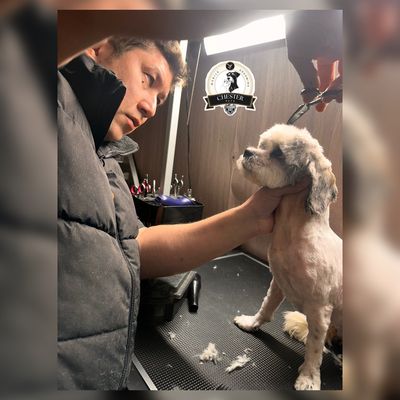
With only one animal (or one household’s pets) inside the van, the groomer can adapt the pace, products, and handling style to that specific animal. Extra time is available to spot skin issues, tangled coats, or anxiety triggers that might be missed in a busy shop.
Comfort for Pets
Dogs or cats that dislike car travel, slippery tables, or the presence of unfamiliar animals often relax when the spa rolls up to their own driveway. Familiar smells from home and the absence of other barking patrons keep stress hormones down and cooperation up.
Challenges and Solutions
Equipment and Training
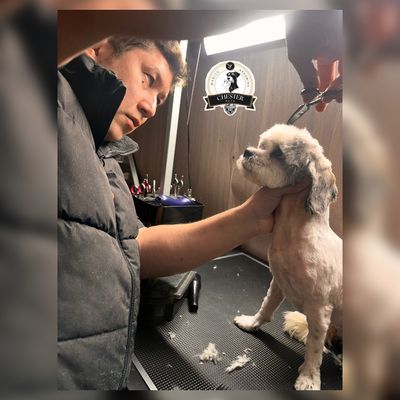
Operating in tight quarters demands compact, reliable tools and a solid understanding of safety protocols. Leading operators invest in modular tables, battery-powered clippers, and continuous education that covers both styling techniques and pet-first-aid basics.
Legal and Regulatory Issues
Each city sets its own rules for wastewater disposal, vehicle permits, and animal handling. Reputable services track these requirements, renew licenses on time, and carry the same insurance coverage expected of a bricks-and-mortar salon.
Customer Expectations
Clear communication about arrival windows, service length, and pricing prevents disappointment. Many providers send text updates, photos mid-groom, and follow-up notes to confirm the pet’s demeanor and any after-care tips.
The Impact of Mobile Grooming
Economic Impact
Every van on the road supports at least one groomer and, indirectly, local suppliers of shampoos, tools, and vehicle maintenance. The segment’s expansion has added flexible jobs that fit around family life and reduced the need for costly retail space.
Social Impact
By removing transport barriers, mobile grooming helps elderly, mobility-restricted, or first-time owners keep their companions clean and healthy. Regular, low-stress sessions strengthen the human-animal bond and encourage proactive care.
Future Prospects
Technological Advancements

Quiet hydraulic tables, app-based scheduling, and water-recycling systems are already common. Next on the horizon are smart dryers that adjust heat to coat type and digital records that sync with veterinary clinics for seamless health tracking.
Market Expansion
Demand is moving beyond major cities into suburbs and weekend vacation spots. Providers are testing subscription models and multi-pet packages that make year-round maintenance affordable for larger households.
Conclusion
Mobile grooming has moved from a niche luxury to a practical solution that fits modern routines. By prioritizing convenience, individualized care, and reduced anxiety for animals, the format has earned a permanent place in the broader pet-care ecosystem. Continued refinement of tools, training, and technology promises even smoother experiences ahead.
Recommendations and Future Research
To keep the momentum, practitioners are encouraged to:
1. Pursue ongoing education in behavior-aware handling and emerging coat-care products.
2. Invite owner feedback after every visit to fine-tune timing, products, and handling techniques.
3. Integrate digital calendars, route optimization, and contactless payment to raise service quality while lowering overhead.
Areas worth further study include:
1. Long-term health outcomes for pets that receive regular mobile grooming versus traditional salon visits.

2. Financial viability of mobile units in rural or seasonally shifting markets.
3. Adoption rates of eco-friendly equipment and their effect on water use, energy consumption, and client perception.