


The Comparative Anatomy of Feline vs Canine Paws: A Comprehensive Overview
Introduction
Paws are remarkable evolutionary tools that reflect the daily lives of cats and dogs. Although both species walk on four limbs, the design of their paws varies markedly, mirroring distinct survival strategies. This overview compares feline and canine paw anatomy, highlighting how form supports function and shapes everyday behavior.
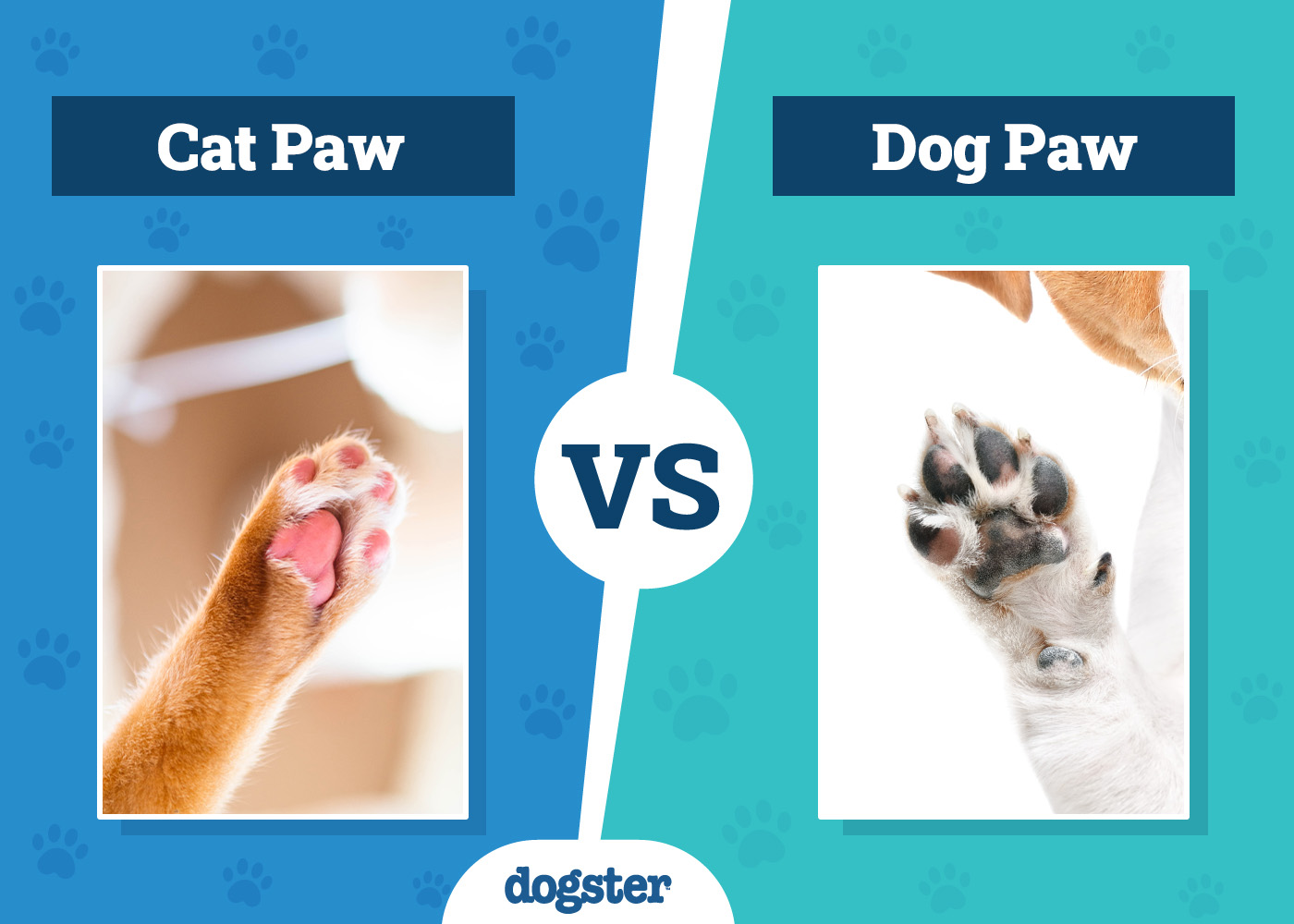
Structure of Cat Paws
1. General Shape and Size
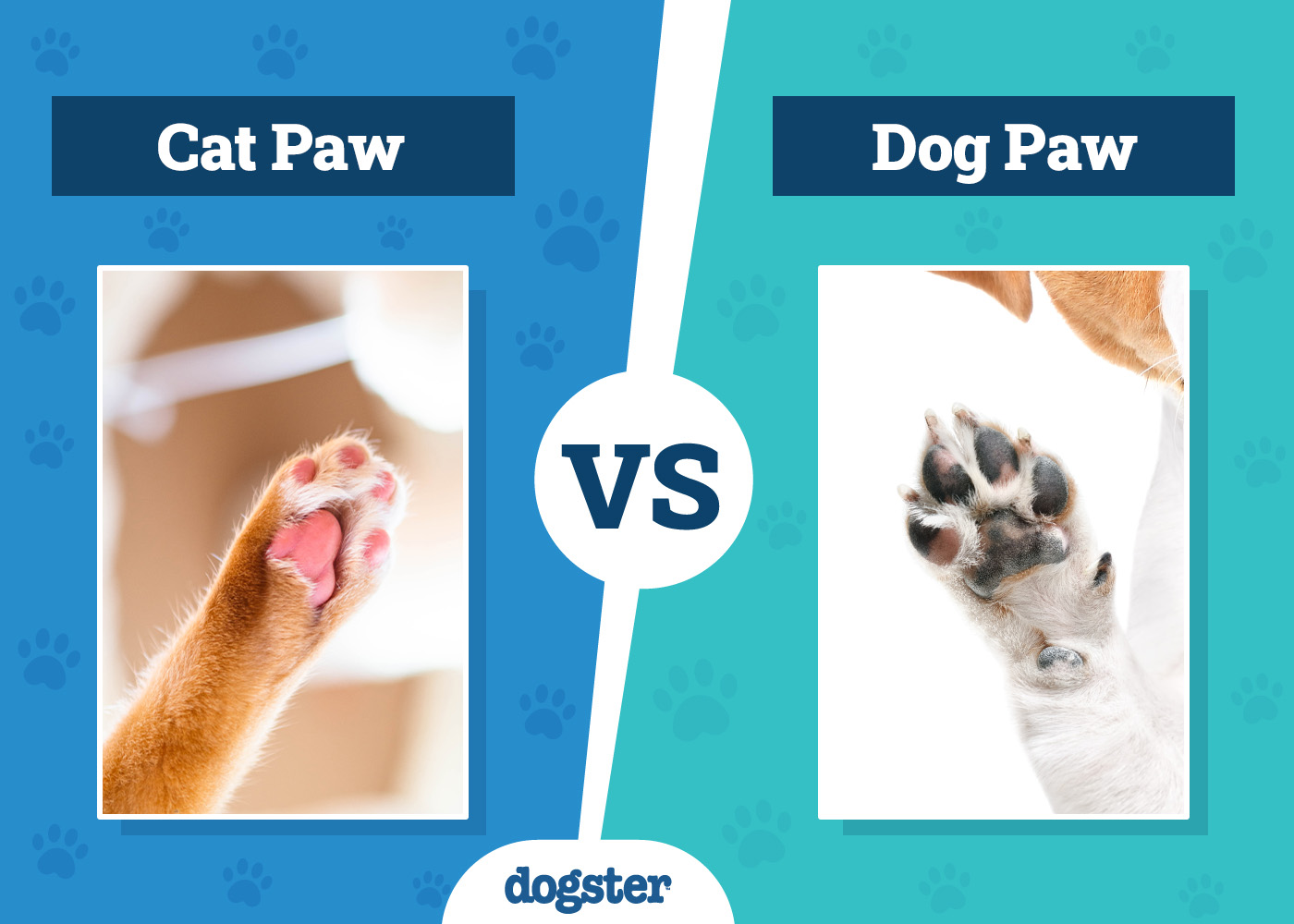
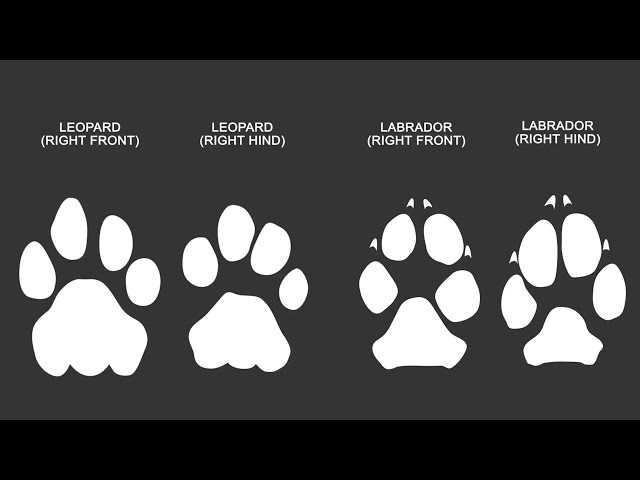
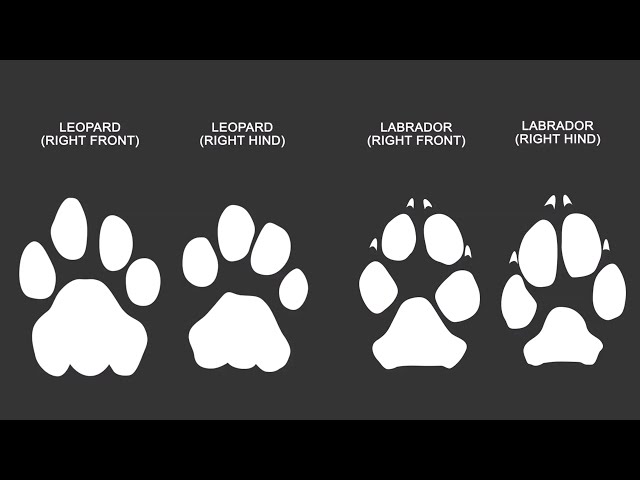
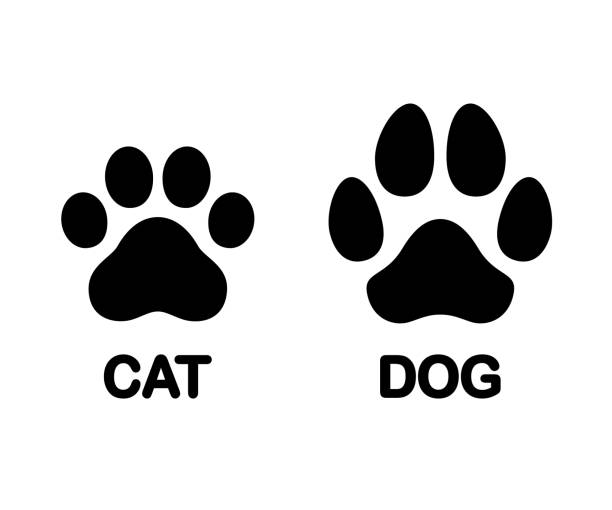
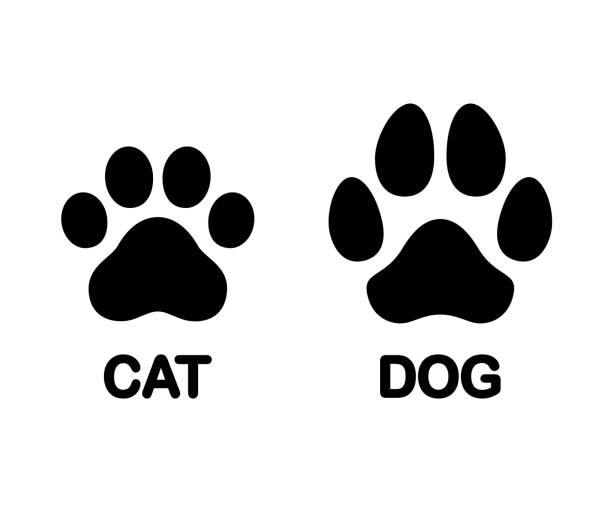
Feline paws are compact and rounded, giving the animals a stealthy, balanced stride ideal for sudden leaps and tight maneuvers.
2. Toe Count
Cats typically display five toes on the front paws and four on the hind pair, an arrangement that maximizes grip on branches, fences, or textured floors.
3. Claw Structure
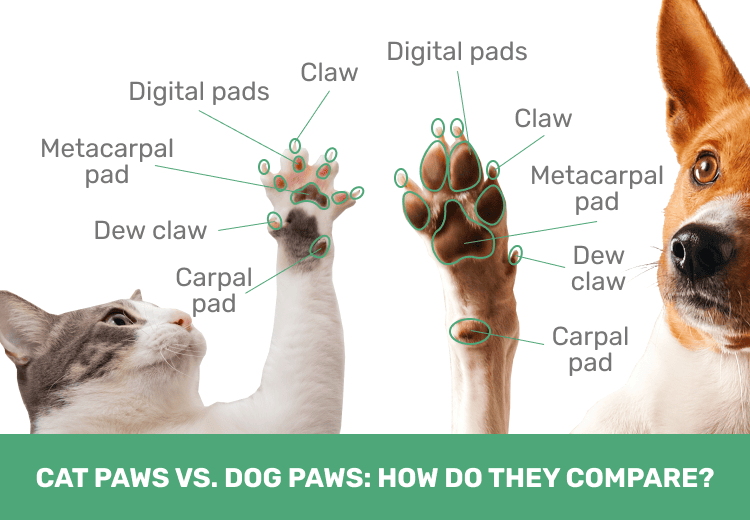
Their claws retract into protective sheaths, staying sharp for climbing or capturing prey while remaining hidden during casual strolls across the living-room carpet.
Structure of Dog Paws
1. General Shape and Size
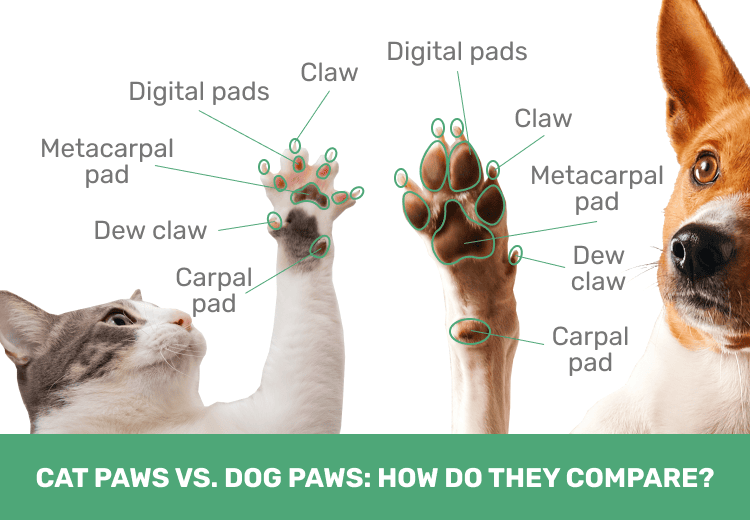
Canine paws are longer and broader, distributing body weight efficiently and providing stability for sustained trots or playful sprints.
2. Toe Count
Dogs commonly have four weight-bearing toes on each paw plus a dewclaw higher up on the front legs, giving extra traction when cornering at speed.
3. Claw Structure
Dogs’ claws are permanently exposed, acting like built-in cleats that grip soil during digging games or brisk walks on rough terrain.
Function of Cat Paws
1. Climbing
Retractable claws and flexible toes allow cats to scale vertical surfaces quickly, offering escape routes and elevated vantage points.
2. Hunting

Silent paw pads cushion each step, while sharp claws deliver a secure hold on moving targets, supporting the classic feline pounce.
Function of Dog Paws
1. Running and Walking

Sturdy pads and spread toes absorb impact, enabling dogs to cover long distances without fatigue, whether on neighborhood walks or open-trail adventures.
2. Digging and Playing
Ever-present claws shovel soil with ease, turning garden beds into temporary excavation sites and toys into objects of enthusiastic paw batting.
Comparative Analysis
1. Adaptation to Lifestyle
Feline paws favor vertical exploration and short, explosive bursts, whereas canine paws excel at endurance, varied terrain, and social play.
2. Environmental Factors
From carpeted apartments to grassy backyards, paw structure equips each species to navigate its preferred surroundings safely and efficiently.
Conclusion

Examining paw design side by side reveals how small anatomical differences support larger lifestyle choices. Recognizing these features deepens appreciation for the specialized ways cats and dogs interact with the world beneath their feet.
Recommendations and Future Research
Promising avenues for further study include:

1. Exploring the genetic pathways that sculpt paw morphology in domestic and wild relatives.
2. Measuring how varied surfaces influence paw wear and joint health over time.
3. Observing paw-related behaviors in naturalistic settings to refine animal welfare guidelines.
Continued inquiry will illuminate the elegant connection between anatomy, movement, and environment across the animal kingdom.




