Title: The Quiet Power of Independent Animal Sanctuaries
Introduction:
Across towns and countryside, independent animal sanctuaries have become gentle guardians for creatures left behind. These volunteer-driven havens offer more than food and shelter; they restore trust, health, and, ultimately, hope. This brief reflection looks at how these sanctuaries rescue, re-home, and educate, and why their quiet work deserves louder applause.
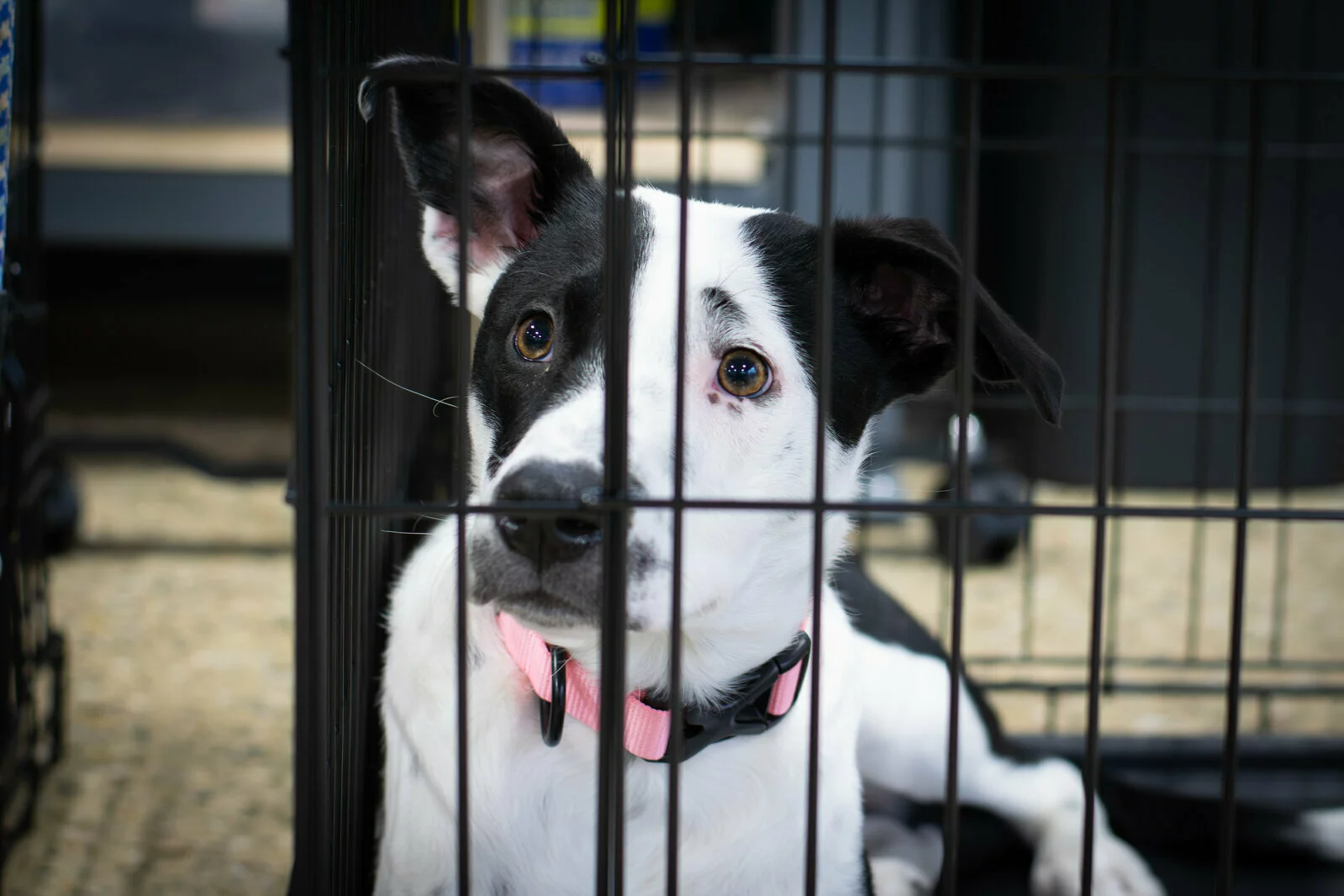
Role of Independent Animal Sanctuaries in Rescue
When an animal is dumped at a roadside or escapes a difficult home, local sanctuaries are often the first safe stop. Staff and volunteers provide immediate check-ups, warmth, and a calm space where fear can begin to fade. Each arrival receives vaccinations, parasite treatment, and, when needed, gentle rehabilitation that prepares them for a second chance at life.
Beyond physical care, these centers rebuild emotional resilience. Skilled caregivers use patience, toys, and predictable routines to help once-wary dogs, cats, rabbits, or birds learn that human hands can be kind. The transformation—from flinching to tail-wagging or purring—happens daily, one small victory at a time.
Impact on Adoption and Responsible Guardianship
Sanctuaries boost adoption success by matching personalities to lifestyles. Detailed profiles, meet-and-greet sessions, and post-advice hotlines reduce returns and ensure pets stay in forever homes. Animals leave healthy, sterilized, and micro-chipped, sparing new families early vet bills and giving the pets a running start.
Education travels with every adoption. Leaflets on diet, exercise, and enrichment go home in welcome packs, while social media stories celebrate milestones—like a senior cat learning to play or a shy dog hiking with new friends. These narratives inspire others to adopt, volunteer, or donate, widening the circle of care.
Community Outreach and Learning
Open days, school visits, and online workshops turn shelters into classrooms. Children practice safe animal greetings; teens discuss the link between kindness to animals and empathy among people; adults learn about sterilization campaigns or creating pet-friendly rentals. Each lesson chips away at myths that fuel abandonment.
Partnerships amplify the message. Vets offer discounted services, pet stores host donation bins, and libraries showcase “read to a rescue” programs where kids boost literacy by reading aloud to calm cats. Together, these alliances nurture a culture where adopting, rather than shopping, becomes the norm.

Everyday Hurdles
Resources rarely stretch far enough. Utility bills, quality food, and medical supplies rise faster than donation jars fill, forcing managers to juggle priorities daily. Creative fundraisers—online auctions, charity runs, thrift shops—help, yet the gap persists, especially during economic downturns when surrenders spike.
Space is equally tight. A single phone call about a litter of neonatal kittens can tilt the balance, leading to temporary overcrowding that tests every cage, crate, and volunteer hour. Sanctuaries respond by expanding foster networks and promoting adoption events, but the delicate dance between capacity and compassion never ends.
Closing Thoughts
Independent sanctuaries stitch together a safety net woven from empathy, perseverance, and community goodwill. Their work keeps animals alive and neighborhoods kinder. Supporting them—through adoption, donations, or simply sharing their stories—ensures that the next frightened creature found at dawn will meet a gentle hand, not an uncertain fate.

Looking ahead, fresh ideas such as mobile spay clinics, virtual adoption tours, and corporate sponsorship schemes can strengthen these havens. By championing such initiatives, society affirms a simple truth: when we care for the most vulnerable among us, we uplift everyone. The sanctuary gate, always open, remains a promise that compassion still has a home.
In the end, these modest shelters are living proof that small groups of determined people can, and do, change lives—one paw, claw, or feather at a time.