Title: The Rise of Cat-Friendly Hotels: A Comprehensive Guide
Introduction:
In recent years, more lodging brands have begun to welcome feline guests, creating spaces where people and cats can relax together. This shift reflects wider changes in travel habits and the human-animal bond. The following overview explains what these properties offer, why they matter, and how they are reshaping hospitality.
Understanding Cat-Friendly Hotels
Cat-friendly hotels are accommodations that balance human comfort with feline needs. Typical touches include easy-to-clean flooring, scratching posts, and discreet feeding stations. Staff members receive basic training in animal body language, and many properties provide local vet contacts for extra peace of mind.
1. Pet-friendly rooms: These rooms feature washable covers, elevated sleeping spots, and litter-box nooks to help cats feel secure.
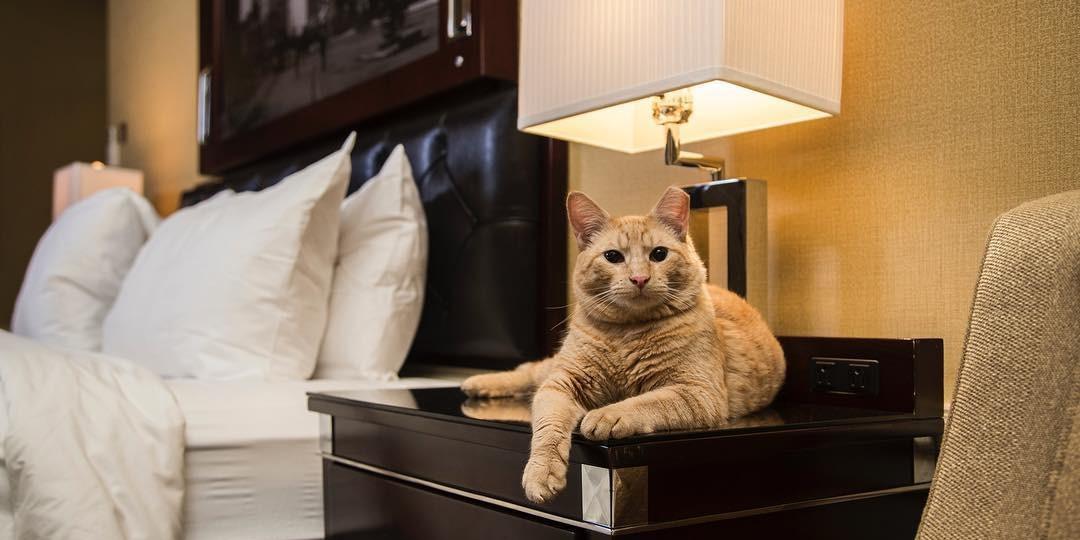
2. Pet-friendly common areas: Quiet lounges or enclosed gardens give cats a chance to stretch while remaining safe on leash or in carriers.
3. Pet-friendly staff: Housekeeping and front-desk teams learn low-stress handling techniques and can recommend nearby parks or clinics.
4. Pet-friendly services: Optional add-ons range from in-room treat menus to short grooming sessions or supervised playtime.
Benefits of Cat-Friendly Hotels
Properties that open their doors to cats often notice several advantages:
1. Higher guest satisfaction: Travelers value not having to leave their companions behind, which encourages longer stays and positive reviews.
2. Distinctive identity: A clear pet policy sets a hotel apart in crowded online search results.
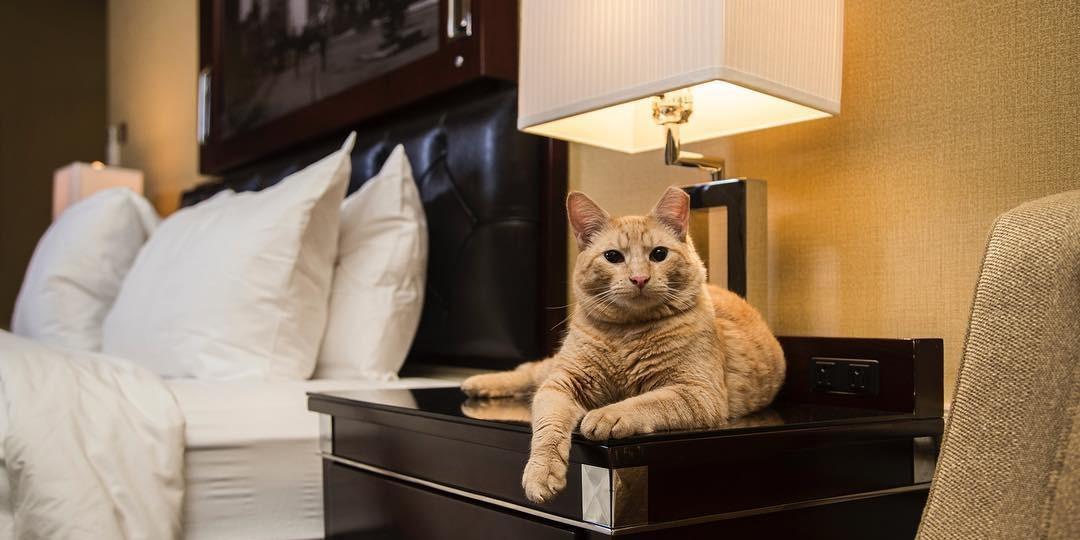
3. Extra revenue streams: Fees for pet packages, specialty menus, and partner services boost average spend per room night.
4. Stronger reputation: Demonstrating care for animals aligns with broader social values, attracting guests who prioritize ethical brands.
Challenges of Cat-Friendly Hotels
Operating a feline-welcoming property is not without hurdles:
1. Cleaning routines: Hair, dander, and occasional accidents require robust sanitation schedules and dedicated equipment.
2. Allergy management: Hotels must balance pet rooms with hypo-allergenic zones and clear air-filtration plans to protect sensitive guests.
3. Risk planning: Updated insurance, clear pet policies, and incident protocols help limit liability for scratches, escapes, or noise complaints.
Impact on the Hospitality Industry
The acceptance of cats is influencing wider market dynamics:
1. Competitive pressure: As more brands adopt pet policies, standards for amenities and safety continue to rise.
2. Evolving expectations: Travelers increasingly view pets as family, pushing even luxury chains to rethink restrictions.
3. Cross-sector links: Collaborations with groomers, sitters, and specialty food makers create new distribution channels and guest perks.
Case Studies and Success Stories
Around the world, several properties illustrate the potential of this niche:
1. A boutique inn in Asia: Themed décor, climbing walls, and an on-site café where adoptable cats mingle have turned the venue into a social-media hotspot.
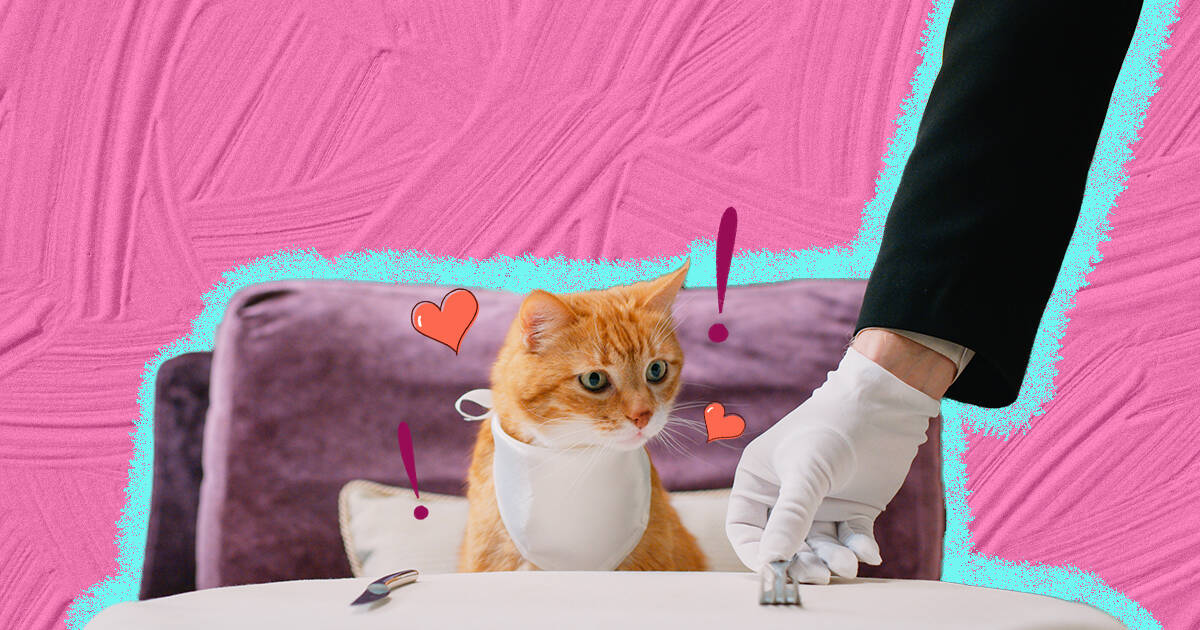
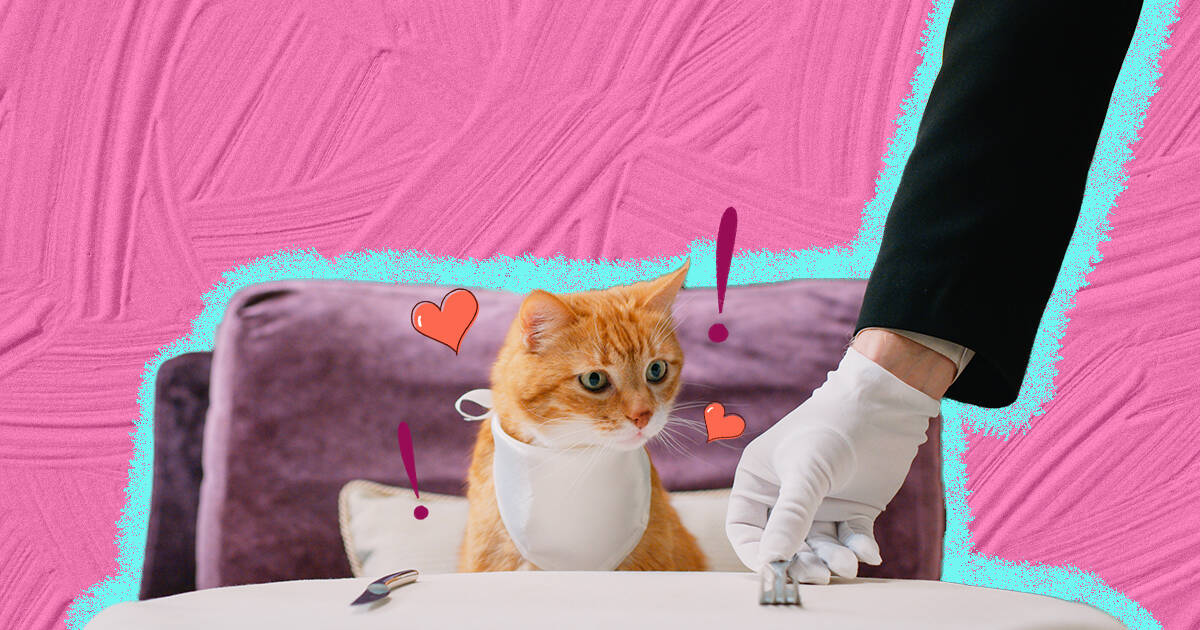
2. A metropolitan high-rise in North America: Personalized check-in for pets, spa baths, and a 24-hour “cat concierge” generate repeat bookings and press coverage.
3. A heritage townhouse in Europe: Quiet courtyards, bespoke bedding, and partnerships with local shelters have earned strong guest ratings and community goodwill.
Conclusion
Cat-friendly hotels are moving from novelty to mainstream as owners seek seamless travel experiences with their animals. By addressing hygiene, comfort, and safety, properties can unlock loyalty, differentiate their brand, and tap into a growing segment. With thoughtful planning, the inclusion of feline guests can become a sustainable, rewarding facet of modern hospitality.