Puggles Near Me: A Friendly Guide to Locating and Raising a Happy Puggle
Introduction
Puggles—an endearing cross between the Pug and the Beagle—have trotted into the spotlight thanks to their playful spirit, portable size, and easy-going charm. If you are thinking about sharing your home with one of these upbeat companions, this guide walks you through where to look, what to expect, and how to keep a Puggle healthy and content for years to come.
Finding Puggles Near Me
1. Local Breeders

Reputable breeders who focus on mixed-breed health and socialization are a solid starting point. Ask to visit the premises, meet parent dogs, and review health records. Regional dog shows, training clubs, and veterinarian bulletin boards often post referrals to responsible breeders in your area.
2. Rescue Organizations
Adoption is another wonderful route. Many Puggles find themselves in rescue through no fault of their own, and dedicated volunteer groups work hard to match them with the right homes. Search nationwide adoption sites, filter by breed and location, and complete an application to be pre-approved when the right dog appears.
3. Online Communities
Social-media groups and breed forums frequently share re-homing notices from owners facing life changes. Proceed carefully: request recent photos, medical history, and a video call before traveling. Avoid sellers who ship puppies overnight or refuse in-person meetings.
Understanding Puggle Characteristics

1. Appearance
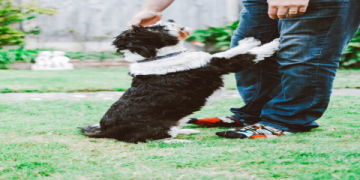
Most Puggles sport a short, glossy coat that ranges from fawn to black, often with a masked face or white markings. Their eyes sparkle with a blend of the Pug’s wide gaze and the Beagle’s alert expression, while ears usually hang to the side in a soft fold.
2. Temperament
Expect a social butterfly that loves children, guests, and even the neighbor’s cat when properly introduced. They inherit the Beagle’s curiosity, so a fenced yard or supervised leash walks are essential. Positive, reward-based training keeps their clever minds engaged and curbs nuisance barking.
3. Health
Cross-breed vigor helps, but Puggles can still face eye irritation, ear infections, or weight gain. Schedule annual vet exams, keep ears dry after baths, and monitor food intake to prevent obesity. Maintaining a healthy weight lowers the risk of joint strain and breathing issues.

Caring for Your Puggle
1. Nutrition
Choose a complete, age-appropriate diet approved by veterinary nutrition guidelines. Measure meals instead of free-feeding, limit rich table scraps, and offer crunchy vegetables like carrot sticks for low-calorie treats. Fresh water should always be available.
2. Exercise
Two brisk walks and a spirited play session each day usually suffice. Puzzle toys, scent games, and short obedience drills provide mental exercise that tires them out faster than pure running. Adjust activity levels in hot weather to avoid overheating.
3. Grooming

A quick brush two or three times a week removes loose hair and distributes skin oils. Check ears weekly for odor or redness, clean with a vet-recommended solution, and trim nails every few weeks. A gentle doggie toothbrush helps keep teeth healthy between professional cleanings.
4. Training
Start the day your Puggle arrives: house rules, crate comfort, and basic cues such as “sit,” “come,” and “leave it.” Keep sessions short and fun, ending on a success. Consistency from every family member prevents mixed signals and speeds learning.
Conclusion
Whether you adopt an adult rescue or bring home a bouncy puppy, a Puggle rewards you with tail wags, comic antics, and steadfast loyalty. Provide patient training, daily exercise, routine vet care, and heaps of affection, and your cheerful little shadow will thrive as the perfect family sidekick.