How Much Are Balinese Cats: A Friendly Guide
Introduction
The Balinese cat turns heads with its silky coat and affectionate nature, making it a favorite among feline lovers. If you are thinking of welcoming one home, you probably wonder what kind of budget you should prepare. This guide walks you through the main price drivers, typical price ranges, and what to expect when you start contacting breeders or rescue groups.
The Balinese Cat in a Nutshell
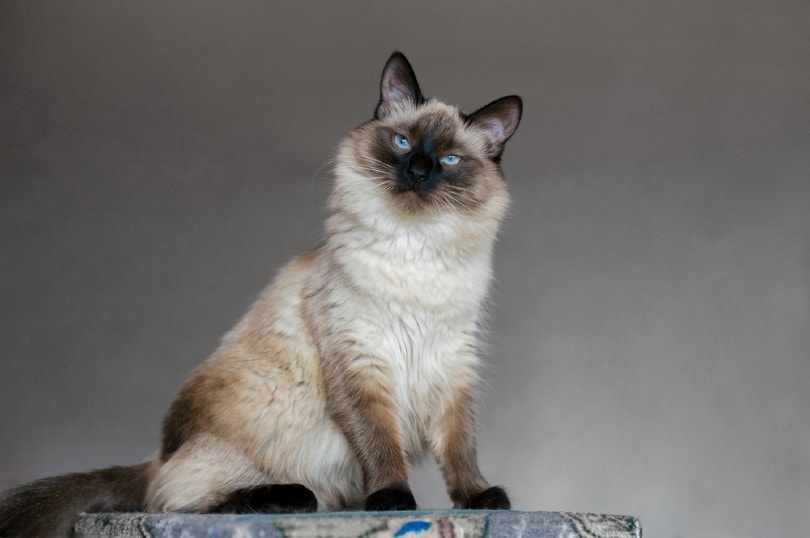
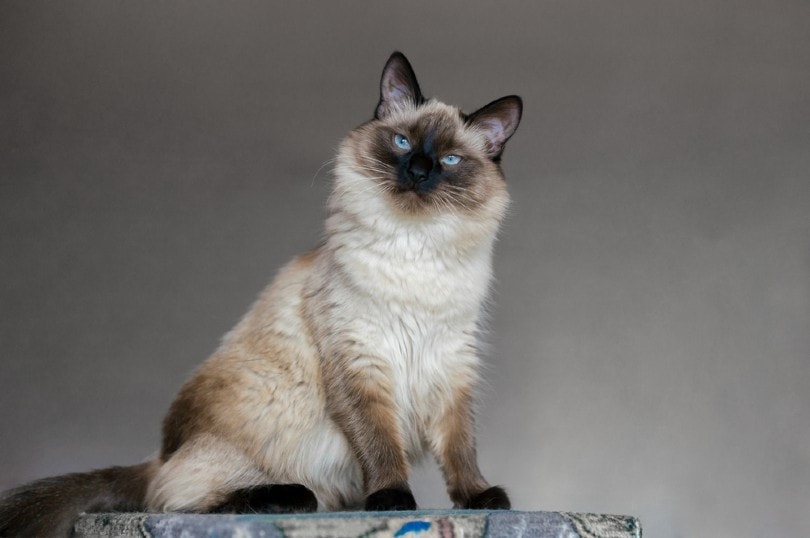
Often called a long-haired Siamese, the Balinese features a graceful body, deep-blue eyes, and a plumed tail. These cats are chatty, clever, and people-oriented, fitting well into active households or quiet apartments alike. Their elegant look and loving personality explain their steady rise in popularity.
Key Factors That Shape the Price
1. Breeder Practices
Ethical breeders who raise kittens underfoot, run health screens, and offer lifetime support usually set higher fees. The extra cost helps cover quality food, vet checks, and early socialization that give kittens a confident start.
2. Pedigree and Show Potential
Kittens descended from award-winning lines or displaying rare color points may command premium prices. Pet-quality kittens from the same litter often cost less while still offering the same devoted temperament.
3. Age and Color Demand
Young kittens typically cost more because they require round-the-clock care. Unusual coat shades or patterns can also nudge prices upward when demand outstrips supply.
4. Health Screenings
Cats tested for common genetic conditions and vaccinated on schedule usually carry higher price tags. These precautions lower future vet bills and provide peace of mind.
Typical Price Range
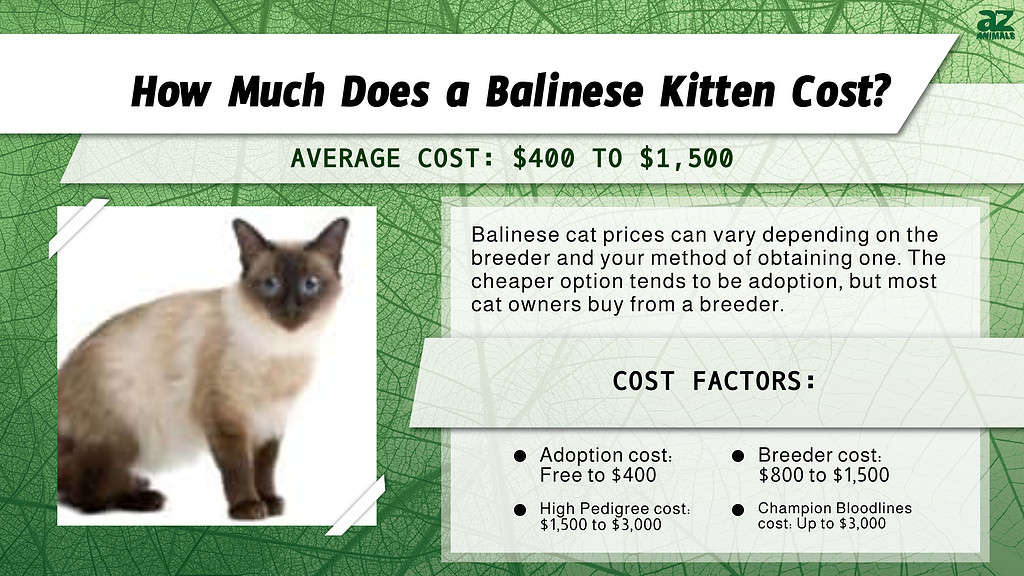
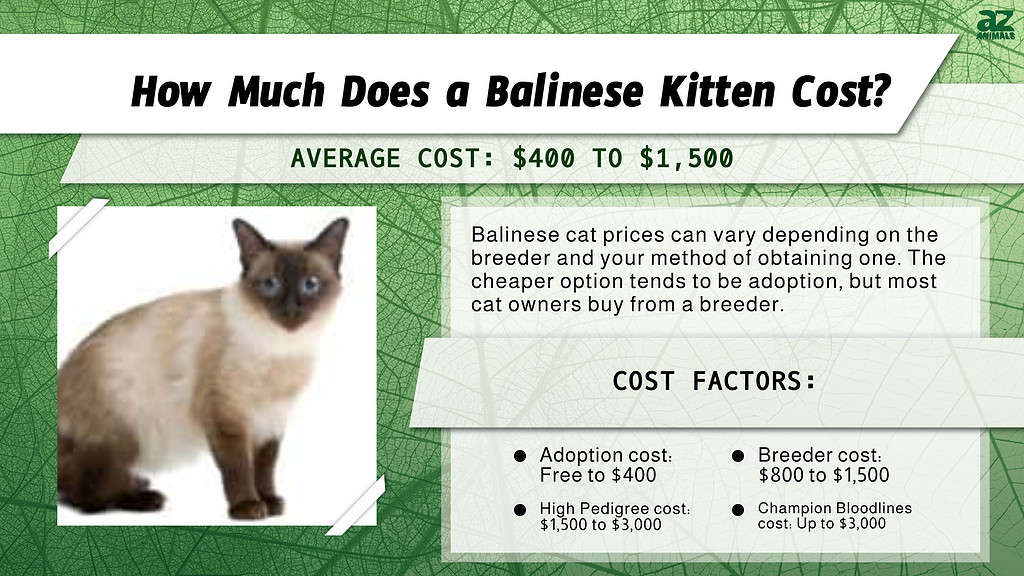
Most Balinese kittens change hands for roughly five hundred to two thousand dollars, though show prospects or rare colors can exceed that bracket. Adoption fees from breed-specific rescues are generally lower and often include neutering and initial shots.
Price Snapshot by Life Stage
1. Kittens under Six Months
Expect to pay on the higher side of the scale—often six hundred to twelve hundred dollars—because early socialization and multiple vet visits add to the breeder’s costs.
2. Juniors Six to Twelve Months
Adolescents sometimes cost a bit less, running five hundred to one thousand dollars. They may already be past the fragile baby stage yet still adapt quickly to new homes.
3. Adults Over One Year
Retired breeders or young adults seeking new sofas usually fall into the four hundred to one thousand dollar range, making them an economical route to purebred companionship.
Closing Thoughts
Price is only part of the equation. A healthy, well-socialized Balinese can bring fifteen years or more of laughter and head butts. Take time to visit catteries, ask about health guarantees, and choose the kitten or cat whose personality clicks with yours.
Why This Matters
Understanding what drives cost helps you budget wisely and steer clear of questionable sellers. By supporting transparent breeders or rescue networks, you contribute to the long-term welfare of the breed.
Next Steps
Before you commit, map out ongoing expenses such as quality food, routine vet care, and occasional grooming. Future studies could compare the lifetime costs of Balinese cats with other similar breeds, giving adopters an even clearer financial picture.