The Role of Dogs in Naval Special Units: A Comprehensive Overview
Introduction
Military working dogs have long served alongside human personnel, and their integration into naval special units continues to draw attention. These animals support maritime forces during search-and-rescue missions, coastal patrols, and other critical tasks. This article examines why dogs are valued in such settings, how they are prepared, the duties they perform, and the advantages they bring to overall mission success.
The Training Process
1.1 A Demanding Training Program
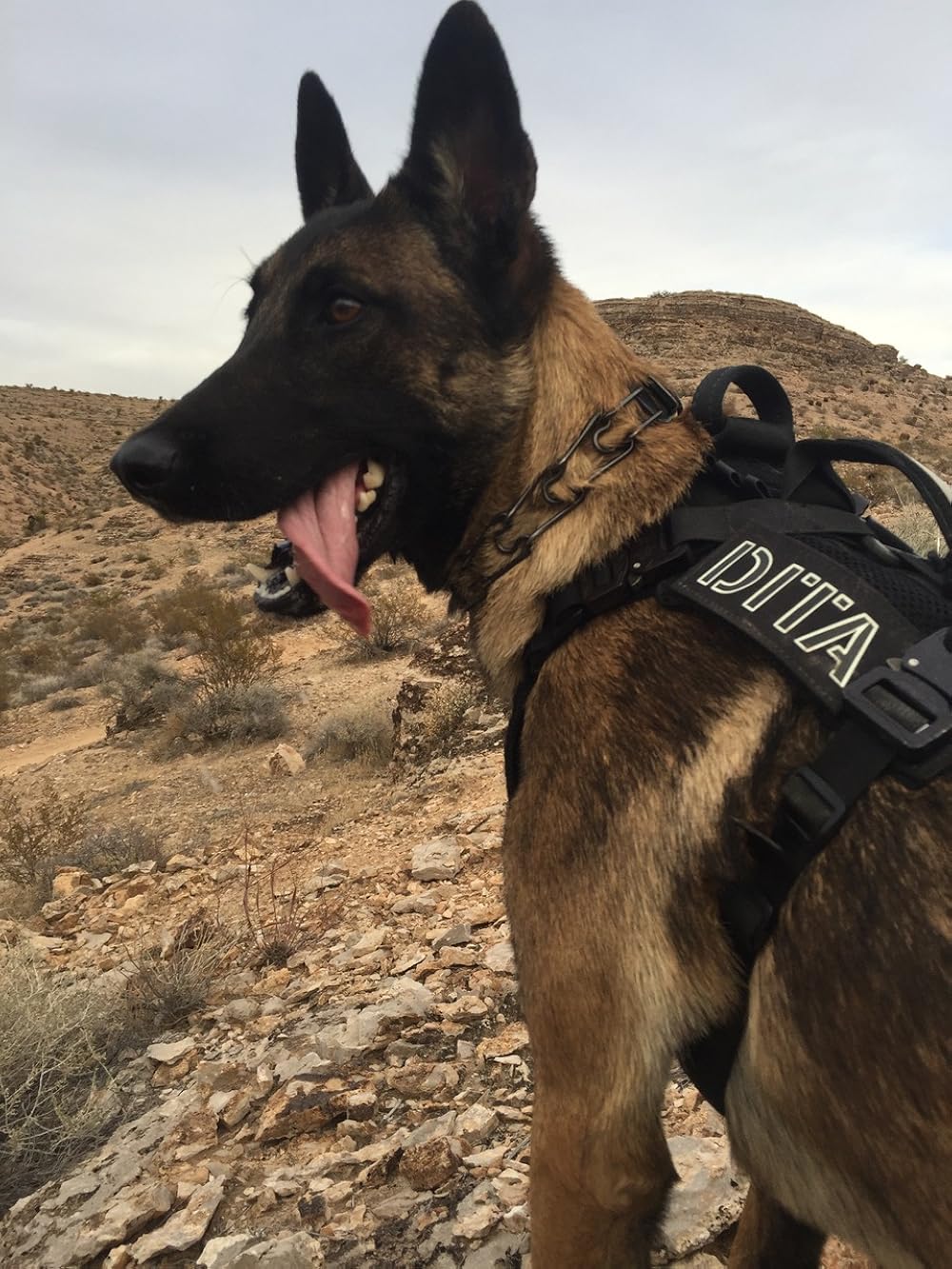
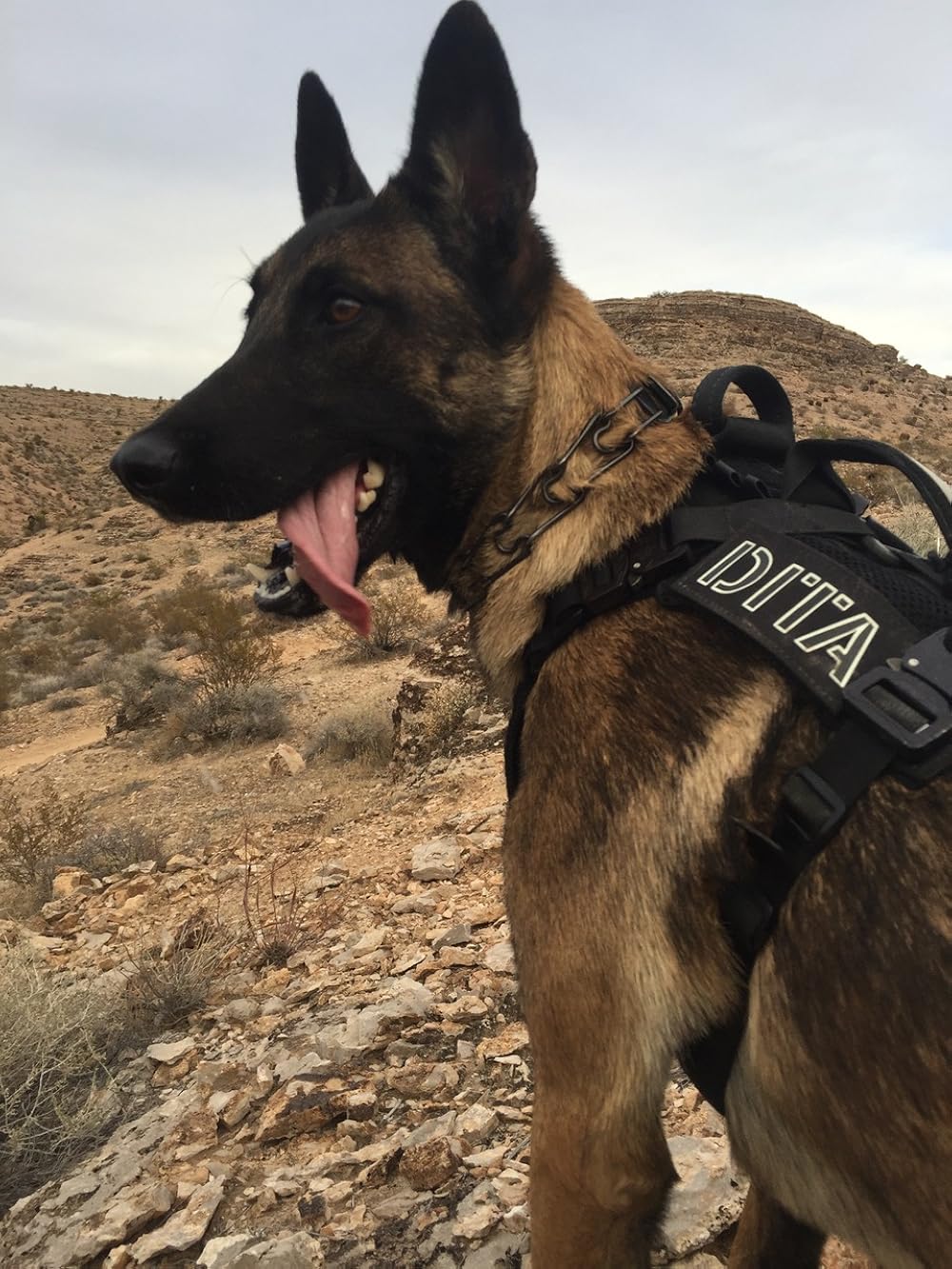
Preparing dogs for naval special units is a demanding, multi-phase program. Breeders typically select Labrador Retrievers, Golden Retrievers, and German Shepherds for their balanced temperament and physical resilience. Training starts early and emphasizes several core competencies:
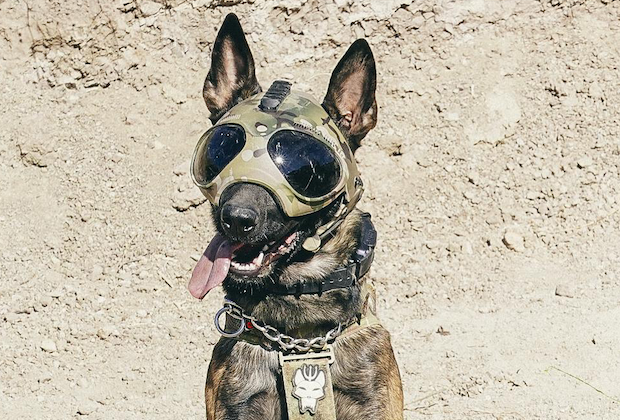
– Obedience: Animals must respond instantly to voice, whistle, and hand commands, mastering both basic cues and specialized instructions unique to maritime work.
– Aquatic Skills: Because missions often involve water, dogs practice swimming in varied conditions and learn to recover objects from the surf or open sea.
– Detection and Tracking: Trainers teach the dogs to identify human scent trails and to alert handlers to hidden persons or hazards, skills vital during rescue efforts.
1.2 Building Trust Between Handler and Dog
A strong working relationship is central to operational effectiveness. Handlers spend months bonding with their animals through daily training, play, and care. This partnership matters for two main reasons:
– Clear Communication: In noisy or chaotic environments, subtle signals from the handler guide the dog, reducing the risk of misunderstanding.
– Mutual Safety: Trust allows the animal to enter dangerous areas on command and to rely on the handler for protection, keeping both team members safer.
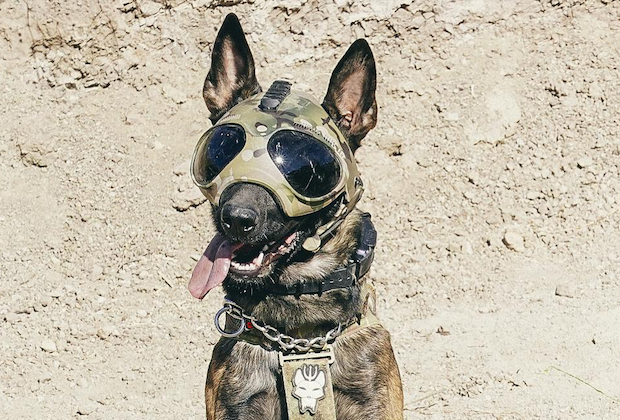
The Roles of Dogs in Naval Special Units
2.1 Search and Rescue
One of the most visible roles is locating missing persons at sea or along shorelines. A dog’s acute senses can pick up scent particles carried by wind or water, drastically narrowing search areas and accelerating recoveries.
2.2 Coastal Patrol and Security
During routine patrols, dogs deter illicit activity simply by their presence. When needed, they detect concealed cargo or unauthorized individuals, allowing small boat crews to respond swiftly and reduce smuggling risks.
2.3 Reconnaissance Support
In low-visibility conditions, dogs can scout ahead of landing teams, quietly indicating the presence of unseen persons or obstacles. This capability provides commanders with real-time information without exposing human personnel to immediate danger.
The Impact of Dogs on Naval Operations
3.1 Enhanced Efficiency
By covering large areas faster than humans alone, dogs shorten mission timelines and conserve fuel, manpower, and other resources. Their scent-work also reduces the number of false alarms, streamlining subsequent action.
3.2 Humanitarian Advantages
Beyond tactical gains, the animals offer psychological comfort to distressed civilians awaiting rescue. A calm, friendly dog can ease tension, making it simpler for crews to administer aid and gather vital information.
Conclusion
Canine members of naval special units bring unique sensory skills, mobility, and emotional steadiness to complex maritime missions. Their specialized preparation and close partnership with handlers create a force multiplier that technology has yet to replicate. As operational environments grow more dynamic, the demand for such four-legged teammates is expected to rise, underscoring the need for sustained investment in their training and welfare.
Recommendations and Future Research
To maximize the potential of these dogs, stakeholders should consider the following steps:
– Ongoing Studies: Continued research into canine cognition, scent science, and aquatic endurance can refine training protocols and extend working lives.
– Shared Expertise: Regular exchanges between military units, academic veterinarians, and civilian search-and-rescue organizations can spread best practices and accelerate innovation.
– Community Engagement: Educating the public about the contributions of military working dogs fosters appreciation and encourages volunteer support for breeding and retirement programs.
In summary, dogs serve as both trusted companions and strategic assets within naval special operations. Recognizing and nurturing their role remains essential for safe, effective, and humane mission accomplishment.