The Best Age to Adopt a Kitten: A Comprehensive Guide
Introduction
Bringing a kitten home is a joyful milestone, but timing matters. The age at which a kitten leaves its first environment shapes its habits, confidence, and future health. This guide explains how age influences development, outlines the pros and cons of adopting at different stages, and helps you decide when your home will be the perfect next step for a growing kitten.
The Importance of the Adoption Age
Early Development

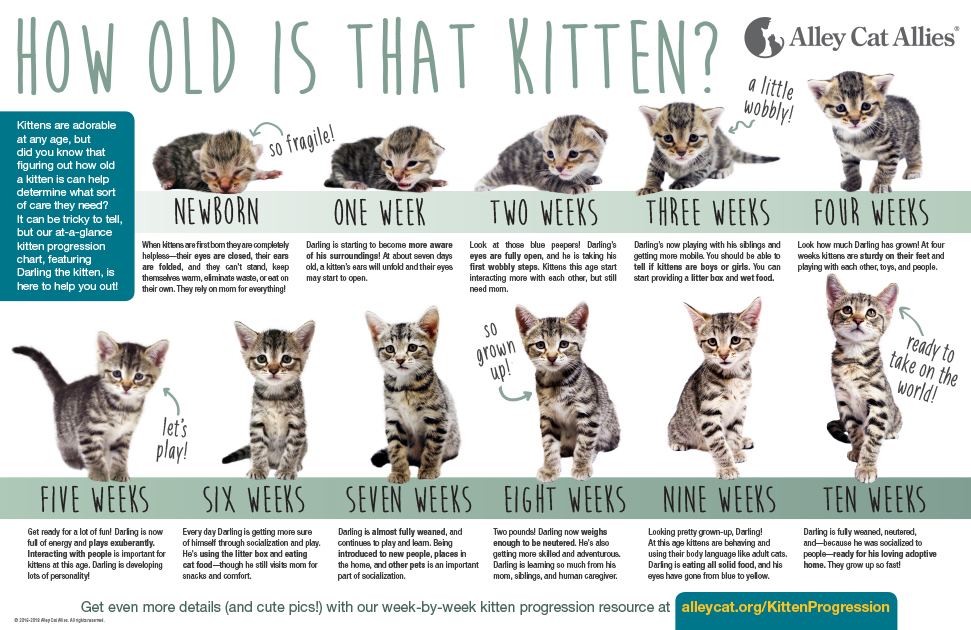
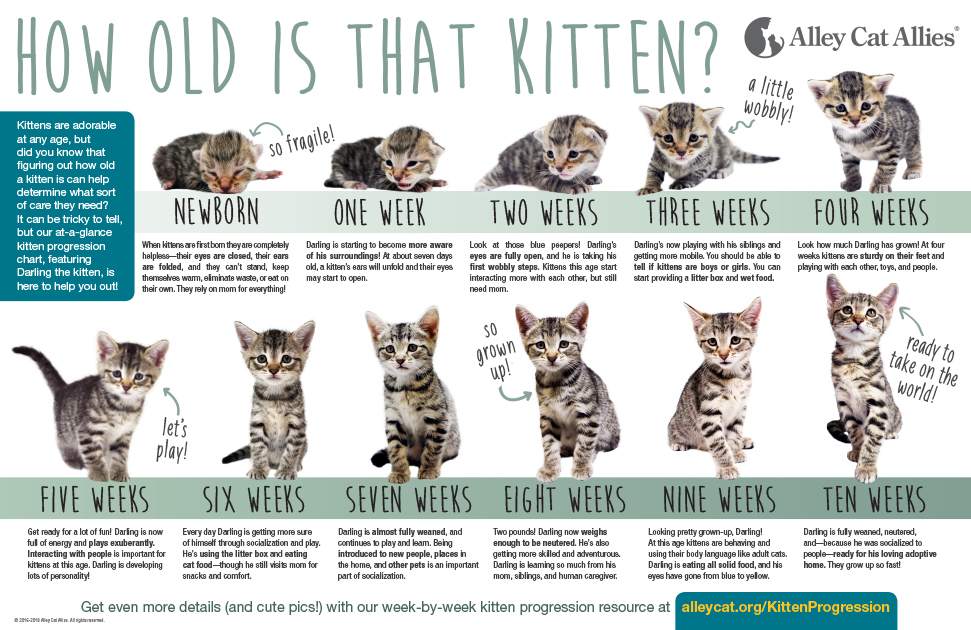
During the first eight to ten weeks, kittens master basic life lessons: how to play without biting too hard, how to use a litter box, and how to trust people. A kitten that stays with littermates and a caring mother during this window is more likely to grow into a relaxed, trainable adult.
Socialization
Between four and twelve weeks, kittens form lasting opinions about people, places, and other pets. Gentle, varied experiences in this period reduce the chance of shyness or defensive aggression later. Adopting too early or too late can short-change this vital classroom.
The Optimal Age for Adoption
8–10 Weeks
Most shelters and veterinarians suggest waiting until a kitten is at least eight weeks old. By then, kittens are fully weaned, have received initial vaccines, and have begun to practice social skills with siblings, yet are still young enough to bond strongly with new humans.
Benefits of Adoption at 8–10 Weeks
– Confident Play: Kittens learn bite inhibition and body language from siblings, making future play with humans gentler.
– Smoother Transition: Weaning is complete, so digestive upsets after diet changes are less likely.
– Training Advantage: Litter habits are forming, so a quick introduction to your box usually sticks.
Challenges of Adoption at 8–10 Weeks
– Energy Bursts: Expect midnight zoomies and climbing curtains for the first month or two.
– Supervision Needs: Young kittens should not be left alone for long stretches until they learn household rules.
The Risks of Late Adoption
Delayed Socialization
Kittens kept solely with littermates or in restricted spaces past twelve weeks may greet new humans with caution. Without gentle handling, that caution can harden into hiding or hissing.
Behavioral Issues
Older kittens can still become wonderful pets, but they may need extra patience. Missing early handling can mean rough play, litter-box avoidance, or fear of everyday sounds such as vacuum cleaners.
Factors to Consider When Choosing the Adoption Age
Household Rhythm
If someone is home most of the day, an eight-week-old kitten will thrive on the available interaction. Busy households that are empty nine to ten hours daily might manage better with a twelve-week-old kitten that entertains itself more confidently.
Time and Budget
Very young kittens eat three to four small meals daily and benefit from multiple short play sessions. Factor in food costs, initial vet visits, and possible replacement of a shredded sofa corner when deciding if your schedule and wallet are ready.
Previous Cat Experience

First-time owners often find a confident three-month-old kitten more forgiving of small mistakes. Seasoned cat parents may enjoy shaping a younger kitten’s habits from day one.
Conclusion
There is no single magic number, but aiming for the eight- to ten-week mark gives most kittens the best balance of early learning and easy bonding. Match the kitten’s age to your lifestyle, time, and experience, and you’ll set the stage for a smooth transition from playful baby to relaxed, affectionate companion.