Australian Shepherd Paws: A Complete Overview
Introduction
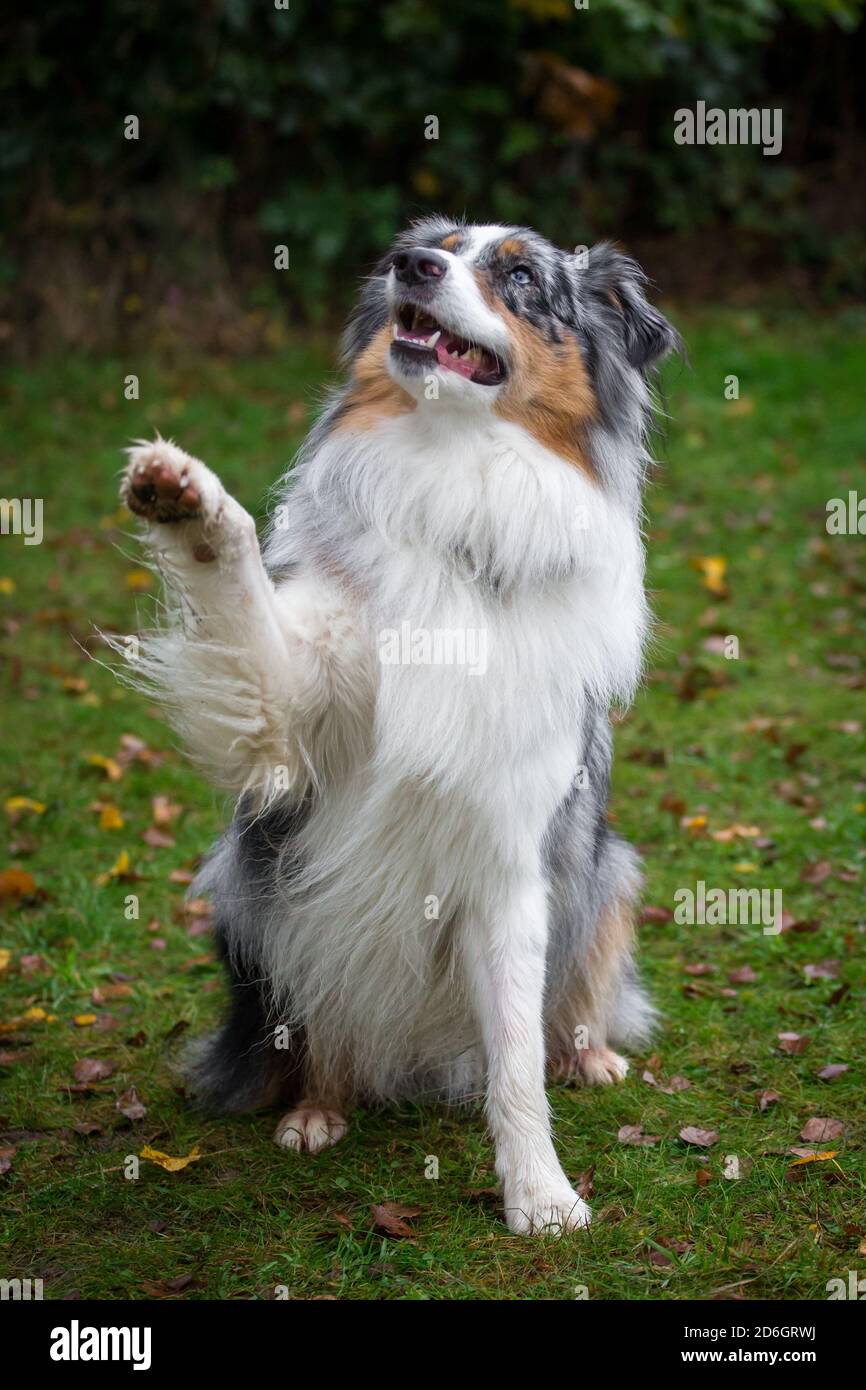
The Australian Shepherd is celebrated for its sharp mind, quick reflexes, and adaptability, making it a favorite among active families and working homes alike. A less-talked-about yet essential feature is the dog’s paws. This overview looks at the shape, purpose, and daily care of Australian Shepherd paws, showing how they support the breed’s energy and long-term soundness.
Structure of Australian Shepherd Paws
1. Anatomy of the Paw
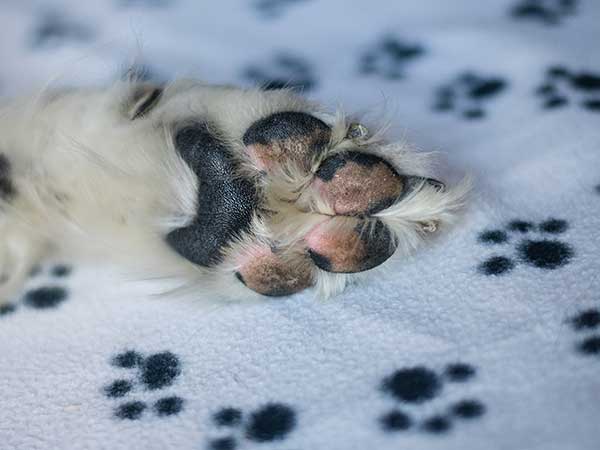
Each paw acts as a natural shock absorber and spring. Key parts include:

– Toes: five per paw, linked by stretchy tissue that spreads on impact for balance and grip.
– Pads: thick, rubbery cushions that soften landings and give traction on grass, dirt, or flooring.
– Nails: strong, curved claws that dig in for quick turns; color usually matches the coat’s darker shades.
– Bones: compact digits and metacarpals shielded by pad and fur, built for steady mileage.
2. Unique Features of Australian Shepherd Paws
Several traits give the breed an edge:
– Generous Pad Area: larger pads spread weight, lowering joint stress during sprinting or jumping.

– Web-like Skin: flexible connectors between toes let the foot widen slightly, improving footing on loose ground.
– Pigmented Nails: darker nails blend with coat markings and tend to be tougher than lighter ones.
Function of Australian Shepherd Paws
1. Mobility and Performance
Healthy paws turn instinct into action:
– Sprint & Leap: resilient pads and angled toes create lift and safe landings in agility or disc sports.
– Herding & Hiking: sure-footed grip lets the dog pivot, brake, and climb on varied terrain without slipping.
2. Protection and Comfort
Paws also serve as the first line of defense:
– Cushioning: fat-rich pads soak up repeated shocks, sparing wrists and shoulders.
– Traction: textured pad surfaces and well-kept nails keep the dog stable on slick floors or rocky trails.
Health and Care of Australian Shepherd Paws
1. Common Paw Problems
Watch for typical trouble signs:
– Irritated Pads: redness or flaking from heat, allergens, or rough ground.
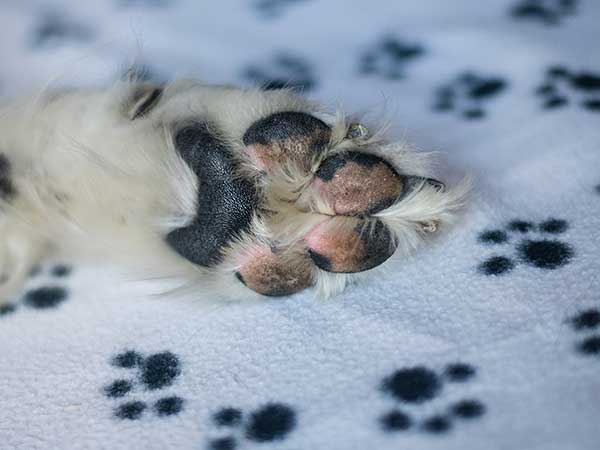
– Minor Cuts: small splits caused by sharp gravel or ice.
– Surface Infections: bacteria or yeast can enter through tiny wounds, causing odor or swelling.
2. Preventive Measures
Simple habits keep paws fit:
– Weekly Checks: look between toes and under pads for thorns, swelling, or color change.
– Nail Trims: shorten tips every few weeks so they click lightly, not loudly, on hard floors.
– Rinse & Dry: after walks, a quick rinse removes salt, sap, or chemicals before they can irritate.
Conclusion
Australian Shepherd paws are small yet vital platforms that translate the breed’s drive into graceful motion. Routine checks, tidy nails, and prompt attention to minor scrapes will keep these hardworking feet ready for every adventure, ensuring a lifetime of sound, happy strides.