The Enchanting Merle Corgi: A Complete Overview
Introduction
The Merle Corgi blends the beloved Corgi silhouette with a striking mottled coat, winning admirers across the globe. This overview explores the breed’s background, appearance, personality, and the special connection it forms with people, explaining why its popularity keeps rising.
Origins and History
Merle coloring entered the Corgi family mainly through crosses involving the Cardigan Welsh Corgi. The patchy pattern, long seen in various herding breeds, first appeared in Corgis several decades ago. Since then, the look has steadily attracted enthusiasts who value both tradition and a touch of the unusual.
Corgis themselves have worked alongside farmers for centuries. Low to the ground and quick on their feet, they excelled at moving cattle and guarding the homestead. The addition of the merle pattern simply added another layer of visual appeal to an already capable dog.
Physical Characteristics
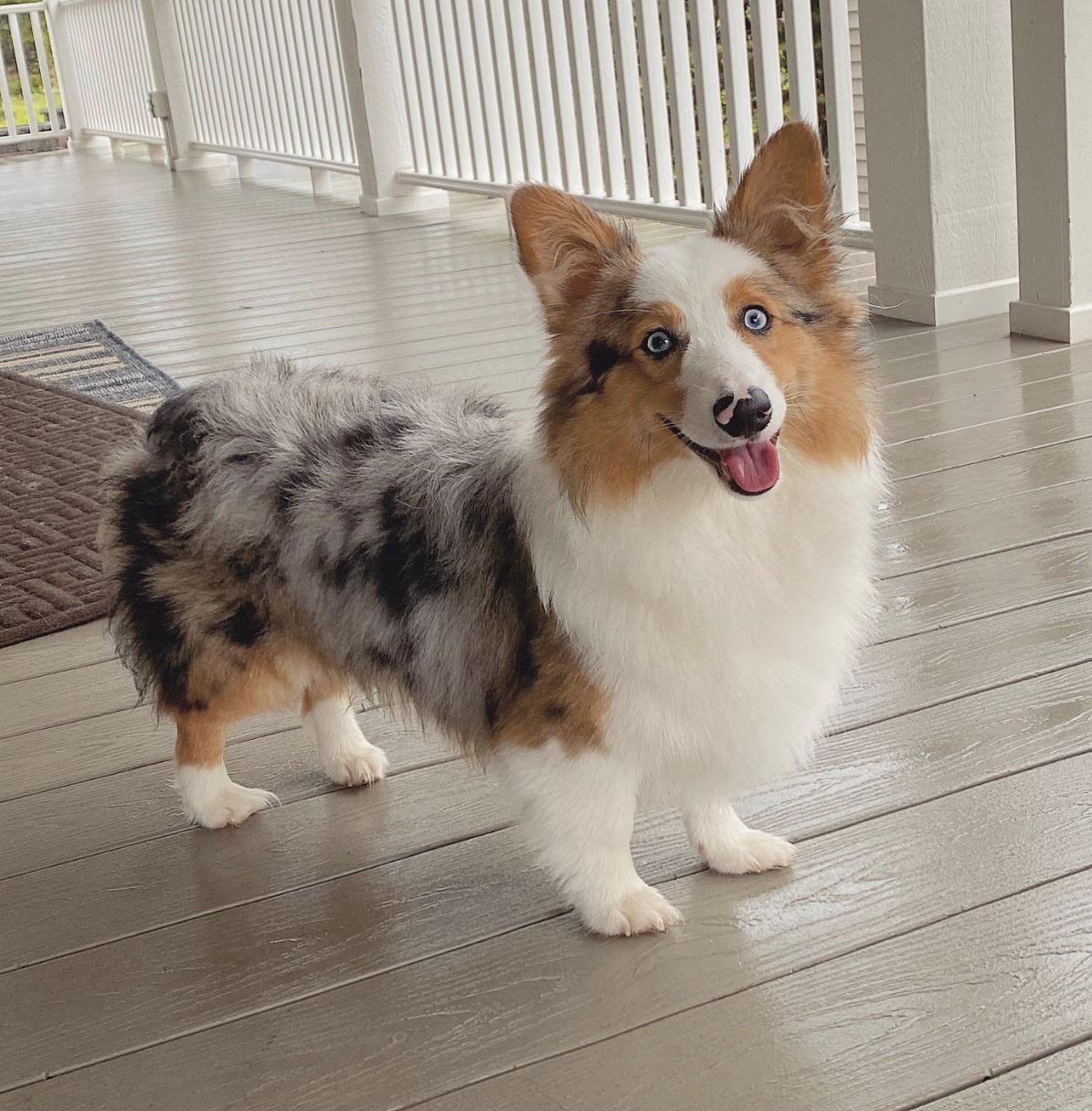
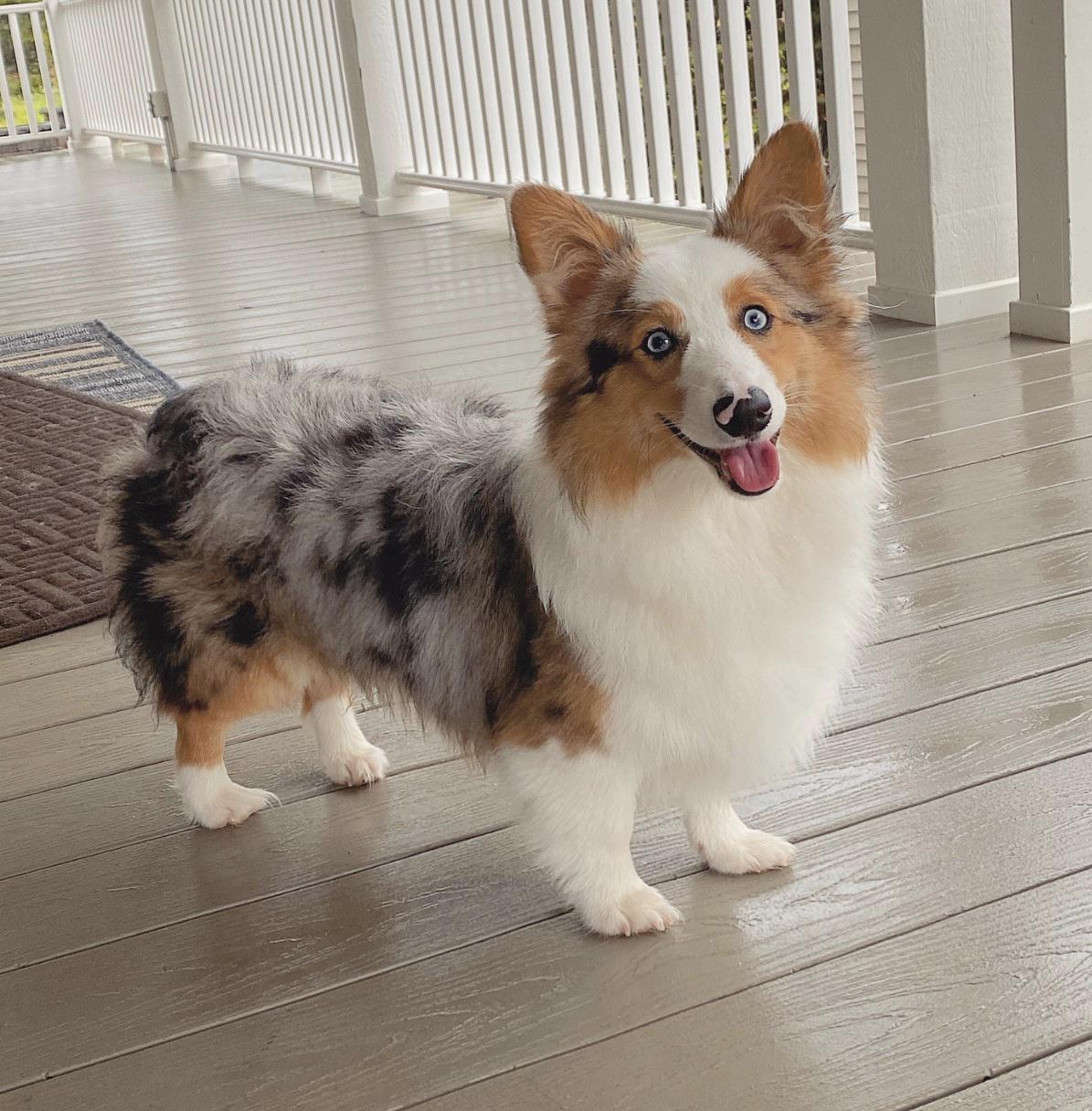
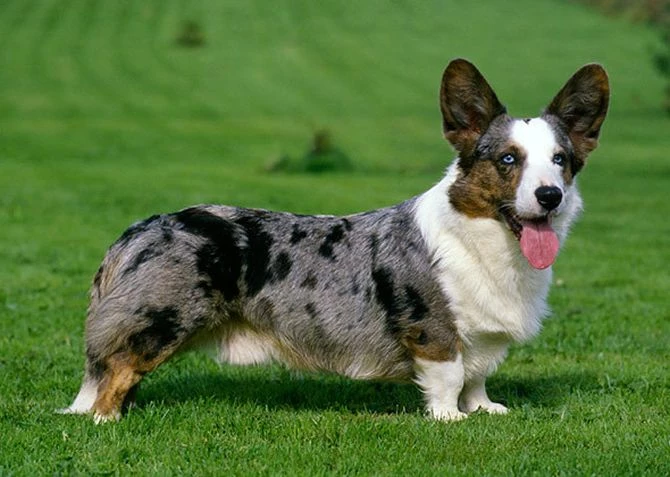
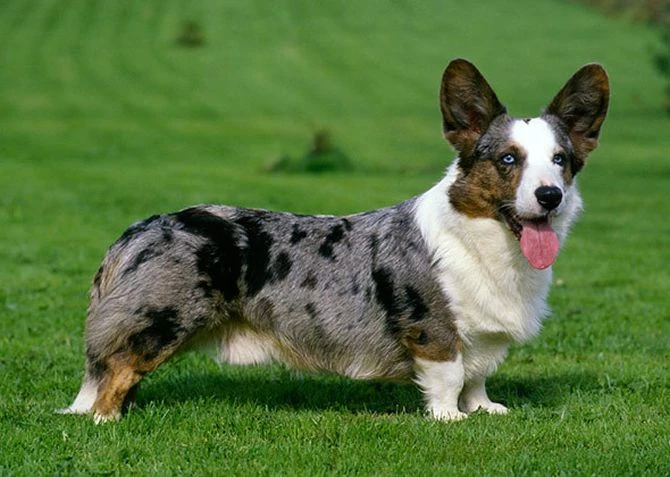
A Merle Corgi carries the breed’s classic short legs, long body, and foxy expression, but the coat sets it apart. Swirls of color—gray, blue, or reddish patches on a lighter base—create a one-of-a-kind map on each dog. Some display darker saddle markings, while others remain mostly light with scattered flecks.
Adults usually stand about ten to twelve inches at the shoulder and weigh anywhere from twenty-five to thirty pounds. A healthy individual can share the family sofa for roughly twelve to fourteen years, fitting comfortably into small homes yet sturdy enough for outdoor play.
Temperament and Behavior
Intelligent, affectionate, and eager to participate, Merle Corgis learn routines quickly and enjoy showing off new tricks. They relish human company and often follow favorite people from room to room, offering gentle nudges and cheerful barks.
Heritage still whispers in their behavior: a tendency to circle, gather, and occasionally nip at heels. Patient guidance and early socialization channel these instincts into games and sports, turning potential trouble into entertaining teamwork.
Health and Care
Like any pedigree, Merle Corgis benefit from regular vet visits and balanced nutrition. The merle gene occasionally links to hearing differences, so breeders screen puppies and place them thoughtfully. Routine ear checks and prompt attention to infections keep problems rare.
A quick daily brush keeps the double coat free of tangles and reduces shedding fur around the house. Occasional baths, nail trims, and tooth brushing round out a simple grooming routine that maintains both health and good looks.
The Merle Corgi’s Unique Bond with Owners
Owners often describe life with a Merle Corgi as a continuous conversation. The dog reads moods, offers comic relief, and greets newcomers with polite curiosity. Whether curled beside a desk or sprinting through an agility tunnel, the breed aims to please and to be part of the action.
Adaptability is another hallmark. City walks, suburban yards, or country trails all satisfy, provided exercise comes with plenty of mental stimulation. Puzzle toys, training sessions, and supervised play keep the clever mind engaged and the affectionate heart content.
Conclusion
The Merle Corgi pairs classic herding talent with an eye-catching coat and an open, loving nature. Responsible ownership—thoughtful breeding, proper healthcare, and daily interaction—ensures these spirited dogs continue to brighten homes and communities for years to come.
Recommendations and Future Research
Continued study can support the breed’s long-term welfare:
1. Genetic projects mapping links between coat color and auditory health.
2. Lifelong surveys comparing activity levels, diet, and disease patterns across different lines.
3. Behavioral studies refining training techniques that satisfy herding drive while preventing unwanted chasing or nipping.
By focusing on these areas, breeders, veterinarians, and owners can keep the Merle Corgi sound, happy, and ready to charm new generations.