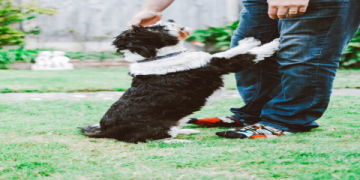
The Impact of Free Pet Adoption Events on Community Engagement and Animal Welfare
Introduction
Free pet adoption events have gained popularity in many neighborhoods, offering dogs to families at no cost. While the gesture appears generous, the ripple effects on community spirit and animal well-being are complex. This article examines the benefits, challenges, and ethical questions surrounding these initiatives.
The Concept of Free Pet Adoption Events
During these gatherings, rescue groups or shelters waive adoption fees so that cost is not a barrier to bringing a dog home. Organizers hope to lower shelter populations, discourage abandonment, and encourage lifelong care. Yet critics question whether speed and convenience might compromise long-term outcomes.

The Benefits of Free Pet Adoption Events
1. Community Engagement
Such events turn parking lots and parks into meeting places where neighbors chat, volunteers collaborate, and children learn compassion. Shared excitement over wagging tails often sparks new friendships and stronger local networks.
2. Animal Welfare
Every dog adopted is one less facing uncertain shelter life or street risks. Lower kennel occupancy means shelters can devote more resources to medical care and enrichment for remaining animals.
3. Responsible Pet Ownership

By removing the price tag, organizers invite adopters to invest savings in veterinary care, training, and quality food. Many events bundle starter kits or vouchers, nudging families toward proactive guardianship from day one.
The Drawbacks of Free Pet Adoption Events
1. Overpopulation
Without concurrent spay-neuter messaging, free events may unintentionally signal that dogs are easily replaceable, encouraging casual acquisition and future litters.
2. Lack of Preparation
Impulse decisions can lead to mismatches in energy level, size, or care requirements. When reality sets in, some dogs are returned or relegated to the backyard, fueling a cycle of stress for both pet and person.

3. Ethical Concerns
Rapid placements may shortcut thorough counseling. If screening is minimal, dogs could land in unsafe environments or with owners unequipped for behavioral challenges.
Case Studies and Research
1. A Southwestern City Initiative
One municipal shelter paired fee-waived adoptions with mandatory microchipping, follow-up calls, and discounted training classes. Over twelve months, return rates stayed below five percent, suggesting that giveaways plus support services can succeed.
2. Concerns from Welfare Organizations

Leading animal charities caution that giveaways must remain part of broader strategies—especially accessible spay-neuter programs and humane education—to avoid simply shuffling numbers rather than solving root issues.
The Role of Education and Support
To balance enthusiasm with responsibility, organizers are encouraged to:
– Preparation Workshops: Offer short sessions on exercise needs, budgeting, and local ordinances before adopters meet dogs.
– Follow-Up Support: Provide a helpline, online resource library, and referrals to positive-reinforcement trainers.
– Spaying and Neutering: Schedule surgeries prior to adoption or distribute vouchers redeemable at partner clinics.

Conclusion
Free adoption days can energize communities and save lives when they pair goodwill with guidance. Thoughtful planning, ongoing assistance, and population-control measures determine whether these events create lasting homes or temporary fixes.
Recommendations and Future Research
To maximize benefits and minimize risks, stakeholders should:
– Collaborate with Shelters: Coordinate so every dog is health-checked, behaviorally assessed, and vaccinated.
– Education and Support: Embed counseling and post-adoption check-ins as non-negotiable components.

– Research on Long-Term Impact: Track adopted animals for at least two years to measure retention, veterinary visits, and owner satisfaction.
Future studies could explore:
– Which support services most effectively reduce returns after fee-waived adoptions.
– How no-fee events influence public perception of shelter animals’ value.
– Optimal frequencies and sizes of events to balance community excitement with shelter capacity.
By refining these practices, free adoption initiatives can continue to strengthen the human-animal bond while advancing the larger goal of a compassionate, responsible society.