The Vital Role of Animal Rescue Groups in Society
Introduction
Animal rescue groups serve as a safety net for creatures great and small, offering shelter, medical care, and a second chance at life. Operating largely through volunteer effort and donations, these nonprofits step in where others cannot, easing the strain on public shelters and giving injured, abandoned, or abused animals time to heal. Their quiet, daily acts of mercy ripple outward, strengthening both animal welfare and the human communities that support them.
The Importance of Animal Rescue Groups
1. Saving Lives and Reducing Animal Suffering
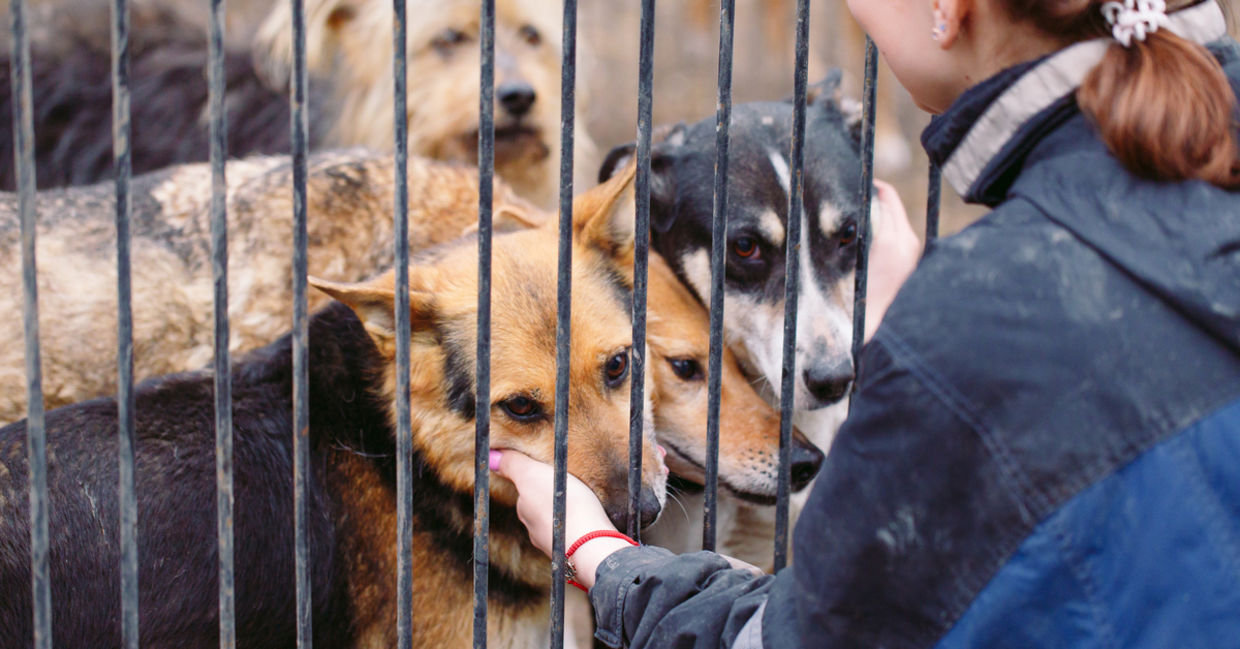
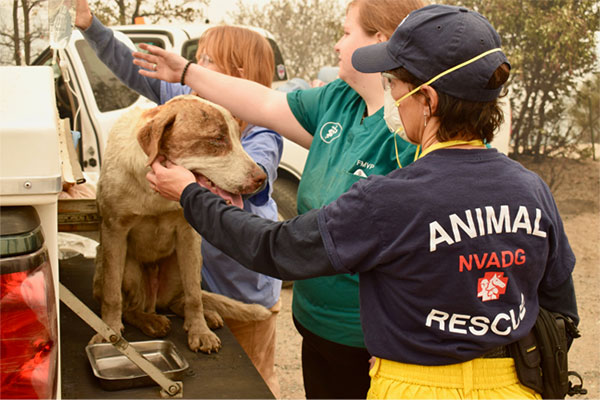
Whether responding to a hoarding case, a natural disaster, or a single pet left behind, rescue teams remove animals from danger and place them in foster homes or rehabilitation centers. Immediate veterinary attention, proper nutrition, and patient socialization transform frightened, wounded creatures into adoptable companions, breaking the cycle of neglect.
2. Promoting Animal Welfare
Beyond direct rescue, these organizations teach prospective owners about sterilization, vaccination, and lifelong commitment. School visits, social-media campaigns, and low-cost clinics spread best practices that keep future generations of pets out of shelters.
3. Fostering Community Engagement
Weekend adoption events, supply drives, and dog-walking programs invite people of every age to help. The shared goal of comforting a trembling cat or exercising a kennel-stressed dog forges friendships among neighbors who might otherwise never meet.
The Impact of Animal Rescue Groups
1. Economic Benefits
Fewer stray animals mean lower shelter intake, reduced animal-control calls, and less strain on municipal budgets. Adoption fees, veterinary appointments, and pet-supply purchases also circulate money through local businesses.
2. Health Benefits
Walking a foster dog lowers blood pressure; stroking a purring cat calms anxiety. Meanwhile, animals rescued from the streets receive vaccinations, parasite treatment, and surgery they would otherwise go without, giving them a genuine shot at a healthy life.
3. Environmental Benefits
By stabilizing populations of free-roaming cats and dogs, rescue groups curb predation on wildlife and reduce the spread of zoonotic disease, helping urban and rural ecosystems stay in balance.
Challenges Faced by Animal Rescue Groups
1. Funding and Resources
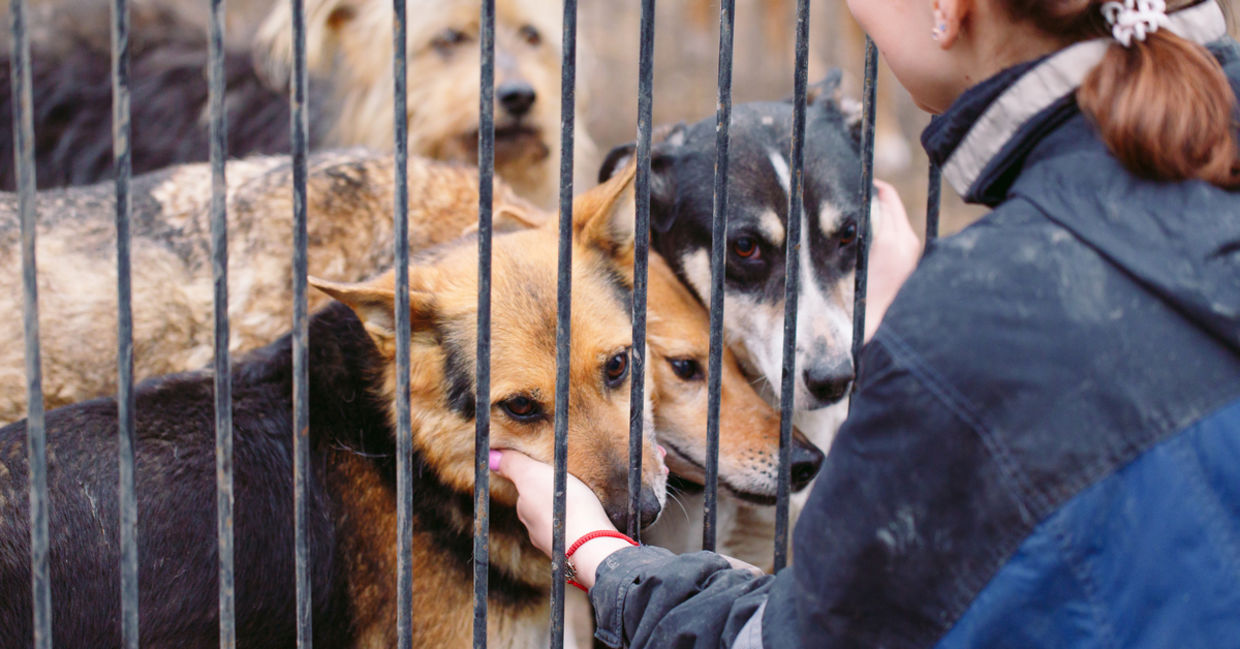
Donations fluctuate with the season, and grants are competitive. Limited budgets force tough choices between emergency surgery and routine spay/neuter drives, stretching both dollars and volunteers thin.
2. Public Perception
Some critics equate rescue work with “animal rights extremism,” while others assume all pets come with hidden behavioral issues. Clear communication and transparent success stories are essential to win trust.
3. Legal and Regulatory Barriers
Transporting animals across county lines, meeting zoning rules for foster homes, or interpreting obscure import regulations can delay urgent rescues. Navigating this patchwork of red tape demands time and legal savvy that small nonprofits rarely have on staff.
Conclusion
From emergency medical care to everyday adoption counseling, rescue groups weave compassion into the fabric of society. Their work lowers public costs, improves community health, and teaches empathy to the next generation. Continued success will depend on steady funding, fair legislation, and the simple recognition that kindness to animals enriches everyone’s future.
In the end, every leash slipped over a rescued dog’s head or carrier door opened for a shy cat is a quiet vote for a gentler world. Supporting local rescue efforts—through donations, volunteer hours, or responsible pet ownership—remains one of the most direct ways citizens can turn empathy into lasting change.