Best Food for Labradoodle: A Comprehensive Guide
Introduction
Labradoodles, a beloved cross between the Labrador Retriever and the Poodle, are prized for their friendly temperament, quick wit, and low-shedding coats. To keep these lively companions at their best, a thoughtfully chosen diet is essential. This guide outlines how to select foods that match their unique nutritional needs and support a long, healthy life.
Nutritional Requirements of Labradoodles
Like all dogs, Labradoodles thrive on a balanced blend of protein, carbohydrates, fats, vitamins, and minerals. Their mixed ancestry can sometimes bring sensitivities or energy quirks, so variety and quality matter.

Protein
Protein builds and repairs muscle while fueling the immune system. Look for diets that feature clearly named meats—chicken, turkey, salmon, or lamb—at the top of the ingredient list.
Carbohydrates
Slow-burning carbs such as oats, brown rice, quinoa, and sweet potato give steady energy and support healthy digestion without sharp blood-sugar spikes.
Fats
Omega-rich fats keep the skin supple and the coat glossy. Cold-water fish, flaxseed, and sunflower oil supply the omega-3 and omega-6 balance most Labradoodles need.

Vitamins and Minerals
A spectrum of fruit, vegetables, and fortified ingredients delivers calcium for bones, antioxidants for immunity, and B-vitamins for metabolism. When meals are varied, extra supplements are rarely necessary.
Best Food Options for Labradoodles
Below are three common feeding styles, each with practical pointers.
1. Commercial Dog Food
High-quality kibble or wet food remains the easiest route for many households. Prioritize brands that:

– List real meat first and avoid vague by-products or artificial colors.
– Match the dog’s life stage—puppy, adult, or senior.
– Address any special needs such as joint support or gentle digestion.
2. Homemade Diet
Home cooking lets you control every ingredient, but balance is critical. Work with a vet or canine nutritionist to formulate recipes that include the right calcium-to-phosphorus ratio and sufficient trace nutrients. Rotate proteins and add small amounts of oily fish or flax for healthy fats.
3. Raw Food Diet

Raw feeding can suit some dogs, yet it demands careful planning to avoid bacterial risks and nutrient gaps. If you go this route, source human-grade meats, include edible bone and organ portions in correct ratios, and schedule regular health checks to confirm your dog maintains ideal weight and blood values.
Best Food for Labradoodle: Specific Recommendations
1. Breed-Specific Kibble
Several reputable companies now offer formulas tailored to medium-sized, active crossbreeds. These recipes typically pair lean poultry with oats or barley, add fish oil for coat health, and include prebiotic fibers for steady digestion.
2. Large-Breed Adult Blend
Even if your Labradoodle is medium height, a large-breed label often provides joint-friendly levels of glucosamine and controlled calories to prevent excess weight gain—common in playful, food-loving dogs.
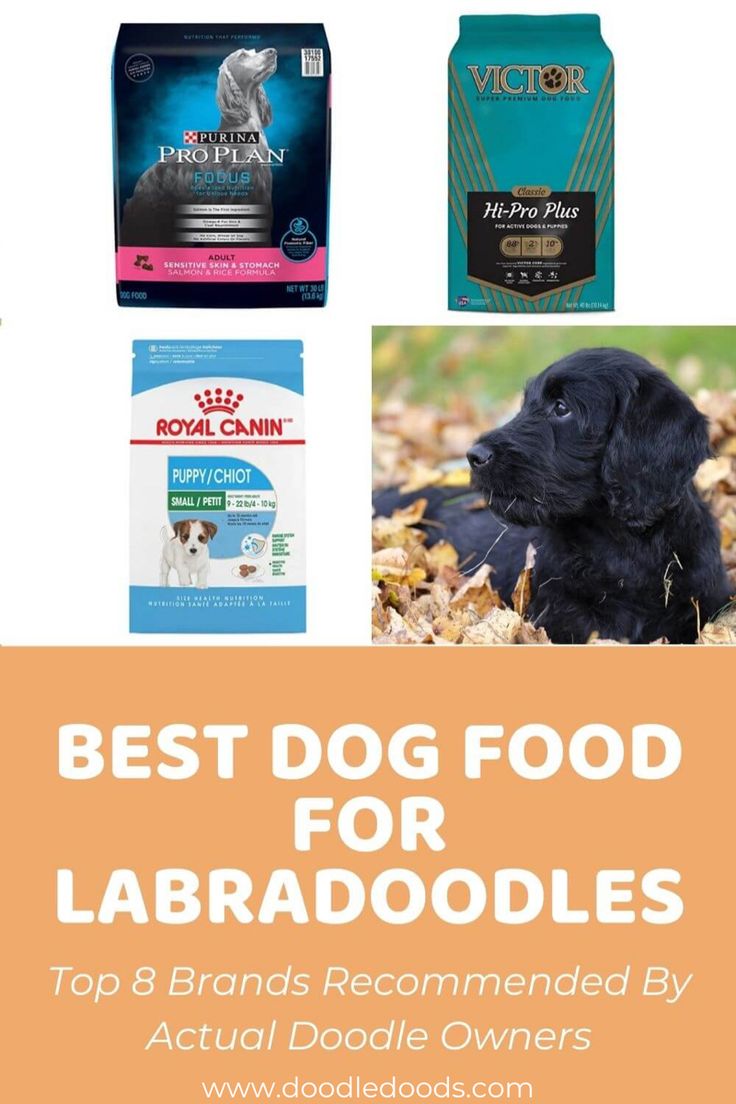
3. High-Protein, Grain-Inclusive Option
For very active dogs, a formula rich in animal protein plus wholesome grains supplies the stamina needed for long hikes or agility sessions without sacrificing coat condition or gut comfort.
Conclusion
Choosing the right food for your Labradoodle comes down to quality ingredients, balanced nutrients, and an approach that fits your lifestyle. Whether you scoop kibble, simmer a homemade stew, or serve a carefully prepared raw meal, keep your veterinarian in the loop and monitor your dog’s weight, coat, and energy. A consistent, nutritious diet is the simplest daily gift you can give for years of tail wags and adventures together.