Title: The English Bulldog in India: A Unique Blend of Tradition and Modernity
Introduction:
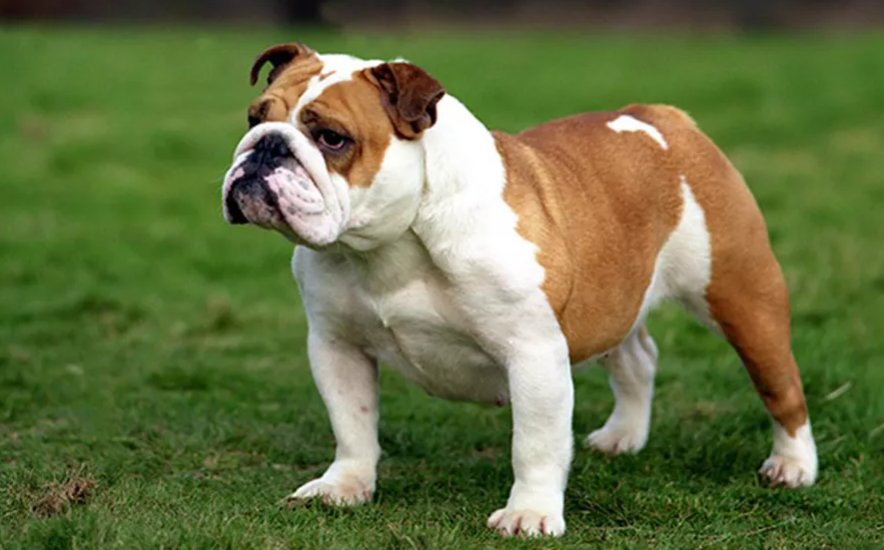
The English Bulldog, instantly recognizable by its wrinkled face and stocky frame, has carved out a special niche across Indian homes. This piece looks at why the breed resonates locally, how it fits into shifting lifestyles, and what hurdles accompany its rising popularity. From historical roots to present-day care, the story of the English Bulldog in India illustrates an ongoing meeting point between heritage and contemporary pet culture.
History and Arrival in India
Bred centuries ago for rugged work, the English Bulldog later transformed into a companion celebrated for calm loyalty. Its journey toward India coincided with increased international trade and travel, when visitors and settlers brought their beloved dogs along. Over time, these pets caught the attention of local enthusiasts, and the breed’s distinct look began appearing in cities and cantonments alike.
Early admirers valued the dog’s steady temperament and solid build, traits that suited both spacious bungalows and more compact urban homes. Word of its easy-going nature spread, and the Bulldog gradually moved from rare novelty to cherished household member, weaving itself into everyday Indian life.
Cultural Implications
In modern metros and smaller towns, the English Bulldog is often seen as a laid-back friend who thrives on human company. Its patient attitude makes it a favorite with children, while the signature waddle and expressive face provide endless amusement on social media. Pet parents enjoy showcasing colorful collars, festive bandanas, and even matching outfits, turning daily walks into mini-celebrations.
Beyond home life, the breed pops up in advertising campaigns, fashion shoots, and short films, where it conveys reliability and charm. Artists sometimes use the Bulldog’s silhouette to evoke a sense of steadfast companionship, reinforcing its image as a dog that quietly anchors the household.
Challenges and Concerns
Popularity also brings responsibility. The same flat muzzle that gives the Bulldog its unique profile can lead to breathing difficulty, especially in hot, humid weather. Owners must plan exercise around cooler hours, provide constant shade, and watch for overheating. Routine vet checks, weight control, and use of harnesses instead of neck collars are now widely recommended.
Another concern is unethical breeding for extreme features. When puppies are produced without health screening, respiratory issues, skin infections, and joint trouble can follow. Prospective guardians are increasingly advised to visit reputable breeders who prioritize fitness, or better still, to adopt from rescues dedicated to the breed.
Breeding and Conservation Efforts
Enthusiast clubs across the country have started educational programs that highlight responsible pairing, the benefits of genetic tests, and the importance of moderate body shape. Seminars teach new owners about diet, physiotherapy, and summer care, while panel discussions bring vets, trainers, and families onto a common platform.
Parallel to this, animal welfare groups run awareness drives on adoption, stressing that older Bulldogs often make gentle, grateful pets. By spotlighting success stories of rehabilitated dogs, these organizations hope to reduce impulse purchases and ease the burden on overcrowded shelters.
Conclusion
The English Bulldog’s experience in India mirrors a broader journey: adapting time-honored breeds to a rapidly changing environment. With informed care, community support, and an emphasis on health over appearance, the breed can continue to charm without unnecessary suffering.
This overview has traced the Bulldog’s path—from foreign curiosity to home-grown favorite—while underlining welfare priorities that safeguard its future. Celebrating the dog’s endearing character need not conflict with safeguarding its well-being; both goals thrive when knowledge and compassion guide every decision.
Ultimately, the English Bulldog stands as a reminder that responsible ownership and collective awareness shape a kinder, healthier companionship for pets and people alike.