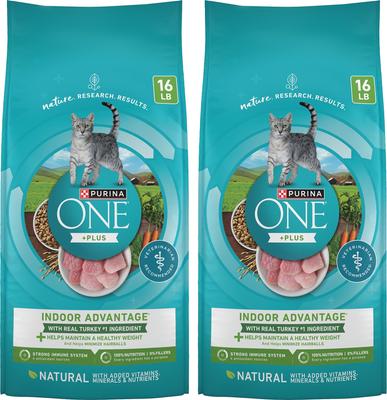
Is Purina One Plus Good for Cats?
Introduction
Choosing the right food for a cat can feel overwhelming, and Purina One Plus often appears on store shelves as a mid-priced option that promises added benefits. This article looks at what sets it apart, how its recipes are put together, and whether it deserves a place in your cat’s bowl.
Ingredients
The first several items in most Purina One Plus formulas are named meats—think chicken or beef—followed by a blend of grains and plant proteins. These animal ingredients supply the amino acids cats need for lean muscle, while added vitamins and minerals round out the nutrient profile. Like many mainstream foods, the line also includes corn gluten meal and soybean meal to help shape the kibble and keep cost down. They are safe for most cats, yet owners who prefer grain-light diets may wish to compare recipes.
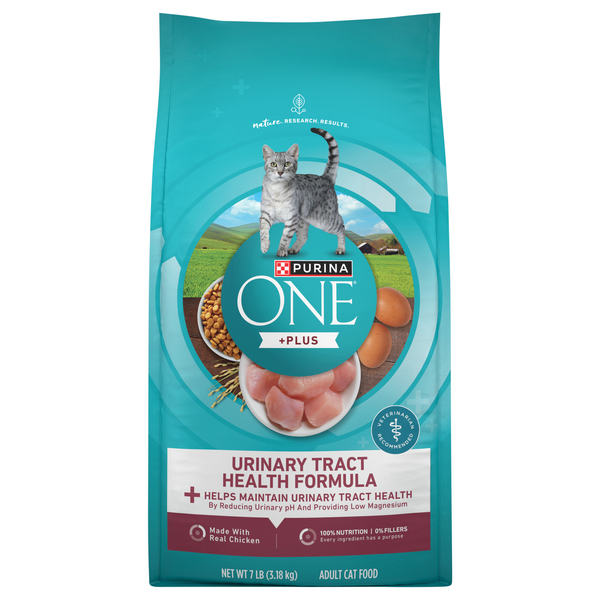
Nutritional Value
Every life-stage variety—kitten, adult, and senior—carries an Association of American Feed Control Officials (AAFCO) statement confirming complete and balanced nutrition. Protein sits at or above average for grocery-aisle brands, and each cup delivers omega-3 and omega-6 fatty acids for skin and coat support. A mix of prebiotic fiber and probiotics is added to encourage stable digestion, and antioxidants are included for immune backup. Still, individual animals have unique needs, so a quick chat with a vet can confirm whether the numbers on the bag match the numbers your cat requires.
Benefits
Owners often report these pluses:
– Strong muscle support from animal-based protein.
– Shinier fur and fewer flakes thanks to added omegas.
– Consistent litter-box habits linked to digestive helpers.
– Life-stage formulas that adjust calorie and mineral levels as cats age.
Results vary by cat, but the brand’s track record makes it a common starting point for households seeking noticeable everyday health without jumping to the top price tier.
Potential Concerns
A few points deserve a second look:
– Plant proteins and grains lower the overall meat content compared with boutique “ancestral” diets.
– Grain-free versions exist, yet recent studies suggest peas or lentils used in place of grains may carry their own risks; weigh the evidence before switching.
– Mid-premium pricing can add up in multi-cat homes, so budget shoppers may need to balance cost against desired extras.
Conclusion
Purina One Plus delivers solid nutrition backed by feeding trials, offers life-stage choices, and keeps quality control under a single company roof. The inclusion of grains and by-product meals will not suit every philosophy, yet for many cats it provides dependable everyday nourishment at a moderate price. Let your veterinarian’s input and your cat’s own coat, weight, and energy level guide the final decision.
Future Research
Long-term studies comparing cats fed Purina One Plus with those on fresh, raw, or prescription diets could clarify effects on weight management, renal health, and longevity. Additional work on alternative carbohydrate sources and the optimal fiber-to-starch ratio would also help refine formulas for sensitive animals. Continued transparency from manufacturers will give owners ever-clearer answers when they ask, “Is this the right bowl of food for my cat?”