The Impact of a Neighborhood Pet Superstore: A Comprehensive Analysis
Introduction
Pet parenting has surged in popularity, with companion animals now seen as full-fledged family members. A major driver of this shift is easy access to supplies and services, something local pet superstores make effortless. This piece explores how having a large pet retailer nearby shapes daily life for owners, the wider industry, and the neighborhood itself.
The Role of a Pet Superstore in the Pet Industry
Market Presence and Brand Recognition
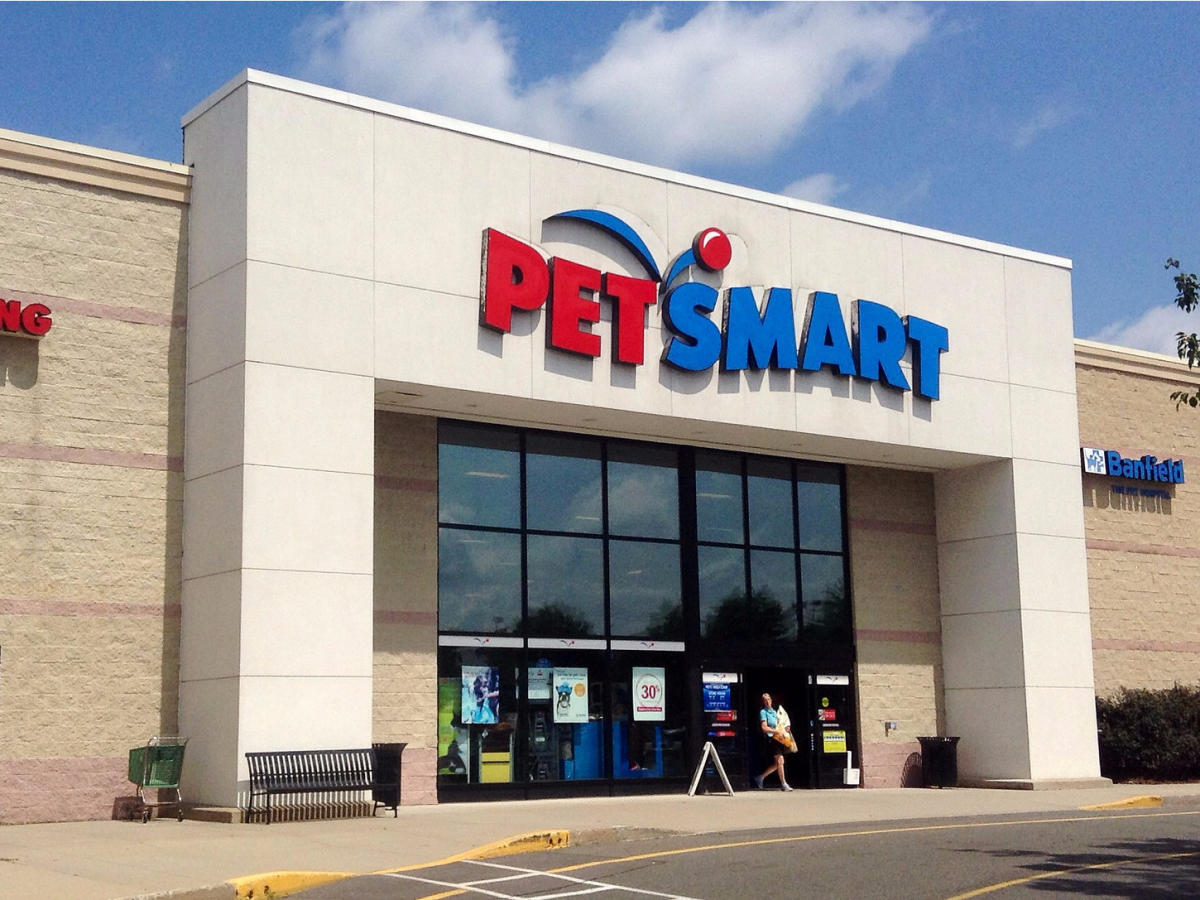
Established decades ago, the chain has grown into one of the most visible pet specialty retailers nationwide. Thousands of storefronts blanket suburbs and cities alike, turning the brand into a reflex destination for food, toys, and care essentials.
Product Range and Quality
Shelves are stocked with everything from everyday kibble to prescription diets, plus grooming tools, habitat décor, and on-site wellness clinics. By vetting vendors and emphasizing consistent standards, the retailer earns repeat visits from shoppers who value reliability.
Benefits for Pet Owners
Convenience
A single trip can cover food refills, nail trims, and impulse buys like seasonal squeaky toys. For time-pressed households, that one-stop efficiency removes the hassle of driving between independent shops or waiting on scattered delivery windows.
Expert Advice
Staff training modules cover nutrition, basic behavior, and safety tips, so employees can guide new puppy parents toward appropriate diets or suggest stress-reducing pheromone diffusers for anxious cats. Free, friendly guidance often proves as valuable as the merchandise.
Community Engagement
Weekend adoption drives, microchip clinics, and leash-training workshops turn the sales floor into a gathering place. These events connect rescue groups with prospective adopters and sprinkle a little civic goodwill onto routine errands.
Implications for Local Communities
Economic Impact
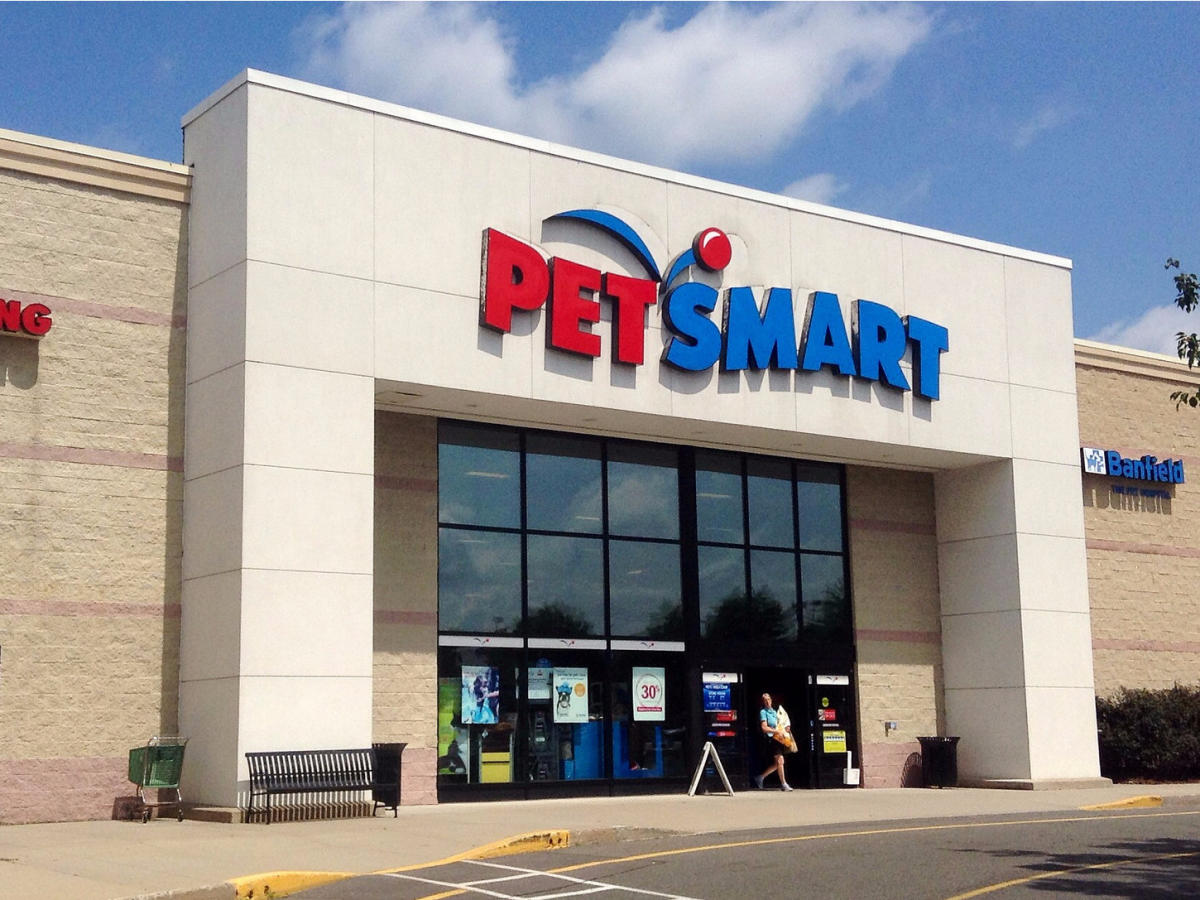
Each outlet hires dozens of workers—stockers, groomers, trainers, and vets—while routine deliveries and contractor maintenance funnel money through regional suppliers. Special events draw foot traffic that spills over to neighboring cafés and car washes.
Social Impact
By spotlighting adoption and spay-neuter education, the store helps curb stray populations and nurtures responsible ownership cultures. Happier pets often mean more sidewalk socializing, dog-park friendships, and neighborly conversation starters.
Challenges and Criticisms
Competition and Market Saturation
Big-box rivals, boutique shops, and speedy e-commerce platforms all chase the same pet budget, pressuring any single chain to keep prices sharp and shelves fresh.
Environmental Concerns
Large-scale distribution, plastic packaging, and energy-intensive aquarium systems raise valid sustainability questions. Progress on recyclable packaging, efficient lighting, and optimized trucking routes remains an ongoing project.
Conclusion
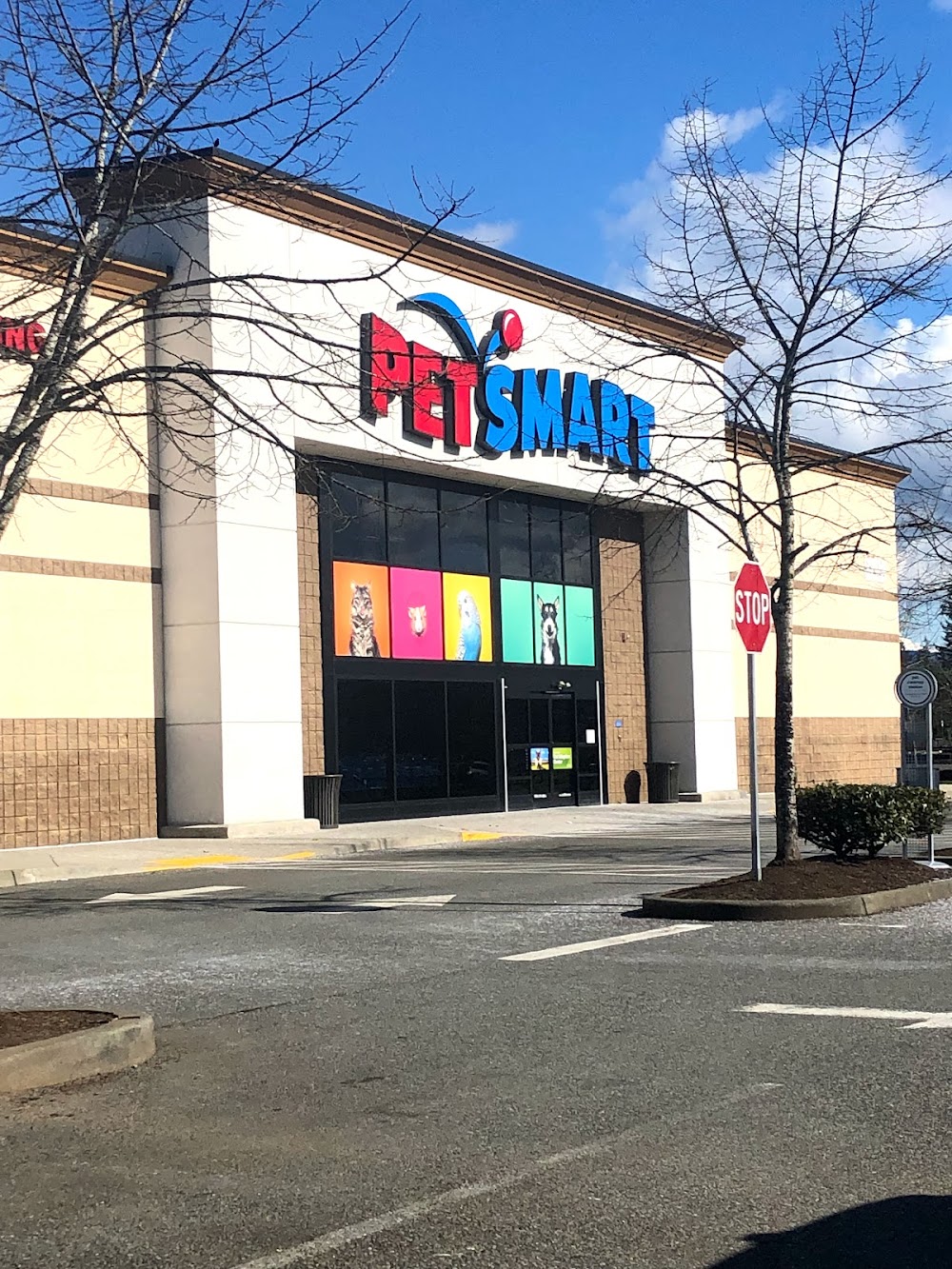
Having a pet superstore around the corner reshapes how communities care for animals, spend disposable income, and interact with one another. Its blend of variety, guidance, and civic programming delivers clear perks, yet competitive and ecological pressures demand continual adaptation. Watching how the format evolves will offer lessons for retailers and pet lovers alike.
Recommendations and Future Research
To strengthen its positive footprint, the chain could:
– Accelerate adoption of refill stations and biodegradable packaging to trim plastic waste.
– Blend same-day delivery with in-store pickup, giving shoppers flexible fulfillment options.
– Deepen partnerships with shelters to spotlight harder-to-place senior or special-needs pets.
Researchers might investigate:
– How store-hosted clinics affect regional veterinary access and pricing.
– Whether loyalty-program data can predict—and prevent—pet surrenders.
– The carbon savings of local sourcing for high-volume items like cat litter or birdseed.