Title: How a Local Pet-Rescue Network Transforms Animal Welfare and Adoption
Introduction
Adopting companion animals has become a growing movement worldwide, with grassroots groups working to give homeless pets a second chance. One standout effort is a community-driven rescue network operating in a coastal Texas city, focused on matching abandoned cats and dogs with caring families. This article examines how that network shapes regional animal welfare and adoption trends, highlighting victories and ongoing hurdles.
The Role of the Rescue Network
The group serves as a bridge between overcrowded shelters and the public, offering adoption events, temporary fostering, and owner education. Volunteers coordinate with veterinarians, trainers, and local businesses to ensure every animal receives medical care, socialization, and visibility. Through social-media campaigns and weekend meet-and-greets, the network has become a trusted source for people looking to add a pet to their household.
Success Stories
Over the past five years, the network reports a steady rise in successful adoptions. Key drivers include:
– Thoughtful Matching: Counselors speak with prospective adopters about lifestyle, experience, and expectations to pair them with compatible animals.
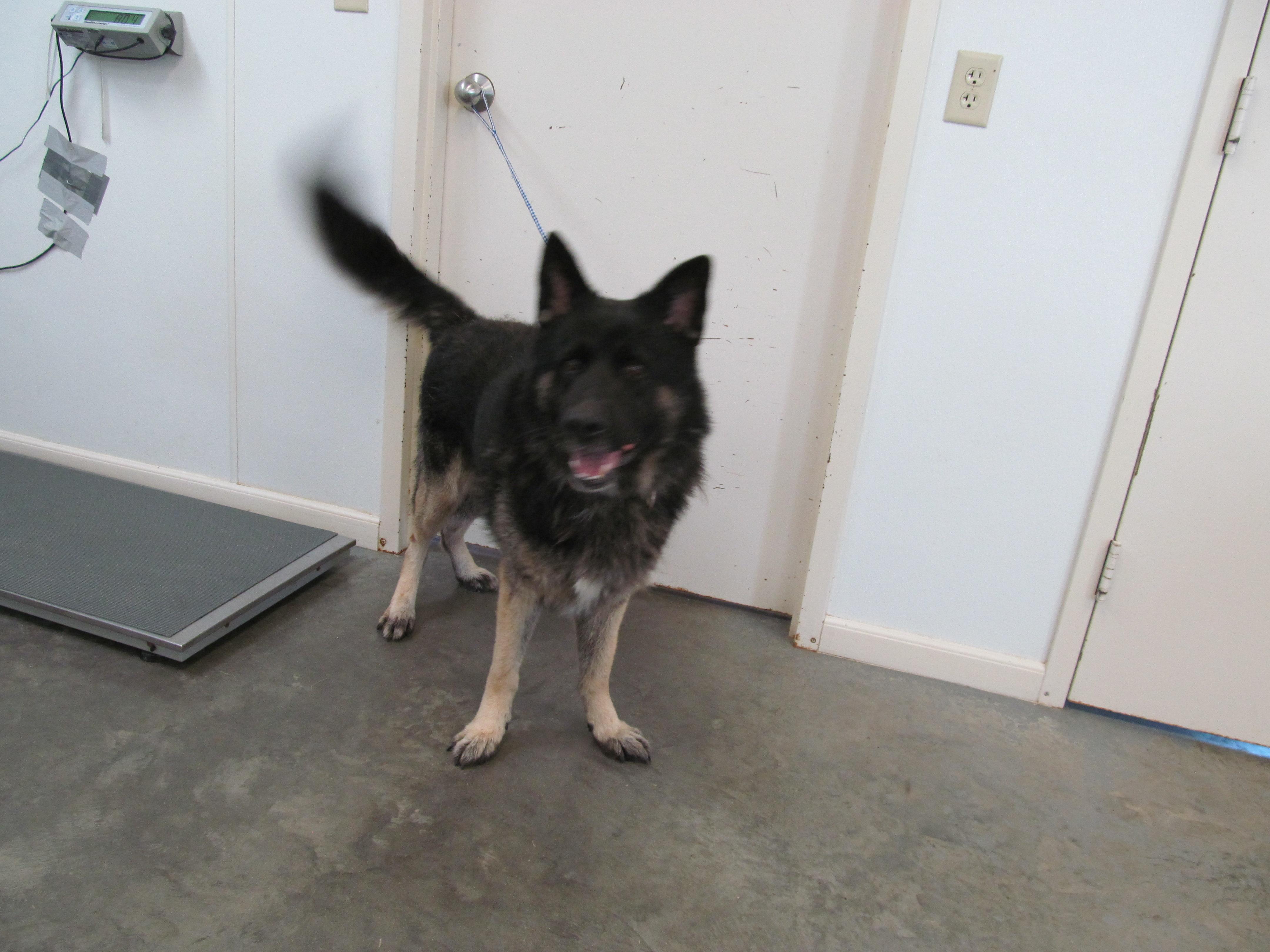
– Neighborhood Events: Monthly pop-up adoption fairs at parks, farmers markets, and breweries introduce pets to hundreds of potential homes.
– Foster-to-Adopt Trials: Short-term fostering lets families test compatibility while giving shy or recovering animals a calm environment.
Challenges and Solutions
An endless stream of stray and surrendered pets still strains resources. To curb the influx, the network focuses on prevention:
– School Visits: Interactive lessons teach children compassion and the basics of responsible ownership.
– Affordable Sterilization: Voucher programs make spay/neuter surgery accessible to low-income households.
– Cross-Group Transfers: Partnering with rescue allies in nearby towns balances animal populations and prevents overcrowding.
The Impact on Animal Welfare
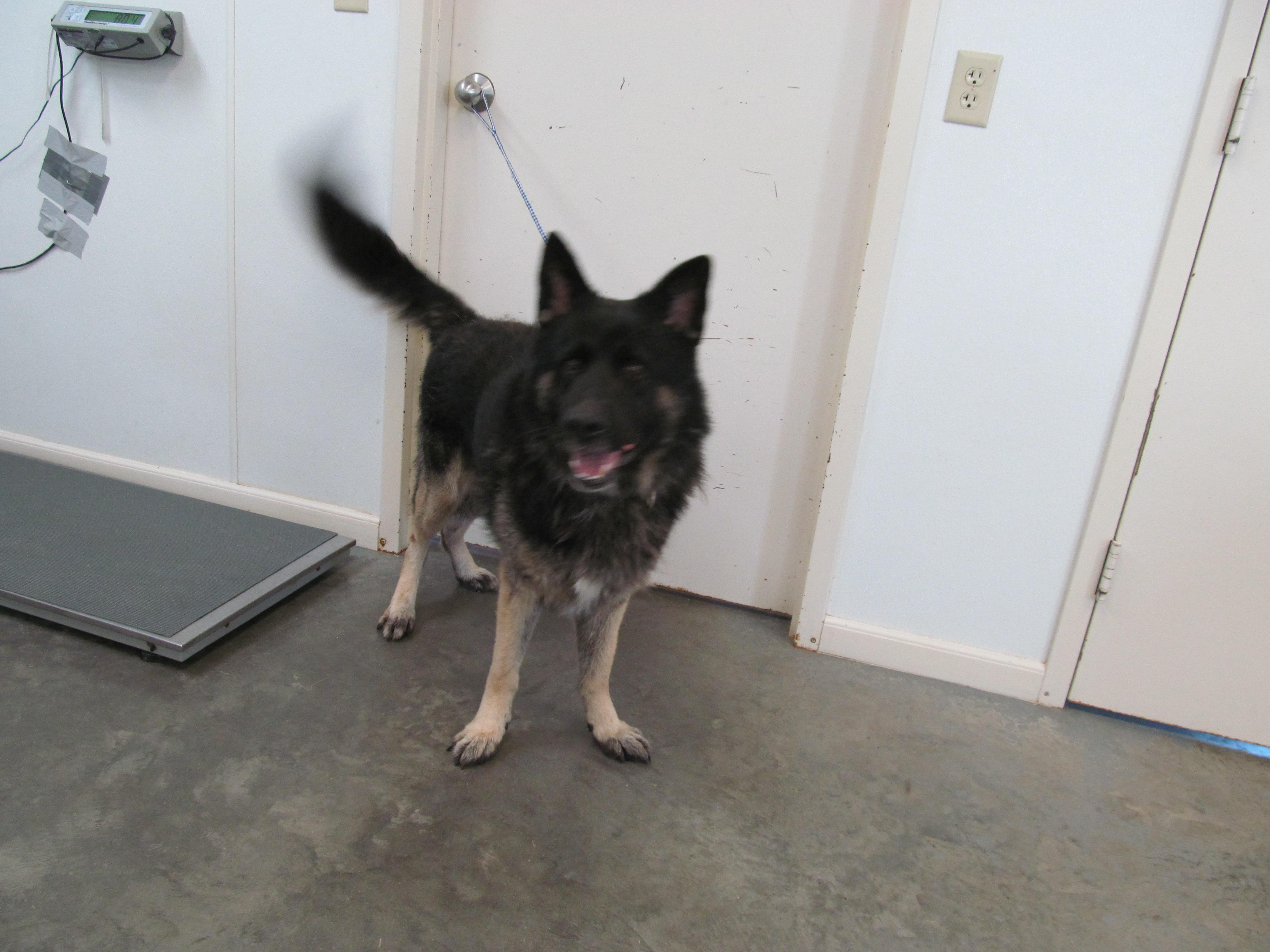
By expanding foster homes and adoption opportunities, the network has helped lower euthanasia rates at area shelters. Fewer animals spend long stretches in kennels, reducing stress-related illnesses and behavioral issues. Community members also learn to report strays quickly, shortening the time pets roam the streets.
The Impact on Adoption
Streamlined paperwork, post-adoption check-ins, and starter kits of food and supplies give new pet parents confidence. As success stories circulate, word-of-mouth referrals climb, creating a positive cycle that normalizes adoption over purchasing from breeders.
Conclusion
The coastal city’s rescue network illustrates how volunteer energy, smart outreach, and strong partnerships can rewrite the future for homeless animals. Continued growth will depend on sustained funding, fresh volunteers, and data-driven tweaks to existing programs. Observing this model offers valuable lessons for other communities seeking similar change.
Recommendations and Future Research
To amplify results, stakeholders suggest:
– Targeted Outreach: Deploy mobile clinics and bilingual materials in neighborhoods with limited veterinary access.
– Business Incentives: Encourage pet-friendly housing and workplace policies through small-business alliances.
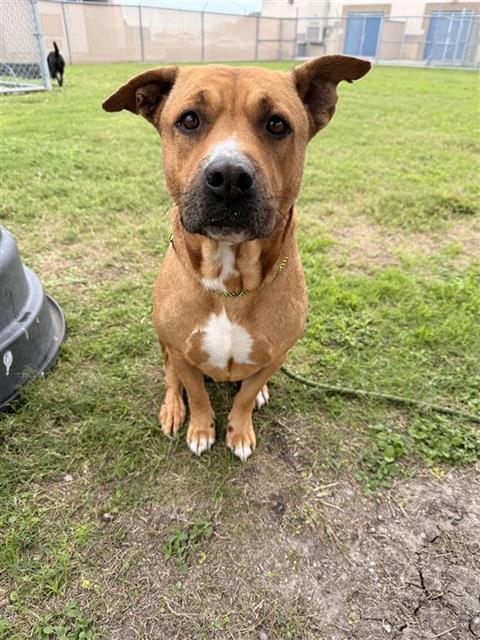
– Data Tracking: Use simple metrics—length of stay, return rate, foster conversion—to refine practices each quarter.
Researchers could explore:
– Longitudinal Welfare: Follow adopted animals for several years to gauge health and retention outcomes.
– Replication Guides: Compile adaptable playbooks for cities of varying sizes and budgets.
– Economic Ripple Effects: Measure savings in public animal-control costs and growth in pet-related commerce.