Title: Shelter Cats: Hidden Treasures Waiting for a Home
Introduction:
Cats living in community shelters are often unseen gems who simply need a second glance. This article explores the hurdles they encounter, the joy they can bring once adopted, and why meeting their needs strengthens entire neighborhoods. By looking at everyday shelter life, we can uncover practical ways to boost feline welfare and turn more cats into cherished companions.
Understanding Shelter Cats
Shelter cats arrive after being found on the street, surrendered by families, or rescued from tough situations. Many need basic medical care, patience while they rebuild trust, and gentle handling to relearn that people can be kind. Recognizing these common starting points helps caregivers create calm, healing environments.
The Challenges Faced by Shelter Cats
1. Health Issues:
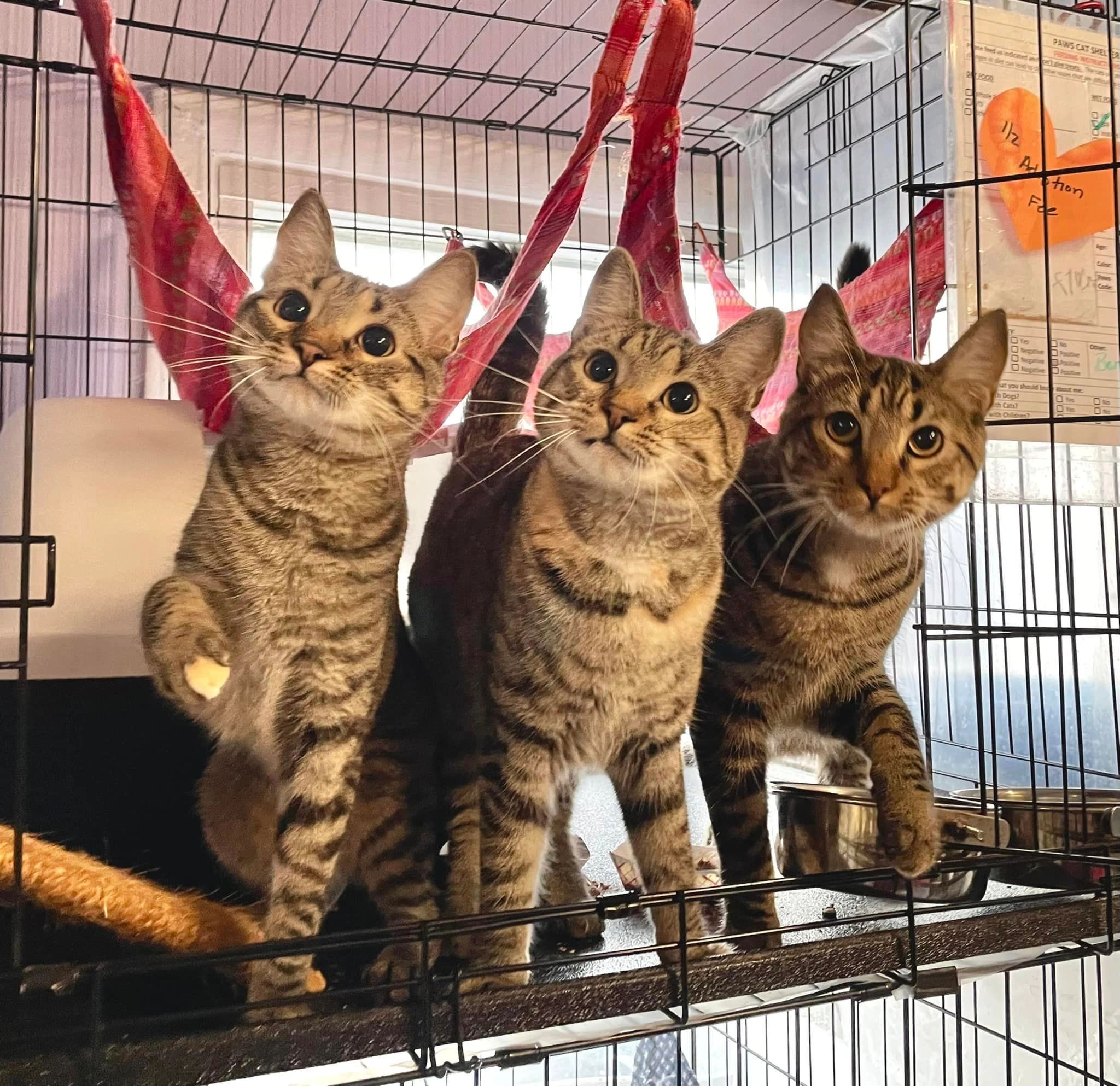
Coughs, dental discomfort, and parasites are frequent visitors in any shelter ward. Left untreated, minor problems can snowball into painful, costly conditions. Routine check-ups, vaccinations, and prompt treatment keep cats comfortable and adoption-ready.
2. Behavioral Problems:
When cats have lived with little human contact, they may hide, swat, or shrink from touch. Quiet enrichment—soft beds, high perches, predictable schedules—lets them decompress and relearn confidence, greatly improving their chances of finding a permanent home.
3. Overpopulation:
More cats enter shelters than leave each day, stretching space, staff, and budgets. Spay/neuter campaigns, foster networks, and adoption events ease the squeeze and save lives.
The Potential of Shelter Cats
Despite rough beginnings, shelter cats blossom with steady care. Their upside is enormous:
1. Adoption Success Stories:
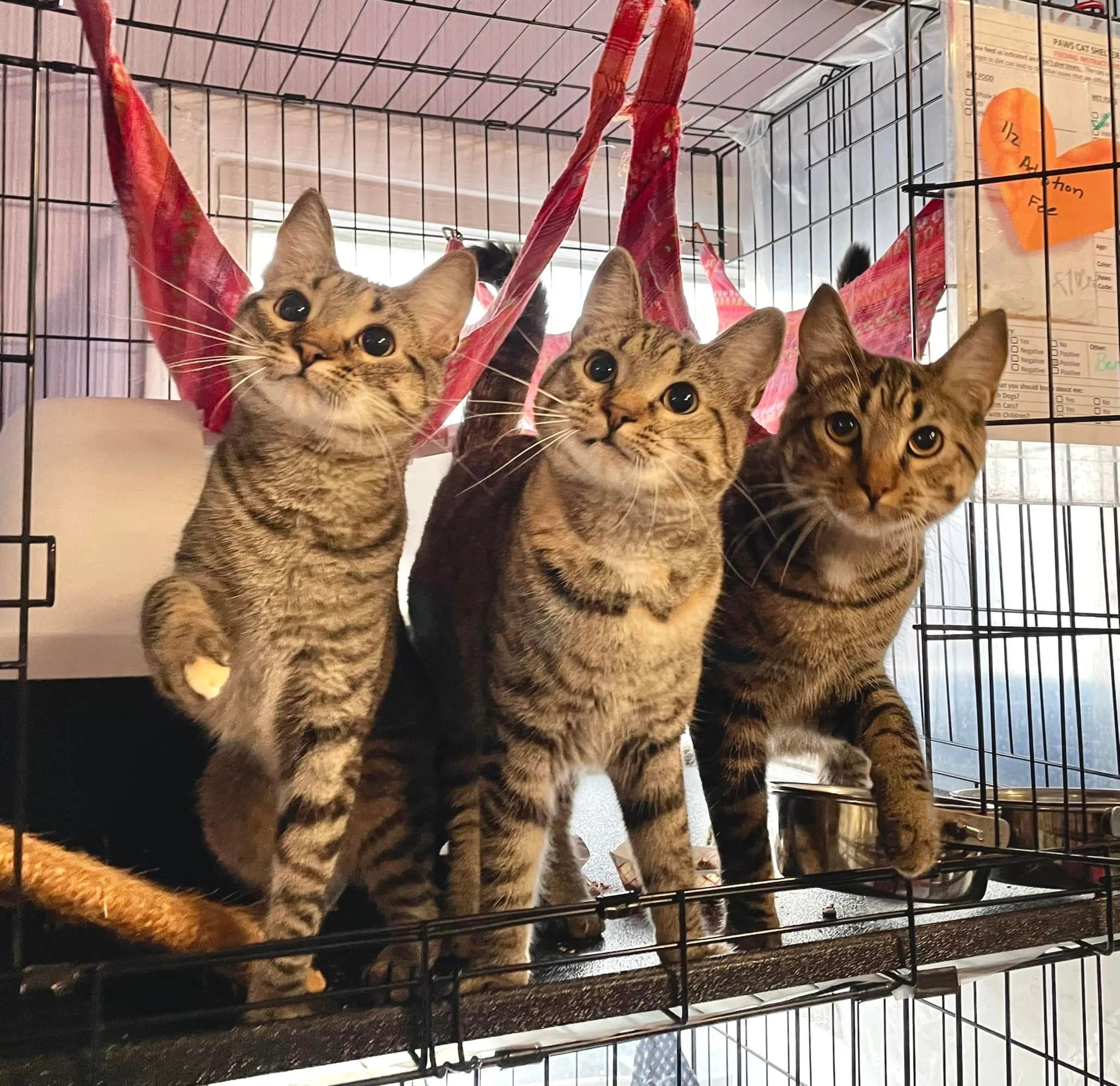
From couch cuddlers to playful acrobats, former shelter cats routinely become the heart of their new households, proving that patience pays off for both pet and person.
2. Social and Emotional Benefits:
A gentle purr or slow blink can lower stress after a hard day. Sharing life with a feline friend encourages routine, laughter, and moments of mindfulness.
3. Community Engagement:
Volunteering, donating, or simply sharing adoptable-cat photos online connects neighbors around a shared love of animals and builds a kinder local culture.
Addressing the Needs of Shelter Cats
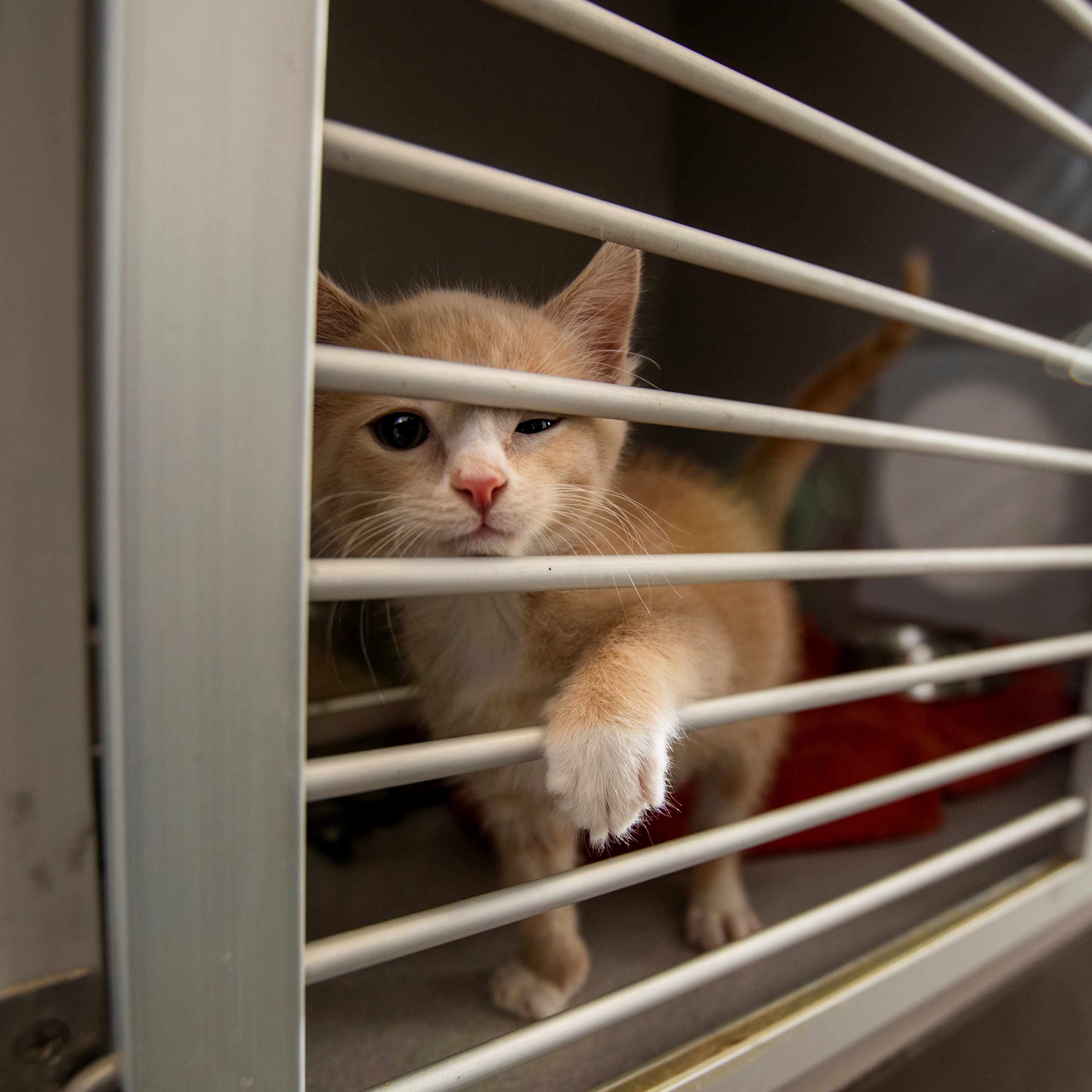
Progress comes from steady, practical steps:
1. Comprehensive Veterinary Care:
Regular exams, timely vaccines, and population-control surgery form the baseline of humane sheltering and keep cats healthy for the journey ahead.
2. Behavioral Training and Socialization:
Short, positive play sessions, treat-based greetings, and quiet reading hours beside kennels teach cats that people equal safety and fun.
3. Public Awareness and Education:
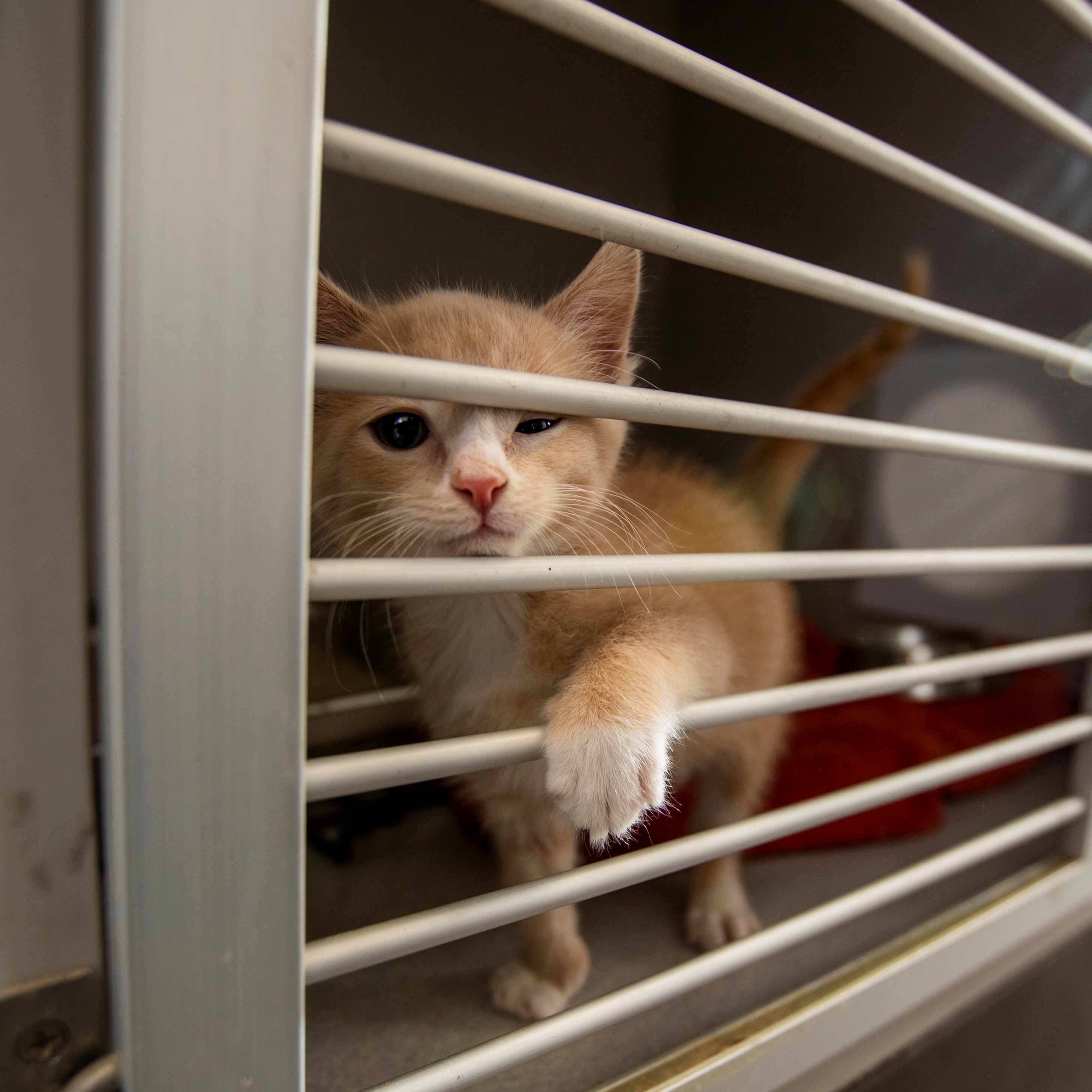
Clear adoption profiles, open-house events, and school talks spread the word that shelters house wonderful cats of every age, color, and personality.
4. Community Support and Collaboration:
Local businesses can sponsor kennels, artisans can donate toys, and families can open spare rooms as foster space. Small joint efforts add up to big change.
Conclusion:
Shelter cats are not problems waiting to happen; they are possibilities waiting to shine. By offering medical care, patience, and a path to adoption, we transform vulnerable felines into valued family members while enriching our own lives in the process. Continued teamwork, education, and compassion can ensure that every cat receives the comfort, safety, and love it deserves.