Title: Understanding the Role of a Major Pet Retailer in Animal Welfare: A Comprehensive Analysis
Introduction
The question of whether large pet retail chains accept animals is important for animal welfare advocates and prospective pet owners. As a prominent name in the pet industry, this company influences how pets are sourced, cared for, and placed in homes. This article explores its involvement in animal welfare, the policies it applies, and the broader effects on communities of pet lovers.
Commitment to Animal Welfare
The retailer has publicly pledged to support animal welfare through several key measures:
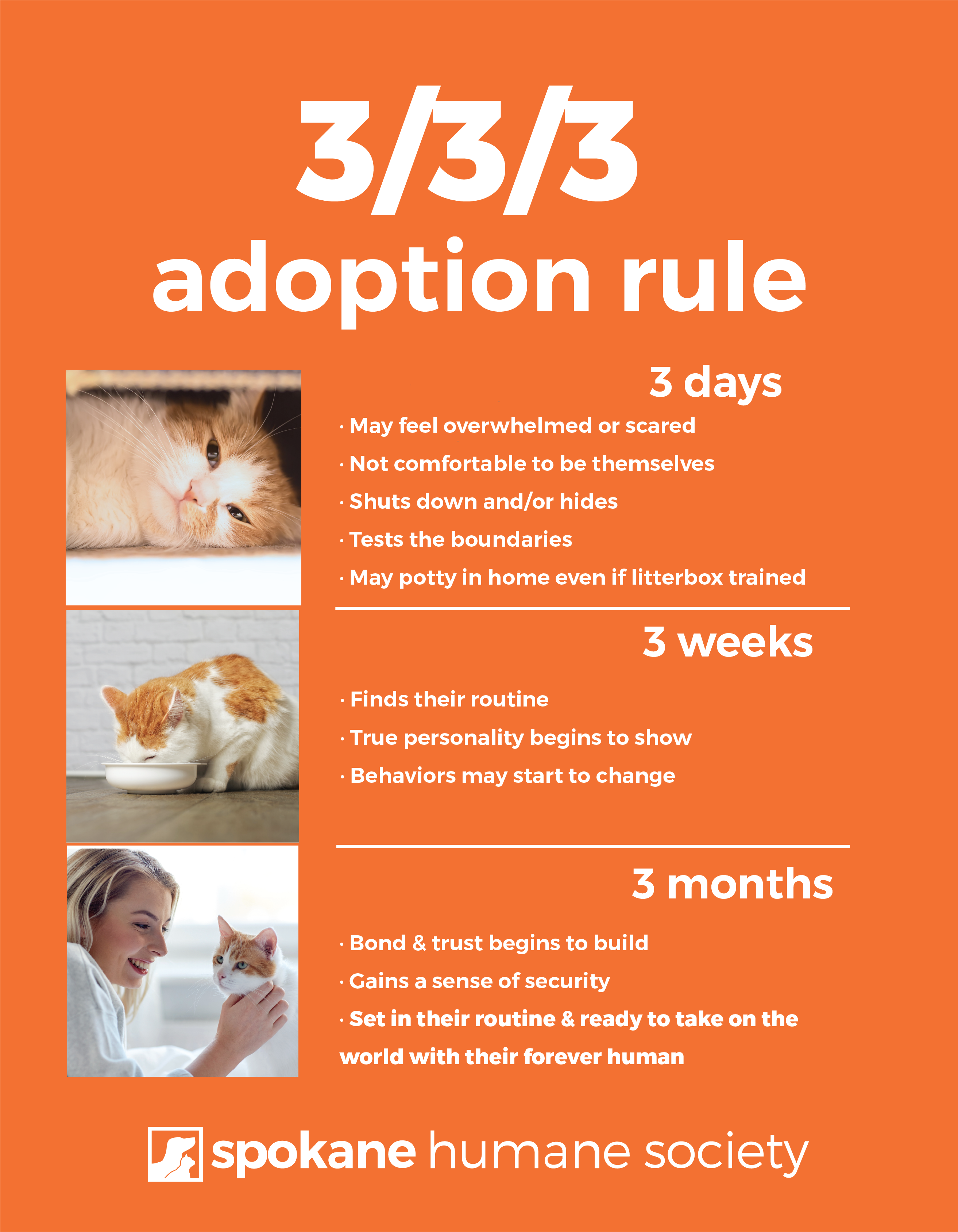
1. Adoption Programs: Many locations host in-store adoption centers that feature animals from nearby shelters and rescue groups, giving homeless pets greater visibility and a better chance of finding permanent families.
2. Welfare Standards: Written guidelines require appropriate housing, balanced nutrition, and prompt veterinary attention for every animal on the premises.
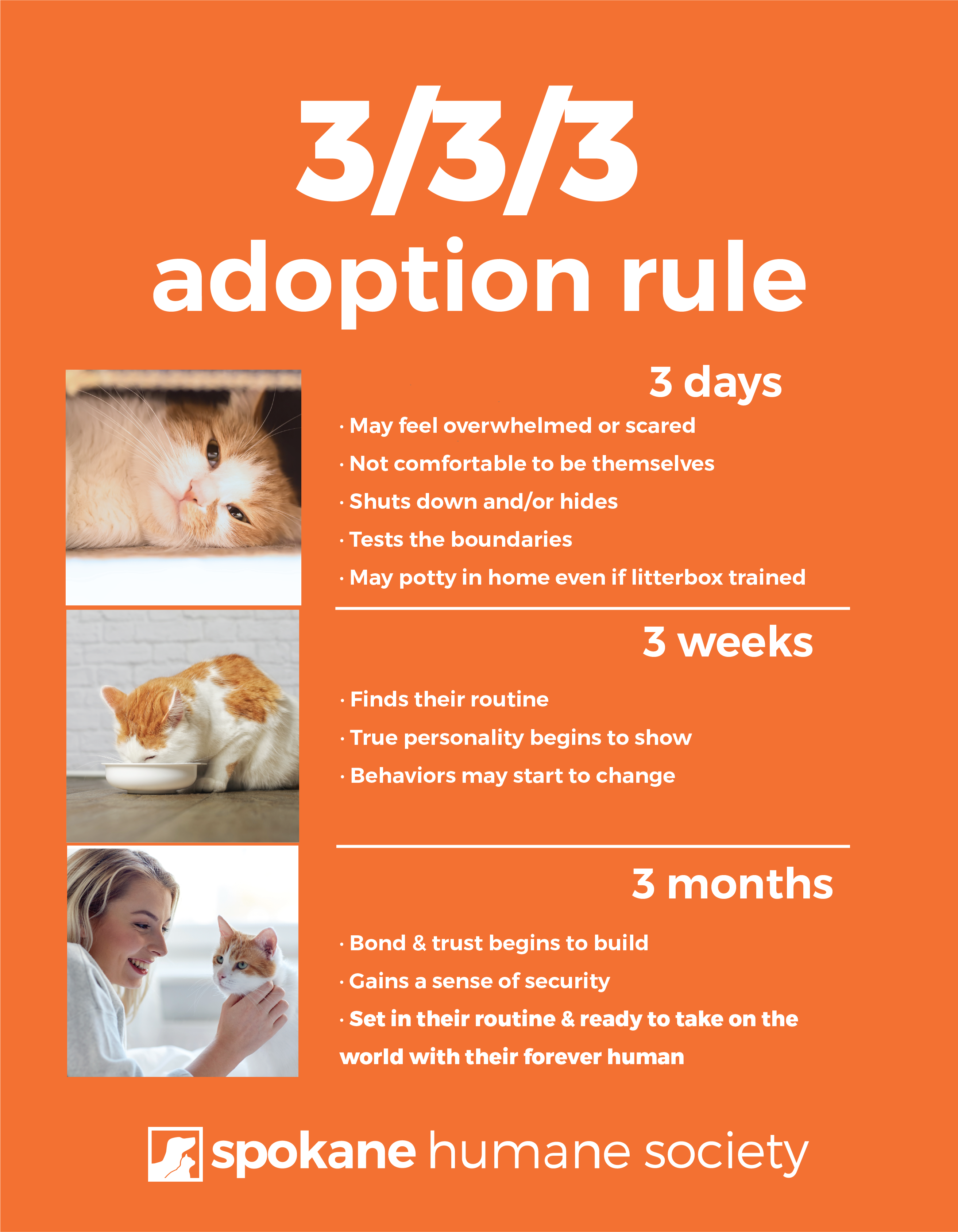
3. Education and Support: Customers have access to care guides, training workshops, and advice from staff, encouraging responsible ownership long after adoption.
Does the Retailer Take In Animals?
Yes, the company does receive animals. These pets arrive through formal agreements with local shelters and nonprofit rescue organizations rather than through direct intake by the public. The arrangement provides a centralized, high-traffic venue where adoptable animals can meet potential guardians.
The Impact of These Efforts
The ripple effects of the retailer’s programs can be observed in several ways:
1. Reduced Shelter Overcrowding: By showcasing adoptable pets in busy stores, the initiative moves animals out of shelters and into homes more quickly.
2. Higher Adoption Rates: Frequent visibility in neighborhood stores introduces more families to the idea of adoption, translating into measurable increases in successful placements.
3. Greater Public Awareness: Prominent signage and community events spread the message that adoption is a compassionate first choice when bringing a pet into the family.
Challenges and Criticisms
Despite positive strides, the retailer still encounters criticism:
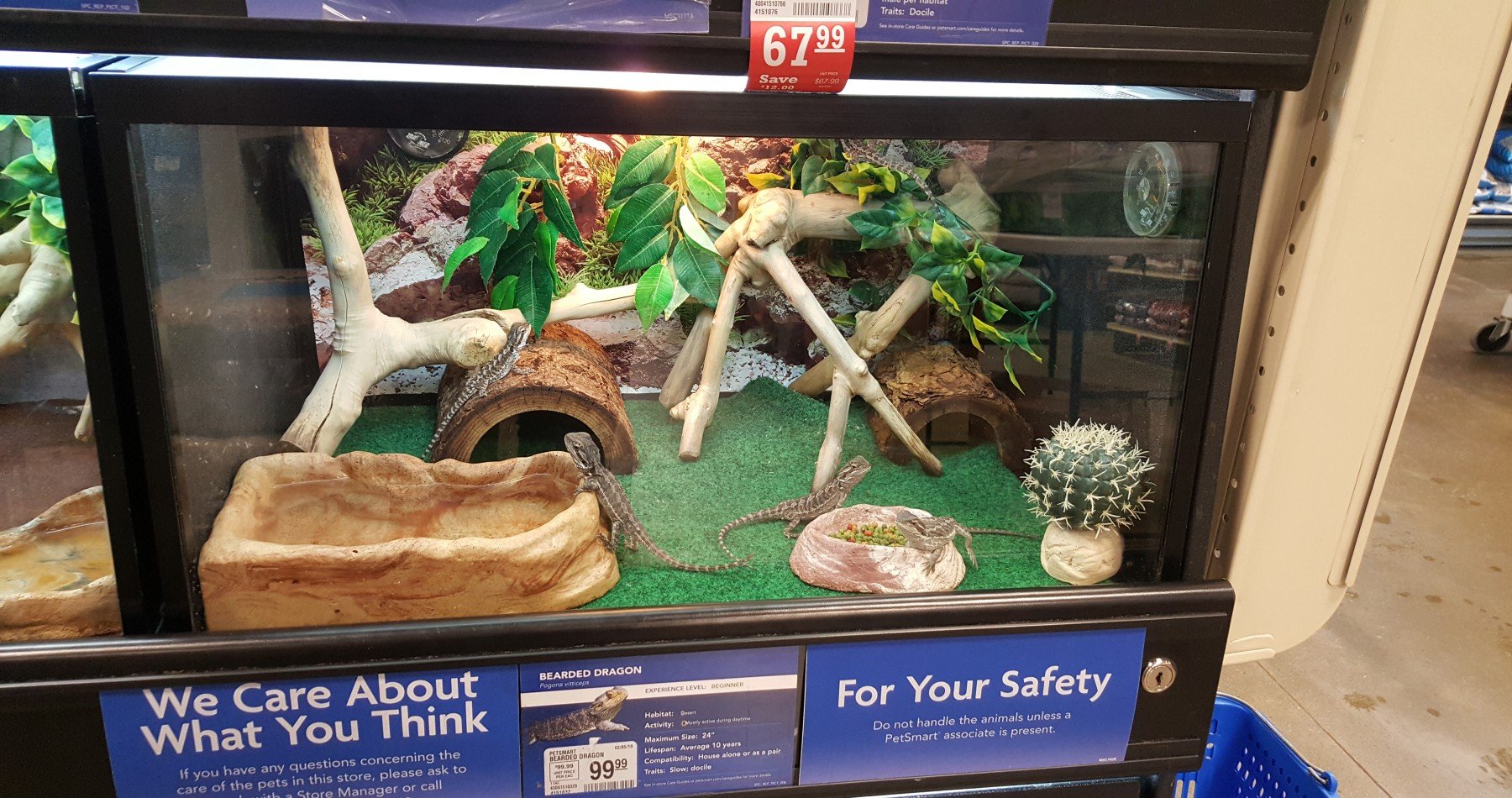
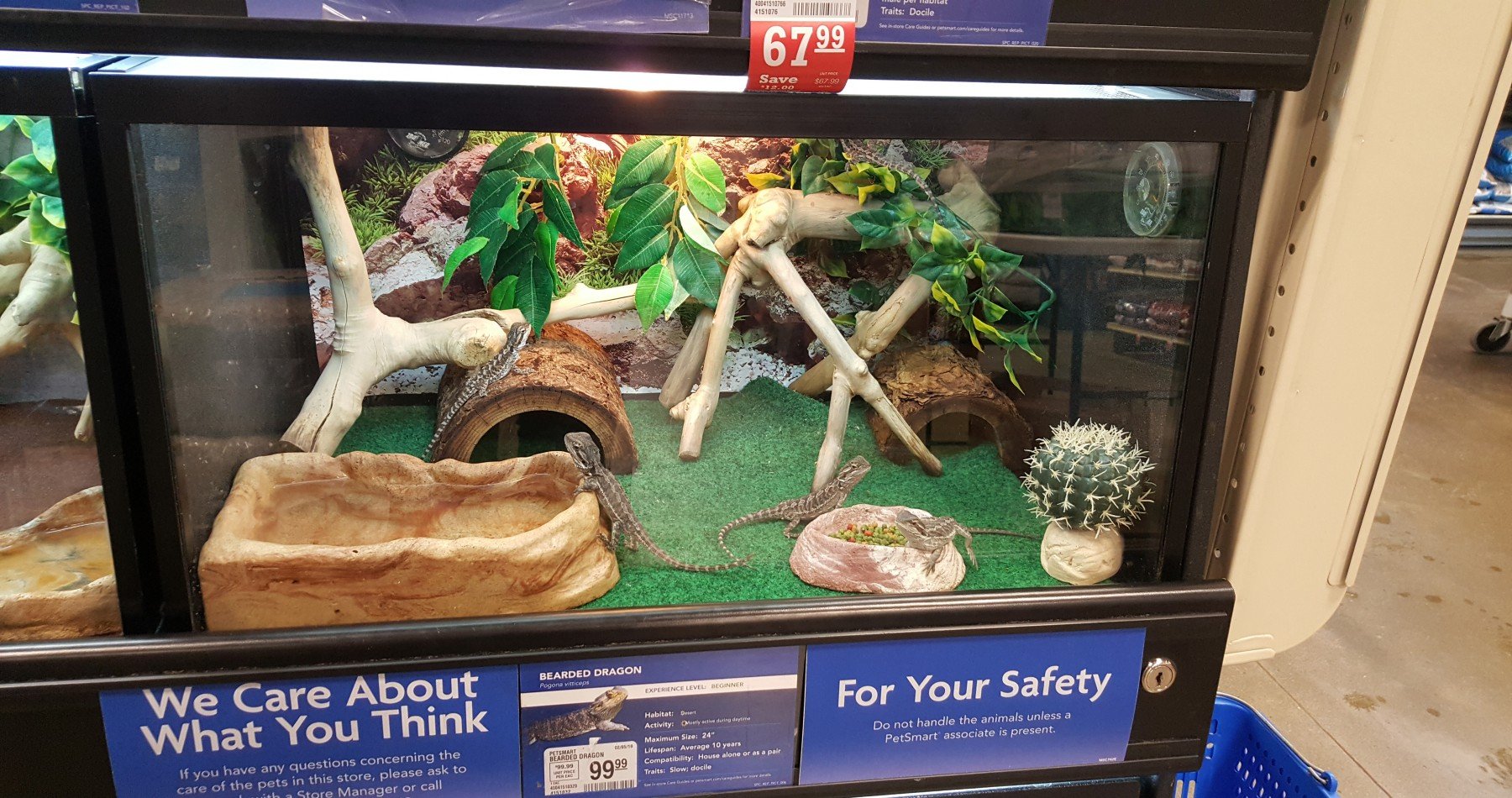
1. Breeding Concerns: Some observers worry that selling pets sourced from commercial breeders may fuel demand for high-volume breeding operations.
2. In-Store Care: Occasional reports of inadequate care have prompted calls for tighter oversight and staff training.
3. Adoption Screening: Advocates suggest refining the application process to ensure every animal is matched with an appropriately prepared household.
Research and Expert Perspectives
Independent studies and specialists offer additional insight:
1. Adoption Center Studies: Peer-reviewed research indicates that pets displayed in retail adoption areas are adopted faster than those housed only in traditional shelters.
2. Expert Commentary: Prominent animal behaviorists have praised visible adoption partnerships for normalizing rescue and reducing stigma around shelter animals.
Conclusion
In summary, the retailer does welcome animals into its stores through collaborative rescue partnerships. Its welfare policies, educational outreach, and adoption events have helped ease shelter burdens and place thousands of pets in loving homes. While room for improvement remains, the overall trajectory supports a more humane pet industry.
The company’s scale gives it leverage to shape consumer habits and industry norms, making its continued progress vital for animals still awaiting homes.
Recommendations and Future Research
To build on existing momentum, the retailer could consider the following steps:
1. Deepen Partnerships: Expand training and resource sharing with rescue groups to maintain high health and behavior standards for adoptable pets.
2. Increase Transparency: Publish regular updates on sourcing practices and welfare outcomes to foster public trust.
3. Evolve Policies: Review guidelines annually, integrating new findings in veterinary science and animal behavior to keep pace with best practices.
Future studies might track long-term retention of adopted pets, measure the influence of educational materials on owner behavior, and evaluate policy changes in reducing regional shelter intake.
Overall, the retailer’s role in animal welfare is substantial. By refining its approach and embracing transparency, it can continue to set a positive example for the industry and, most importantly, improve life for countless companion animals.