The Tuxedo American Shorthair Cat: A Comprehensive Analysis
Introduction
The Tuxedo American Shorthair cat, with its striking black and white coat, is a variety that has captured the hearts of many cat enthusiasts. This article offers a broad overview of these charming cats, exploring their background, appearance, and the special connection they form with people. By looking at several facets of this eye-catching pattern, we can better understand why so many families welcome a “tuxie” into their homes.
Origins and History
American Shorthairs developed naturally on the North American continent, shaped more by time and environment than by deliberate breeding plans. The bicolor “tuxedo” pattern emerged alongside other coat variations as these cats adapted to life in homes, farms, and shipyards. Over decades, the bold black-and-white look gained admirers, and the pattern was eventually noted by major cat registries when the breed itself received formal recognition.
Early 20th-century writings occasionally mentioned black-and-white cats with crisp markings, hinting at the timeless appeal of the tuxedo style long before it became a modern favorite.
Physical Characteristics
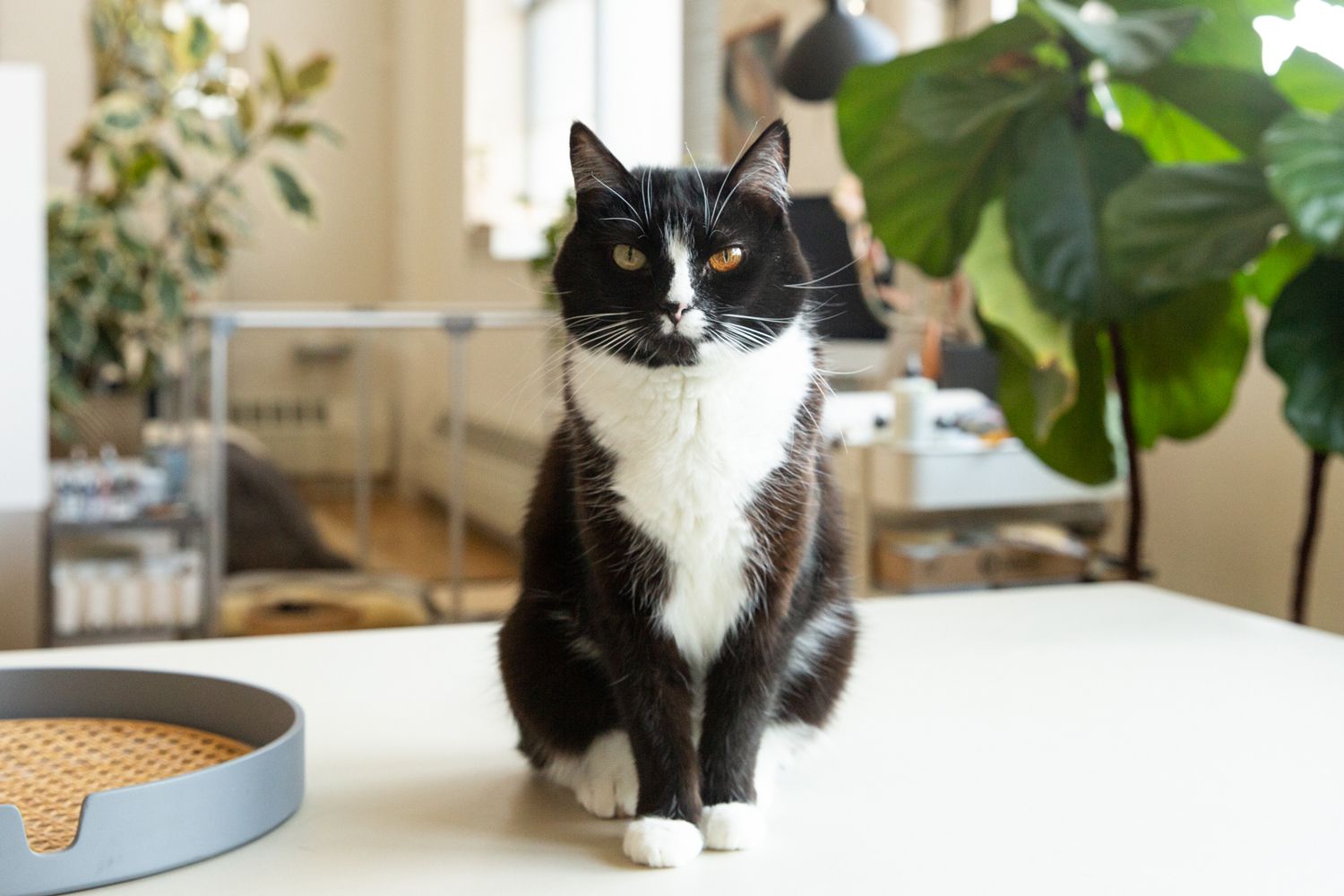
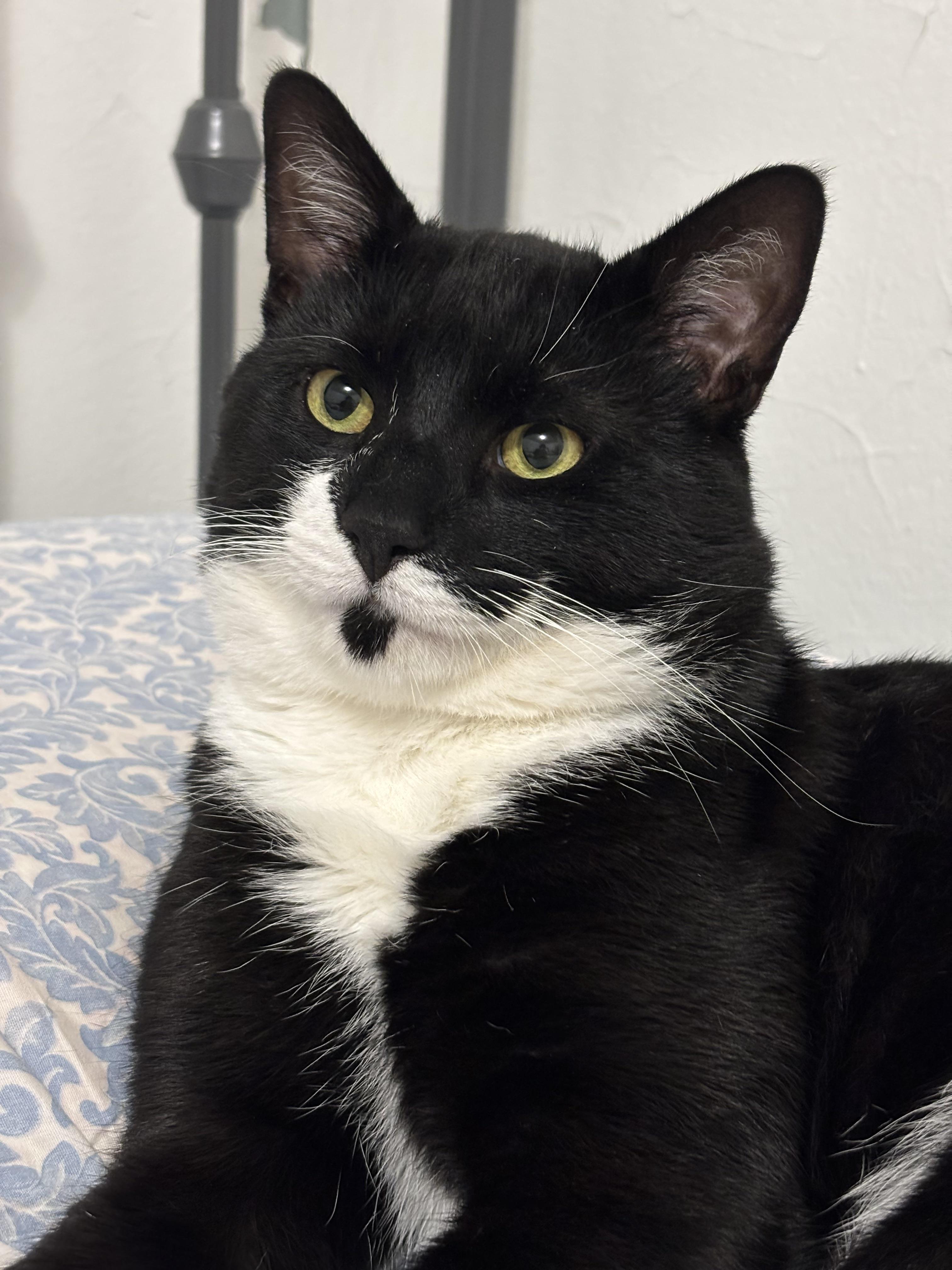
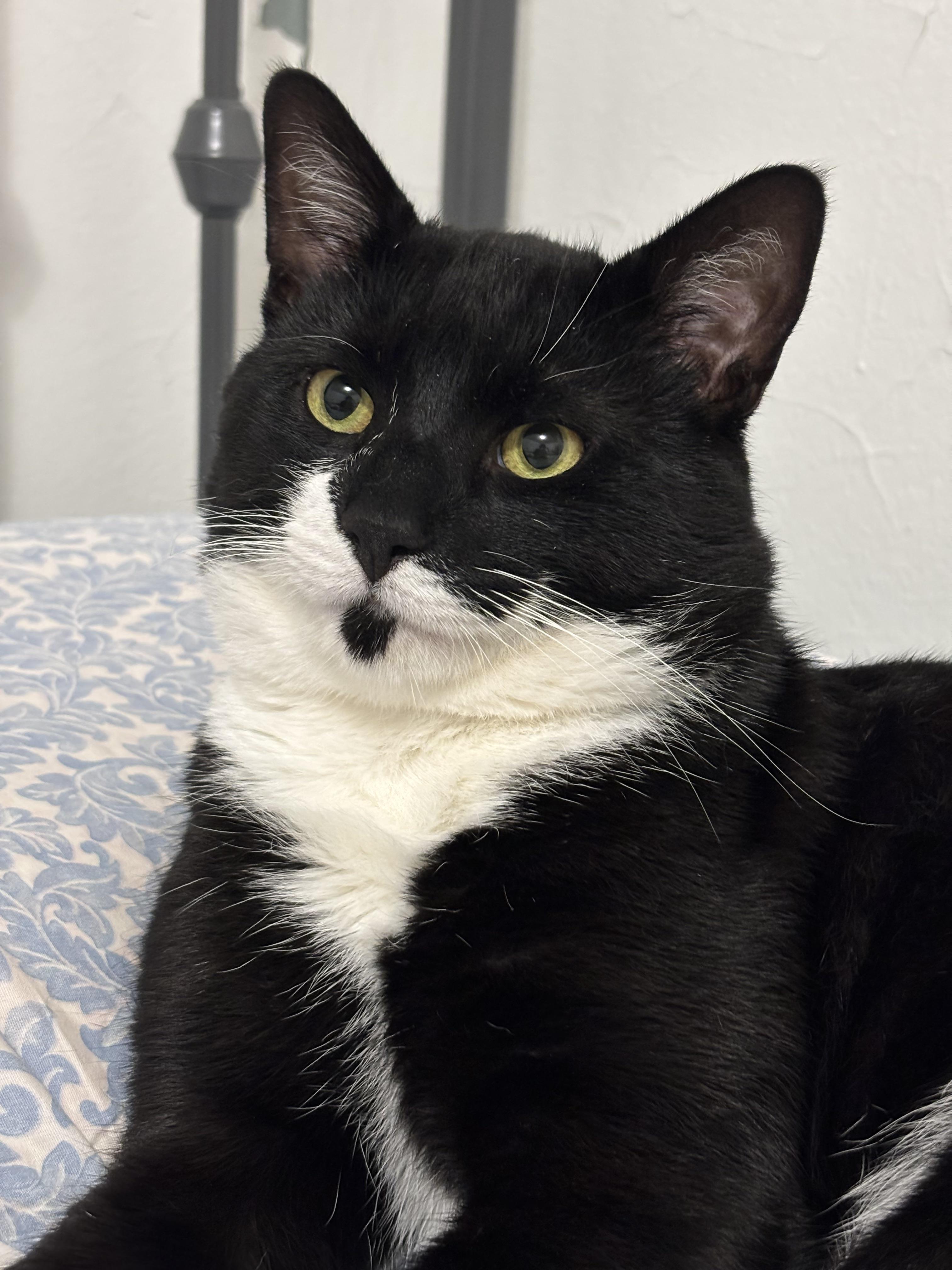
Tuxedo-patterned American Shorthairs are best known for their clean, two-tone coats. The typical specimen has a solid black body accented by a white chest, muzzle, paws, and tail tip, creating the illusion of formal evening wear. Beneath the coat lies a sturdy, well-balanced frame: muscular shoulders, strong legs, and a broad chest. The head is medium in size, topped with medium-set ears and rounded eyes that may shine green, gold, copper, or even blue in some individuals. The tail is usually long and thick, completing the cat’s well-proportioned silhouette.
Temperament and Personality
These cats are generally sociable, confident, and eager to take part in household life. Many owners describe them as playful yet easy-going, quick to investigate new toys or visitors but just as happy to curl up on a favorite chair. Their adaptable nature allows them to thrive in settings ranging from quiet studios to lively family houses, and they often form loyal attachments to every member of the household, including other pets.
Health and Care
Overall, the American Shorthair breed is considered hardy, with many individuals living well into their teens. Routine veterinary visits, balanced nutrition, and regular play sessions go a long way toward keeping them healthy. Although no cat is entirely free of genetic risk, reputable breeders screen for known hereditary conditions to improve the odds of producing robust kittens.
Grooming demands are modest: a weekly brush keeps the short, dense coat glossy and reduces loose hair around the home. Standard care such as nail trimming, tooth brushing, and periodic ear checks will help a tuxedo-patterned cat look and feel its best.
Breeding and Popularity
The tuxedo look has helped boost the popularity of American Shorthairs, thanks to its classic elegance and photogenic charm. Ethical breeders focus on health, temperament, and genetic diversity rather than color alone, ensuring that each litter embodies the breed’s traditional strength and sweet nature. Media appearances—from advertisements to social media feeds—have further spotlighted these dapper cats, inspiring more households to open their doors to a tuxie companion.
Conclusion
Whether admired for its formal attire or cherished for its friendly disposition, the tuxedo American Shorthair continues to win new fans across the world. By committing to responsible ownership—regular vet care, proper nutrition, and plenty of affection—families can enjoy the company of these beautifully marked cats for many happy years to come.