Pitbulls and Dog-Fighting Breeding: A Broad Overview
Introduction
The phrase “fighting-bred Pitbulls” has become shorthand for dogs purposely produced for illegal contests. This overview traces how the practice arose, why it troubles animal-welfare advocates, and what competing views exist. By looking at history, ethics, and community impact, we can better understand the challenges involved.
Historical Context
In the 1800s, bull-baiting gave way to clandestine dog contests. Breeders sought compact, muscular dogs with high stamina, and the Pitbull type emerged as the favorite. Decades of selective reinforcement of gameness turned the dogs into reliable competitors, cementing a reputation for toughness that still shadows the breed today.
Ethical Considerations
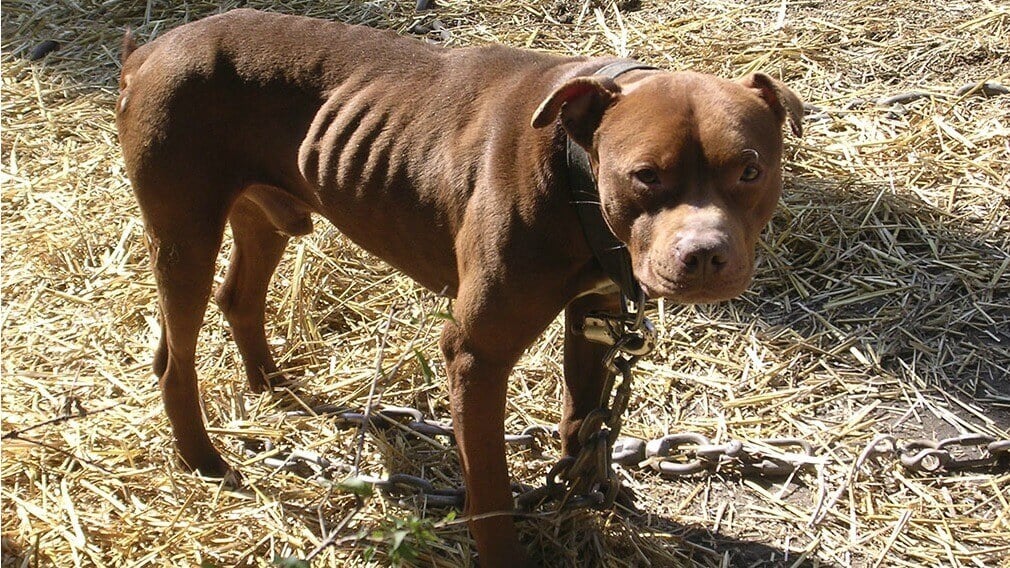
Breeding animals for combat raises clear welfare issues. Young dogs are often kept in isolation, conditioned through harsh drills, and discarded when they underperform. Such treatment can leave lasting physical scars and chronic anxiety. Critics argue that deliberately amplifying aggressive traits violates basic standards of humane care and endangers both the dogs and later adopters.
Research indicates that dogs subjected to fight training may display heightened reactivity, making rehabilitation resource-intensive. Welfare organizations therefore emphasize prevention: if demand for fight stock falls, fewer puppies will endure this cycle.
The Consequences of Fighting-Bred Lines
Beyond individual suffering, the trade sustains underground networks linked to other illegal activities. Neighborhoods where fights persist often report higher rates of animal neglect and associated crimes. Meanwhile, the public image of all Pitbull-type dogs suffers, leading to housing restrictions and lower adoption rates even for well-adjusted pets.
Perspectives on the Practice
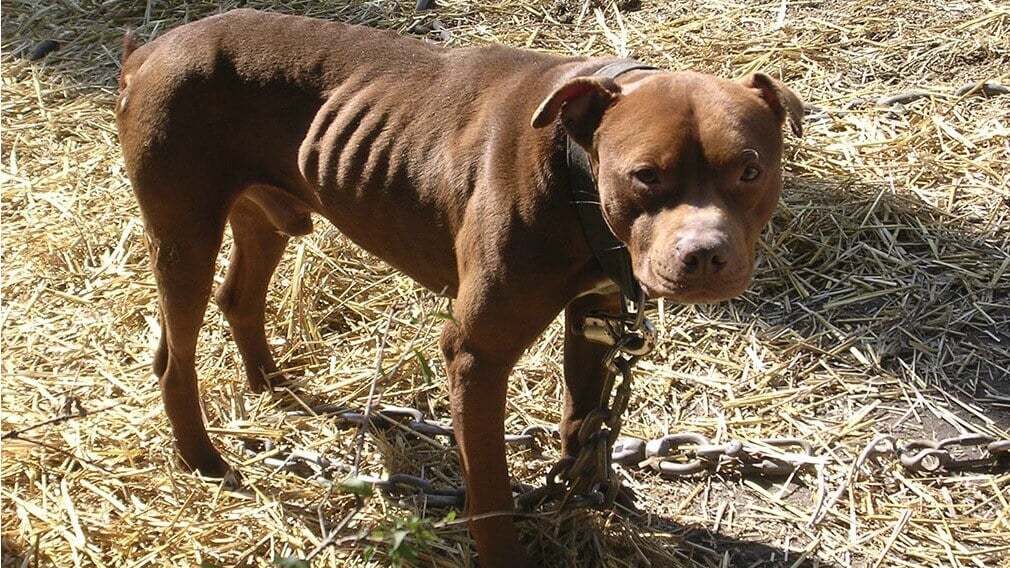
Some defenders claim the dogs are simply fulfilling an ancestral role, but modern behavioral science shows that aggression is strongly shaped by environment, not destiny. Others view fights as cultural tradition or personal entertainment; however, most societies now recognize that entertainment ceases to be acceptable the moment it depends on systemic cruelty.
Addressing the Issue
Combating the problem requires coordinated action. Strengthened anti-fighting legislation, consistent enforcement, and severe penalties for possession of fight paraphernalia reduce profitability. Public-education campaigns can dispel myths, encourage responsible ownership, and promote adoption of dogs rescued from raids. Finally, rehabilitation centers and community programs give former fight dogs a chance to become safe family companions, demonstrating that even animals bred for violence can learn trust when given patience and care.
Conclusion
The breeding of Pitbulls for fighting remains a pressing animal-welfare concern. By combining strict laws, informed public attitudes, and robust support for rehabilitation, communities can diminish the supply of fight dogs and the suffering tied to this shadow industry. A compassionate approach benefits not only the animals directly involved but also the neighborhoods working to build a safer, more humane environment for everyone.