Training Puppies 101: A Complete Guide to Nurturing a Polite Dog
Introduction
Guiding a young dog through its first lessons lays the groundwork for a joyful life together. As pups explore the world, they look to us for direction and boundaries that will shape their adult character. This overview offers practical steps for teaching everyday manners, building confidence around new experiences, and preventing common frustrations. With steady encouragement, any household can welcome a balanced, happy companion.
Understanding Puppy Development
Before lessons begin, it helps to know how a puppy’s mind unfolds. The early weeks are devoted to nourishment and safety, followed by a window when curiosity blossoms and later a phase when caution can spike. Recognizing these moments lets owners introduce new sights, sounds, and friends at the right pace, fostering calm curiosity instead of worry.
Basic Obedience Training
Simple cues form the alphabet of later learning. Short, upbeat sessions work best, always ending on success. Rewards can be soft treats, cheerful praise, or a favorite toy—whatever makes the pup’s tail wag.
Teaching the Sit Cue
Hold a tiny treat just above the pup’s nose, then lift it slowly. As the head tilts up, the rear naturally drops. The instant hips touch the floor, say “Sit,” deliver the treat, and share gentle praise. Repeat a few times daily, gradually adding the cue before the movement starts.
Teaching the Stay Cue
Ask for a sit, show an open palm, and say “Stay.” Step back half a step. If the pup holds still for a second, return and reward. Over days, increase distance and duration in tiny increments, always returning before the pup breaks position.
Socialization
Positive encounters during the first few months build resilience. Aim for one new experience each day, keeping outings brief and upbeat. Watch the pup’s body language; if ears pin or tail tucks, increase distance and pair the scene with treats until relaxation returns.
Meeting Different People
Invite friends of various ages and appearances to visit calmly. Offer them a few treats to drop on the floor, letting the pup choose when to approach. Avoid overwhelming crowds; quality beats quantity.
Meeting Other Animals
Start with well-mannered adult dogs known to be tolerant. Begin at a distance, parallel-walking on loose leashes, then gradually shorten the gap as both animals stay relaxed. Praise soft body language and interrupt any stiffening with a cheerful call away.
Exploring New Places
Stroll past playgrounds, cafés, or quiet shopping streets. Vary surfaces—grass, gravel, metal grates—at the pup’s pace. Carry tiny treats to mark brave moments, and leave early, ending while the experience still feels fun.
Problem-Solving
Most unwanted habits fade when pups receive clear alternatives and consistent feedback. Remain calm; excitement from us can fuel excitement in them.
Managing Mouthing
When teeth meet skin, let out a soft “Ouch,” withdraw attention for a few seconds, and offer a legal chew. Praise gentle mouth contact and redirect repeatedly. Soon the pup learns that toys bring play, while skin ends the game.
House-Training Tips
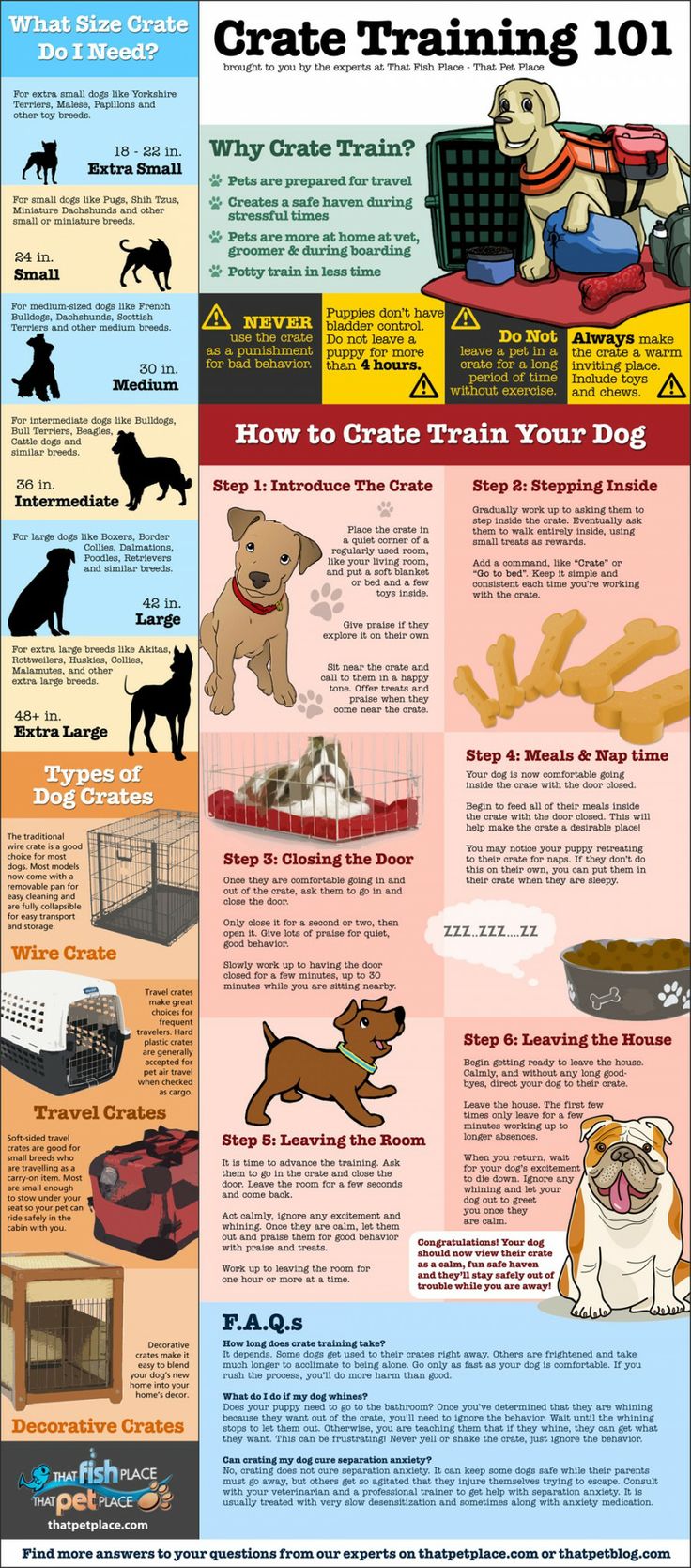
Take the pup outside on a predictable schedule—after meals, naps, and play. Choose one potty spot; the scent prompts future performance. When success happens, celebrate quietly and offer a treat before returning inside. Accidents indoors are met with neutral cleanup; scolding teaches only to hide future mistakes.
Conclusion
Raising a polite canine is less about perfection than about steady, good-natured practice. Celebrate small wins, adjust plans when progress stalls, and remember that trust built today shapes behavior for years to come. With patience and kindness, the playful pup at your feet will mature into a confident, cherished companion ready to share life’s adventures.