The Miniature Bull Terrier: A Friendly Guide
Introduction
The Miniature Bull Terrier is a compact, spirited companion that has won admirers across the globe. This overview looks at the breed’s background, appearance, daily needs, and the rewarding connection it forms with people. By learning what makes these dogs special, future owners can decide if this lively little dog fits their lifestyle.
History
In the 1800s, British breeders set out to scale down the standard Bull Terrier while keeping its trademark attitude. By carefully selecting smaller individuals and crossing with other balanced breeds, they produced a sturdy yet apartment-friendly version. The resulting dogs soon charmed families with their mischievous smiles and steady loyalty.
Characteristics
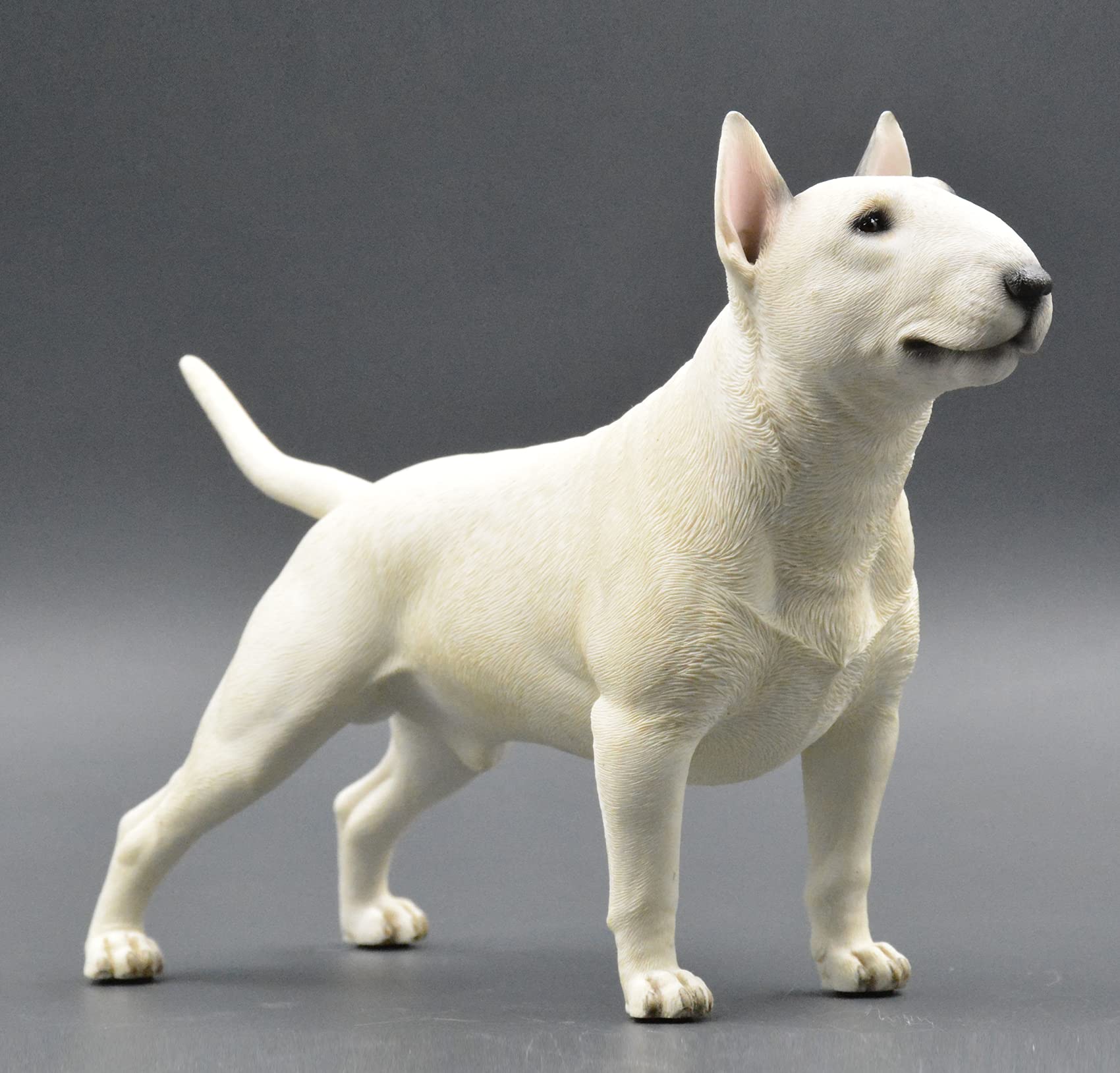
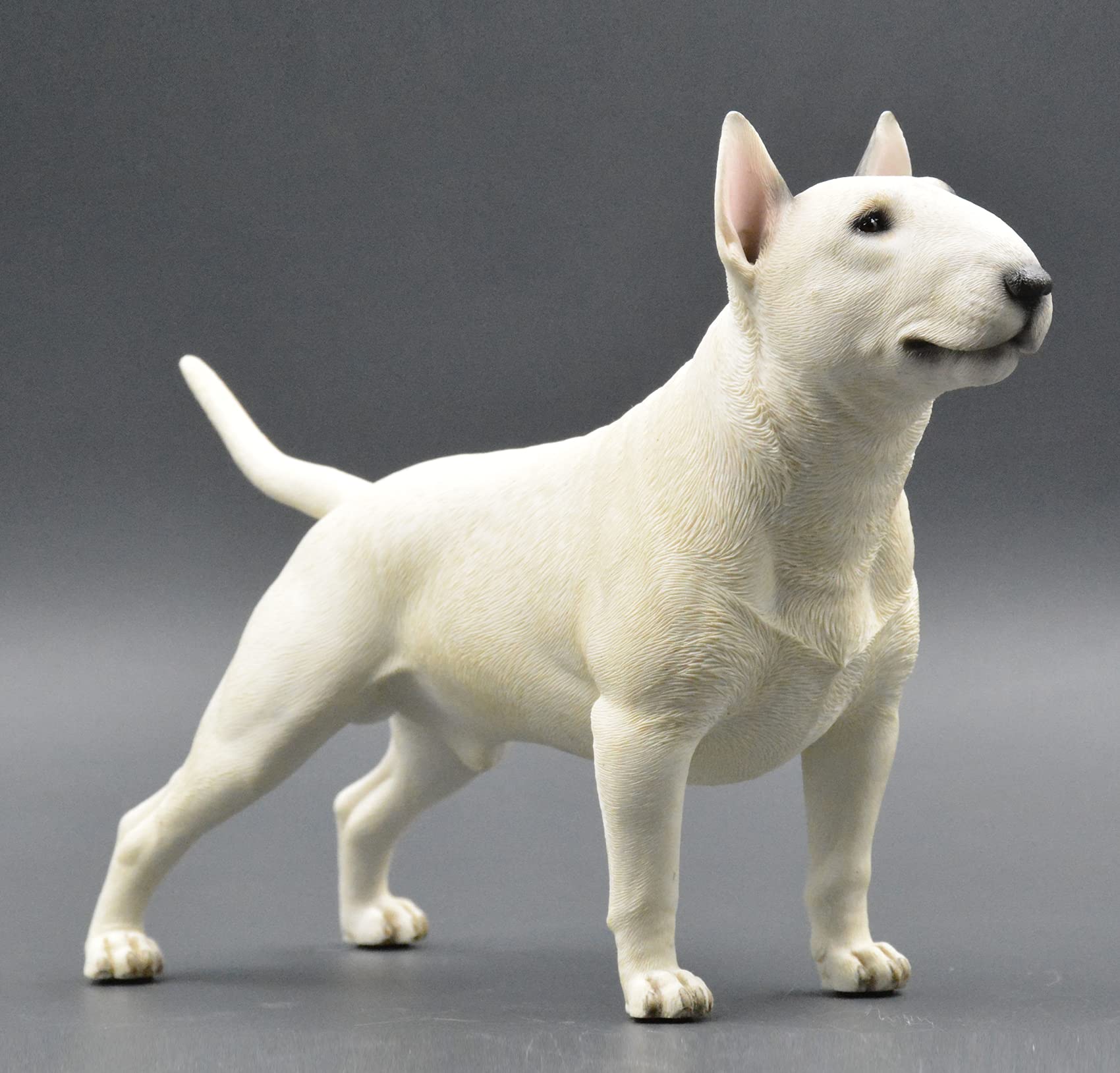
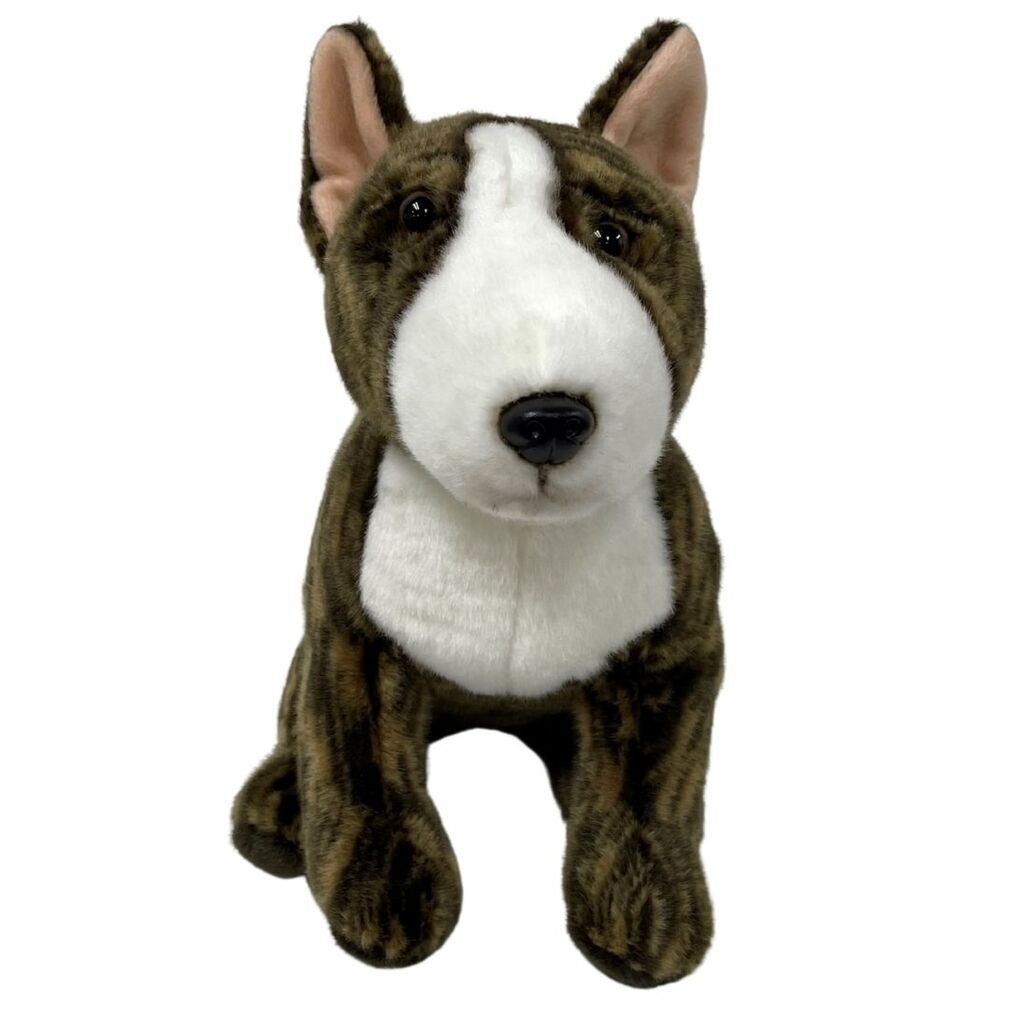
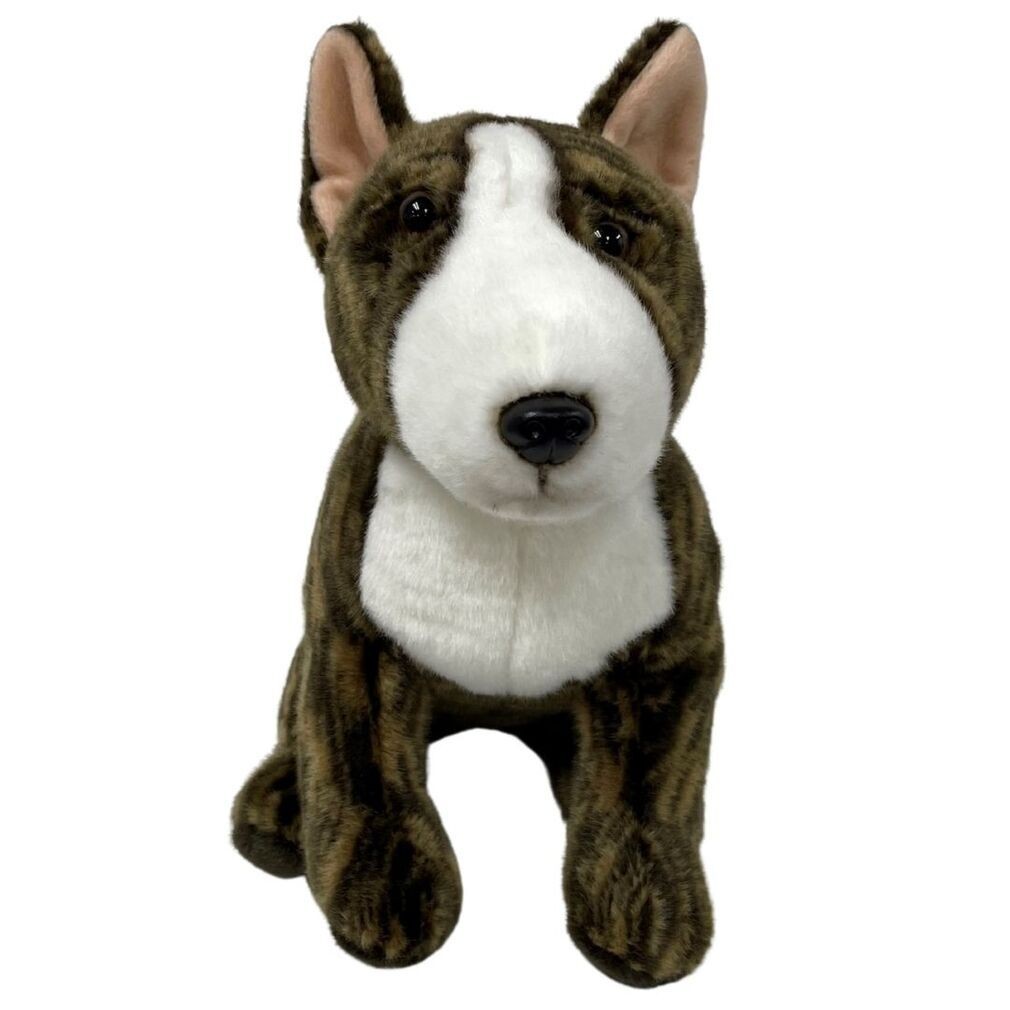
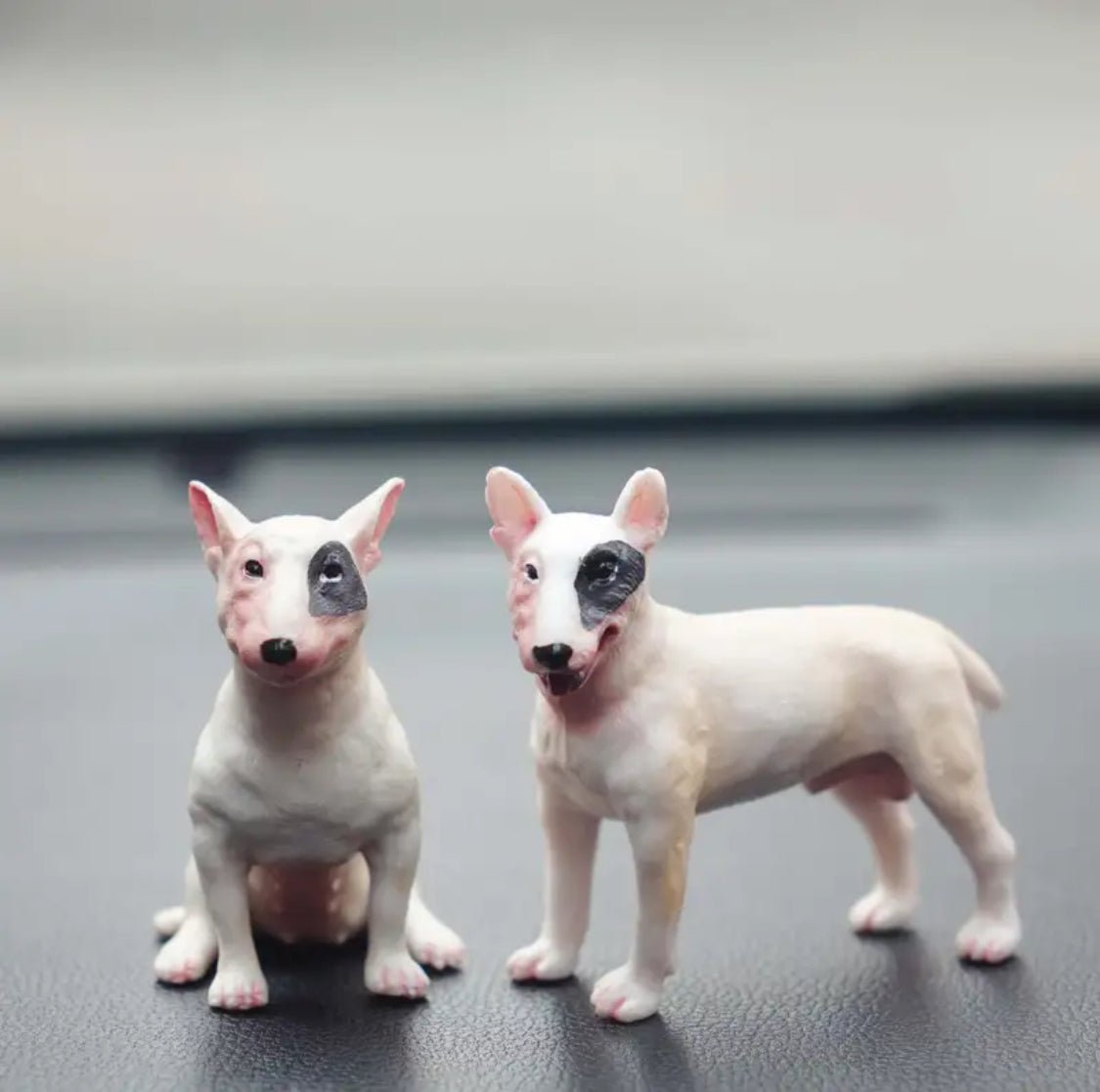
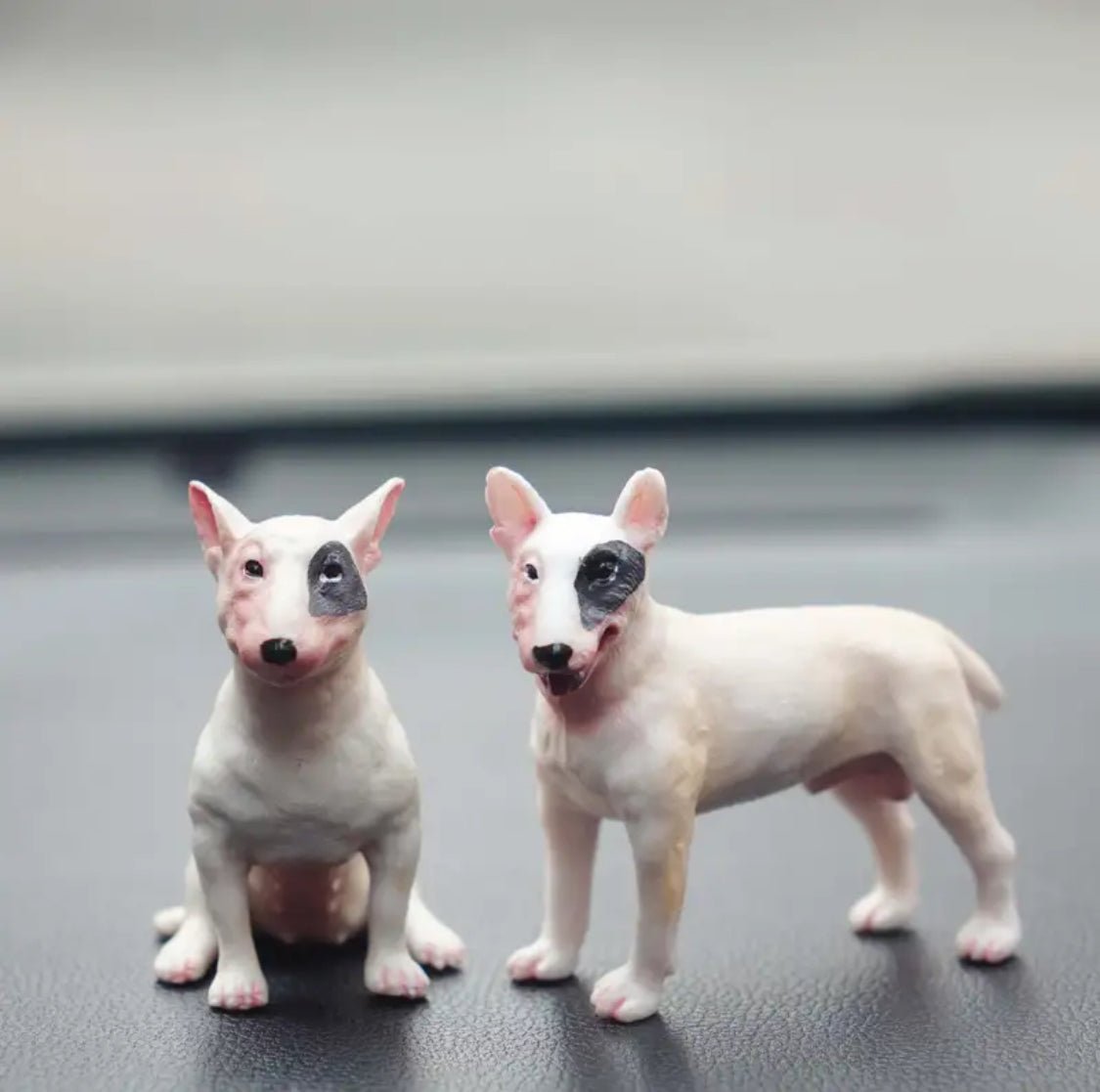
Miniature Bull Terriers are strongly built, with an egg-shaped head, perky ears, and a short, glossy coat. Their hallmark is a blend of courage and comedy—confident in new places, yet always ready for a game. They bond deeply with their people and prefer to be included in every activity.
Size and Weight
Adults usually stand 14–16 inches at the shoulder and weigh 20–35 pounds. Their convenient size makes them easy to travel with and suited to city life, provided they receive daily exercise.
Coat and Color
The coat is sleek, close-lying, and simple to maintain. Common shades are pure white, brindle, black, or tricolor combinations. A quick weekly brush keeps shedding under control and the coat looking polished.
Temperament
These dogs are playful, clever, and often described as clownish. They learn quickly when sessions are short and fun, but they can be independent, so patient, consistent guidance works best. Early socialization helps them grow into polite, confident companions.
Care Requirements
Routine exercise, quality food, and basic grooming keep a Miniature Bull Terrier healthy and happy. Below are the essentials:
Exercise
Two brisk walks plus 15 minutes of fetch or scent games each day prevent boredom. Puzzle toys and chew items also channel their energy constructively indoors.
Diet
Choose a reputable kibble or wet food formulated for small, active breeds. Measure meals to avoid excess weight, and limit rich treats to ten percent of daily calories.
Grooming
A rubber grooming mitt once a week removes loose hairs. Trim nails monthly, check ears for wax, and brush teeth several times a week to support overall health.
Health Concerns
Like any purebred, the Miniature Bull Terrier may inherit certain conditions. Responsible screening and regular vet visits reduce risks.
Joint Health
Keep your dog at a lean weight and provide moderate, low-impact exercise to protect developing joints. If stiffness appears, your veterinarian can suggest supplements or physiotherapy.
Skin Sensitivities
Some individuals react to environmental allergens or specific proteins. Frequent paw wiping, hypoallergenic shampoos, or an elimination diet can bring relief under veterinary guidance.
Bonding with Your Miniature Bull Terrier
Strong relationships grow through shared experiences, clear communication, and plenty of affection. Consider these simple steps:
Training and Socialization
Start puppy classes early, reward desired behaviors with treats or toys, and introduce new sights, sounds, and friendly dogs gradually. Positive exposure builds trust and good manners.
Quality Time
Include your dog in daily routines—couch cuddles, errands where pets are welcome, or backyard agility. Consistent companionship reduces anxiety and strengthens loyalty.
Love and Affection
Verbal praise, gentle petting, and consistent routines tell your dog they are safe and valued. A secure dog is more relaxed and eager to please.
Conclusion
The Miniature Bull Terrier offers big personality in a small package. With sensible exercise, balanced nutrition, and kind training, this breed becomes a devoted, entertaining member of the family. In return, owners gain a faithful friend who approaches life with endless curiosity and heartwarming charm.
Future Research
Areas that could benefit future owners and scientists include:
1. Expanded health databases to track and reduce hereditary conditions.
2. Studies on optimal exercise levels for joint longevity in compact breeds.
3. Comparisons of positive-reinforcement techniques for stubborn yet sensitive dogs.
4. Evaluation of the breed’s aptitude for visiting hospitals, schools, or senior centers as therapy companions.