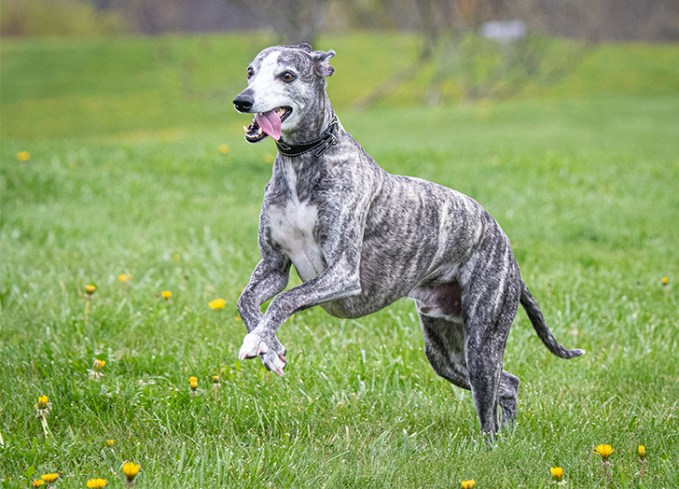
The Brindle-and-White Canine: An Overview
Introduction
Dogs that display a brindle pattern overlaid on a white base have long attracted admirers for their striking coats and steady temperaments. This article outlines what is known about their background, appearance, behavior, and the reasons they continue to interest scientists and families alike.
The Background of the Brindle-and-White Pattern
Historical Notes
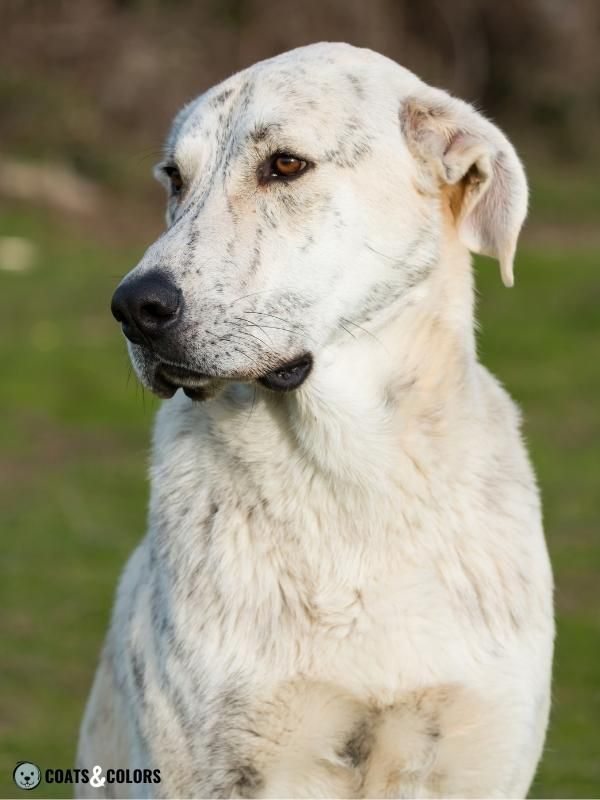
Striped or mottled coats have appeared in many parts of the world for centuries. Early writings from several continents mention dogs with tiger-striped markings, suggesting that people have valued the pattern for both utility and visual appeal long before modern registries existed.
Genetic Outline
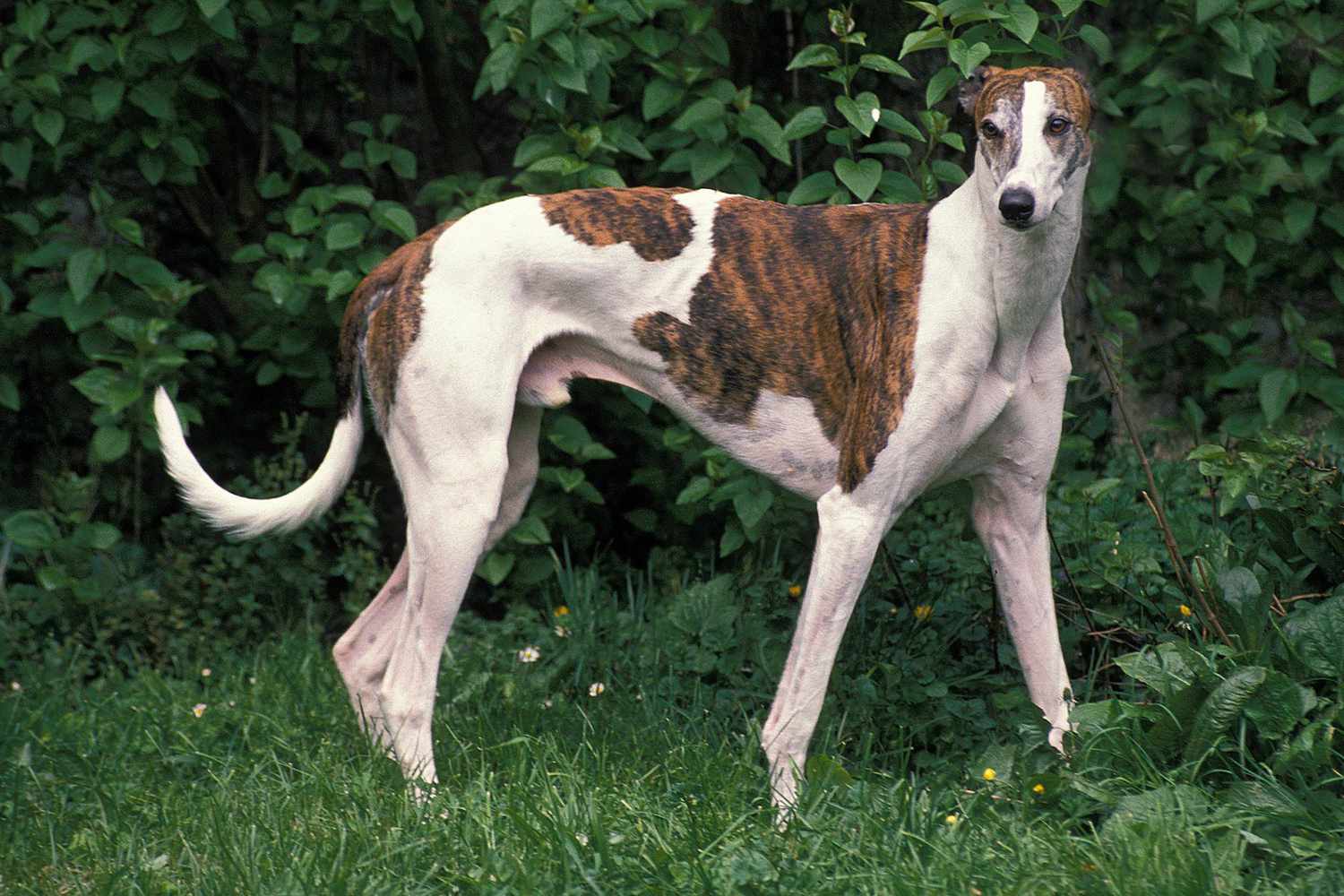
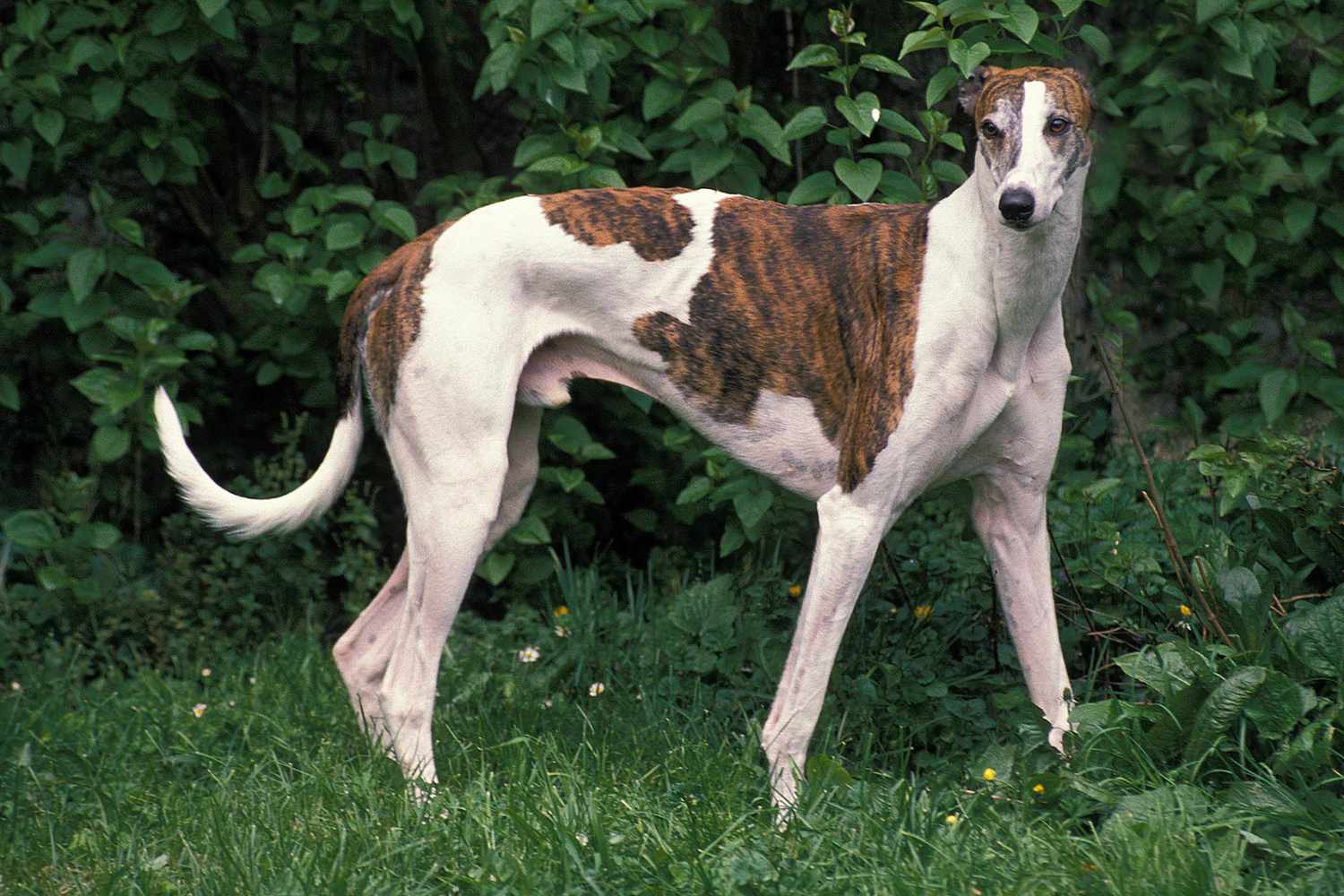
Brindle coloring is produced by a dominant allele that rearranges black pigment into dark stripes over a lighter background. A separate genetic factor restricts those stripes to the upper part of the body, leaving the chest, belly, and legs white. Together these two traits create the familiar two-tone look.
Typical Features
Physical Look
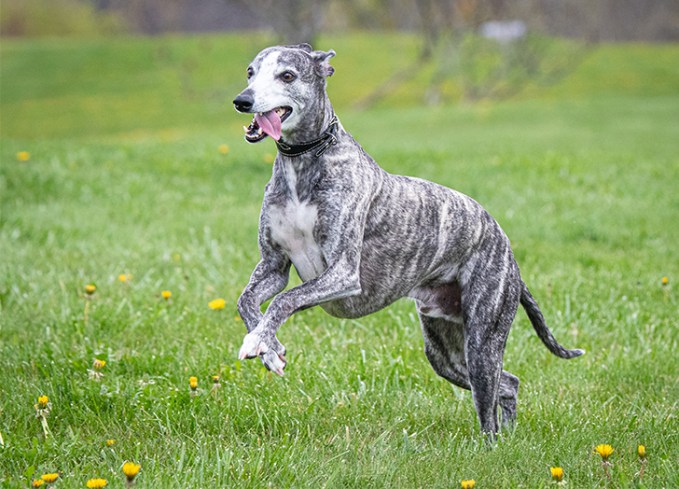
Size ranges from medium to large, with a balanced, athletic frame. The coat itself can show anything from delicate pencil stripes to broad swirls, always set against a crisp white underside. Dark eyes and an alert expression give the dog a friendly, intelligent face.
Personality
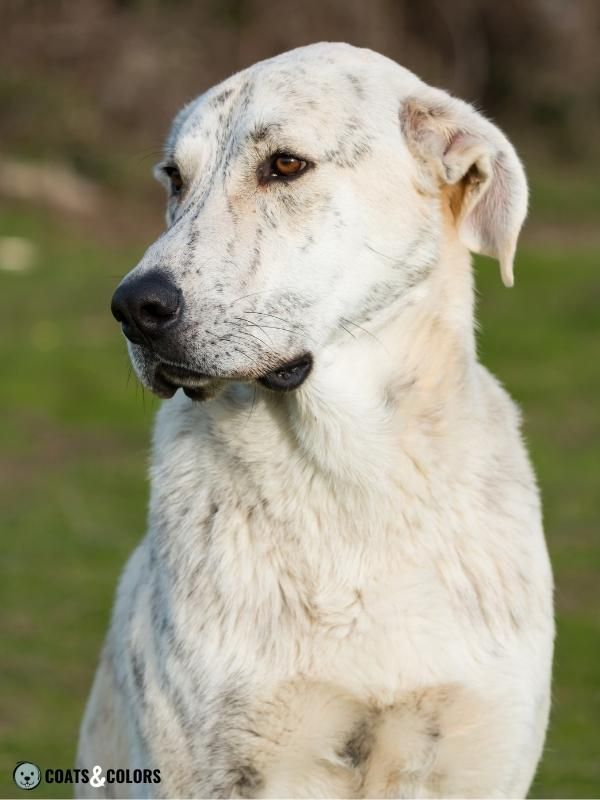
These dogs are generally sociable, quick to learn, and eager to join family activities. Their moderate energy level suits active households, while their natural watchfulness makes them reliable, though not aggressive, guardians.
Why the Pattern Matters
Cultural Notes
Across different regions, brindle dogs have been depicted in folklore as loyal companions and capable workers. The contrast of dark stripes on white continues to be a favorite among artists and storytellers.
Conservation and Breeding
Because the pattern relies on specific gene combinations, maintaining healthy genetic diversity is important. Breed clubs and veterinarians encourage thoughtful mate selection to keep the coloration vibrant without sacrificing overall health.
Current Studies
Genetic Work
Recent projects have mapped the interacting genes that produce brindle and white spotting. This information helps breeders predict coat outcomes and screen for conditions sometimes linked to color genes.
Behavioral Research
Field observations show that early socialization and consistent training bring out the best in these dogs. They adapt well to both rural and urban settings provided they receive daily exercise and mental stimulation.
Conclusion
The brindle-and-white canine offers a living example of how a simple genetic twist can create lasting visual charm and a dependable companion. Continued study supports both the welfare of individual dogs and the broader understanding of canine diversity.
Recommendations and Next Steps
To safeguard the variety’s future, it helps to:
1. Support ongoing genetic surveys that track diversity and highlight any emerging health trends.
2. Follow breeding guidelines that balance appearance with sound temperament and physical fitness.
3. Share accurate information with prospective owners so that puppies enter suitable homes.
Future work could explore:
1. How nutrition and climate influence the richness of the brindle pattern.
2. The historical working roles that first favored striped coats.
3. New outreach programs that connect responsible breeders with conservation scientists.
In short, the brindle-and-white dog is more than a pretty coat; it is a reminder of the intricate link between genetics, environment, and the human-canine partnership. Preserving this partnership benefits both the dogs themselves and everyone who values the variety within the species.