The Impact of Enrichment Toys on Shelter Animal Welfare and Human-Animal Bonds
Introduction
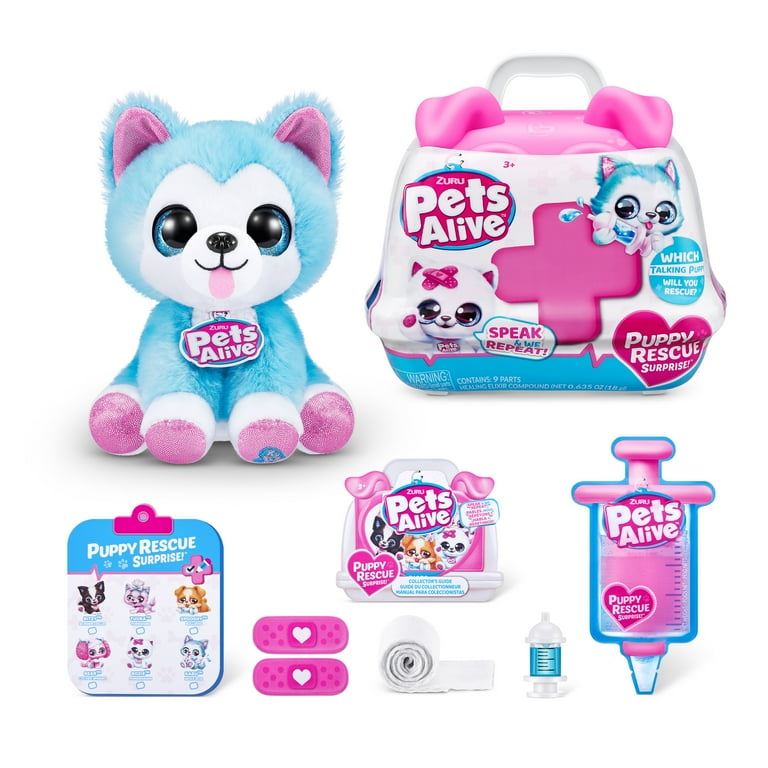
Enrichment toys for shelter animals have moved into the spotlight as communities place greater value on animal well-being. These simple items—ranging from treat puzzles to soft plush—offer diversion, comfort, and a hint of home life amid the kennel environment. This article examines how such toys influence both welfare metrics and the way people relate to animals awaiting adoption.
The Importance of Animal Welfare
Animal welfare centers on meeting physical, mental, and social needs. In shelters, noise, confinement, and unpredictable routines can heighten stress. Thoughtfully chosen toys act as low-cost tools that ease these pressures and support healthier, more balanced animals.
The Role of Toys in Animal Welfare
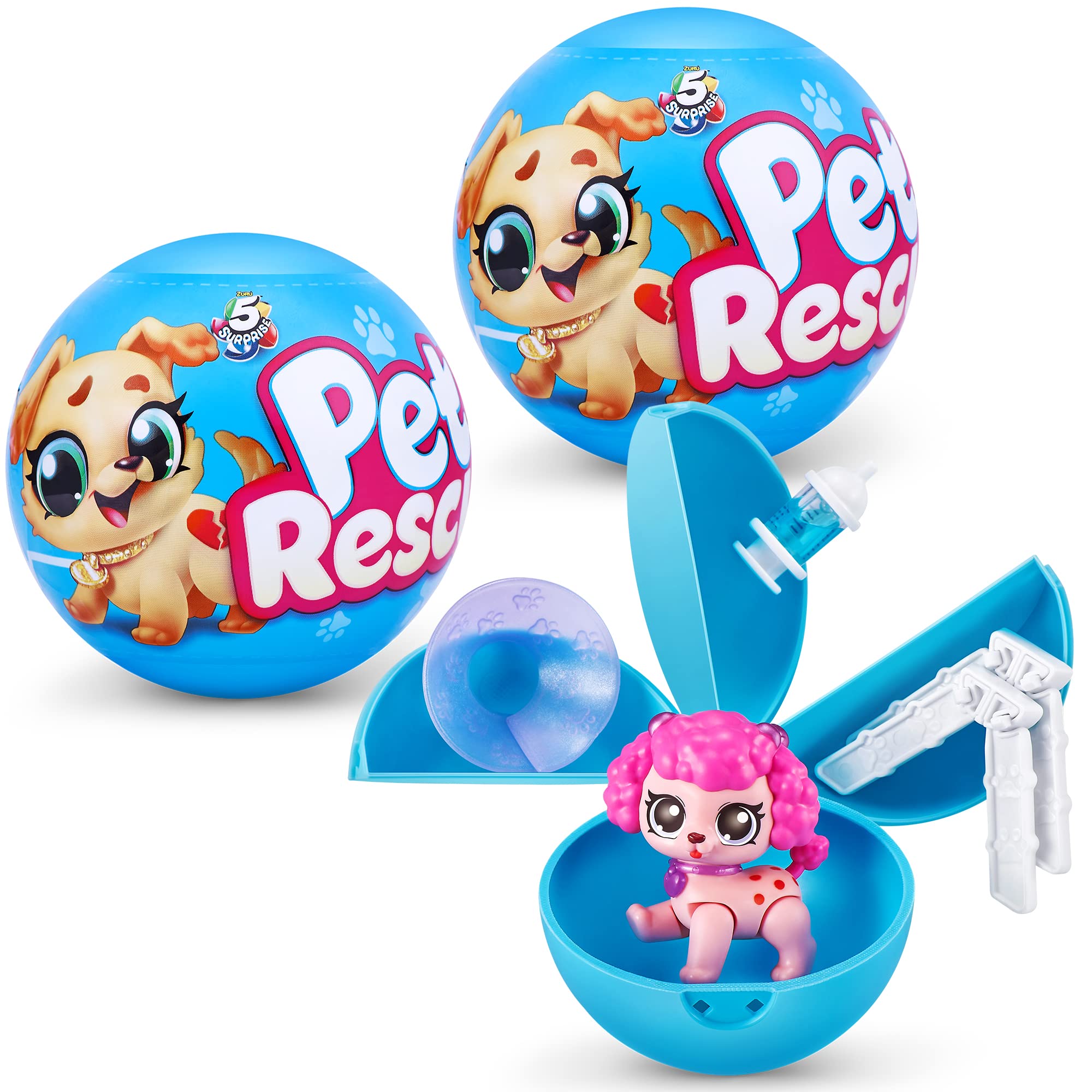
Toys deliver mental exercise, lower cortisol levels, and invite natural movements like pouncing, chewing, or batting. Within shelters, they convert idle hours into problem-solving sessions or gentle play, helping animals maintain muscle tone and emotional equilibrium.
The Benefits of Enrichment Toys
Well-designed enrichment items address challenges common to temporary housing:
1. Mental Stimulation
Puzzle feeders or scent games keep brains busy, reducing repetitive behaviors such as pacing or excessive licking.
2. Stress Reduction
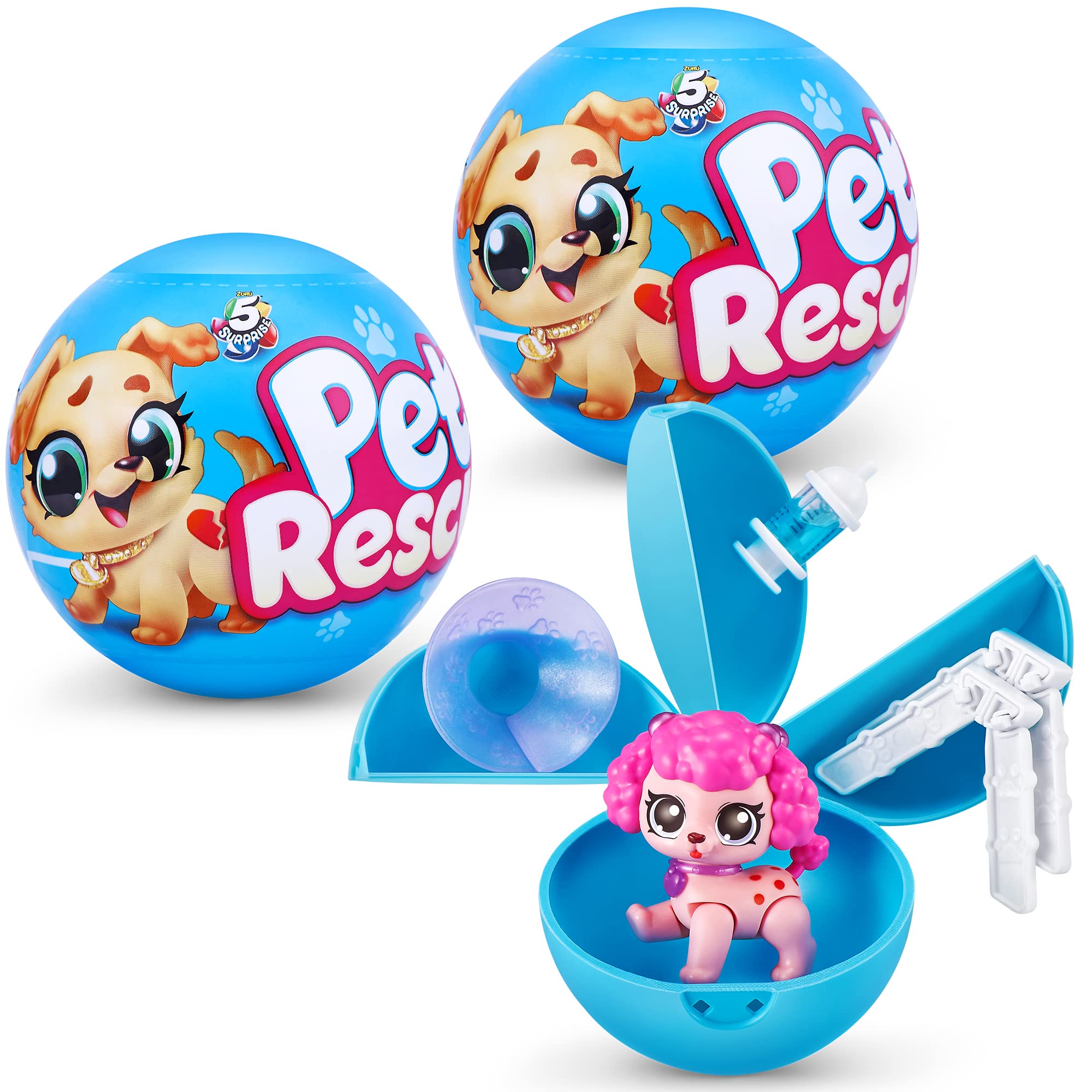
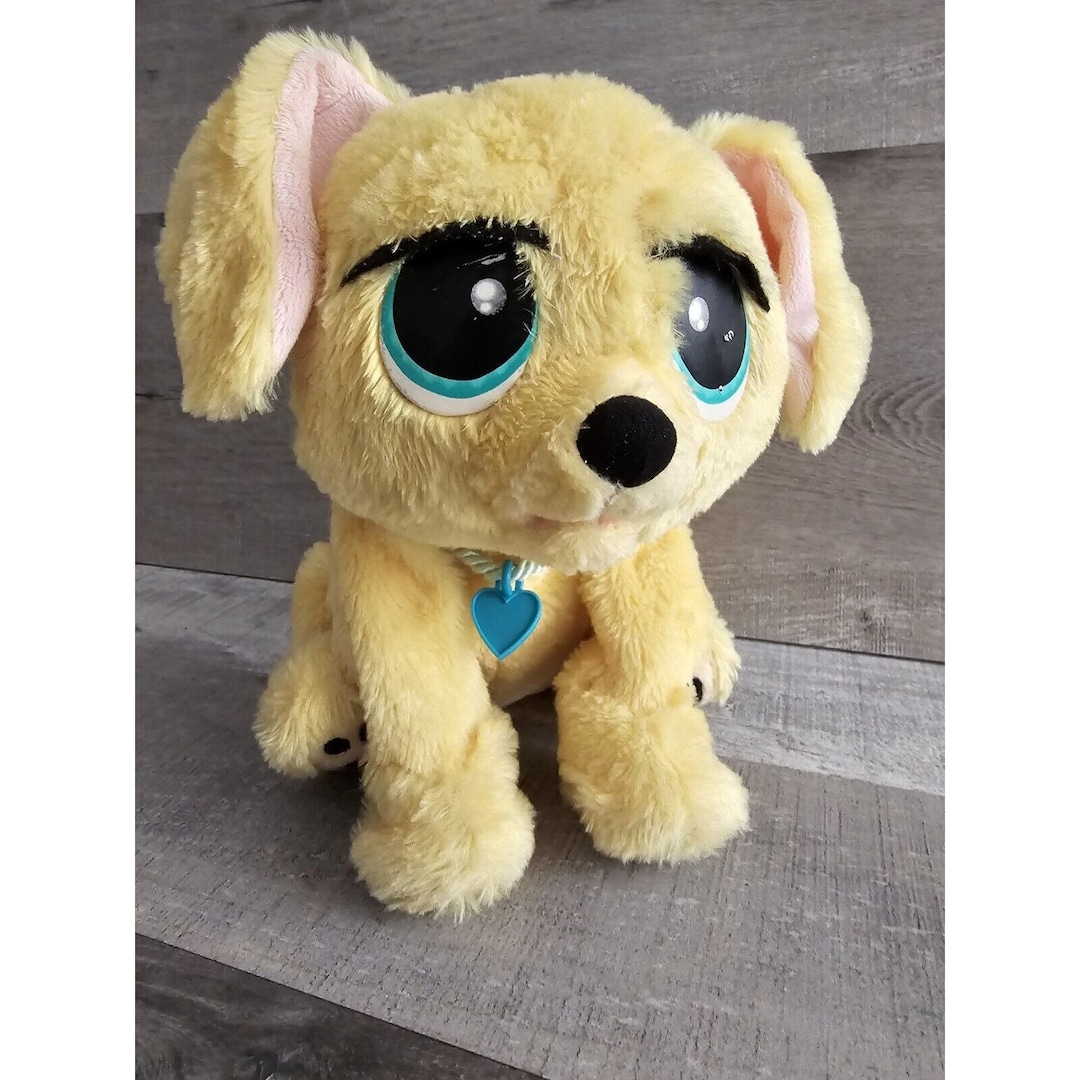
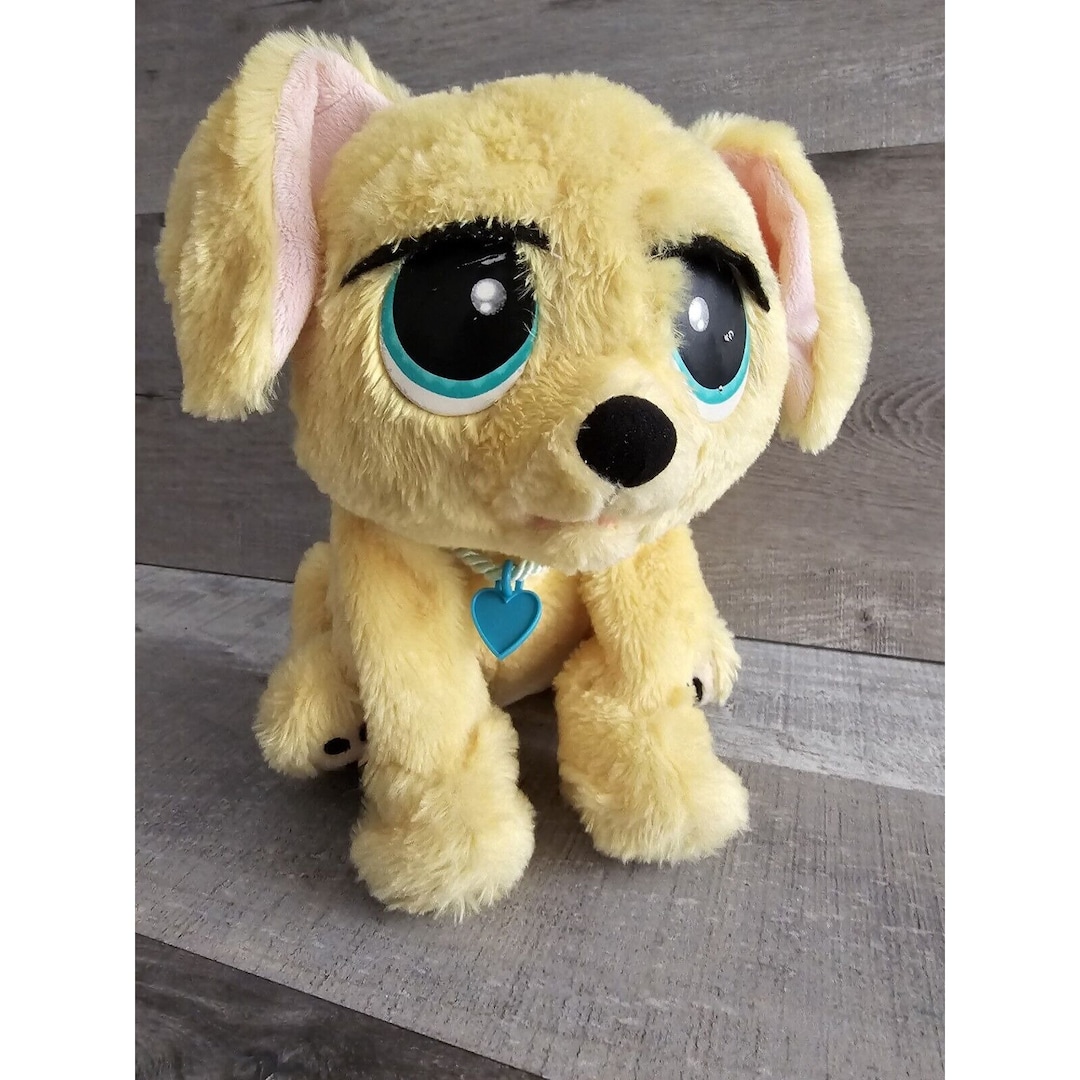
Soft toys that can be cuddled or carried provide security, while durable chew items release endorphins that naturally calm anxious dogs or rabbits.
3. Physical Activity
Balls, tug ropes, and feather wands encourage movement in tight spaces, preventing weight gain and joint stiffness during lengthy stays.
4. Socialization
Shared play sessions with volunteers teach animals to read human cues, accelerating trust-building and improving adoption prospects.
Human-Animal Interaction
Beyond animal benefits, enrichment tools reshape the way visitors and caregivers connect with residents:
1. Empathy and Compassion
Watching a shy cat slowly approach a wand toy or a timid dog solve a treat puzzle invites onlookers to recognize individual personalities, fostering empathy.
2. Bonding
Joint play creates positive memories for both species; a dog who offers a toy to a passer-by is more likely to receive a second glance—and possibly a new home.
3. Education
Toys become conversation starters, allowing staff to explain enrichment principles and inspire adopters to continue play routines after leaving the shelter.
Case Studies and Research
Shelters that have implemented rotating toy programs report quieter wards, lower kennel stress scores, and faster adoption rates. Academic reviews confirm that animals provided with daily enrichment show fewer stereotypic behaviors and greet strangers with relaxed body language.
Conclusion
Enrichment toys are not mere accessories; they are essential instruments that safeguard mental health, encourage natural behavior, and bridge the gap between homeless pets and the humans who can offer them a permanent home. Expanding their use is one of the simplest ways to elevate shelter standards nationwide.
Recommendations and Future Research
To maximize impact, stakeholders should:
1. Train staff and volunteers to introduce, rotate, and sanitize toys safely.
2. Partner with local businesses or schools to host toy drives, ensuring a steady supply of varied items.
3. Track behavioral changes through simple logs, building evidence that guides future enrichment designs and funding decisions.
Continued collaboration between caregivers, researchers, and the public will keep more tails wagging, purrs rumbling, and hearts opening—one toy at a time.