The Impact of a Pet Cat on Human Well-being
Introduction
Sharing a home with a cat has intrigued people for generations. Their quiet independence and endearing habits make them one of the most beloved companions worldwide. This article explores how living with a cat can influence emotional balance, mental outlook, and even physical health, drawing on a range of findings to explain why so many households welcome a feline friend.
Emotional Benefits of Owning a Pet Cat
Emotional Comfort and Stress Reduction
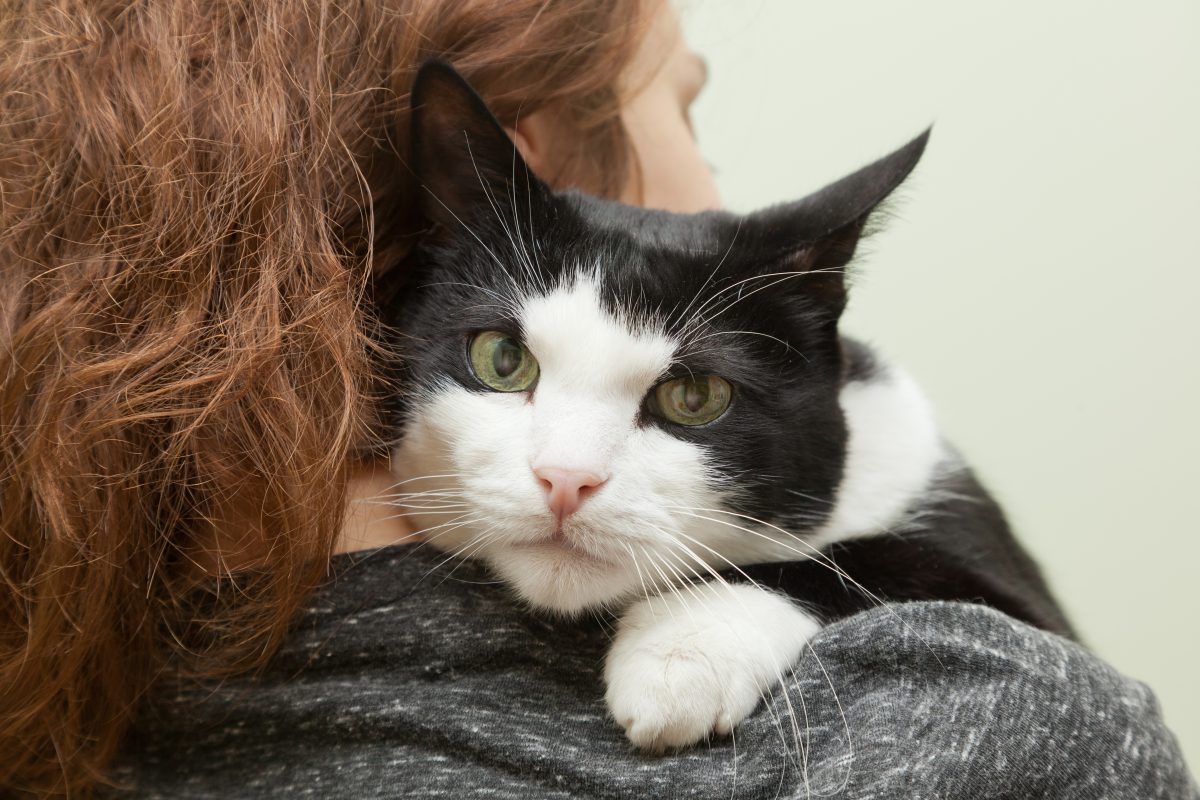
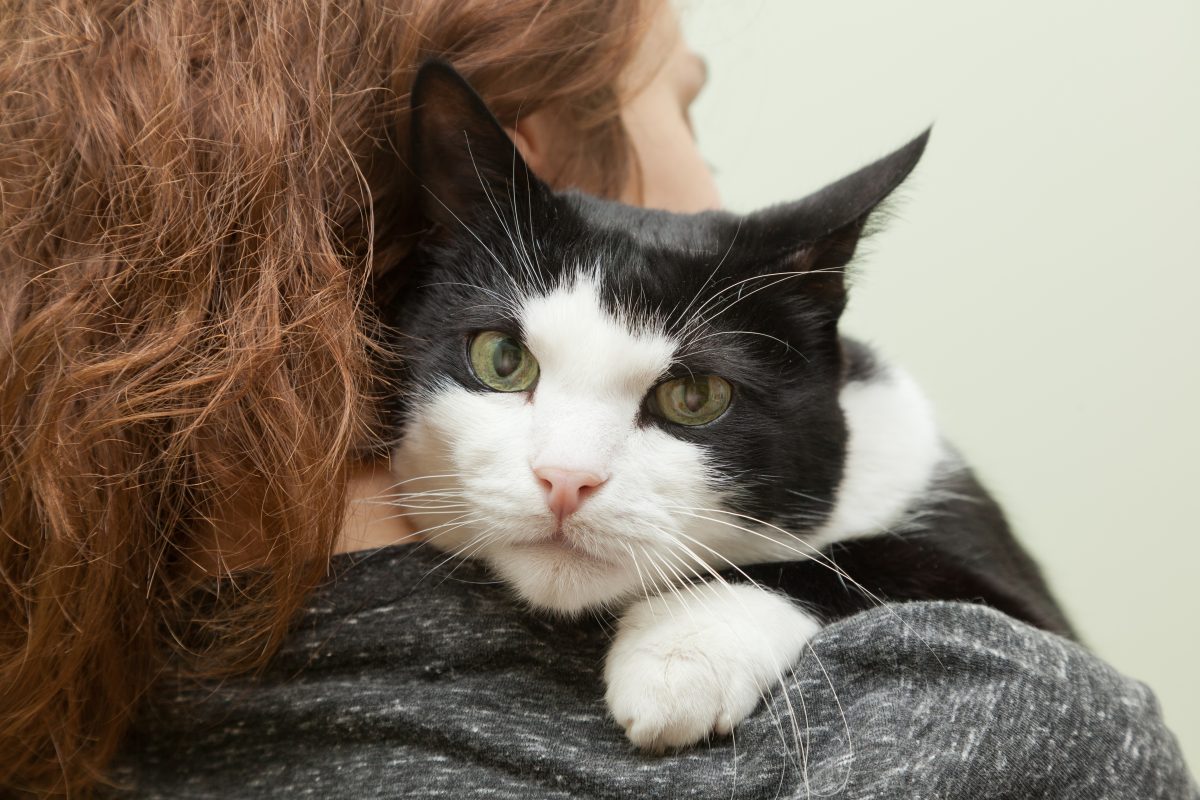
One of the clearest rewards of feline company is the sense of calm it brings. Cats often appear attuned to human moods, settling beside someone who feels low or restless. Observational work indicates that people who stroke or talk to their cats report feeling noticeably less tense, suggesting the animal acts as a gentle, ever-available source of comfort.

Enhanced Social Interaction
A cat can also open the door to richer social contact. Whether swapping stories at the park or posting photos online, owners frequently connect over shared anecdotes about their pets. These light, positive exchanges help counter loneliness and can strengthen an individual’s sense of community.
Psychological Benefits of Owning a Pet Cat
Reduced Risk of Depression
Regular interaction with a cat has been linked to steadier mood. The simple routines of feeding, grooming, and play create predictable moments in the day, offering structure and a feeling of being needed—both considered protective factors against low mood.
Improved Cognitive Function
Engaging a cat in games or teaching simple tricks gives owners a mental workout too. Planning play sessions, remembering feeding times, and observing subtle feline body language all keep the mind active, which may help maintain sharper thinking over the years.
Physical Benefits of Owning a Pet Cat
Increased Physical Activity
While cats are not dogs, they still invite movement. Wiggling a feather wand, tossing a toy mouse, or setting up a food puzzle encourages owners to stand, stretch, and move around the room. These brief bursts of activity add up, contributing to a less sedentary lifestyle.

Improved Sleep Quality
Many owners find that a cat’s steady purr or warm presence at the foot of the bed helps them drift off more easily. The relaxed atmosphere created by a contented pet can shorten the time it takes to fall asleep and reduce nighttime worrying.
Conclusion
From easing everyday stress to encouraging gentle exercise, cats offer a spectrum of subtle yet meaningful boosts to human well-being. Continued study will refine our understanding, but existing experience already shows that a thoughtful, caring relationship with a cat can enrich daily life in lasting ways.
Recommendations and Future Research
To make the most of life with a cat, consider the following:
1. Set aside dedicated play periods each day to keep both owner and pet mentally engaged.
2. Maintain routine veterinary visits and preventive care to ensure the cat remains healthy and content.
3. Support broader investigations into how feline companionship affects people across different ages and living situations.
Future work could explore:
1. The precise biological pathways—such as hormonal changes—through which cats influence human mood.
2. Cultural variations in cat ownership and the meanings people attach to their pets.
3. Design of simple, low-cost programs that help adopters build strong, mutually beneficial bonds with their cats from day one.