Title: The Impact of Cat and Dog Portraits on Human Emotions and Behavior
Introduction:
Images of cats and dogs have long symbolized companionship and loyalty. As the world’s most beloved pets, they shape our feelings and daily actions. This article explores how portraits of these animals influence our mood, thoughts, and social lives.
The Emotional Connection Between Humans and Cats and Dogs
People routinely report feeling calmer and happier when a cat or dog is nearby. Surveys carried out in several countries indicate that individuals who share their home with a pet often experience lower everyday stress than those who do not.
A simple picture of a curled-up cat or a tail-wagging dog can spark warmth and a sense of safety. Because these animals are widely seen as faithful protectors, even static images remind viewers of comfort and steady affection.
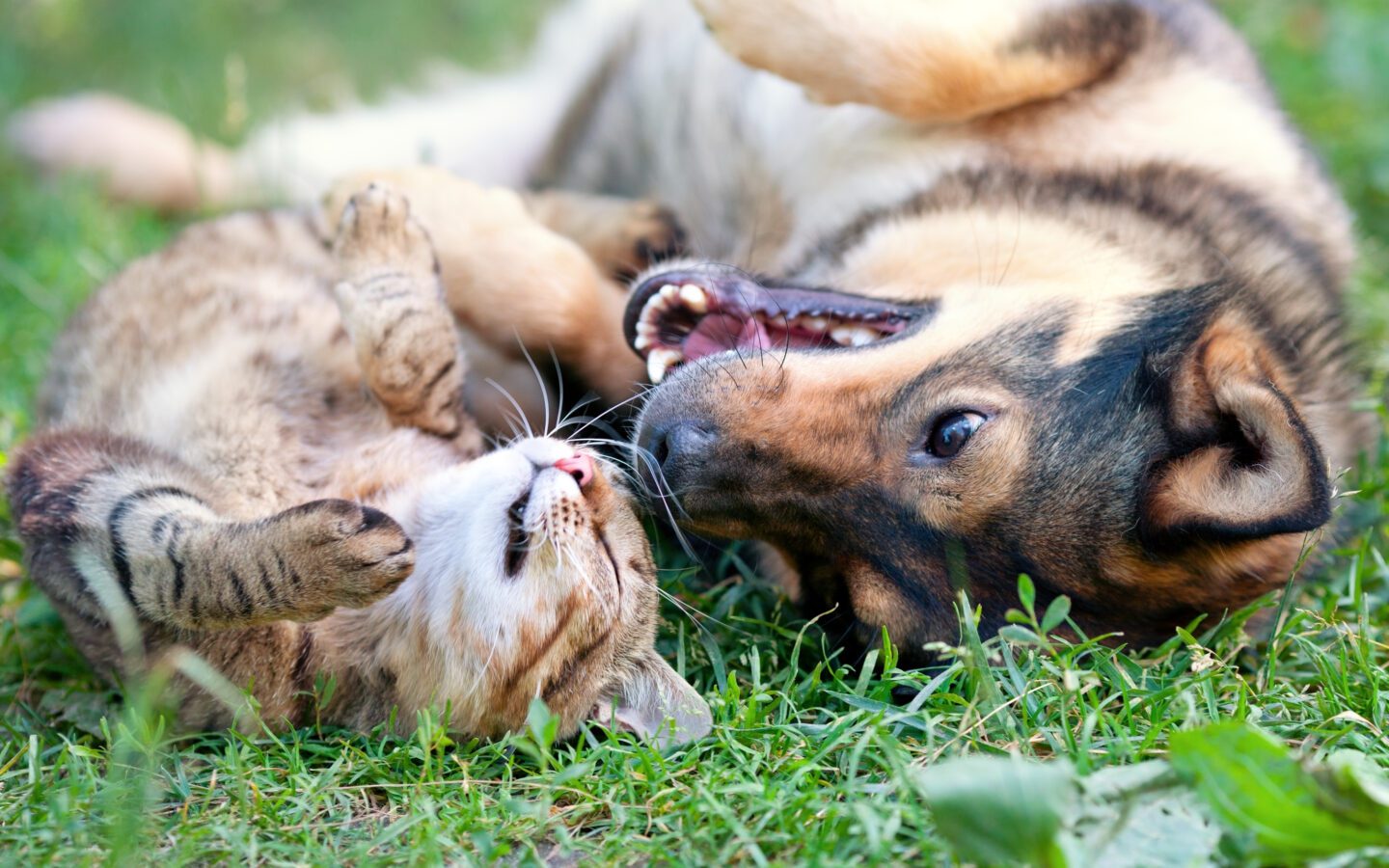
The Psychological Benefits of Cat and Dog Portraits
Hospital waiting rooms that display cheerful pet photos frequently receive feedback that the atmosphere feels less tense. Experts suggest that pleasant animal imagery can act as a gentle distraction, easing worry or minor physical discomfort.
Beyond mood, brief exposure to friendly pet pictures may sharpen attention. Small-scale classroom experiments show that students who glance at portraits of cats and dogs before a memory exercise sometimes achieve quicker recall than peers who view neutral images.
The Societal Impact of Cat and Dog Portraits
Advertisers regularly place puppies or kittens beside products to create instant emotional appeal. The shared affection for these animals helps brands communicate trustworthiness and build rapport with potential customers.
Online, a single humorous cat photo or heroic dog snapshot can unite thousands of strangers in comment threads. Such images provide common ground, encouraging conversation and a sense of belonging across cultures and age groups.
The Role of Cat and Dog Portraits in Art and Literature
From ancient murals to modern digital illustrations, artists have used feline and canine figures to convey serenity, playfulness, or devotion. A sleeping cat in the corner of a painting can soften an otherwise dramatic scene, while a loyal dog at a character’s side often signals unwavering friendship.
In stories, cats frequently embody mystery and independence, whereas dogs represent steadfastness. These recurring motifs help readers explore themes of trust, home, and the human need for connection.
Conclusion
Portraits of cats and dogs do far more than decorate walls or feeds. They calm nerves, improve focus, spark dialogue, and symbolize timeless values such as loyalty and love.
As more households welcome pets, the presence of these images in public and private spaces is likely to grow. Continued study into their calming and motivational effects could open new avenues for education, marketing, and everyday well-being.
Until then, anyone can enjoy the quiet pleasure of a cat’s serene gaze or a dog’s joyful grin in a photograph, remembering the simple, powerful bond between people and their four-legged companions.