Local Dog Rescue: A Lifeline for Homeless Dogs
Introduction
The plight of stray and abandoned dogs remains a global concern. Often called mixed-breeds, these animals roam the streets, facing hunger, illness, and danger. Rescue groups have become a vital safety net for them. This article explores why nearby dog-rescue services matter, how they change lives, and why community support is essential.
The Importance of Dog Rescue
Rescue organizations dedicate themselves to saving, rehabilitating, and rehoming abandoned dogs. Their work ensures every animal receives care, love, and a fresh start. Key reasons these services are indispensable include:

1. Saving Lives
Rescue teams pull dogs from perilous situations, shielding them from traffic, cruelty, and starvation. By offering shelter, they lower the number of animals who might otherwise be put down when facilities run out of space.
2. Providing Medical Care
Strays frequently arrive with injuries, parasites, or infections. Rescues fund vaccinations, sterilization, and ongoing treatment, restoring health and preventing disease spread within the wider community.
3. Promoting Adoption
Through outreach and matchmaking events, rescues connect dogs with adoptive families. Successful adoptions free up resources, allowing more animals to be helped and giving each dog a chance at a happy home.

The Role of Community Involvement
Neighborhood participation fuels every rescue mission. Individuals can make a tangible difference in several ways:
1. Volunteering
From dog-walking to kennel cleaning or event staffing, volunteers keep operations running smoothly and enrich the animals’ daily lives.
2. Donating
Financial gifts cover food, medicine, and facility upkeep. Even modest contributions collectively sustain life-saving programs and adoption drives.
3. Spreading Awareness
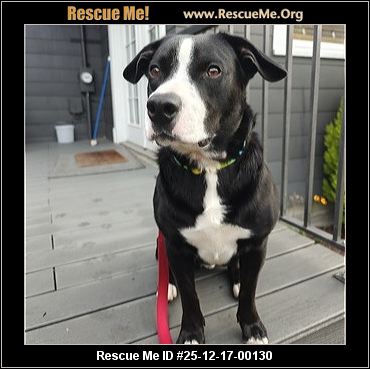
Sharing adoptable-dog profiles, discussing responsible ownership, and highlighting local rescue events inspire others to adopt, donate, or volunteer.
Challenges and Solutions
Despite progress, hurdles persist. Common issues and practical responses include:
1. Limited Resources
Tight budgets restrict medical care and space. Building alliances with civic groups, veterinarians, and businesses can unlock grants, in-kind donations, and foster networks.
2. Lack of Public Awareness
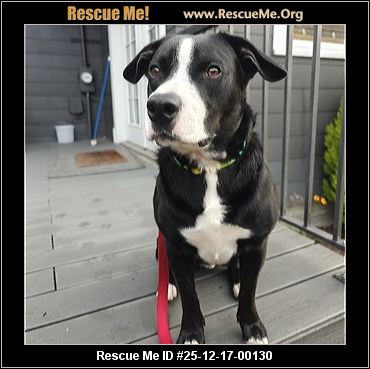
Many people remain unaware of the stray-dog crisis. School talks, library displays, and social-media campaigns can teach responsible pet guardianship and the benefits of adoption.
Conclusion
Nearby rescue services offer homeless dogs a second chance at life. Through rescue, medical care, and adoption, they ease shelter overcrowding and nurture healthier communities. When residents volunteer, donate, and advocate, the entire movement gains strength. Working side by side, we can build a future where every dog has a safe, loving home.
Recommendations and Future Research
To boost the impact of local rescues, consider these steps:
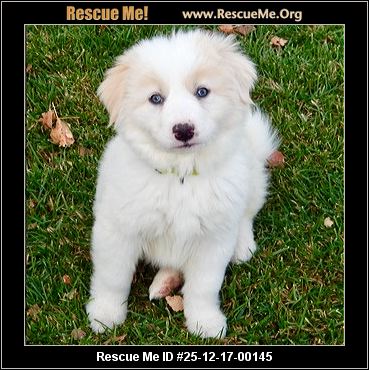
1. Expand public-education efforts on adoption and lifelong pet commitment.
2. Forge stronger ties among rescues, municipalities, and businesses to share funding and expertise.
3. Launch school and youth programs that emphasize compassion and responsible ownership.
Future studies could examine:
1. Long-term welfare of mixed-breed dogs after adoption.
2. Comparative success of various rehabilitation and training methods.
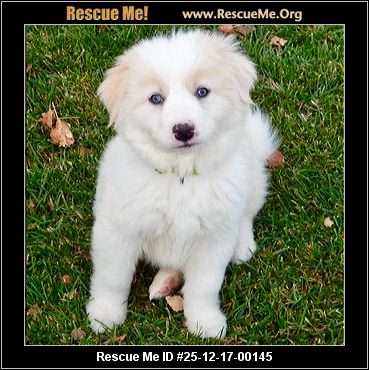
3. How neighborhood engagement influences rescue outcomes.
Pursuing these goals will keep improving life for abandoned dogs and foster a kinder world for all animals.