Find Your Breed: Unveiling the Science of Canine Identification
Introduction
The canine kingdom is wonderfully varied, offering breeds that differ in size, coat, energy, and personality. Choosing the companion that best matches your routine and expectations can feel overwhelming. This article explores how breed traits are shaped and how you can discover the dog that fits your life, blending science with practical observation.

The Science of Canine Identification
Genetic Factors
DNA carries the blueprint for every dog. Specific sequences influence everything from ear shape to exercise drive. Modern screening tools can scan these markers and highlight probable ancestry across hundreds of recognized breeds, giving owners a clearer picture of their pet’s heritage.

Physical Characteristics
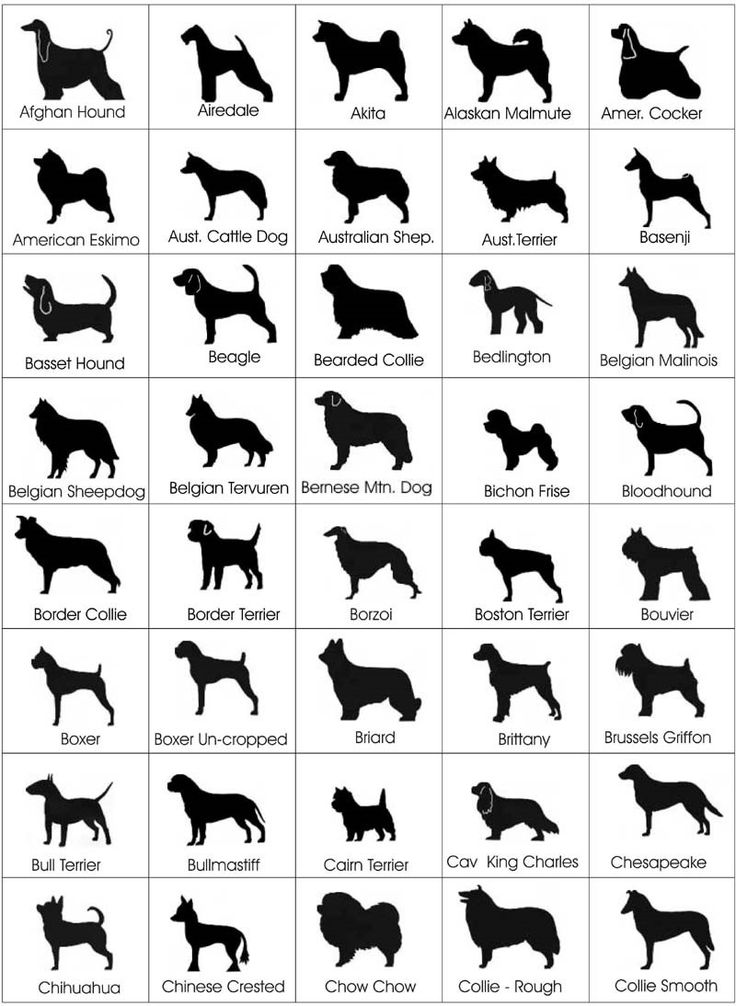
Height, weight, coat texture, and color patterns all offer clues. These features arise from inherited genes that control pigment, bone growth, and muscle layout. While nutrition and health can fine-tune the final look, the basic template usually points toward a particular breed group.
Behavioral Traits

Tendencies such as eagerness to retrieve, instinct to guard, or love of digging often run in breed families. Genes lay the foundation, yet daily experiences, training style, and social exposure shape the finished personality. Watching how a dog reacts to new people, sounds, and tasks can hint at its ancestral strengths.
Finding Your Breed
Research and Observation
Start by reading trusted guides, visiting local shows, and talking with experienced caretakers. Note which sizes, energy levels, and grooming needs line up with your schedule. Listing these priorities narrows the field before you ever meet a dog in person.
DNA Testing
A simple cheek-swab kit mailed to a certified lab can reveal the mix of breeds in a rescue pup or confirm the pedigree of a prospective puppy. Results typically include trait predictions that help tailor exercise, diet, and training plans.
Consultation with Experts
Veterinarians, trainers, and ethical breeders spend years interpreting canine form and behavior. A short conversation about your lifestyle and the dog you have in mind can prevent mismatches and steer you toward breeds celebrated for the qualities you value most.
Challenges and Limitations
Mixed-Breed Dogs
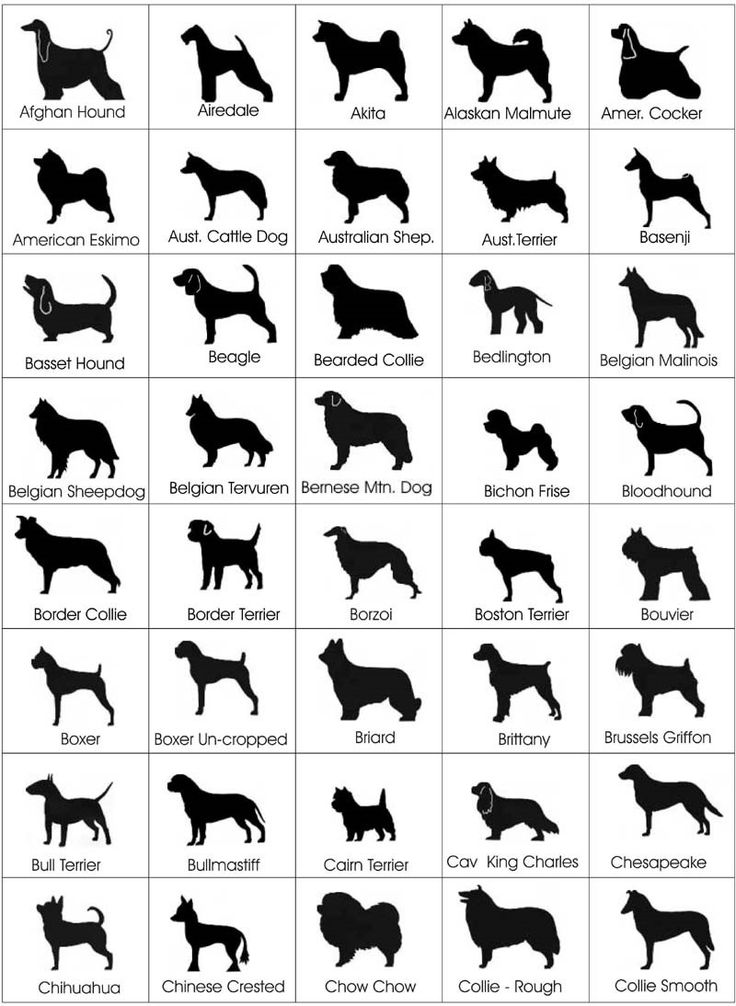
Blended ancestry can hide classic breed signatures. When several lineages combine, physical appearance and behavior become a unique cocktail. In these cases, focus on the individual dog’s needs rather than a label, and use DNA results as a fun insight rather than a final verdict.
Environmental Factors

Diet, exercise amount, and the type of training a dog receives can all alter muscle tone, coat condition, and even confidence levels. These changes may mask or mimic typical breed traits, so it is wise to assess the whole lifestyle before drawing conclusions.
Conclusion
Discovering the right breed is part science, part self-reflection. By combining genetic clues, careful observation, and expert guidance, you can welcome a dog whose innate traits harmonize with your own rhythm. The journey itself deepens appreciation for canine diversity and strengthens the bond that follows.

Recommendations and Future Research
To make breed selection even more reliable, consider these steps:
1. Support ongoing refinement of DNA panels to better capture complex mixes.

2. Seek out well-researched books, courses, and club events that detail breed histories and care requirements.
3. Encourage open dialogue among vets, trainers, and hobbyists so real-world experience can guide newcomers.
Future studies could explore:

1. How upbringing and environment interact with inherited tendencies.
2. The genetic underpinnings of subtle behaviors such as problem-solving style or noise sensitivity.
3. Novel tools—from imaging to behavior apps—that offer fresh ways to identify and celebrate each dog’s unique heritage.

By pursuing these directions, we can keep improving the match between dogs and the people who love them.