What Is a Pet: Exploring the Connection Between People and Animals
Introduction
The idea of a pet has shifted across generations, weaving animals into human routines in ways that are both ordinary and extraordinary. Is a pet simply a companion, a pastime, or something deeper? This article examines the layered meaning of “pet,” tracing its history, emotional influence, and the changing ties between people and animals.
Historical Perspective
The word “pet” likely grew from an old term suggesting affectionate touch. Early on, tamed creatures served mixed roles as helpers and friends. Long-ago societies in different regions kept cats, dogs, and birds close, yet the modern notion of a pet took clearer shape closer to the Middle Ages.
Ancient Companions
In early Nile communities, cats enjoyed special regard, and sharing a home with one signaled comfort and standing. Across the Mediterranean, dogs earned a place beside hearth and hunt, while songbirds added life to courtyards. These animals blended utility with affection, setting the stage for later bonds.
Medieval to Modern Shift
From castle keeps to city homes, creatures gradually became valued more for company than labor. As mills and machines changed daily life, people spent longer hours indoors, turning to animals for warmth, play, and a listening presence.
Defining a Pet
No single definition fits every culture, yet common threads appear:
Companionship
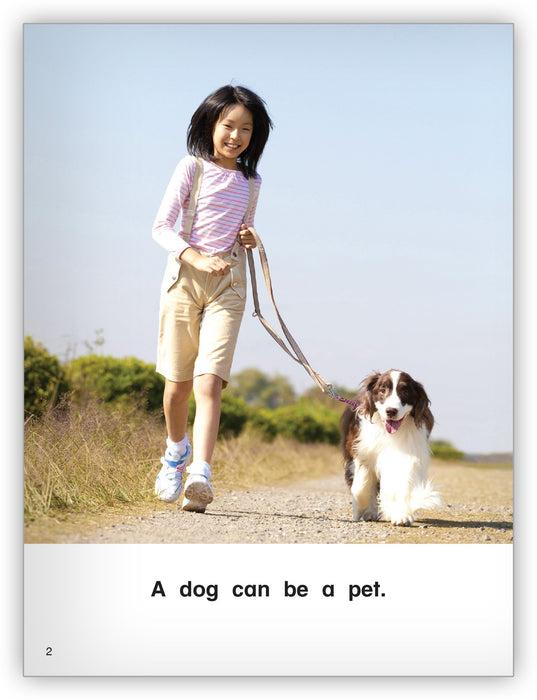
Many invite animals indoors first for fellowship. A steady gaze, a soft nuzzle, or a shared couch can ease worry and brighten mood, giving quiet comfort at the end of a tiring day.
Utility
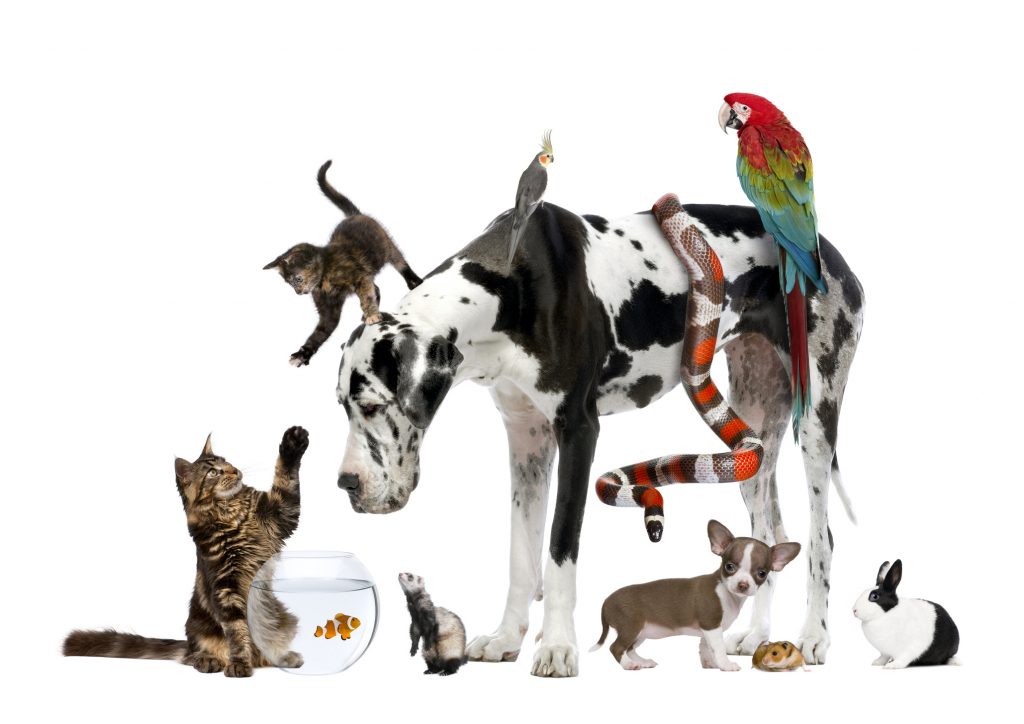
Some pets still earn their keep: dogs guide, horses steady, and even a rabbit in a classroom can teach gentle care. The task may vary, but the partnership remains.
Entertainment
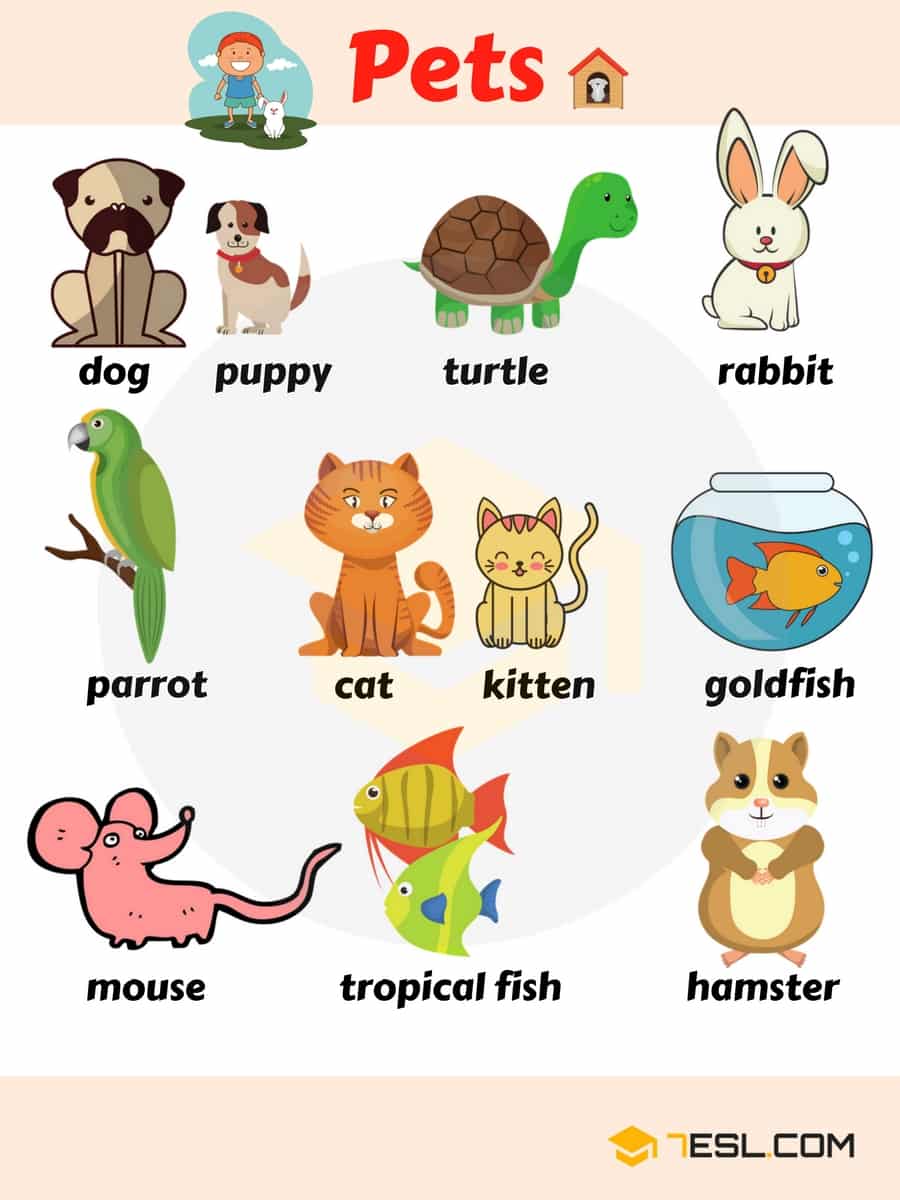
A kitten chasing shadows or a parrot greeting guests adds laughter to routine. Their spontaneous antics remind adults to play and children to wonder.
Responsibility
Food, water, shelter, and check-ups form a daily promise. Meeting these needs teaches planning, empathy, and the steady rhythm of caretaking.
Psychological Impact
Beyond bowls and beds, animals shape thoughts and feelings in subtle, powerful ways.
Stress Relief
Stroking fur or listening to a cat’s purr can slow breathing and loosen tight shoulders, offering a simple, wordless calm.
Emotional Support
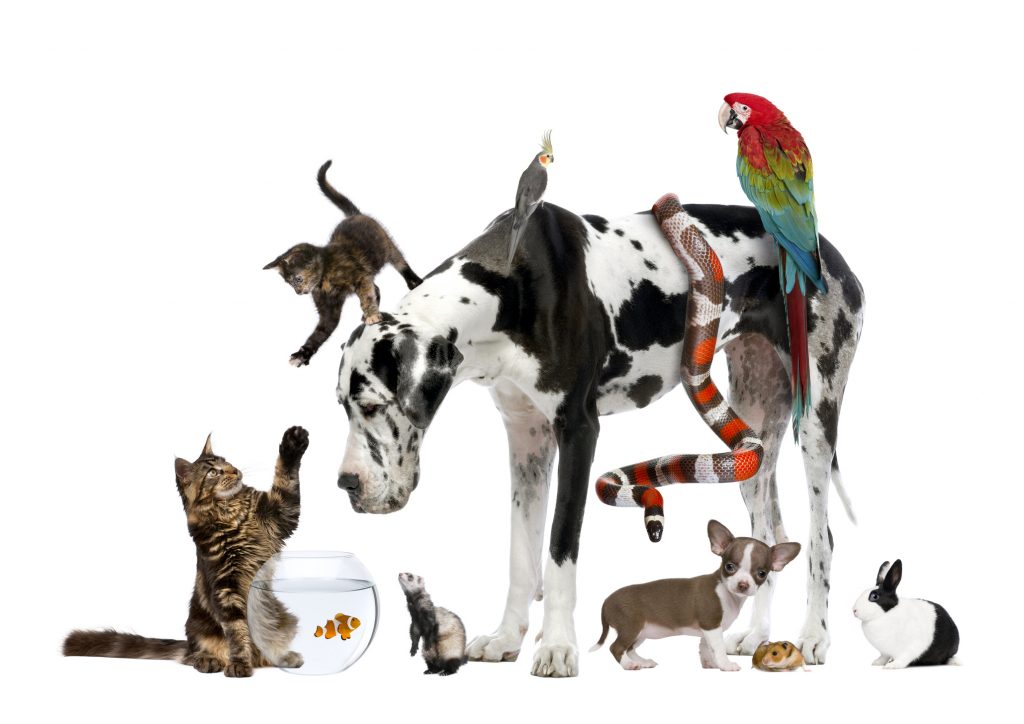
During seasons of change or loss, a loyal presence can anchor swirling emotions. Pets listen without judgment and stay when others step away.
Social Bridge
A leashed walk or a shared photo online often sparks conversation between strangers, turning sidewalks and forums into friendlier spaces.
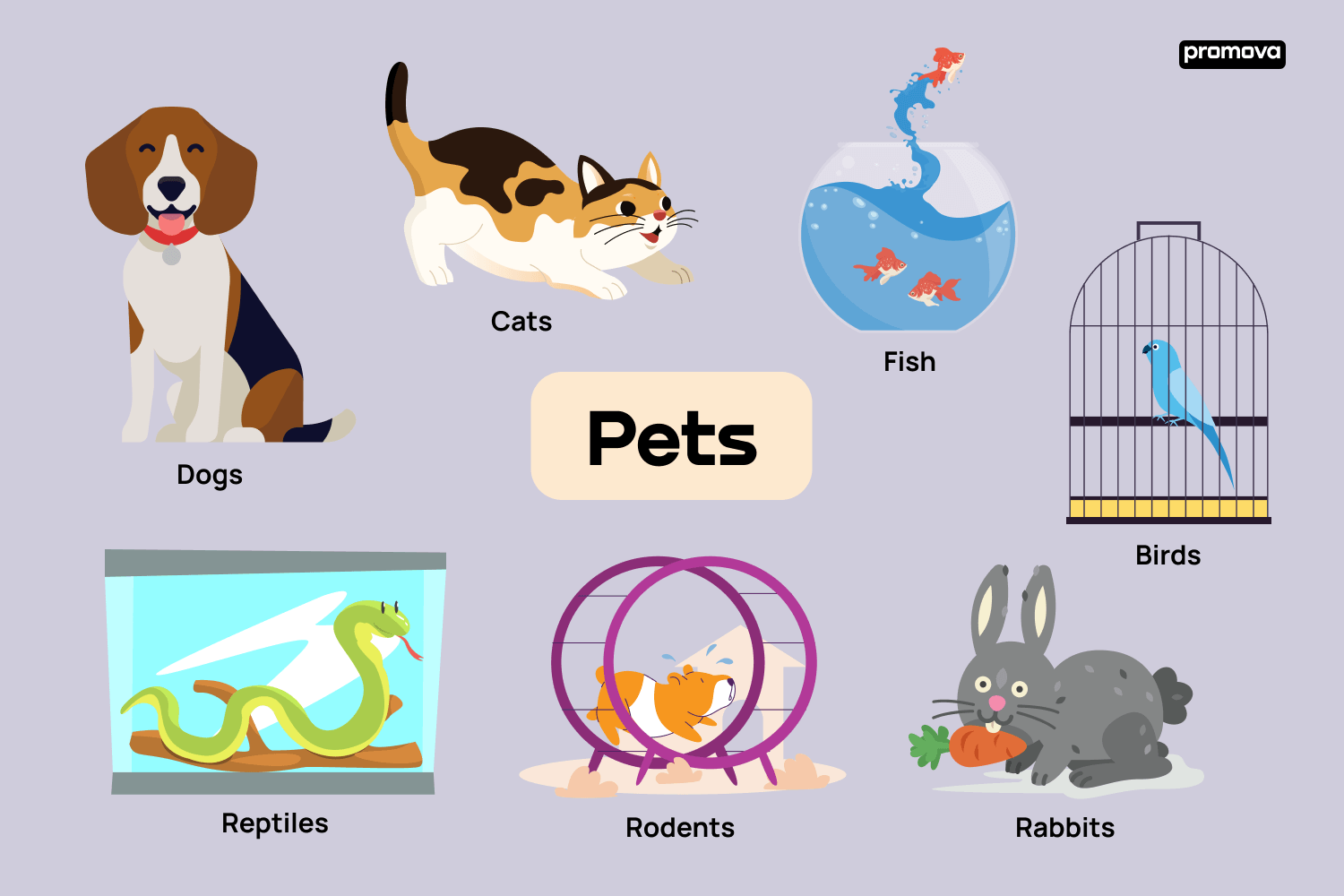
Evolution of the Bond
As societies shift, so does the place of animals within them.
Technology’s Touch
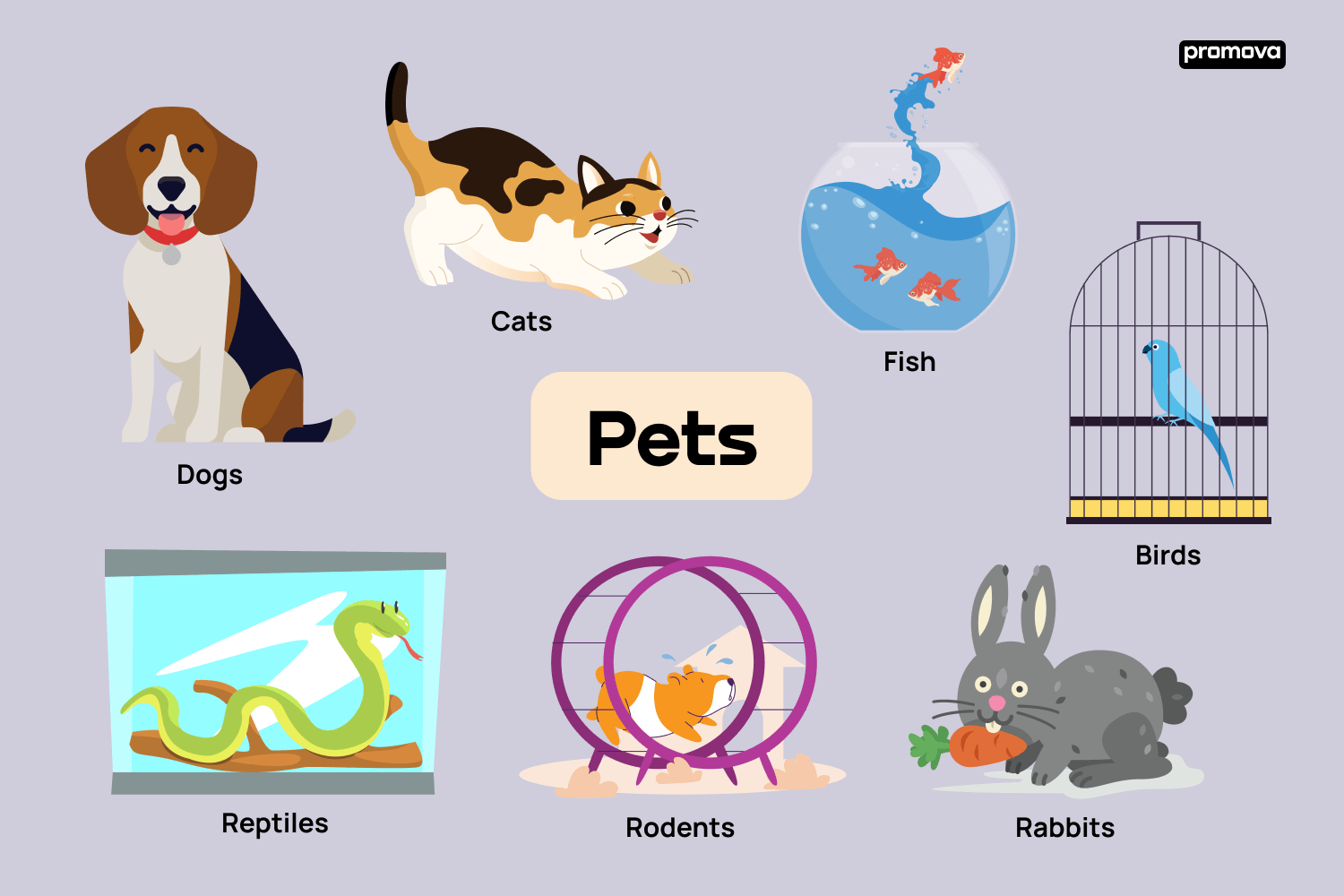
Cameras that toss treats, bowls that measure meals, and trackers that map walks extend care beyond the front door, keeping owner and animal loosely tethered even when apart.
Changing Outlook
Where animals were once listed beside furniture, many households now set plates for them at the emotional table. This new view encourages stronger welfare rules and kinder everyday choices.
Conclusion
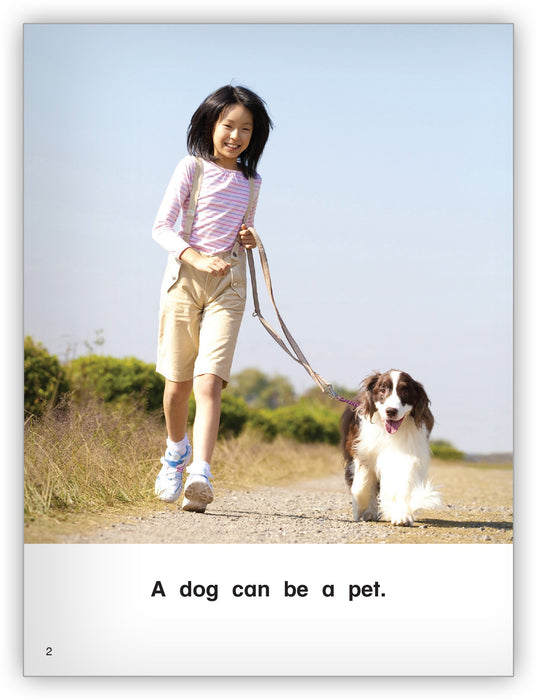
So, what is a pet? More than creature, more than pastime: a living thread in the fabric of home. The tie between two species keeps stretching, colored by history, science, and daily affection. Recognizing its depth invites respect for the small paws, claws, and wings that share our days.
Recommendations and Future Research
As this bond keeps maturing, three paths deserve attention:
1. Education: Share clear guidance on nutrition, training, and enrichment so every welcome mat leads to a healthy life.
2. Policy: Support rules that shelter animals from harm and reward responsible care.
3. Study: Keep exploring how pets shape minds, bodies, and communities, and how new tools change shared routines.
In the end, a pet is heartbeat at our feet, comic relief on a hard day, and quiet proof that friendship can cross fur, feather, or scale.