The Impact of Local Pet-Rescue Efforts on Animal Welfare and Community Engagement
Introduction
A community-driven animal-welfare group has quietly transformed the way animals are cared for and how residents connect with one another along a scenic coastal region. This article explores how that grassroots network improves animal welfare, deepens civic involvement, and offers lessons for similar towns everywhere.
The History of the Movement
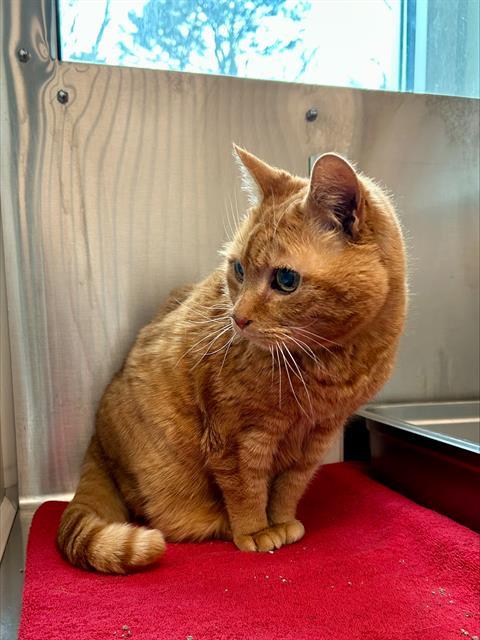
Founded by a handful of volunteers in the early 2000s, the initiative began as a simple effort to match homeless pets with new families. Over the years it has expanded into a trusted resource offering medical aid, education, and outreach across the entire peninsula.
Programs and Services Offered
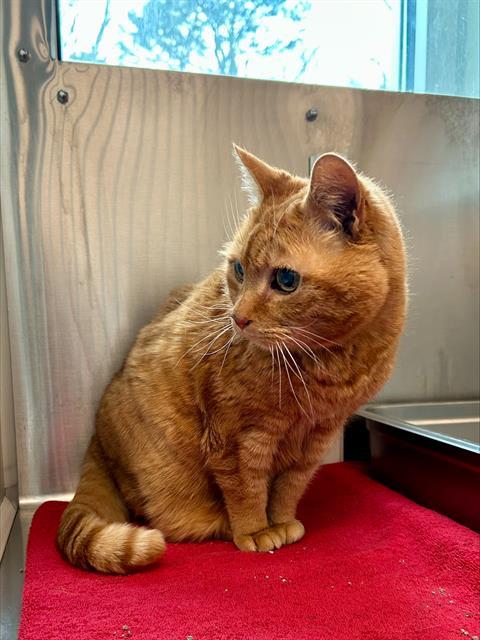
The organization now runs several complementary services designed to keep pets healthy and out of shelters:
Adoption Programs
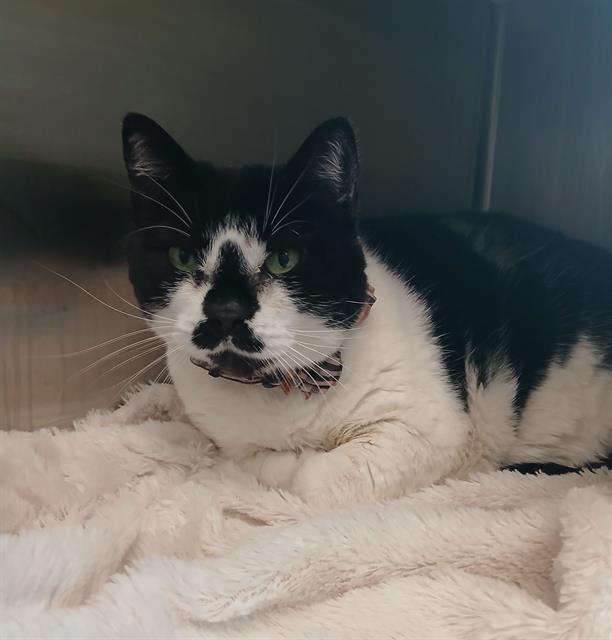
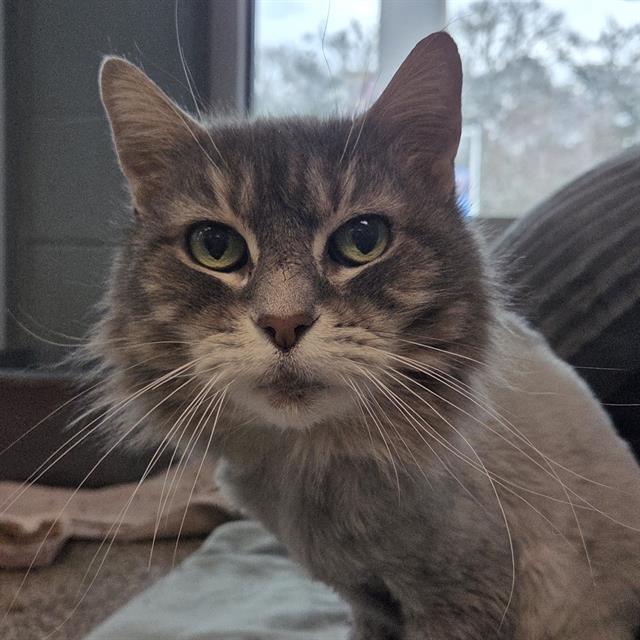
Weekend meet-and-greet events at parks, libraries, and farmers’ markets give adoptable animals the spotlight. Volunteers share each pet’s story, answer questions, and guide prospective guardians through a careful matching process that continues with post-adoption check-ins.
Spay and Neuter Clinics
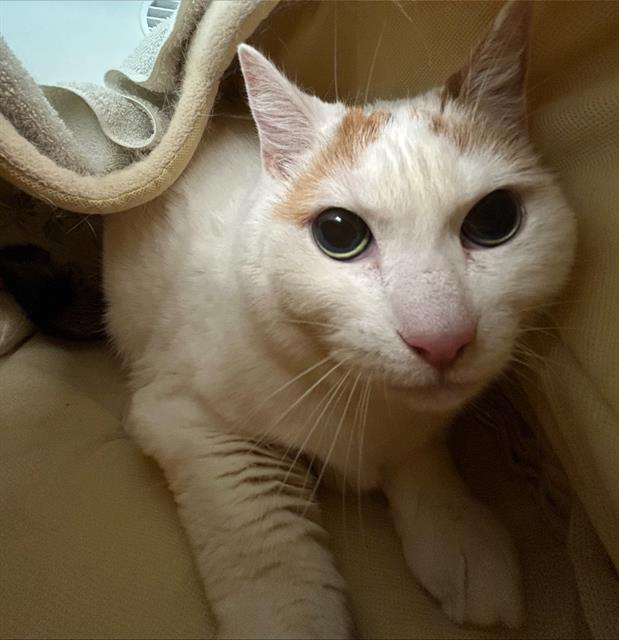
Monthly low-cost clinics help prevent unwanted litters. Local vets donate time, and grants cover supplies, making surgery affordable for all income levels. The result is a steady drop in stray numbers and healthier neighborhood cats and dogs.
Community Outreach
School visits, library talks, and beach clean-ups double as chances to discuss responsible pet care, wildlife safety, and the benefits of adoption. Volunteer days also welcome retirees, students, and visitors who want to walk dogs, foster kittens, or simply spread the word.
The Impact on Animal Welfare
By combining adoption events with preventive medical care, the group has measurably improved life for local animals.
Reducing Animal Homelessness
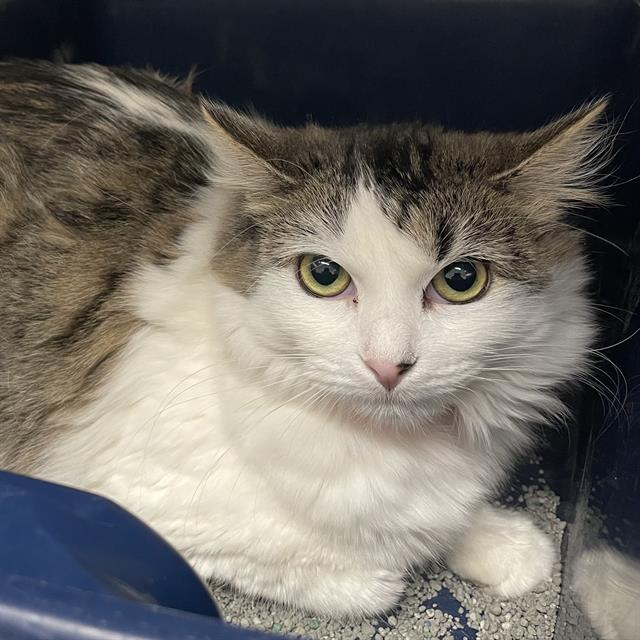
Fewer kittens born outside means fewer cats entering shelters. Adoption events move adult dogs into homes quickly, cutting average shelter stays by nearly half compared with regional norms.
Improving Animal Health
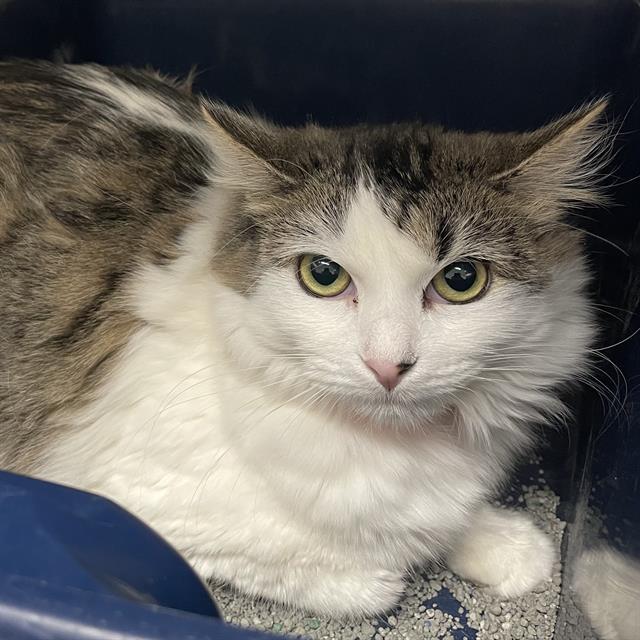
Routine vaccinations and early-age spay/neuter lower rates of common diseases. Owners who once postponed vet visits now schedule follow-ups, creating a ripple effect of wellness throughout the community.
The Impact on Community Engagement
Beyond statistics, the effort has woven new social fabric.
Building Stronger Communities
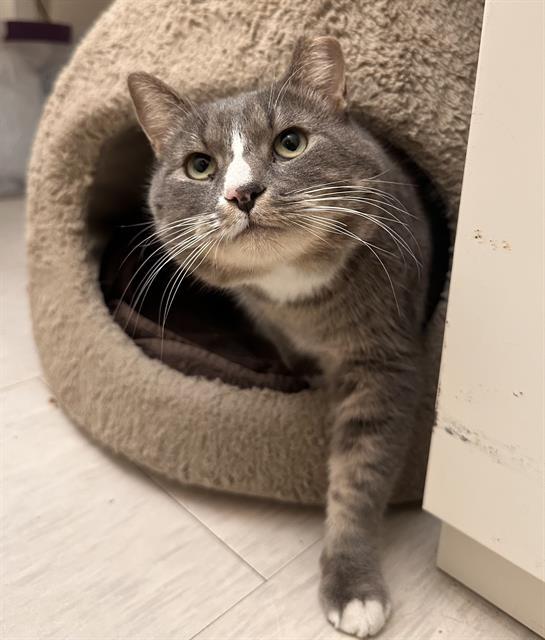
Neighbors who meet while walking foster dogs often exchange phone numbers and start pet-sitting circles. Fund-raisers such as “paws in the park” fun-runs attract local businesses that donate prizes, strengthening town-center commerce.
Raising Awareness
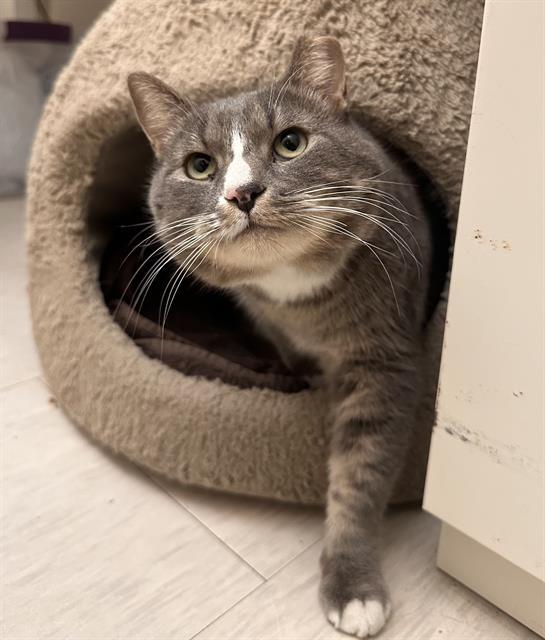
Colorful adoption posters in coffee shops and regular features in the regional newspaper keep animal welfare visible. Social-media posts celebrating each “gotcha day” inspire others to adopt, volunteer, or donate.
Conclusion
What began as a small adoption page has grown into a cornerstone of civic life, proving that when people work together for animals, the entire community thrives.
Revisiting the Purpose and Importance
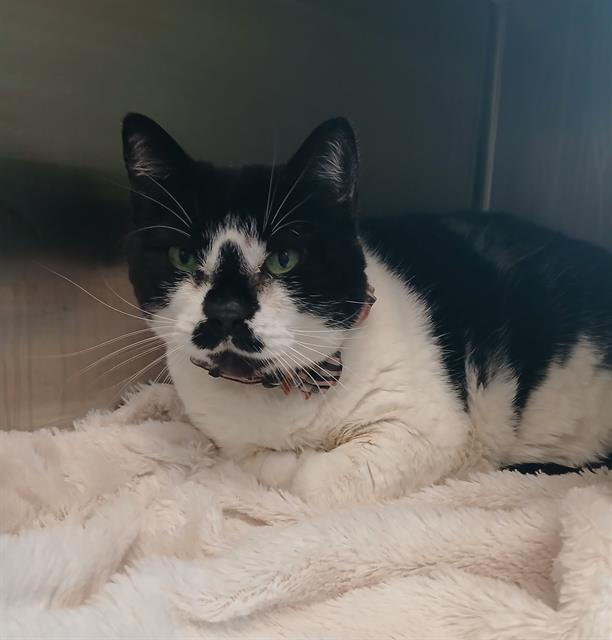
This overview shows how coordinated compassion reduces suffering, deepens neighborly ties, and offers a replicable model for towns everywhere.
Recommendations and Future Research
1. Expand mobile adoption units to reach outlying villages.
2. Formalize mentorships between experienced and new shelters to share best practices.
3. Launch youth clubs that reward students for service hours spent on animal care.
Future studies could track long-term health trends in adopted pets, measure volunteer retention, and compare outcomes with similar coastal communities to refine strategies that keep pets and people together.