The Impact of a Leading Pet Retailer on Pet Ownership and Community Engagement
Introduction
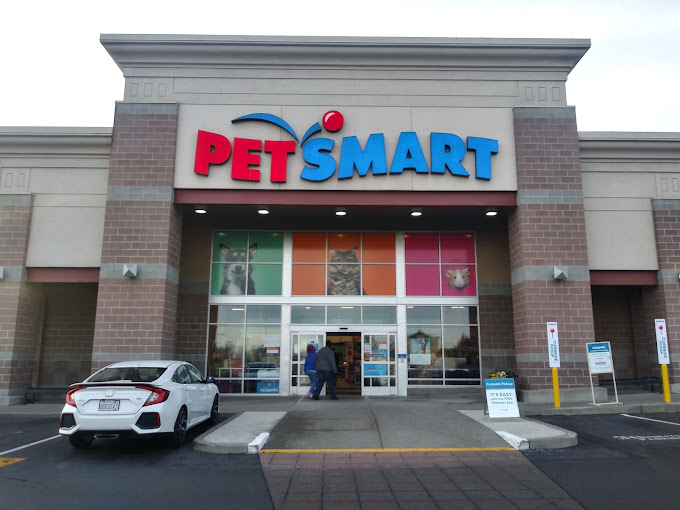
A major pet specialty retailer has quietly reshaped how people welcome animals into their lives across the Pacific Northwest. Through steady expansion and neighborhood-level outreach, the chain has become a familiar gathering place for companion-animal lovers, offering everything from everyday supplies to expert guidance. This overview examines how its presence influences adoption habits, local involvement, and wider industry practices.
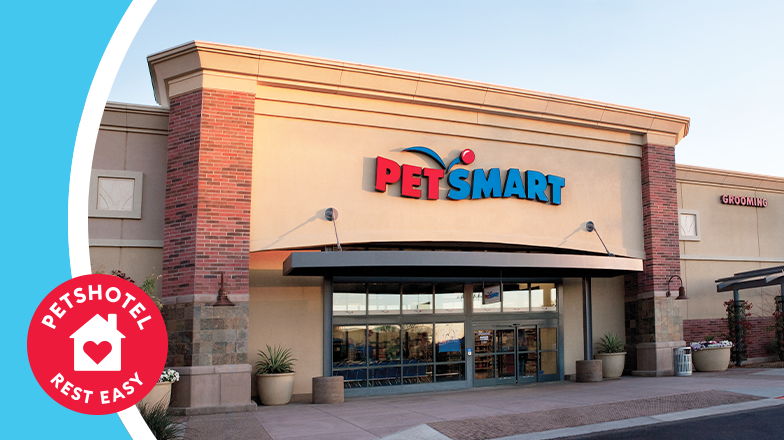
The Role of the Retailer in Pet Ownership
By partnering with area shelters and providing visible adoption areas inside its stores, the company lowers the barrier to bringing a new pet home. Weekly meet-and-greet events introduce families to rescue cats, rabbits, and smaller critters, encouraging thoughtful decisions rather than impulse purchases. The result is a gradual shift toward adoption-first attitudes and a measurable drop in shelter populations.
Adoption Programs
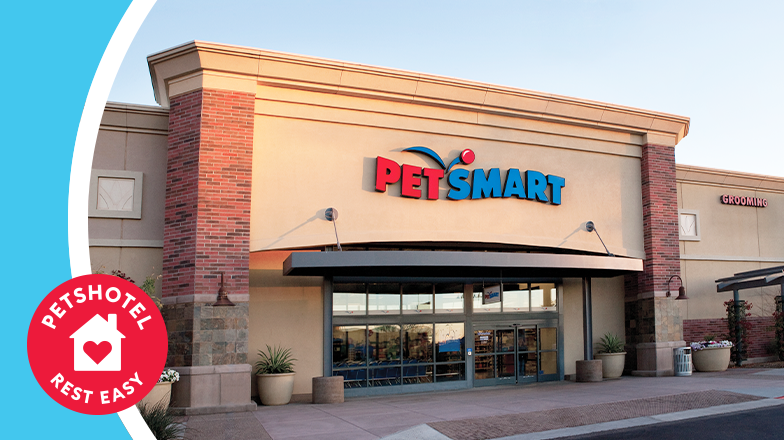
Same-day adoption paperwork, on-site counseling, and post-adoption check-ins streamline what was once a lengthy process. Volunteers from nearby rescue groups handle introductions, ensuring a good match between animal and adopter. Follow-up resources—starter kits, discounted vet visits, and training hotlines—help new guardians settle in with confidence.
Pet Education and Resources
Free workshops cover topics ranging from kitten-proofing an apartment to decoding canine body language. In-store signage and QR codes link to short videos on grooming, nutrition, and enrichment. By demystifying basic care, the retailer equips owners to handle common challenges before they escalate.
Community Engagement
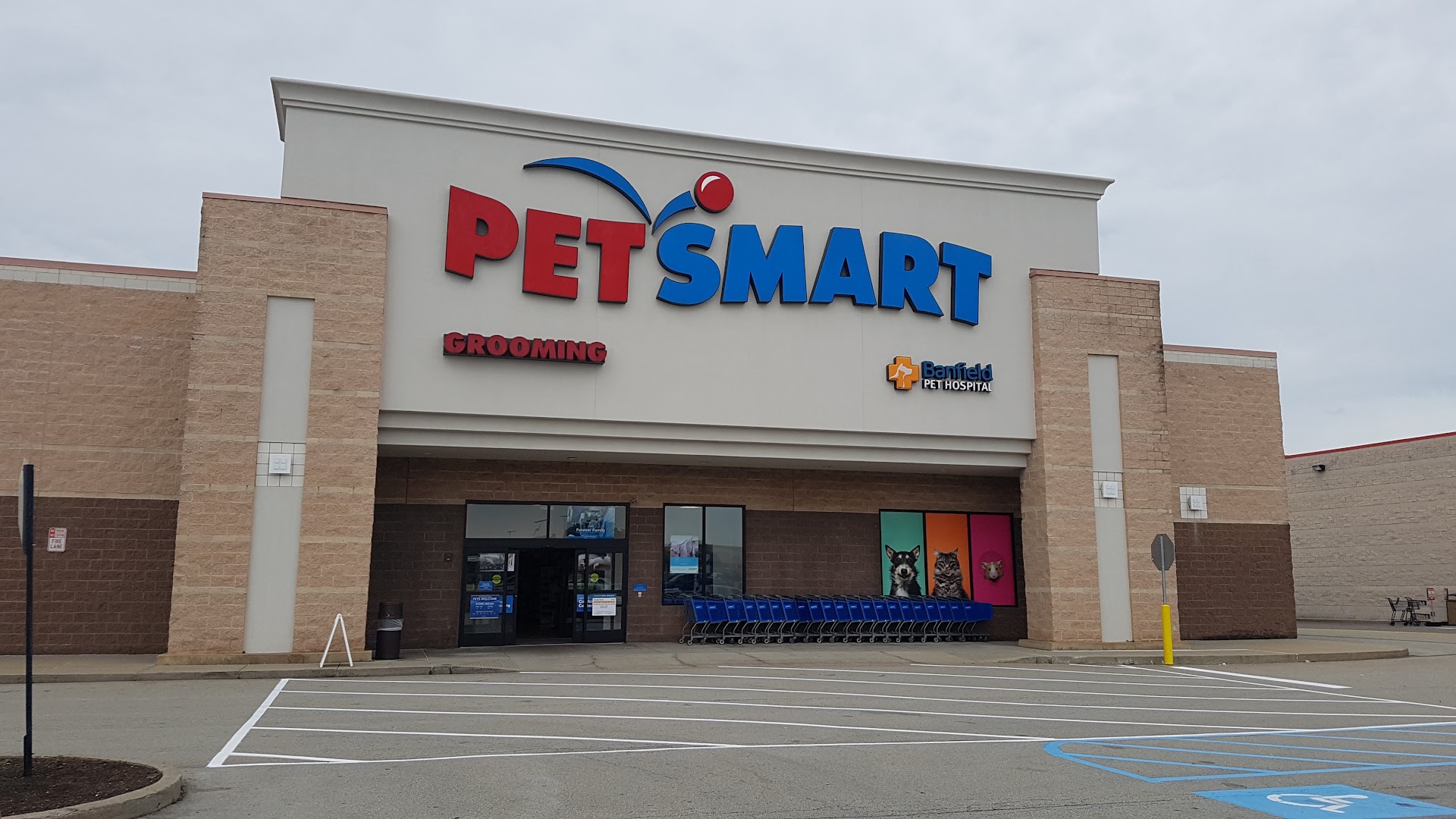
Seasonal festivals, low-cost vaccine clinics, and charity fun-runs turn parking lots into pet-friendly social spaces. Local artists set up booths, shelters showcase adoptable animals, and children learn bite-prevention games. These gatherings strengthen neighborhood ties while normalizing responsible guardianship.
Pet-Friendly Events
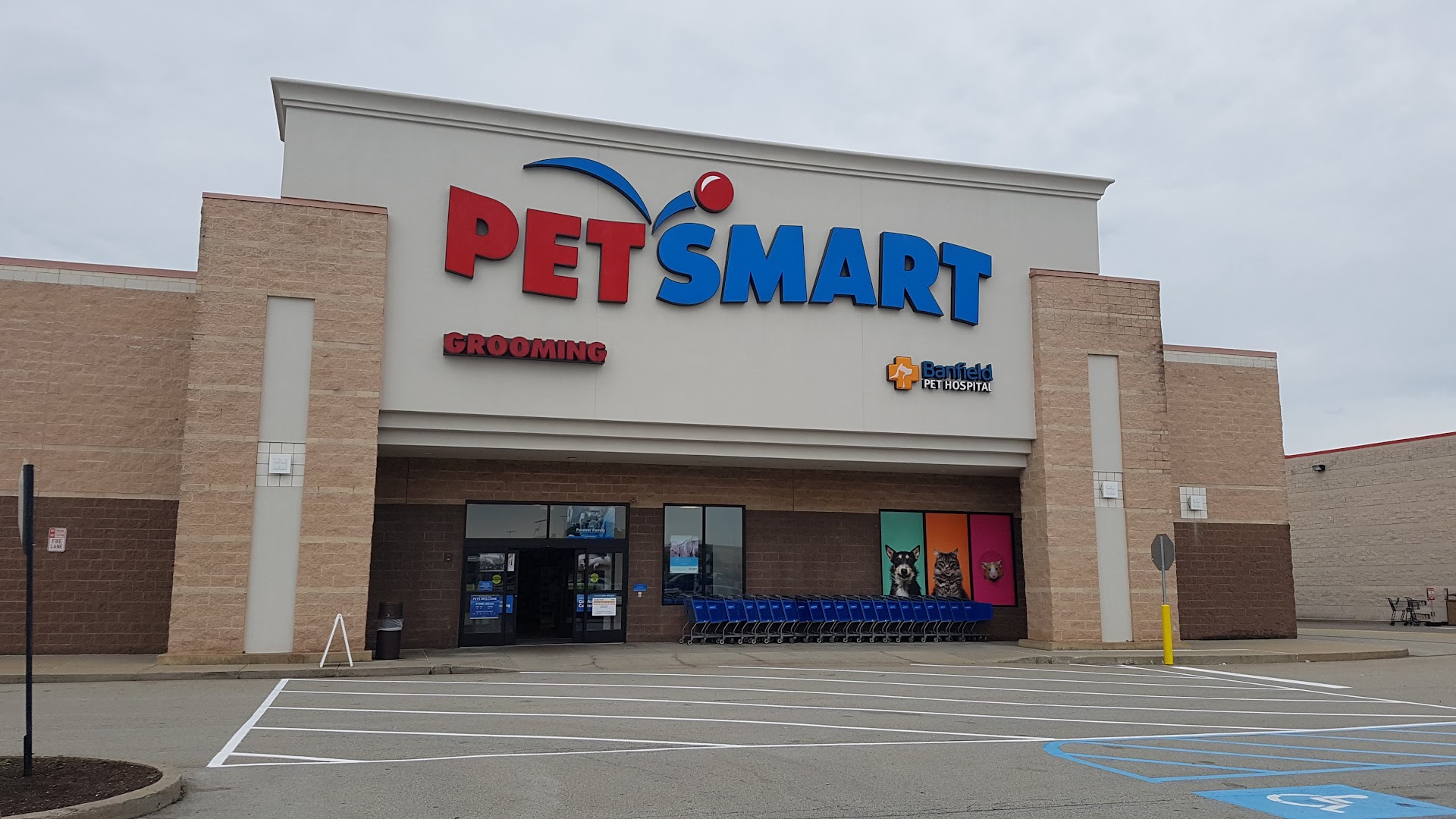
Halloween costume parades, photos with seasonal mascots, and “yappy hours” give owners fresh ways to bond with their animals. Vendors hand out samples, trainers offer mini-lessons, and veterinarians answer quick questions between contests. Each event doubles as a subtle education platform, reinforcing positive training and health tips.
Community Partnerships
Joint campaigns with municipal shelters fund spay-neuter shuttles and emergency pet-food banks. School districts invite staff to speak on empathy and animal safety, while senior centers host therapy-dog visits coordinated through the store. Shared goals—fewer strays, healthier pets—keep collaborations running year-round.
The Broader Pet Industry
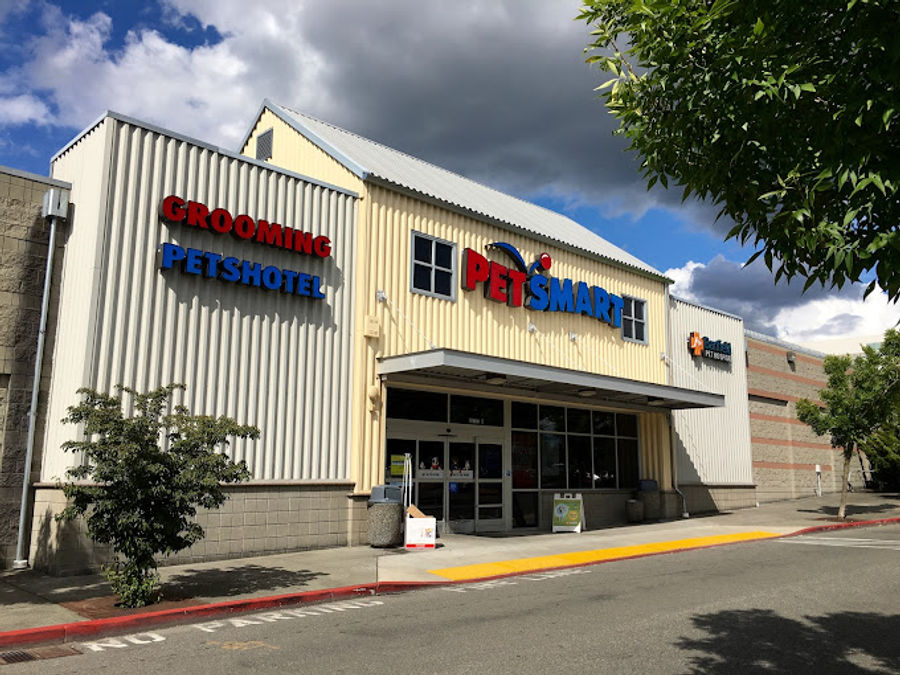
Competitors respond by widening their own training class schedules and stocking harder-to-find eco-friendly toys. Groomers, dog-walkers, and independent treat makers benefit from the increased foot traffic, creating a micro-ecosystem of pet-centric small businesses. Innovation rises as companies vie to offer the next sought-after service.
Market Expansion
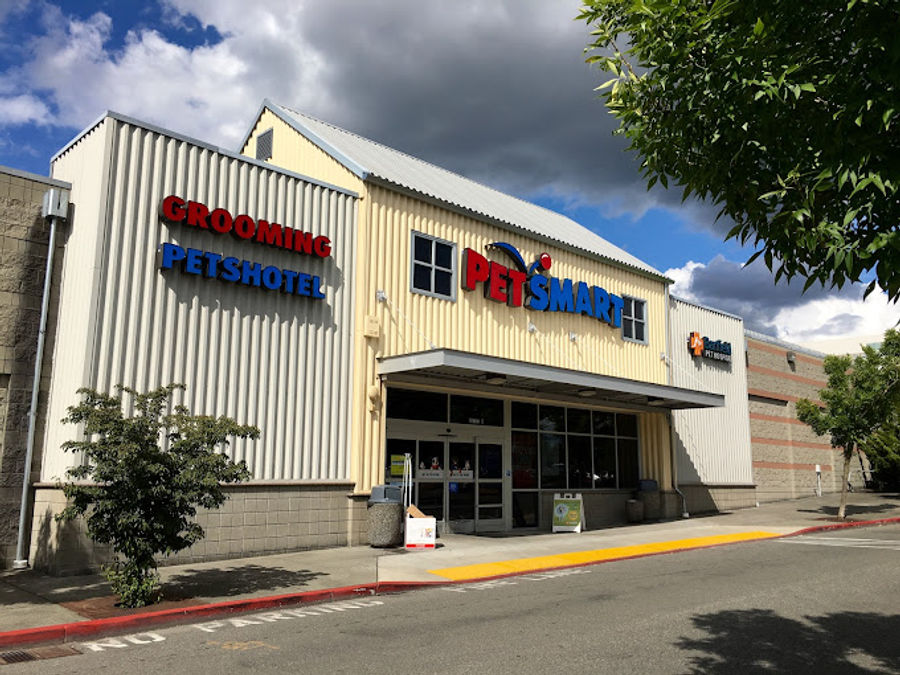
Each new location hires dozens of employees—stock clerks, groomers, trainers, and customer-care staff—many recruited from nearby neighborhoods. Local printers supply signage, regional bakeries provide natural biscuits, and courier services handle home-delivery routes, multiplying economic ripple effects.
Industry Trends
Refillable treat stations, biodegradable waste bags, and adoption-centric store layouts have become standard expectations rather than novelties. Competitors mirror the emphasis on transparency—posting inspection reports for small-animal vendors and highlighting welfare certifications on fish tanks.
Conclusion
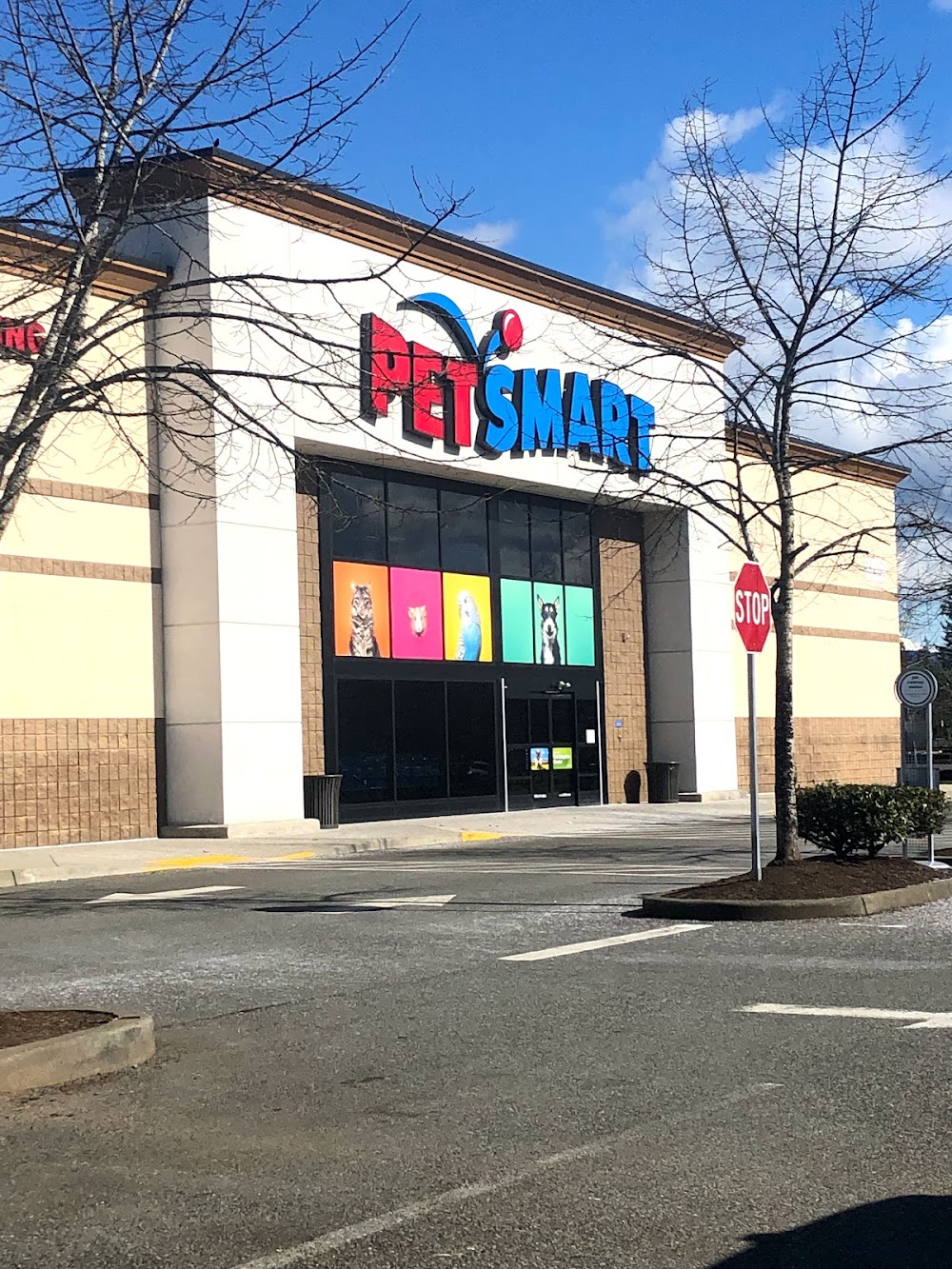
By blending retail convenience with steady community outreach, the chain has nudged an entire region toward more mindful pet keeping. Adoption numbers climb, neighborhood networks strengthen, and industry standards inch higher. As interest in companion animals keeps growing, its grassroots model offers a template for balancing commerce with care.
Recommendations and Future Research
To build on these gains, stakeholders could:
1. Expand rotating adoption centers to underserved suburbs and rural towns.
2. Develop multilingual resource kits that reflect the region’s diverse households.
3. Incentivize suppliers to cut packaging waste and prioritize ethically sourced goods.
Future studies might explore:
1. Long-term retention rates for pets adopted through in-store events versus traditional shelters.
2. The multiplier effect of pet-focused retail on neighborhood small-business revenues.
3. How regular community programming shapes public attitudes toward animal welfare over time.