The Impact of Online Pet Listings: A Comprehensive Analysis
Introduction
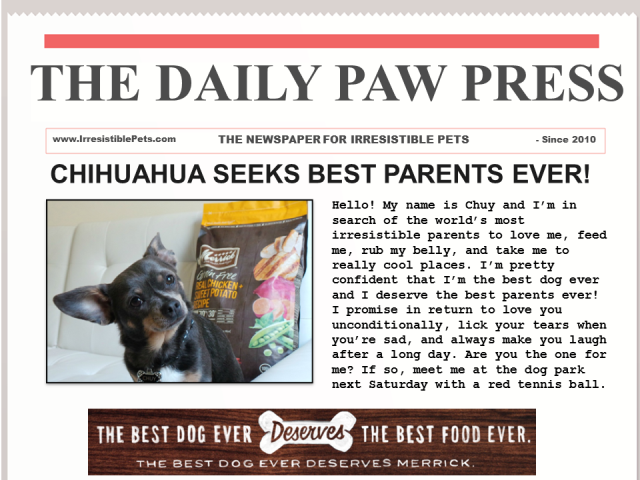
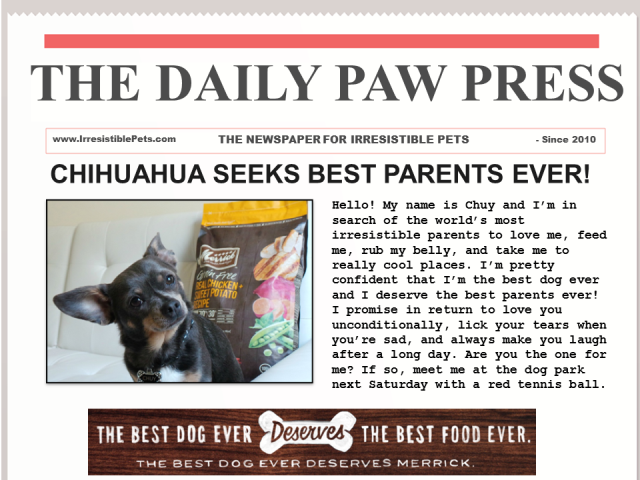
In today’s connected world, online listings have become a go-to space for people hoping to add a new animal to the family or find a safe home for a pet they can no longer keep. These simple posts act as a bridge between those searching for a companion and those who need to rehome one. This overview examines why such listings matter, how they shape adoption and rehoming trends, and the ethical questions that accompany their use.
The Significance of Online Pet Listings
1. Accessibility
One of the clearest benefits is ease of access. Anyone with a phone or computer can browse countless profiles of dogs, cats, rabbits, birds, and more. Because the listings are open to the public, families can narrow the search by size, age, or energy level, while guardians who must give up a pet can reach thousands of potential adopters in minutes.
2. Cost-Effectiveness
Posting a notice is usually free or very inexpensive, especially when compared with print ads or agency fees. This low barrier encourages owners, rescues, and foster networks to publicize every animal, increasing the odds of a quick, successful match.
3. Transparency
A good listing invites honesty. Basic details—age, vaccination status, personality quirks—help would-be guardians decide whether an animal fits their lifestyle. Clear photos and short videos add another layer of trust, reducing surprises on both sides of the exchange.
The Impact on Pet Adoption and Rehoming
1. Increased Adoption Rates
Animals featured online tend to move into homes faster than those relying solely on foot traffic at shelters. The wider audience means more inquiries, more meet-and-greets, and ultimately more adoptions.
2. Enhanced Rehoming Opportunities
Life changes such as relocation, financial strain, or health issues can force caring owners to seek new homes for their companions. A well-crafted post gives these owners a practical, dignified way to find another loving household, easing pressure on overcrowded rescue centers.
3. Awareness and Education
Many notices weave in gentle reminders about routine vet care, the benefits of sterilization, and the lifelong commitment pets require. Over time, these repeated messages foster a more informed community of current and future guardians.
Ethical Considerations
1. Ensuring the Well-being of Pets
Sellers and rehomers have a duty to share accurate health and behavior information and to screen responders carefully. A quick phone interview, reference checks, and a home visit can prevent mismatches and protect the animal’s welfare.
2. Preventing Animal Abuse
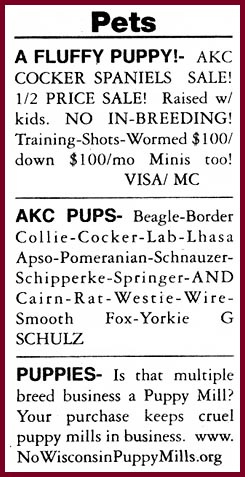
Platforms must watch for red-flag phrases and images that hint at illegal trade or cruel intentions. Clear reporting tools, quick takedown procedures, and cooperation with local authorities help keep exploitative actors away.
3. Promoting Responsible Pet Ownership
Every listing is an opportunity to model best practices: spay/neuter status, microchip details, up-to-date vaccinations, and honest statements about exercise needs or behavioral training. When these points appear routinely, they set a community standard that newcomers readily follow.
Conclusion
Online pet listings have become a powerful ally in the effort to place animals in safe, suitable homes. Their reach, affordability, and openness speed up adoptions and simplify rehoming, but they also demand vigilance. By prioritizing transparency, screening adopters, and embedding reminders about responsible care, we can keep the system friendly to animals and people alike.
Recommendations and Future Research
To strengthen safeguards and improve outcomes, consider the following steps:
1. Websites should enforce clear rules against high-volume or suspicious listings and require photo verification of the animal in its current setting.
2. Posters ought to disclose medical history, daily routines, and any special needs, using plain language that helps families make realistic choices.
3. Researchers can track long-term success rates—how long adopted animals stay in their new homes and whether follow-up support reduces returns—so that future guidelines reflect real-world results.
By refining policies and studying their effects, we can ensure that online pet listings remain a trusted, humane resource for bringing animals and people together.