The Role of Cats and Dogs in Human Society: A Comprehensive Analysis
Introduction
Animals, especially cats and dogs, have shared our homes and hearts for millennia. Beyond offering affection, they have helped shape agriculture, guarded settlements, and soothed human minds. This overview traces how these two species became indispensable partners and why their influence still expands.
The Evolution of Cat and Dog Domestication
Evolution of Cat Domestication
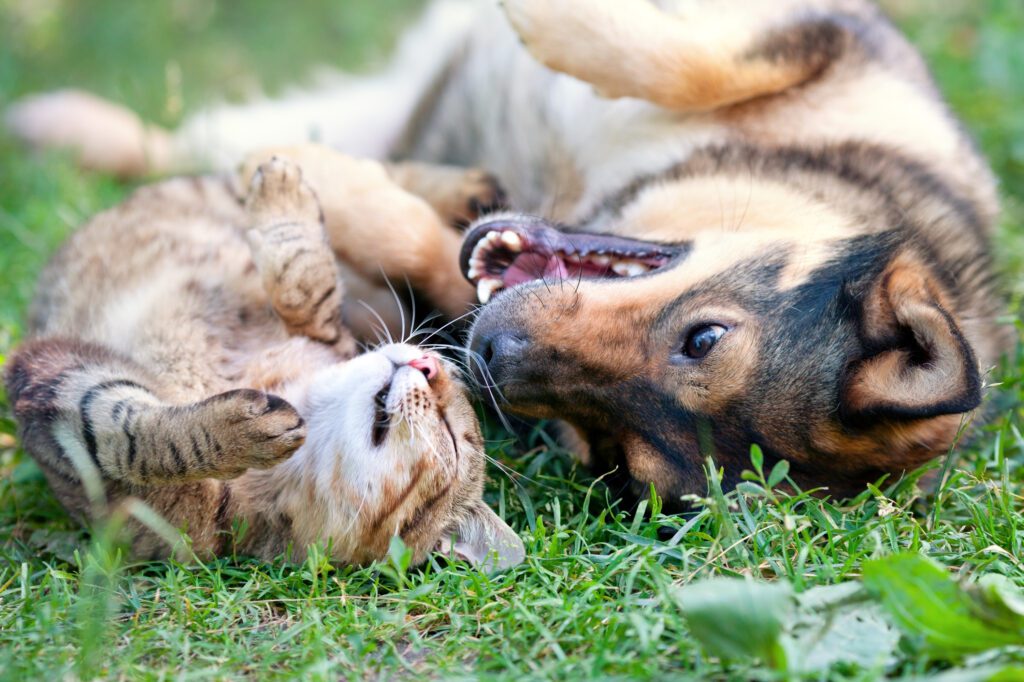
Early farming villages in the Near East first welcomed wildcats around nine thousand years ago. Drawn by grain-loving rodents, the cats proved adept at protecting food stores, earning warm shelter and steady meals until a lasting alliance formed.
Evolution of Dog Domestication
Dogs joined human camps at roughly the same period, though in a wider range of landscapes. Their keen senses aided hunters, and later they guarded livestock and homes, making the shift to settled life smoother for countless communities.
The Roles of Cats and Dogs in Human Society
Companionship
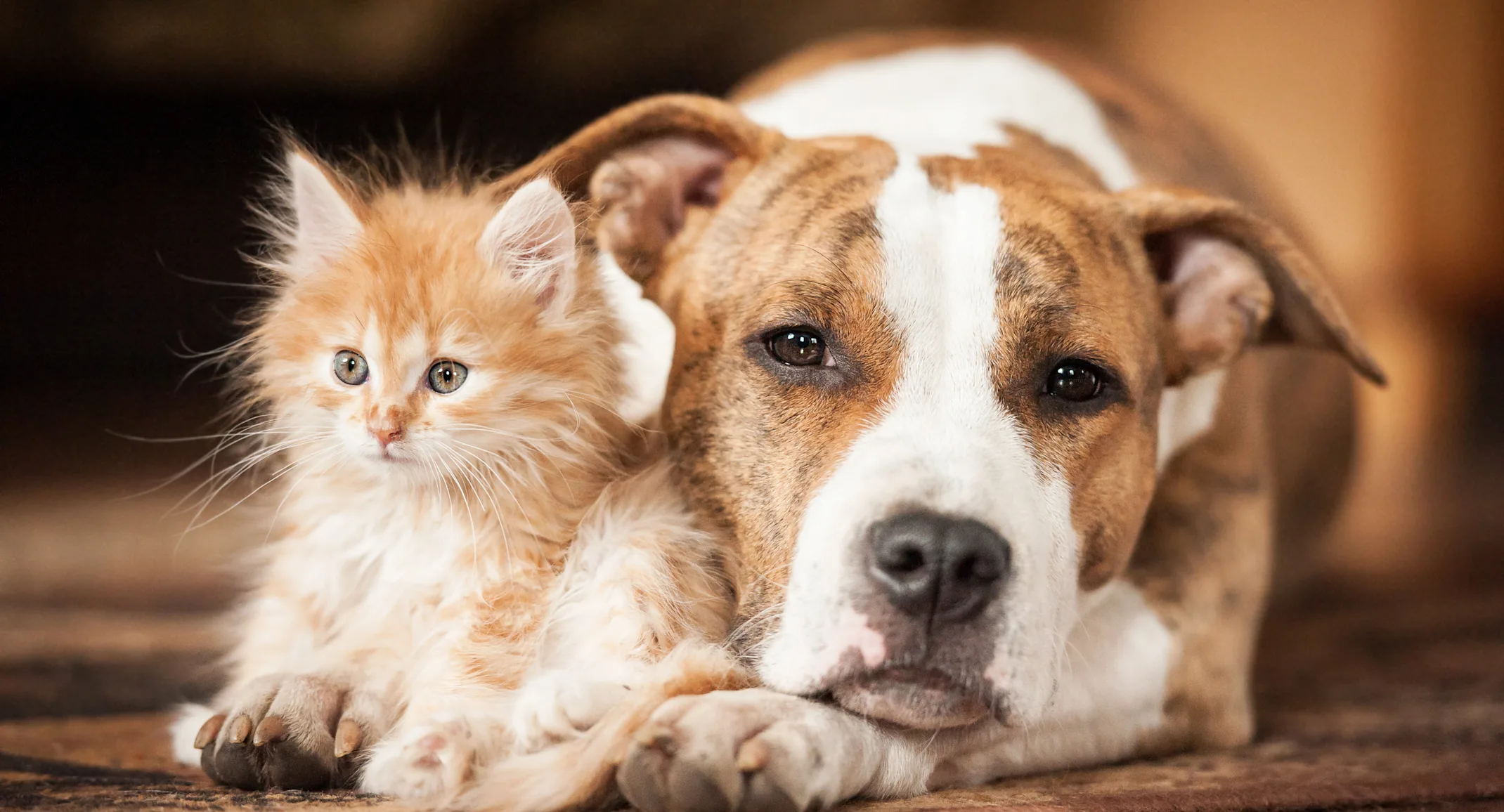
Few bonds match the quiet comfort of a cat purring on a lap or a dog greeting its person at the door. Regular interaction with these pets is linked to calmer moods, lower blood pressure, and a greater sense of daily purpose.
Work and Assistance
Herding flocks, guiding travelers, detecting danger, and even lending a paw during rescue operations—dogs continue to earn their keep. Cats, for their part, patrol barns, shops, and ships, keeping unwanted rodents at bay without chemicals.
Emotional Support
Therapy dogs and friendly felines visit hospitals, shelters, and classrooms, offering non-judgmental comfort to people facing illness, loss, or anxiety. Their steady presence often sparks conversation and eases loneliness.
The Impact of Cats and Dogs on Human Psychology
Stress Reduction
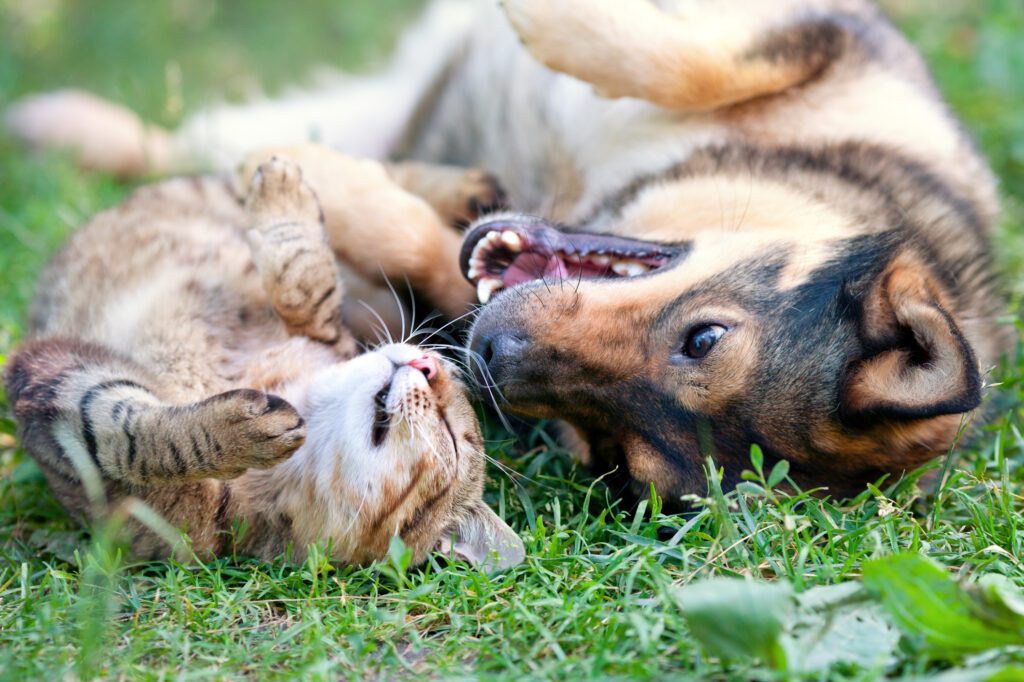
Stroking fur, meeting a pet’s gaze, or tossing a toy can lower stress hormones and steady breathing. These simple moments create pockets of calm amid hectic routines.
Enhanced Social Interaction
Dog walks and cat cafés turn strangers into acquaintances united by shared stories. Pets act as social bridges, encouraging polite greetings and friendly chats that might not happen otherwise.
The Cultural Significance of Cats and Dogs
Religious and Mythological Roles
From temple guardians to loyal companions in epic tales, cats and dogs appear again and again as protectors, guides, and symbols of fidelity, reflecting humanity’s respect for their unique traits.
Art and Literature
Poets paint the elegance of a stretching cat; novelists celebrate the devotion of a steadfast dog. Their images in paintings, films, and stories keep these animals at the center of creative life.
Conclusion
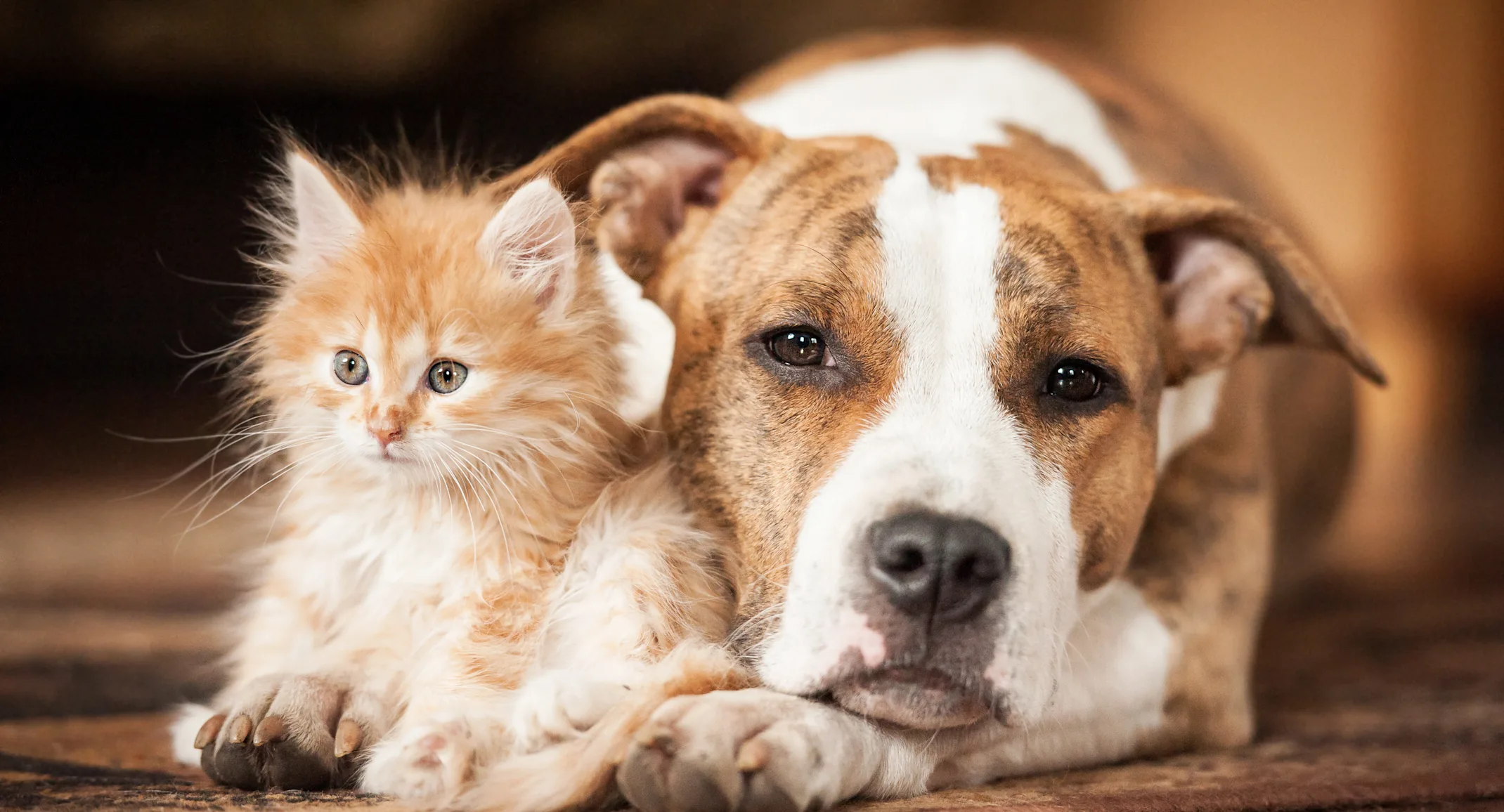
Cats and dogs have moved from wild ancestors to beloved family members, co-workers, and healers. Their contributions to mental well-being, social connection, and cultural imagination remain as relevant today as they were centuries ago.
Recommendations and Future Research
To deepen appreciation of this enduring partnership, scholars could explore:
1. Genetic markers that eased domestication and fostered human-friendly behaviors.
2. Long-term health outcomes for people who live with pets across different life stages.
3. Variations in pet symbolism and caregiving practices among world cultures.
4. Best practices for ensuring every animal receives proper care, respect, and enrichment.
Continued inquiry will help societies nurture the bond responsibly, ensuring future generations enjoy the many gifts cats and dogs bring to human life.